
The esteemed Khymos blog, a long-standing authority in the realm of molecular gastronomy and experimental food science, has announced a comprehensive series of backend upgrades and front-end modernizations. These significant enhancements include the consolidation of its digital presence from blog.khymos.org to the primary domain khymos.org, the implementation of a fully responsive WordPress theme to ensure optimal viewing across all devices, and the unveiling of a brand-new, symbolically rich logo. This strategic overhaul aims to significantly improve user experience, enhance accessibility, and fortify the blog’s digital infrastructure, signaling a renewed commitment to its global readership in the evolving landscape of online scientific communication.
A New Digital Era for Khymos
The core of Khymos’s recent transformation lies in two critical technical advancements. Firstly, the entire blog content has been meticulously migrated and consolidated under the main domain, khymos.org. Previously residing at blog.khymos.org, this move streamlines the site’s architecture, centralizes its branding, and simplifies navigation for users. All historical links to the old domain have been carefully configured with permanent redirects, ensuring that readers and search engines seamlessly find the updated content without encountering broken links or loss of historical search engine optimization (SEO) value. This consolidation is a standard best practice in modern web management, contributing to stronger domain authority and a more cohesive online identity.
Secondly, and perhaps most impactful for the everyday user, is the successful transition to a responsive WordPress theme. This upgrade addresses a long-acknowledged deficiency, finally enabling Khymos to be read comfortably and efficiently on mobile devices, tablets, and desktops alike. The blog’s creator openly admitted that this improvement "should have been done years ago," highlighting a common challenge faced by long-running online platforms that predate the widespread adoption of mobile internet. Responsive design automatically adjusts the layout, text size, and image scaling to fit the screen size of the viewing device, eliminating the need for users to zoom, scroll horizontally, or contend with poorly formatted content.
Beyond these visible changes, the announcement also alluded to "major upgrades and repairs behind the scenes." While specific details were not disclosed, such comprehensive overhauls typically involve a multitude of critical backend operations. These can range from updating core WordPress software and its associated plugins to the latest versions for enhanced security and functionality, optimizing database performance for faster content delivery, migrating to more robust server infrastructure, and implementing advanced caching mechanisms. These foundational improvements are crucial for maintaining website stability, protecting against cyber threats, and ensuring a smooth, fast loading experience, which are all vital components of a high-quality digital platform in today’s demanding online environment.
The Imperative of Mobile Responsiveness
The integration of a responsive design is not merely a cosmetic update; it is an essential strategic move for any contemporary digital publication. The global shift towards mobile internet consumption has been dramatic and continues unabated. According to recent industry reports, mobile devices now account for over 55% of all web traffic worldwide, a figure that continues to climb. In some regions, mobile-only internet access is the norm for a significant portion of the population. Websites that fail to adapt to this reality risk alienating a substantial segment of their potential audience.
Prior to this upgrade, Khymos readers attempting to access content on smartphones or tablets would likely have encountered a cumbersome desktop-optimized layout, necessitating constant pinching, zooming, and horizontal scrolling – a frustrating experience that often leads to high bounce rates and diminished engagement. By embracing responsive design, Khymos has not only caught up with current web standards but has also significantly broadened its reach and accessibility. This ensures that its rich archive of articles, recipes, and scientific discussions is readily available and enjoyable for anyone, regardless of their preferred device. This commitment to accessibility also aligns with broader digital inclusion principles, ensuring that valuable knowledge is not restricted by technological barriers. The improved user experience fostered by responsive design also has a positive ripple effect on search engine rankings, as major search engines prioritize mobile-friendly websites in their results, further enhancing Khymos’s discoverability.
The Symbolic Rebranding: A New Logo for a New Chapter
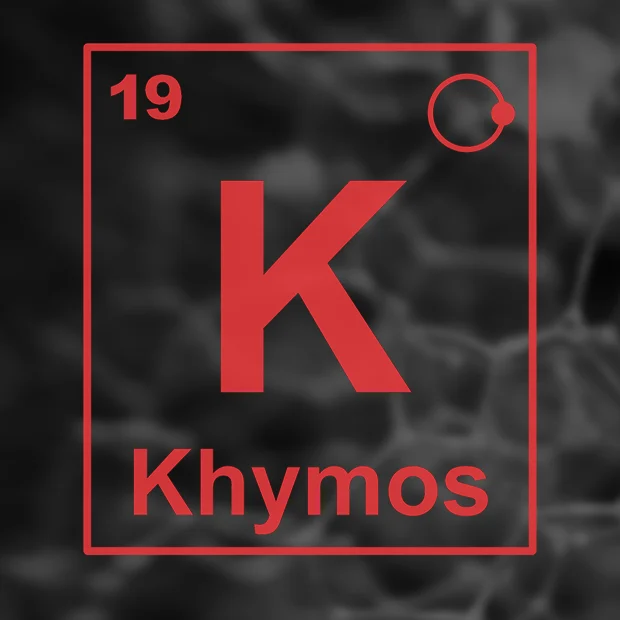
Coinciding with the technical refresh, Khymos has also introduced a brand-new logo, a clear visual marker of its renewed identity and forward momentum. The new design features a stylized ‘K’ encircled by a ring, with a distinct dot positioned on the ring. The creator provided a succinct yet insightful explanation for its symbolism: the ‘K’ stands both for Khymos and for Potassium, the chemical element. Furthermore, Potassium is element number 19 on the periodic table, a number subtly referenced by the design. The dot on the ring serves as a direct chemical metaphor, symbolizing potassium’s single electron in its outermost shell.
This logo is a thoughtful encapsulation of the blog’s ethos, seamlessly blending branding with core scientific principles. Potassium (K) is an alkali metal, vital in countless biological and chemical processes, including those relevant to food science and nutrition. It plays a crucial role as an electrolyte in the human body, is essential for plant growth, and influences the flavor and texture of many foods. By associating its identity with such a fundamental and food-relevant element, Khymos reinforces its foundation in chemistry while signaling its practical application in the culinary arts. The representation of the single valence electron is particularly elegant, as valence electrons dictate an element’s chemical reactivity and bonding behavior. In essence, the logo communicates Khymos’s dedication to exploring the fundamental chemical principles that underpin the complexities of food and cooking. This kind of intellectually rich branding resonates deeply with a scientifically literate audience, distinguishing Khymos in a crowded digital space.
Khymos: A Pillar in Molecular Gastronomy and Food Science
To fully appreciate the significance of these upgrades, it is essential to understand the unique position Khymos holds within the culinary and scientific communities. Founded by Martin Lersch, a chemist by training with a profound passion for food, Khymos emerged in the early 2000s as a pioneering platform dedicated to molecular gastronomy. At a time when the internet was still finding its footing as a repository for specialized knowledge, Khymos quickly distinguished itself by translating complex scientific concepts into accessible, engaging content for both professional chefs and curious home cooks.
Molecular gastronomy, a discipline that investigates the physical and chemical transformations of ingredients during cooking, was gaining traction in high-end culinary circles, largely popularized by figures like Hervé This and Ferran Adrià. However, readily understandable resources for delving into its scientific underpinnings were scarce. Khymos filled this void, offering detailed explanations of techniques like spherification, sous-vide cooking, emulsification, and the science behind flavor pairings. Lersch’s rigorous scientific approach, combined with practical experimentation, made the blog an invaluable resource for anyone seeking to move beyond traditional recipe following to a deeper understanding of food.
Over its lifespan, Khymos has compiled an extensive archive of articles, experiments, and insights, covering topics from the properties of hydrocolloids to the precise temperature control required for perfect protein coagulation. Its content has served as a reference point for students, researchers, and culinary professionals, contributing significantly to the popularization and demystification of food science. The blog’s influence extends beyond mere instruction, fostering a community of intellectually curious individuals eager to explore the boundaries of culinary innovation through a scientific lens.
The Journey of Digital Adaptation: A Timeline
The trajectory of Khymos mirrors the broader evolution of the internet itself, particularly for niche content platforms.
- Early 2000s (Inception): Khymos likely launched during a period when personal blogs were emerging as powerful tools for sharing specialized knowledge. The primary focus was content creation, with less emphasis on responsive design, as desktop computers dominated internet access. Domain structures like
blog.khymos.orgwere common for separating blog content from a main website. - Late 2000s – Early 2010s (Mobile Revolution): The introduction and widespread adoption of smartphones like the iPhone catalyzed a massive shift towards mobile internet browsing. Websites began to grapple with the challenge of adapting their layouts for smaller screens. During this period, Khymos, like many older blogs, likely experienced increasing difficulty for mobile users.
- Mid-2010s (Responsive Design Becomes Standard): Google’s algorithm updates began to favor mobile-friendly websites, making responsive design not just a user experience enhancement but also an SEO necessity. This intensified the pressure on all websites, including niche blogs, to modernize.
- Late 2010s – Present (Continuous Optimization): The digital landscape continues to evolve rapidly, with ongoing demands for faster loading times, enhanced security, and seamless integration across diverse devices and platforms. The current upgrade announced by Khymos aligns perfectly with this continuous need for digital optimization. The timing of the announcement (implied from the image URL to be around October 2020) signifies a deliberate decision to invest in the platform’s future.
This chronological perspective underscores that the recent upgrades are not merely reactive but represent a proactive investment in the long-term viability and relevance of Khymos as a critical educational resource.
Implications for Readers and the Scientific Community
The comprehensive upgrades to Khymos carry significant implications for its dedicated readership and the broader scientific culinary community. For existing readers, the transition to a responsive design means an immediate and dramatic improvement in usability. Articles that were once difficult to read on a smartphone will now render perfectly, allowing for easier access to recipes, scientific explanations, and experimental results whether in the kitchen, laboratory, or on the go. The domain consolidation simplifies bookmarking and ensures a more cohesive brand identity. For new readers, the modernized platform presents a welcoming and professional first impression, making it easier to discover and engage with Khymos’s extensive content archive.
Beyond individual user benefits, these enhancements reinforce Khymos’s position as a reliable and enduring online resource. In an era where digital content can quickly become outdated or inaccessible due to technological obsolescence, the investment in backend repairs and a responsive theme ensures the long-term preservation and utility of its valuable knowledge base. This commitment to digital stewardship is crucial for niche scientific blogs, which often serve as irreplaceable repositories of specialized information that might not be easily found elsewhere. The renewed platform also positions Khymos to potentially explore new forms of content delivery, such as integrated video or interactive elements, further enriching the learning experience.
From a broader perspective, Khymos’s journey of adaptation serves as an instructive example for other long-standing independent content creators and niche scientific communicators. It highlights the essential need for continuous technical maintenance and strategic evolution to remain relevant and accessible in a dynamic digital environment. The blog’s creator’s candid acknowledgment of the delay in adopting responsive design resonates with many who have navigated similar challenges, underscoring that even established and respected platforms must periodically undergo significant overhauls to meet contemporary user expectations.
The Future of Culinary Science Communication
The modernization of the Khymos blog represents more than just a technical facelift; it signifies a renewed commitment to the principles of open access knowledge and scientific dissemination in the culinary arts. By investing in a robust, user-friendly, and mobile-optimized platform, Khymos is ensuring that its unique blend of chemistry and cuisine remains accessible to a global audience for years to come. This proactive adaptation positions the blog not just as a historical archive, but as a living, evolving resource at the forefront of culinary science communication. As digital platforms continue to shape how we learn and interact with specialized knowledge, Khymos’s latest transformation underscores the ongoing importance of thoughtful design, technical excellence, and a deep understanding of user needs in fostering vibrant and enduring online communities.