

The American Homebrewers Association (AHA) has officially announced a significant transition in the leadership of the National Homebrew Competition (NHC), appointing Charlie Harr as the new Competition Chair and Jen Pereira as Deputy Chair. This strategic leadership update arrives as the organization prepares for the 2026 iteration of the world’s most prestigious amateur brewing contest, with the official entry window scheduled to open on February 3, 2026. The NHC, widely regarded as the "Oscars" of the homebrewing community, serves as a global benchmark for excellence in the production of beer, mead, and cider. The appointment of Harr and Pereira signals a commitment to operational precision and educational advancement within the hobby, leveraging decades of collective experience in competition management and sensory evaluation.
The National Homebrew Competition has evolved from a modest gathering into a massive logistical undertaking that requires rigorous oversight. In their new roles, Harr and Pereira will be responsible for steering the competition’s strategic direction, ensuring the integrity of the judging process, and managing the complex network of volunteers, judges, and organizers who make the event possible. Their leadership is expected to reinforce the AHA’s mission as a member-driven association dedicated to the promotion and protection of the homebrewing community.
Profiles in Brewing Excellence: The New Leadership Team
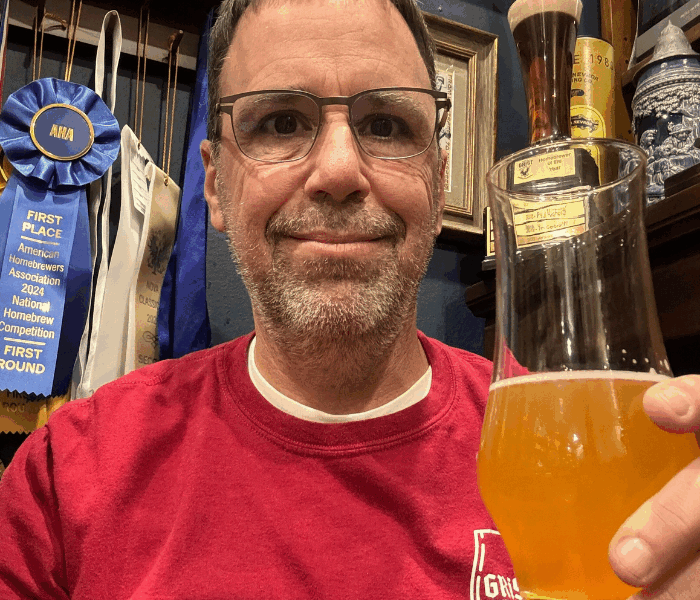
The selection of Charlie Harr as NHC Chair brings a wealth of operational expertise to the forefront of the competition. Harr’s background is rooted in more than 20 years of experience in operations and event management, a critical skillset for an event that handles thousands of sensitive fermented entries from across the globe. As the head judge for the Virginia Craft Brewers Guild, Harr has demonstrated a sophisticated ability to manage large-scale, AHA and Beer Judge Certification Program (BJCP) sanctioned events. His responsibilities have historically included the recruitment of qualified judges, the coordination of complex entry logistics, and the management of volunteer teams—all of which are directly transferable to the scale of the NHC. Harr is currently a candidate for BJCP National Judge certification, further underscoring his technical proficiency and dedication to the standards of beer evaluation.
In his acceptance of the role, Harr emphasized the intersection of logistical management and educational outreach. He noted that the opportunity to support the AHA through the NHC aligns with his long-standing passion for advancing homebrewing excellence. His perspective as a long-time AHA member and a former NHC entrant provides him with a unique "entrant-first" viewpoint, ensuring that the competition remains responsive to the needs and expectations of the hobbyists it serves.
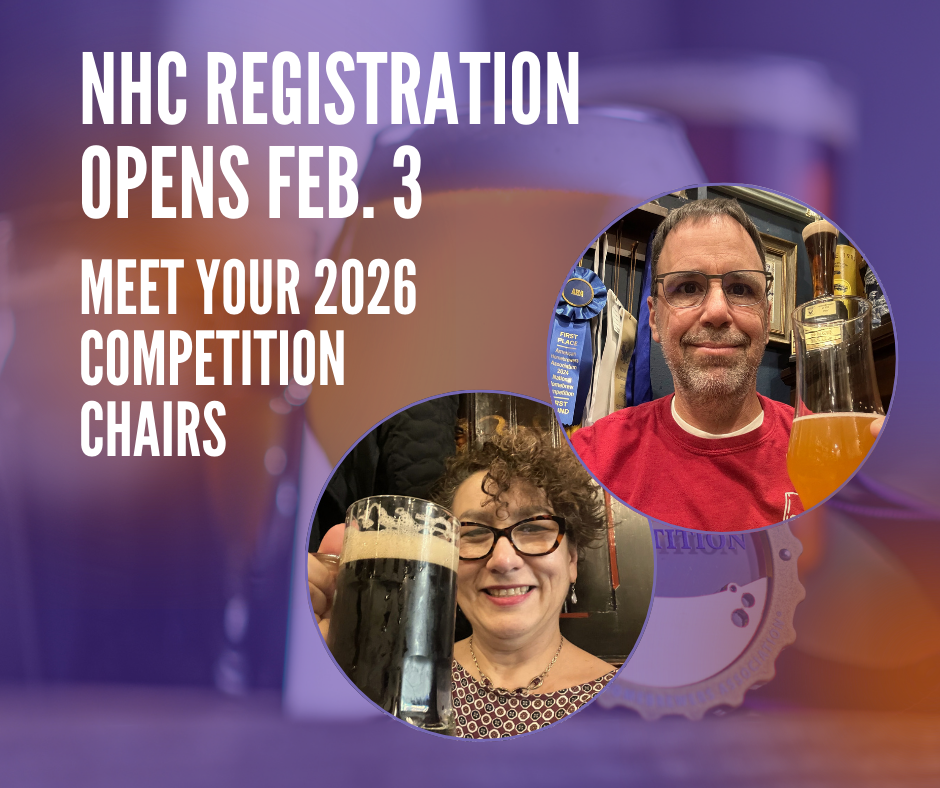
Complementing Harr’s operational focus is Deputy Chair Jen Pereira, whose career spans over a quarter-century in beverage education and professional judging. Pereira is a highly credentialed figure in the industry, holding the rank of BJCP National Beer Judge, the title of Certified Cicerone®, and a Diploma from the Wine & Spirit Education Trust (WSET). Her academic background is equally distinguished; she has served as an associate professor at the renowned Johnson & Wales University for over 20 years, where she has shaped the palates and careers of countless beverage professionals.
Pereira’s contributions to the homebrewing world extend to the founding of the Ocean State Home Brew Competition and the Rhode Worthy Cup, demonstrating her ability to build and sustain local brewing communities. As a former NHC judge and an active homebrewer, she brings a deep understanding of the sensory nuances required to evaluate world-class fermentations. Pereira characterized her new role as a meaningful way to give back to a community that has fostered her professional and personal growth, focusing on expanding the NHC’s global impact.
The Evolution and Scale of the National Homebrew Competition
To understand the weight of these new appointments, one must consider the historical trajectory of the National Homebrew Competition. Founded in 1979, the inaugural competition saw only 34 entries. At that time, homebrewing had only recently been legalized at the federal level in the United States, following the signing of H.R. 1337 by President Jimmy Carter in late 1978. Since those humble beginnings, the NHC has mirrored the explosive growth of the craft beer movement.
By the mid-2020s, the competition has reached staggering proportions. According to AHA data, since 2025, the competition infrastructure has been designed to evaluate nearly 170,000 entries cumulatively over its history, bringing together the world’s most talented amateur fermenters. The competition is not merely about winning medals; it is a rigorous feedback mechanism. Every entrant receives detailed evaluation notes from BJCP-certified judges, providing a pathway for hobbyists to refine their techniques and potentially transition into professional brewing. Many of the most celebrated figures in the modern craft beer industry, including founders of iconic breweries, began their journey by submitting entries to the NHC.
The competition covers a vast array of styles, categorized under the BJCP Style Guidelines. These include dozens of sub-styles of beer—ranging from traditional European lagers to experimental American ales—as well as specialized categories for mead (honey wine) and cider. The inclusion of mead and cider reflects the AHA’s broader commitment to all forms of home fermentation and the increasing sophistication of these categories within the hobbyist community.
Organizational Support and the Role of the AHA
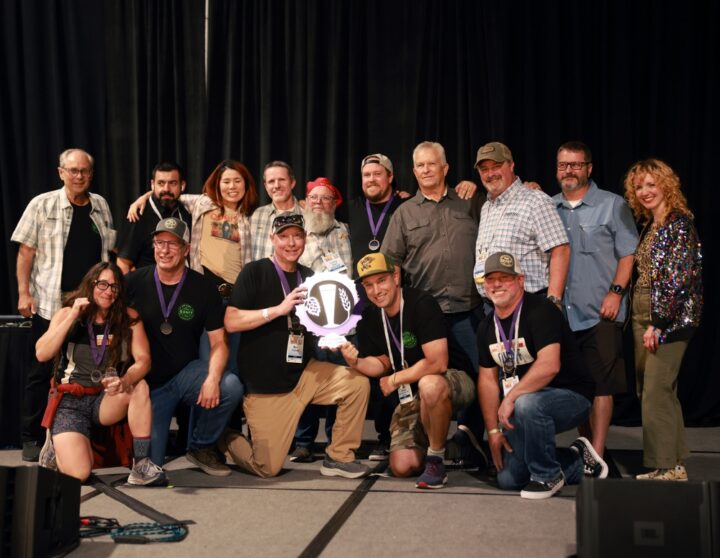
The leadership of Harr and Pereira will be bolstered by the NHC Subcommittee, currently led by prominent AHA members Sandy Cockerham and Amanda Burkemper. This committee-based structure ensures that the competition remains grounded in the volunteer spirit that has defined the AHA since its inception. Julia Herz, the Executive Director of the AHA, expressed significant confidence in the new leadership team, highlighting the collaborative effort required between volunteer judges, organizers, and the membership base.
The American Homebrewers Association itself is a cornerstone of the global brewing landscape. Founded in 1978 by Charlie Papazian, the author of the seminal "The Complete Joy of Homebrewing," the AHA has grown into an organization of tens of thousands of members. Its vision—"a homebrewer in every neighborhood and a homebrew club in every community"—is supported by a suite of resources including Zymurgy magazine, an extensive database of NHC-validated recipes, and advocacy efforts to protect the rights of homebrewers.
The AHA’s role in the NHC is to provide the platform and the standards, but the competition is ultimately fueled by the members. Membership is a prerequisite for entry, a policy that ensures the competition remains a benefit for those who support the association’s broader mission of education and advocacy.
Chronology and Key Dates for the 2026 Competition
The appointment of the new chairs comes at a critical juncture in the 2026 competition cycle. The AHA has established a clear timeline for prospective entrants to prepare their brews:
- February 3, 2026: Official entry registration opens. This is the period when brewers must secure their spots in the competition, which often fill up rapidly due to high demand.
- February 25, 2026: Entry registration closes. This three-week window is the only time hobbyists can commit their entries to the judging process.
- Spring 2026 (Dates TBD): Shipping and drop-off windows for entries. This phase requires intense logistical coordination from the NHC leadership to ensure that thousands of bottles arrive intact and are stored at appropriate temperatures.
- Judging Phase: Entries are evaluated in a series of rounds, typically beginning with regional judging sites before culminating in the final round.
- National Homebrewers Conference (Homebrew Con): The winners are traditionally announced during the Grand Banquet at the annual Homebrew Con, where the "Homebrewer of the Year," "Cidermaker of the Year," and "Meadmaker of the Year" titles are bestowed.
The AHA encourages brewers to begin their fermentation processes now, particularly for high-gravity beers, meads, and ciders that require extended aging periods to reach peak quality.
Broader Implications for the Homebrewing Community
The transition in NHC leadership reflects a broader trend toward professionalization and high-level certification within the hobby. By appointing individuals with BJCP National-level aspirations and university-level teaching experience, the AHA is signaling that the NHC will continue to prioritize the highest standards of sensory analysis. This is crucial as the gap between "amateur" and "professional" brewing continues to blur.
Furthermore, the emphasis on a "member-driven" association highlights a strategic shift toward community engagement. In an era where digital resources are plentiful, the AHA is doubling down on the value of physical competitions and peer-reviewed feedback. The NHC serves as a vital touchstone for homebrew clubs, which often use the competition as a benchmark for their collective progress.
The economic and cultural impact of the NHC should not be underestimated. The competition drives innovation in the hobbyist market, influencing the types of ingredients and equipment that homebrewers purchase. When a specific style—such as a Hazy IPA or a traditional Gose—performs well at the NHC, it often leads to a surge of interest in those styles at the local club level and eventually in the commercial craft sector.
As Charlie Harr and Jen Pereira take the helm, the homebrewing world looks toward 2026 with a sense of anticipation. Their combined expertise in operations and education provides a stable foundation for the NHC to continue its legacy as the premier stage for fermented excellence. With the entry window approaching in early 2026, the global community of fermenters is already at their kettles and carboys, aiming for a chance to be recognized on the NHC stage.