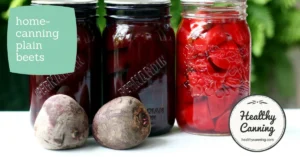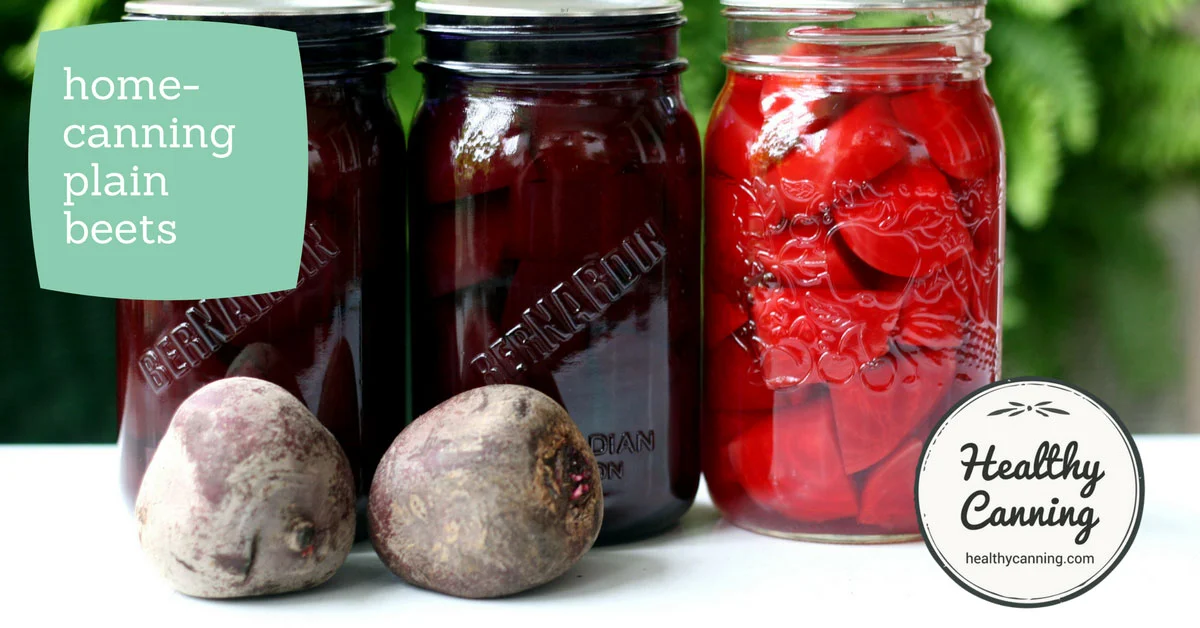

The home preservation of plain beets, known as beetroot in many regions outside North America, represents a significant intersection of culinary tradition and rigorous food safety science. While canned beets offer a versatile and nutritious addition to the modern pantry, their status as a low-acid vegetable necessitates a strict adherence to pressure canning protocols to mitigate the risk of foodborne illness. According to the United States Department of Agriculture (USDA) and the National Center for Home Food Preservation (NCHFP), the only safe method for canning plain beets is through the use of a pressure canner. This requirement is non-negotiable, as the dense, alkaline nature of the root vegetable provides an ideal environment for the growth of Clostridium botulinum if not processed at temperatures exceeding the boiling point of water.
The Critical Science of Pressure Canning vs. Water Bathing
To understand the necessity of pressure canning, one must examine the biological profile of the beet. As a root vegetable grown in soil, beets are naturally exposed to various microorganisms, including the spores of Clostridium botulinum. These spores are highly resistant to heat and can survive in boiling water (212°F or 100°C) for extended periods. In the anaerobic (oxygen-free) environment of a sealed canning jar, these spores can germinate and produce botulinum toxin, one of the most lethal substances known to medical science.

The USDA emphasizes that water bath canning—a method suitable for high-acid foods like pickles or fruits—is insufficient for plain beets. Between 1990 and 2012, public health records in the United States documented at least ten cases of botulism directly linked to home-canned beets that were processed using a water bath rather than a pressure canner. By utilizing a pressure canner, home processors can reach internal temperatures of 240°F (116°C), which is the threshold required to destroy botulinum spores in low-acid foods.
Preparation and Quantities: From Harvest to Jar
Successful canning begins with the selection of high-quality produce. For the best results, gardeners and consumers should look for young, tender beets. As beets exceed three inches (approximately 7.5 cm) in diameter, they often become fibrous and woody, which negatively impacts the texture of the finished product.
In terms of quantity, home canners should plan for approximately 1.25 kilograms (3 lbs) of beets per one-liter (US quart) jar. A standard load of 10 medium-sized beets, weighing roughly 2 kilograms (4.5 lbs) with skins intact, serves as a reliable baseline for calculating yield. It is important to note that the preparation of the beet root is distinct from the preparation of beet greens. While the greens are edible and can be canned, they must be processed separately using specific guidelines for leafy greens to ensure adequate heat penetration.
The Chronology of Safe Processing
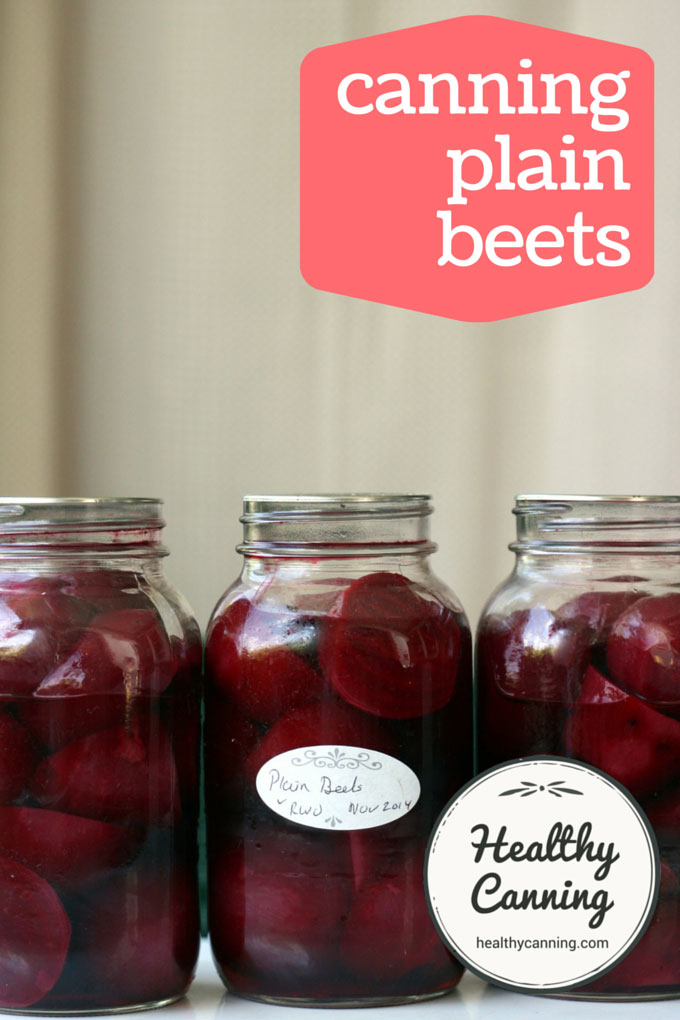
The procedure for canning plain beets follows a specific chronological sequence designed to maximize safety and aesthetic quality:
- Pre-cooking and Peeling: Beets must be pre-cooked until the skins can be easily removed. To minimize color loss, it is recommended to leave at least one inch (2.5 cm) of the stem and the entire taproot intact during this initial boil. The USDA requires that all beets be peeled before canning. This step is not merely for texture; it significantly reduces the bacterial load entering the jar.
- Temperature Management: The "Hot Pack" method is mandatory. Beets must be packed into jars while they are still warm. If the beets cool significantly during the peeling and slicing process, they should be reheated (via microwave or boiling water) before being placed in the jars.
- Jarring and Headspace: Beets can be packed whole (if under two inches in diameter), sliced, or cubed. Home canners must maintain a headspace of 3 cm (1 inch) at the top of the jar. This space is critical for allowing the contents to expand during the high-pressure processing without compromising the seal.
- The Addition of Liquid: Jars should be filled with fresh boiling water, leaving the required headspace. While salt may be added for seasoning (typically 1/2 teaspoon per pint or 1 teaspoon per quart), it is not a preservative in this context and may be omitted for those on sodium-restricted diets.
Technical Specifications and Altitude Adjustments
The processing time and pressure are determined by the jar size and the local altitude. For weighted-gauge pressure canners, the standard requirement is 10 pounds of pressure (69 kPa) at altitudes between 0 and 300 meters (0-1,000 feet). For those living at higher elevations, the pressure must be increased to 15 pounds to compensate for the lower boiling point of water.
The processing times are as follows:
- Half-litre (1 US pint) jars: 30 minutes.
- One-litre (1 US quart) jars: 35 minutes.
Using a dial-gauge canner requires similar adjustments, typically starting at 11 pounds of pressure (76 kPa) at sea level and increasing as altitude rises.
Historical Context and the Evolution of Safety Standards
The transition to mandatory pressure canning for beets was not instantaneous. As early as 1926, the USDA Farmers’ Bulletin No. 1471 warned of the "spoilage difficulties and the risk of poisoning" associated with water-bathing non-acid vegetables. Despite this, conflicting advice emerged during the mid-20th century. During World War II, metal rationing made pressure canners difficult to obtain. Consequently, some extension services published "Acid Method" instructions, suggesting that the addition of a small amount of vinegar would make water-bathing safe.
Modern food science has thoroughly debunked these historical "acidification" shortcuts. The amount of vinegar suggested in those vintage recipes was insufficient to lower the pH of the beets to a safe level (below 4.6). Today’s journalistic and scientific consensus remains firm: unless the beets are being fully pickled in a strong vinegar brine, they must be pressure canned.
Aesthetic Considerations: The Mystery of Fading Color
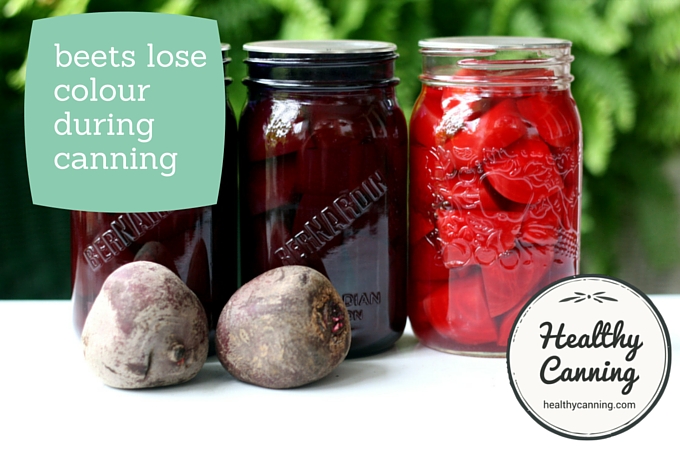
A common concern among home processors is the loss of the beet’s signature deep red hue during the canning process. The pigments responsible for this color, known as betalaines, are chemically sensitive to high temperatures. During the intense heat of pressure canning, these pigments can undergo a reversible transformation into a colorless compound.
Agricultural experts at the Penn State Extension note that this reaction is often temporary. In many instances, the color of the canned product will "return" or darken after the jars have sat at room temperature for several days. Varieties such as ‘Detroit Dark Red’ and ‘Formanova’ are recognized for their superior color retention. Furthermore, ensuring that the beets are peeled and that the roots and stems are left on during the pre-cooking stage can help mitigate initial bleeding.
Nutritional Profile and Culinary Implications
Home-canned beets are a nutritional powerhouse, retaining much of their mineral and vitamin content through the preservation process. A 250g serving (approximately 1 cup) of cooked, sliced beets contains roughly 124 calories, 30 grams of carbohydrates, and 4 grams of protein. They are an excellent source of dietary fiber and are virtually fat-free.

From a culinary perspective, having shelf-stable plain beets allows for rapid meal preparation. They can be quickly heated and served with traditional accompaniments like sour cream and dill, or tossed in fats such as olive oil or duck fat for roasting. They also serve as the foundational ingredient for more complex dishes, including Borscht, spicy beet curries, and maple-syrup roasted side dishes.
Official Responses and Expert Recommendations
The National Center for Home Food Preservation provides strict judging criteria for home-canned beets to ensure both safety and quality. According to their guidelines, the liquid in the jar should be "sparkling clear" with a red tint, and free from cloudiness or sediment, which could indicate spoilage. The beets themselves should be uniform in size and shape, free from any traces of skin, stems, or roots.
Expert consensus from organizations like the Penn State Extension and the USDA reinforces that the "safety-first" approach to canning is the only responsible path for home hobbyists. While the historical trail of illness from improper canning is long, it is also entirely preventable. By following contemporary, tested recipes and utilizing the correct equipment, home canners can enjoy the harvest of the summer months throughout the winter with total peace of mind.
Broader Impact on Food Security and Sustainability
The resurgence of interest in home canning reflects a broader societal shift toward food self-sufficiency and the reduction of food waste. By mastering the pressure canning of staples like beets, consumers reduce their reliance on industrial supply chains and can take advantage of local, seasonal gluts of produce. The ability to store nutrient-dense vegetables for up to a year without the need for refrigeration also contributes to household resilience. As climate variability affects growing seasons, the importance of reliable, science-based food preservation methods becomes increasingly vital for both rural and urban populations alike.