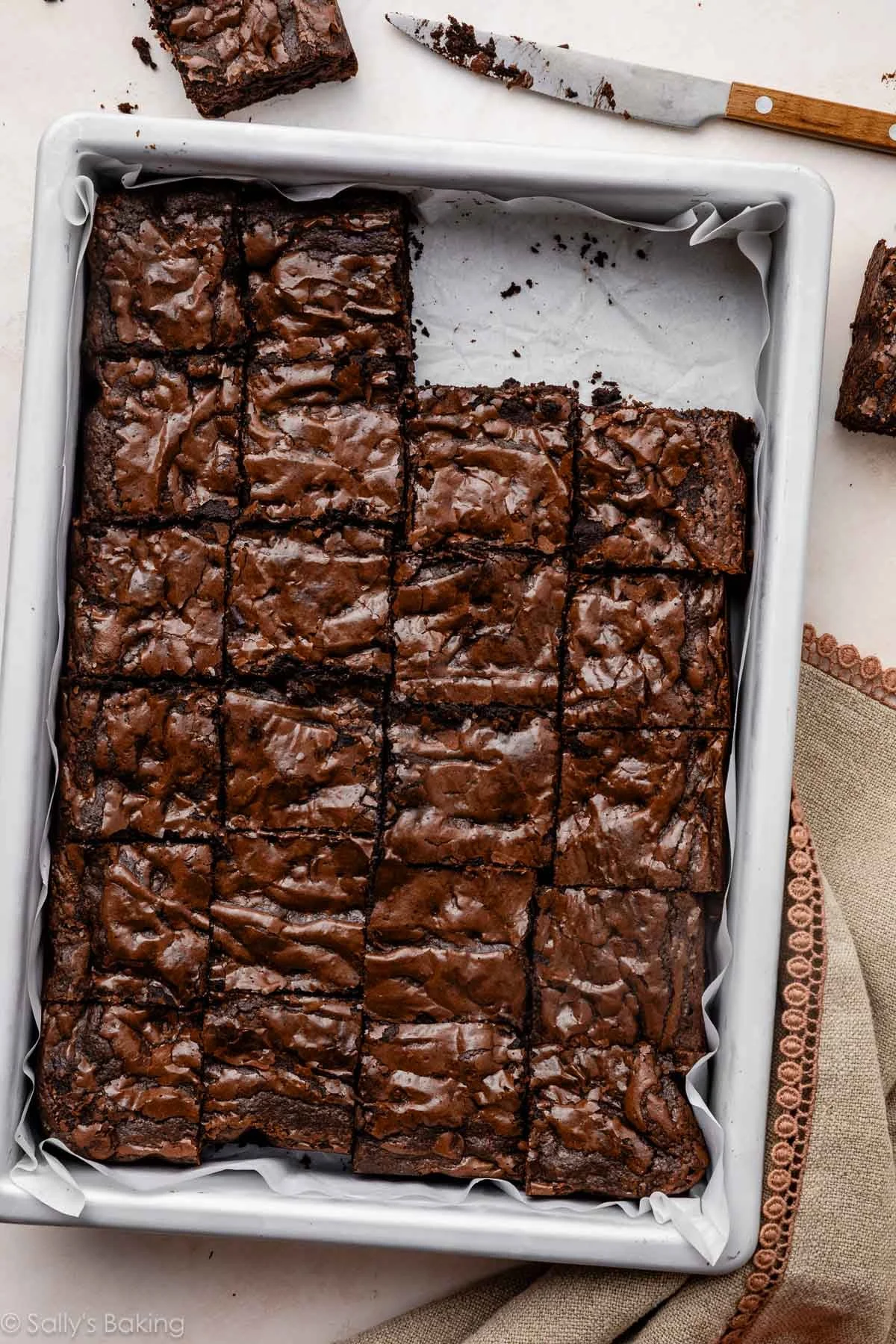

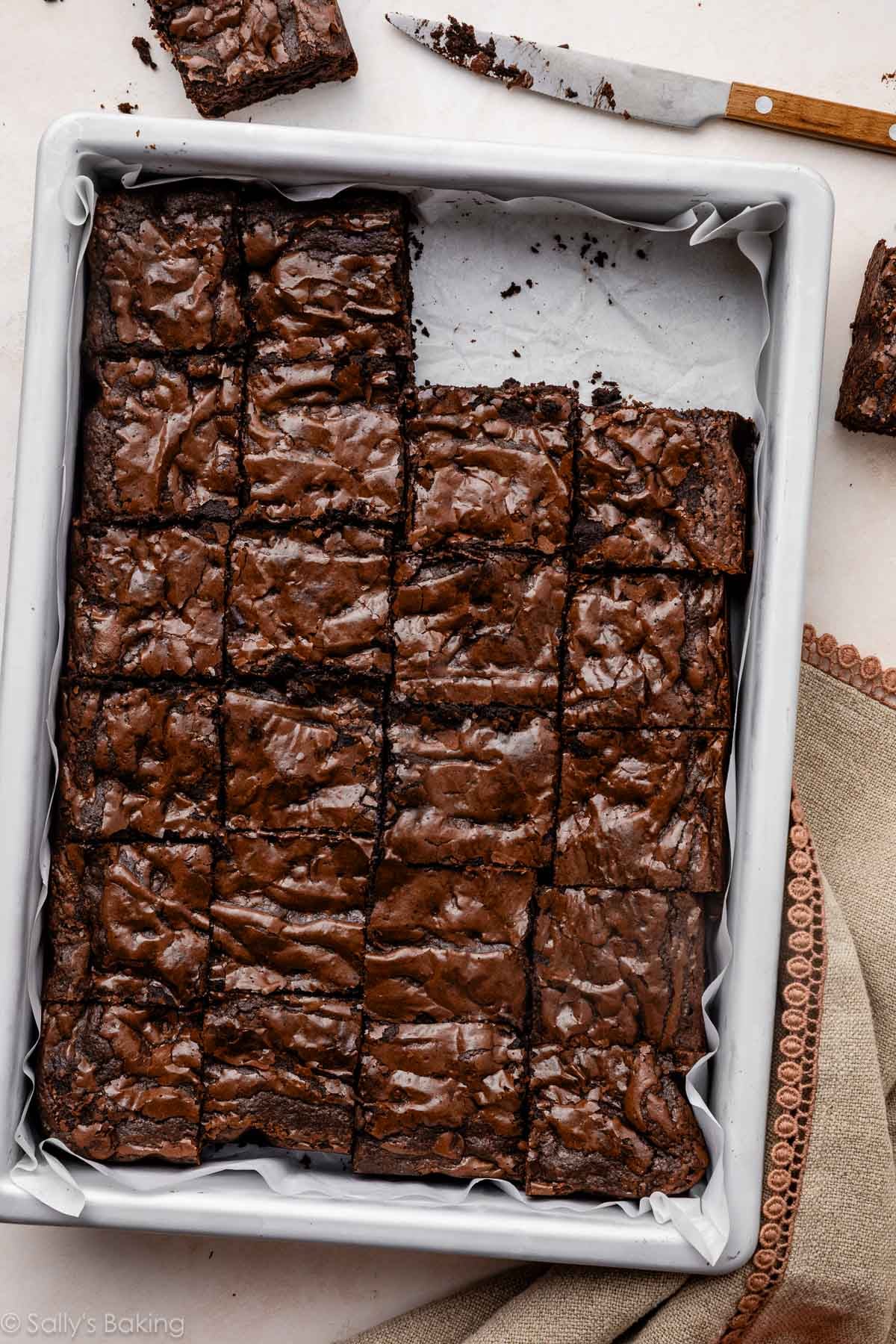
A meticulously developed recipe for a 9×13-inch pan of brownies has been unveiled, promising a large batch of rich, dense, and intensely chocolatey treats characterized by shiny crackly tops and melt-in-your-mouth centers. This new offering, derived from a popular existing brownie formula, aims to provide home bakers with an expanded version designed specifically for larger gatherings and sustained enjoyment, ensuring the coveted fudgy texture remains uncompromised. The culinary team behind this development emphasized a rigorous testing process to adapt the beloved recipe to a larger format without sacrificing its signature qualities, addressing a common challenge faced by home bakers attempting to scale down or scale up recipes.
The Enduring Appeal of the Brownie and the Challenge of Scale
The brownie, a ubiquitous staple in American desserts, holds a unique place in the culinary landscape. Its origins, though somewhat debated, are commonly traced back to the late 19th or early 20th century in the United States, evolving from a simple bar cookie to a diverse category encompassing everything from intensely fudgy to light and cakey variations. Its universal appeal lies in its straightforward preparation, portability, and comforting chocolate flavor. However, translating a recipe designed for a smaller pan, such as an 8×8 or 9×9-inch square, to a larger 9×13-inch rectangular pan presents specific challenges. Simple multiplication of ingredients often leads to unpredictable results, primarily affecting the crucial balance between fudginess and cake-like consistency.
Baking, at its core, is a science. The ratios of fat, sugar, flour, and eggs, alongside the methods of mixing and baking temperatures, all contribute significantly to the final texture and structure of a baked good. When increasing the volume of a batter for a larger pan, factors such as surface area to volume ratio, heat distribution, and moisture evaporation change. A thinner layer of batter in a larger pan might bake faster and dry out, leading to a cakey texture, while a simple increase in all ingredients might result in an overly dense or greasy product if not correctly balanced. The demand for reliable large-batch recipes has grown, driven by home entertaining, community events like bake sales and potlucks, and the desire for convenient freezer-friendly desserts. This new 9×13-inch brownie recipe directly addresses this need, positioning itself as a dependable solution for occasions requiring a more generous yield.
A Rigorous Development Process: Achieving Large-Batch Perfection
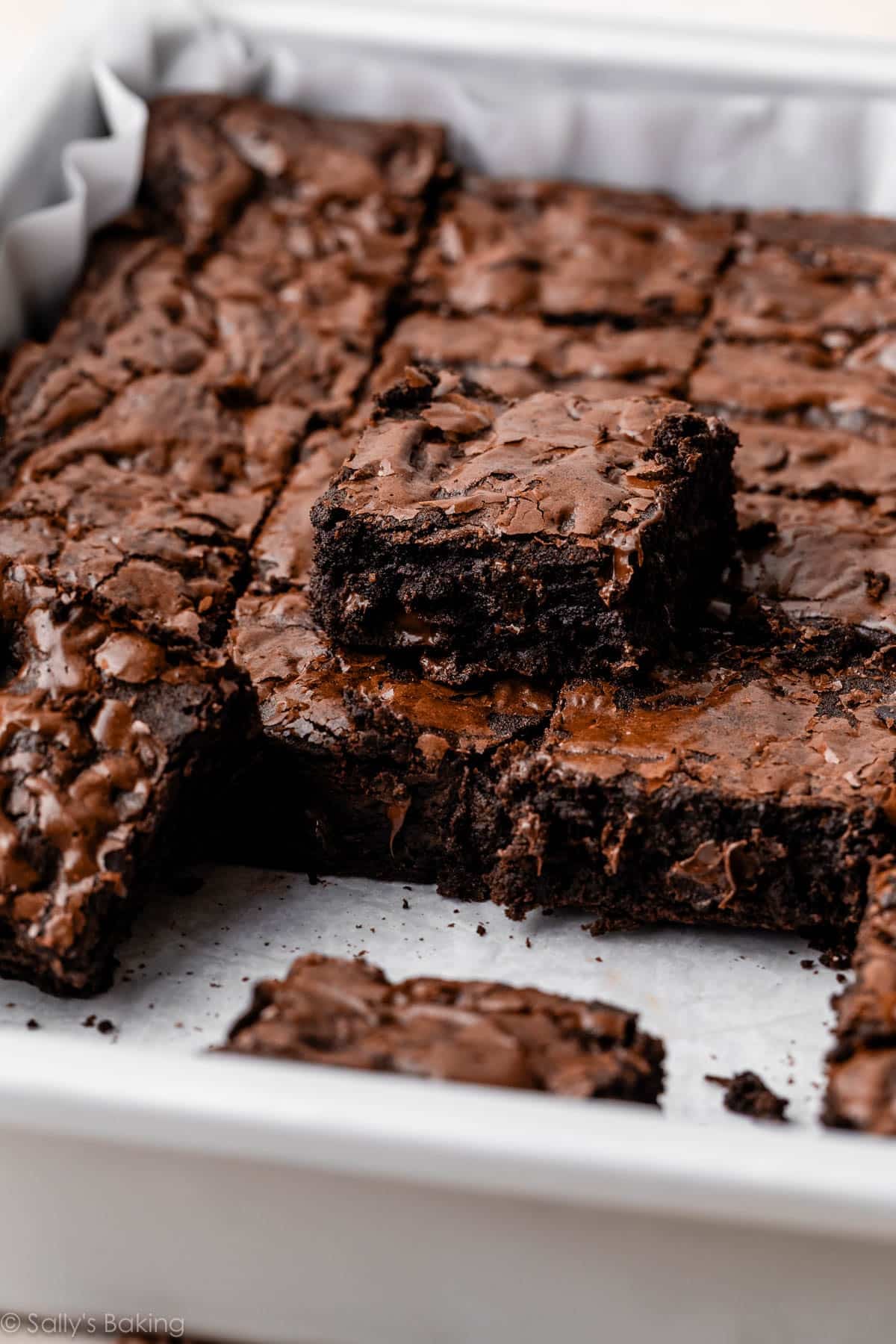
The development of this particular 9×13-inch brownie recipe was far from a simple mathematical conversion. The culinary team embarked on an extensive research and development phase, conducting an impressive fifteen test batches to perfect the formula. This iterative process highlights a commitment to precision, acknowledging that scaling a recipe requires more than just proportional adjustments. The starting point was a "reader-favorite" brownie recipe, celebrated for its intensely fudgy texture and rich chocolate flavor when baked in a smaller pan. The objective was to maintain these exact characteristics while increasing the overall volume.
Initially, when the base recipe was first published in 2017, it was indeed baked in a 9×13-inch pan, but the resulting brownies were deemed "a bit thin." This observation led the original recipe developer to recommend a smaller pan for a thicker, more satisfying brownie. However, recognizing the persistent demand for a robust large-batch option, the team revisited the challenge. Their detailed testing revealed that a straightforward 1.5x or even 1.44x (the actual area difference between a 9×13-inch pan and a 9×9-inch pan) multiplication of ingredients from the smaller recipe did not yield the desired results. Instead, it often led to brownies that veered towards a drier, cakey consistency—a common pitfall when attempting to scale recipes without a deep understanding of ingredient interactions.
The key to preserving the signature fudgy texture in the larger format lay in carefully adjusting the ratios of specific ingredients. The team focused on maintaining a high fat content, incorporating both melted butter and a neutral oil, which contribute to moisture and tenderness. A precise balance of sugars, including both granulated and brown sugar, was also critical for texture and flavor development. Additionally, the strategic use of Dutch-process cocoa powder and high-quality unsweetened chocolate ensured a deep, rich chocolate profile without excessive bitterness. The culmination of this extensive testing was a recipe that successfully delivered large-batch brownies with chewy edges, melt-in-your-mouth middles, and the coveted tissue-thin, shiny crackly top—a hallmark of expertly crafted brownies.
Key Ingredients and Their Multifaceted Roles in Brownie Alchemy
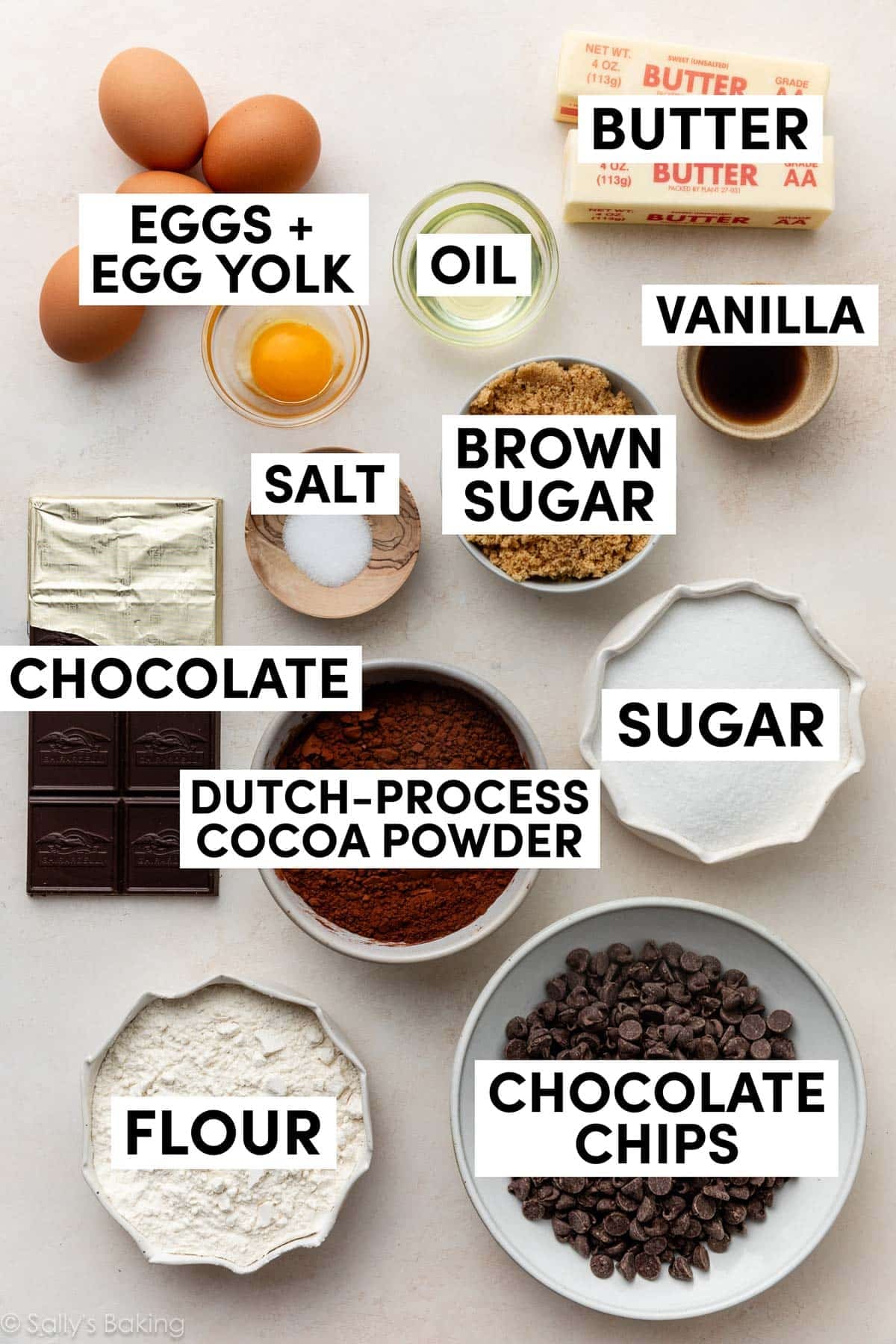
The success of these brownies is attributed to the thoughtful selection and precise measurement of its core ingredients, each playing a specific role in achieving the desired texture and flavor profile.
- Eggs: Beyond binding the ingredients, eggs contribute significantly to the structure and moisture of the brownies. When whipped with sugar, as is recommended in this recipe, they incorporate air, which is crucial for the crackly top and contributes to a lighter, yet still dense, crumb. The "ribbon stage" for eggs and sugar, where the mixture falls in a continuous stream that forms visible ribbons on the surface before slowly disappearing, indicates optimal aeration and sugar dissolution, essential for the brownie’s characteristic sheen and chewy texture.
- Unsalted Butter: As a primary fat source, butter provides richness, flavor, and moisture. Its melting point contributes to the tender, melt-in-your-mouth quality of the brownies. Using unsalted butter allows the baker to control the overall salt content of the recipe.
- Granulated Sugar & Brown Sugar: The combination of these two sugars is strategic. Granulated sugar aids in creating the desirable shiny, crackly top through the Maillard reaction and caramelization on the surface. Brown sugar, with its molasses content, adds moisture, a subtle caramel note, and contributes to the chewiness and fudgy texture of the interior. The interplay between these sugars is vital for both the aesthetic and textural perfection of the brownie.
- Dutch-Process Cocoa Powder: Unlike natural cocoa powder, Dutch-process cocoa is treated with an alkali to neutralize its acidity. This results in a darker color and a smoother, less bitter chocolate flavor. In brownies, it contributes to a deep, intense chocolate taste without making the product overly dry, as its reduced acidity means it doesn’t react as strongly with baking soda (if used).
- Unsweetened Chocolate: The inclusion of melted unsweetened chocolate alongside cocoa powder is a hallmark of truly rich brownies. It provides a robust, complex chocolate flavor and a significant amount of cocoa butter, which enhances the fudginess and density. The quality of this chocolate directly impacts the overall flavor of the final product.
- Neutral Oil (e.g., Vegetable Oil): The addition of a neutral oil alongside butter is a clever technique. Oil remains liquid at room temperature, contributing to a consistently moist and tender crumb that stays soft for longer. It also helps to prevent the brownies from drying out and can enhance the fudgy texture, providing a slight textural difference from butter alone.
- All-Purpose Flour: Used sparingly to prevent a cakey texture, flour provides the necessary structure. Precise measurement is critical; over-measuring flour is a common cause of dry, cakey brownies. The recommendation to weigh or "spoon and level" flour underscores the importance of accuracy.
- Vanilla Extract & Salt: These ingredients are flavor enhancers. Vanilla rounds out the chocolate flavor, adding depth and complexity, while salt balances the sweetness and intensifies the perception of chocolate.
Methodology and Best Practices for Optimal Baking
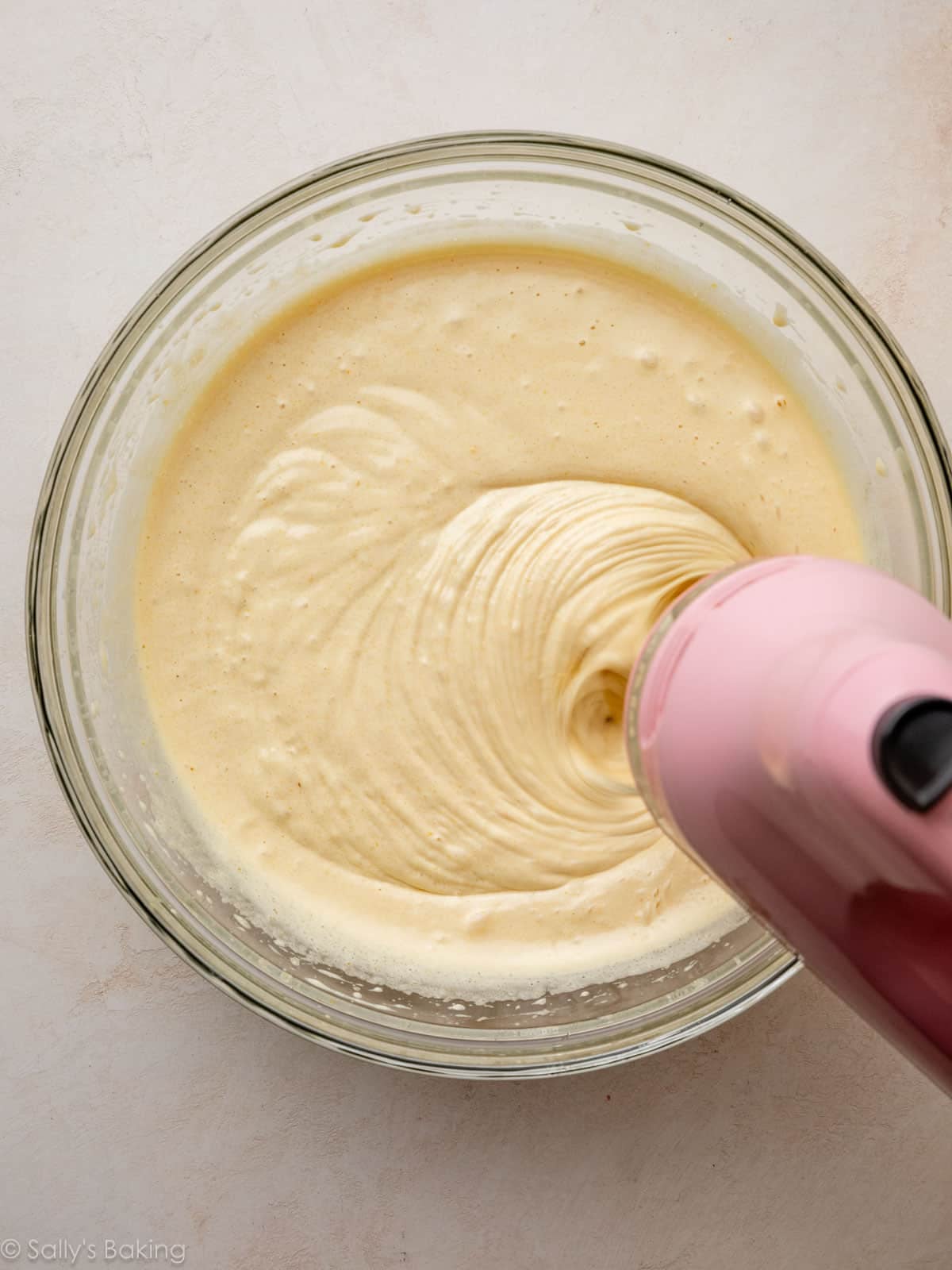
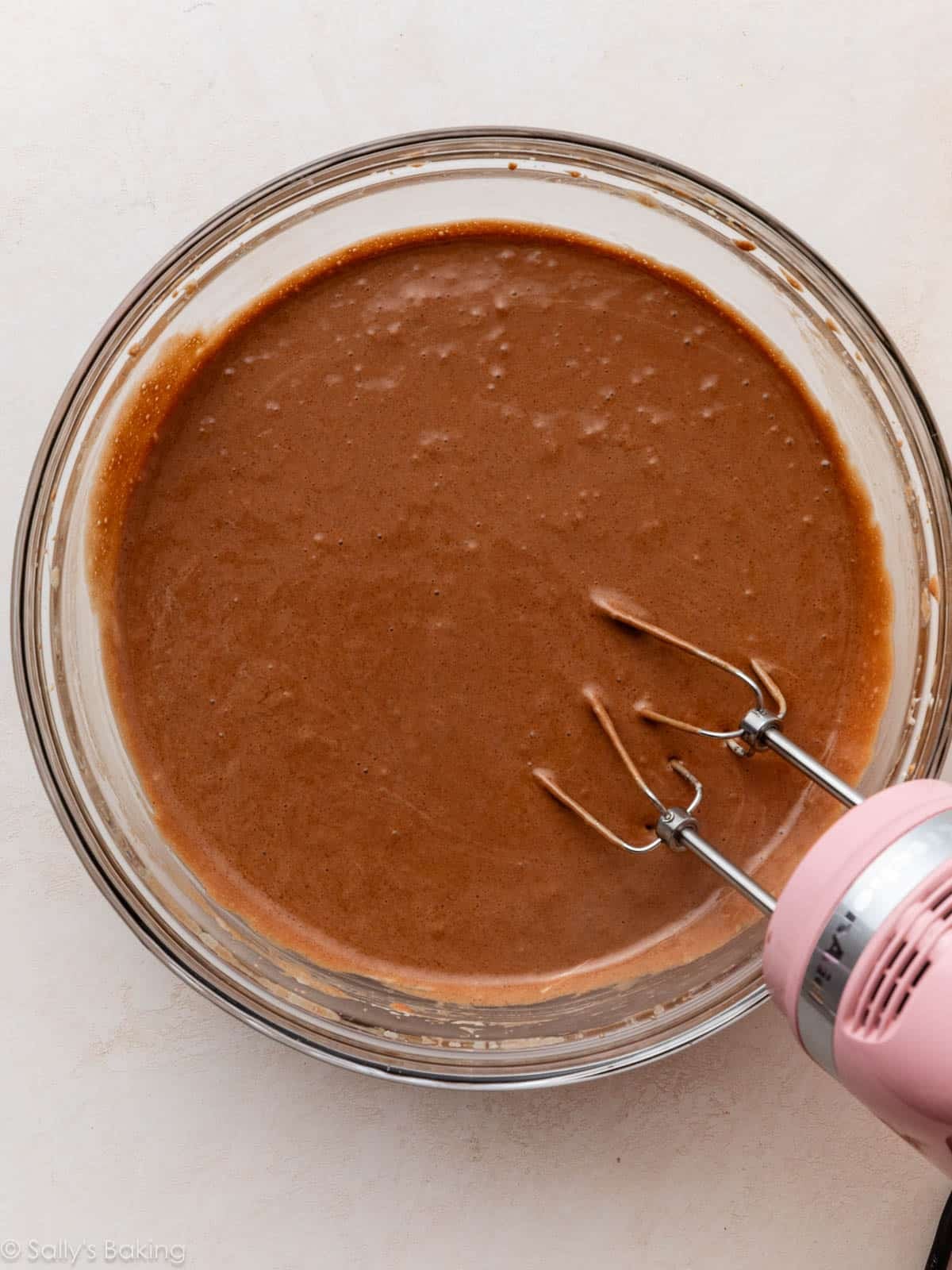
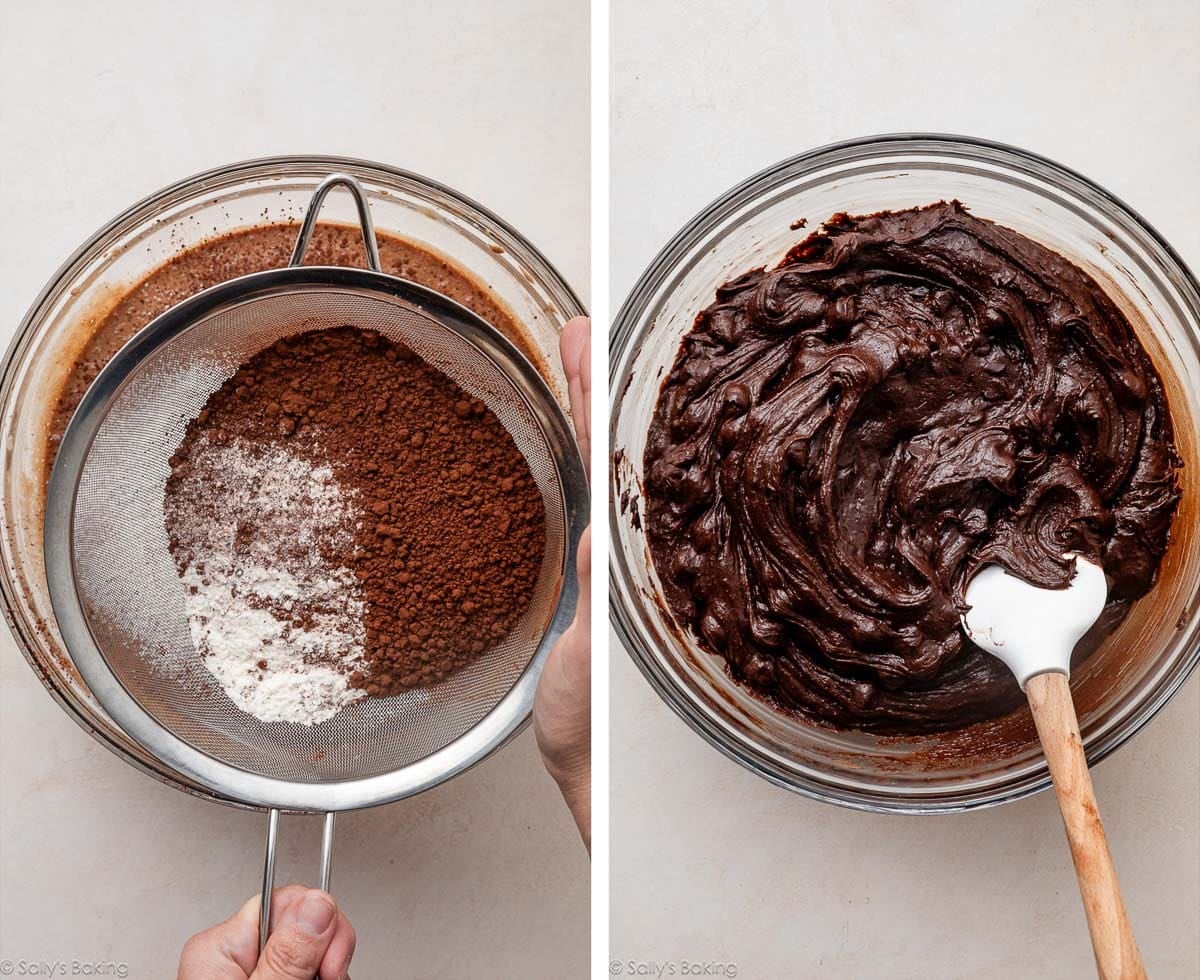
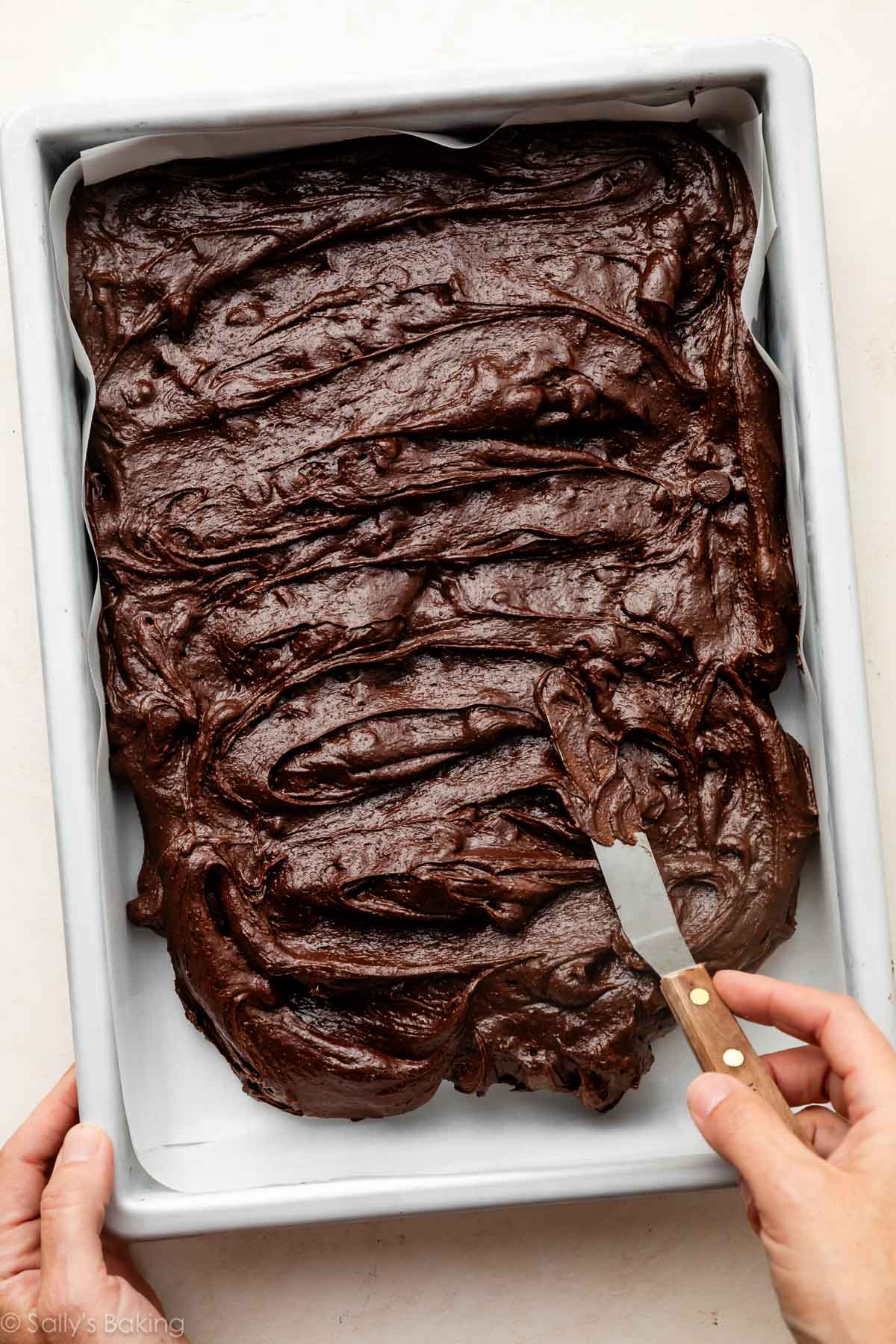
The detailed instructions provided with the recipe emphasize specific techniques that are critical for achieving the desired results. Whipping the eggs and sugars to the "ribbon stage" is a foundational step, incorporating air and ensuring proper sugar dissolution, which contributes to both the texture and the coveted crackly crust. The careful integration of melted chocolate and butter, followed by oil and vanilla, ensures a smooth, emulsified base. Sifting dry ingredients prevents lumps and ensures even distribution. Finally, folding in chocolate chips adds pockets of melty chocolate, enhancing the overall experience.
Pan Selection: A Crucial Element in Heat Transfer
The choice of baking pan is often overlooked but plays a significant role in the outcome of brownies. The recipe explicitly recommends using a light-colored metal baking pan. Metal pans are excellent conductors of heat, distributing it quickly and evenly, which promotes consistent baking and avoids hot spots that can lead to unevenly cooked brownies. Light-colored metal reflects heat, preventing the edges from over-baking and becoming tough or dry before the center is done.
Conversely, dark-colored metal pans absorb more heat, often causing the edges of baked goods to cook too quickly and potentially burn. Glass pans, while popular, are not ideal for brownies. They heat slowly and, more critically, retain heat for a longer duration. This often results in brownies where the edges are over-baked and overly chewy, while the center struggles to cook through evenly. The thermal properties of the pan directly influence the rate of heat transfer to the batter, making the correct pan a critical component in achieving the perfect fudgy brownie.
Determining Doneness: The Art of Precision
Identifying when brownies are perfectly baked can be challenging, as under-baking leads to a gooey mess and over-baking results in dryness. For this large-batch recipe, specific indicators are provided:
- Visual Cues: The brownies should appear mostly set, but the center may still have a slight jiggle. The edges should be visibly set and slightly pulled away from the pan. The surface should exhibit the characteristic shiny, crackly top.
- Toothpick Test: A toothpick inserted into the center should emerge with moist crumbs attached, but not wet batter. This indicates that the proteins and starches have set, but sufficient moisture remains for a fudgy interior.
- Temperature: For the most accurate assessment, an instant-read thermometer inserted into the center should register between 200-205°F (93-96°C). This temperature range ensures the brownies are cooked through without being over-baked.
Crucially, the recipe emphasizes the importance of allowing the brownies to cool completely before cutting. This cooling period is not merely for convenience; it is essential for the internal structure to fully set and for the flavors and textures to meld and intensify. Warm brownies, while tempting, will be softer and more prone to crumbling, making clean slices difficult. The residual heat continues to cook the brownies gently during the initial cooling phase, contributing to their final fudgy consistency.
Broader Implications and Culinary Contributions
This meticulously developed 9×13-inch brownie recipe represents more than just an expanded version of a popular dessert; it signifies a commitment to precision in home baking and addresses a significant practical need. For busy individuals and families, a reliable large-batch recipe means less frequent baking for gatherings, bake sales, or simply stocking the freezer for future treats. It offers a consistent, high-quality product that rivals bakery standards, empowering home bakers with confidence.
Furthermore, the transparent discussion of the recipe development process—including the fifteen test batches and the scientific rationale behind ingredient adjustments—serves as an educational resource. It demystifies the complexities of scaling recipes and highlights the importance of understanding the fundamental principles of baking. By providing a dependable solution to the "fudgy vs. cakey" dilemma in a larger format, this recipe contributes to the growing body of reliable culinary resources available to the home cooking community. It underscores the idea that with careful formulation and rigorous testing, even seemingly simple comfort foods can be elevated to consistent perfection, making delicious homemade treats accessible to a wider audience and for a broader range of occasions.