
Globally, coffee stands as one of the planet’s most cherished beverages, with an astonishing over 2 billion cups savored daily. For a vast segment of the population, it forms an integral part of their daily ritual, whether it’s the comforting warmth of a morning brew or the invigorating post-meal pick-me-up. Much of coffee’s pervasive appeal can be attributed to caffeine, a naturally occurring stimulant celebrated for its ability to sharpen alertness and assuage feelings of fatigue. However, the influence of caffeine extends far beyond the familiar coffee cup, permeating a diverse array of products and offering a spectrum of effects that often go unrecognized.
Caffeine is not an exclusive component of coffee; its presence is widespread. It is a key constituent in teas, chocolate, and a multitude of packaged foods and beverages. From chewing gum and jelly beans to energy drinks and snack bars, caffeine has become a ubiquitous ingredient in modern consumer goods. While its immediate energizing effect is widely understood, a deeper exploration reveals a fascinating array of less-known facts about this ubiquitous compound.
This article delves into five surprising revelations about caffeine, shedding light on its multifaceted impact on human health and physiology, moving beyond its reputation as merely a wake-up aid.
Unveiling the Protective Potential: Caffeine and Skin Cancer Risk
While the primary reason many reach for their morning coffee is to combat drowsiness, emerging research suggests that regular caffeine consumption may offer unexpected benefits in mitigating the risk of certain types of skin cancer. This correlation, while not a definitive preventative measure, warrants attention within the broader context of skin health strategies.
Studies have indicated a potential link between higher caffeine intake and a reduced incidence of basal cell carcinoma (BCC), the most prevalent form of skin cancer. A significant observational study, for instance, found that women who consumed more than three cups of coffee daily exhibited a lower risk of developing BCC compared to those with minimal coffee consumption. Similarly, men who reported higher caffeine intake also demonstrated a comparable reduction in risk.

Furthermore, preliminary research has explored caffeine’s association with a diminished risk of melanoma, the most aggressive and life-threatening form of skin cancer. It is crucial to emphasize, however, that caffeine is but one variable in a complex equation of skin cancer etiology. Factors such as cumulative sun exposure, genetic predispositions, and broader lifestyle habits remain paramount in determining an individual’s risk profile. Dermatologists consistently advise a comprehensive approach to sun protection, including the use of sunscreen, protective clothing, and avoidance of peak UV hours, regardless of dietary choices.
The scientific community continues to investigate the precise mechanisms by which caffeine might exert these protective effects on the skin. Potential avenues of research include caffeine’s antioxidant properties and its capacity to influence cellular repair processes. However, it is vital for consumers to understand that these findings are based on correlational studies and do not establish causality. Relying solely on caffeine for skin cancer prevention would be ill-advised.
Debunking the Stunted Growth Myth: Caffeine’s Impact on Development
One of the most persistent and widely circulated myths surrounding caffeine is its supposed ability to stunt growth, particularly among children and adolescents. This concern, often passed down through generations, lacks robust scientific substantiation. Extensive research has failed to provide credible evidence supporting the claim that caffeine directly inhibits bone growth or impedes physical development.
While it is true that caffeine can have a minor, transient effect on calcium excretion, this loss is generally not substantial enough to interfere with normal growth patterns when caffeine intake remains moderate. The myth likely stems from historical anxieties concerning coffee consumption and bone health, which have largely been addressed by contemporary scientific understanding. Modern evidence does not support the notion that caffeine limits overall physical development.
The key takeaway from scientific consensus is the principle of moderation. Excessive consumption of any substance, including caffeine, can potentially lead to adverse effects. However, for the vast majority of individuals, the level of caffeine typically consumed through beverages like coffee and tea is unlikely to pose a threat to their physical maturation. Pediatricians and health organizations generally advise limiting caffeine intake for children and adolescents, not due to growth concerns, but rather to avoid potential disruptions to sleep patterns and to mitigate the risk of excessive stimulant intake.
The Neurochemical Dance: How Caffeine Rewires Brain Activity
The palpable sensation of increased alertness and reduced fatigue experienced after consuming caffeine is a direct consequence of its intricate interaction with the brain’s neurochemistry. Caffeine’s primary mechanism of action involves its molecular similarity to adenosine, a neurotransmitter that plays a crucial role in regulating sleep-wake cycles.

In the brain, adenosine binds to specific receptors, signaling a state of relaxation and promoting feelings of tiredness. Caffeine, acting as an antagonist, effectively blocks these adenosine receptors. By occupying these sites without activating them, caffeine prevents adenosine from exerting its calming influence, thereby promoting wakefulness and enhancing cognitive functions. This blockade is the fundamental reason behind caffeine’s ability to sharpen focus, improve concentration, and boost mental clarity.
Beyond its interaction with adenosine, caffeine also stimulates the central nervous system, leading to an increased release of adrenaline, the body’s primary "fight or flight" hormone. This surge in adrenaline can contribute to a heightened sense of energy, an elevated heart rate, and a general state of physiological preparedness. Furthermore, caffeine can influence the levels of dopamine, a neurotransmitter associated with pleasure, motivation, and mood regulation. This interplay of neurochemical changes helps explain why many individuals report feeling more productive, alert, and even experiencing a temporary mood uplift after their caffeine fix.
However, the sensitivity to these effects varies significantly among individuals. For some, excessive caffeine intake can manifest as unpleasant side effects such as jitters, anxiety, nervousness, and restlessness. Understanding one’s personal tolerance is crucial for optimizing the benefits of caffeine while minimizing potential drawbacks.
Sustaining Cognitive Vitality: Caffeine’s Role in Age-Related Brain Health
Emerging research suggests that caffeine may offer more than just a temporary cognitive boost; it could also play a supportive role in maintaining brain health as individuals age. Several studies have posited a link between regular caffeine consumption and a reduced risk of cognitive decline, as well as a lower incidence of neurodegenerative diseases such as Alzheimer’s disease.
Observational studies have indicated that older adults who regularly consume caffeine may exhibit superior performance in cognitive domains like memory recall, planning abilities, and sustained attention compared to their non-caffeinated counterparts. Some research has even suggested that individuals who regularly drink coffee may have a statistically lower risk of developing Alzheimer’s disease when compared to those who consume little to no coffee.
The potential neuroprotective mechanisms of caffeine are a subject of ongoing scientific inquiry. One promising avenue of investigation is caffeine’s anti-inflammatory properties within the brain. Chronic inflammation is increasingly recognized as a significant contributor to the progression of neurodegenerative conditions. Additionally, some researchers hypothesize that caffeine might play a role in reducing the accumulation of specific proteins, such as amyloid-beta plaques, which are hallmarks of Alzheimer’s disease pathology.
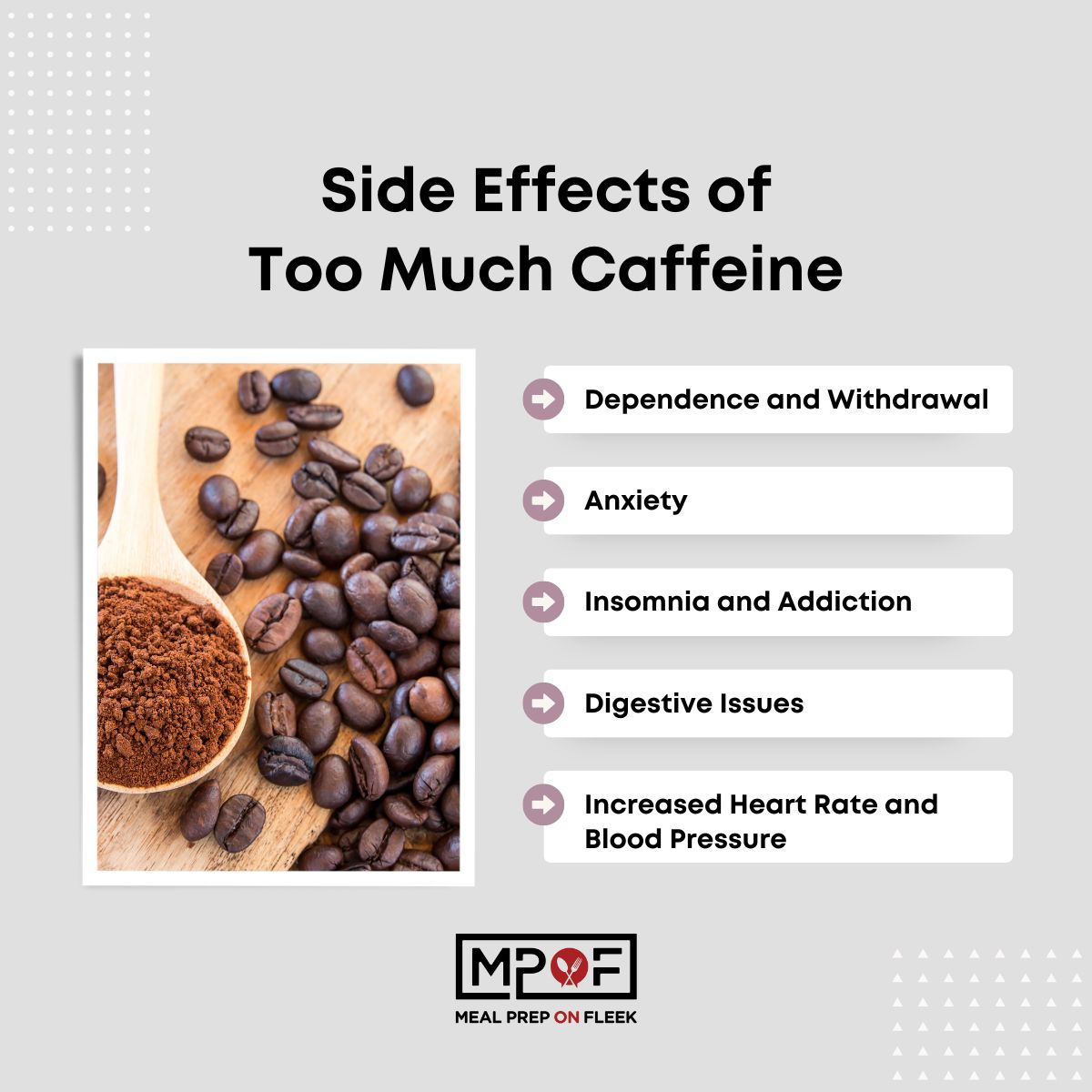
While these findings are encouraging, it is imperative to underscore that caffeine is not a panacea or a direct treatment for cognitive decline or neurodegenerative diseases. Rather, its potential protective effects are an area of growing scientific interest, highlighting the complex relationship between lifestyle factors and long-term brain well-being. Continued research is necessary to fully elucidate these connections and to determine optimal intake levels for potential cognitive benefits.
Beyond the Buzz: The Nutritional Bounty of Coffee
The allure of coffee extends far beyond its stimulating properties. A single cup of this widely consumed beverage is a source of various micronutrients and potent antioxidants that can contribute to overall health and well-being. While often viewed primarily through the lens of its caffeine content, coffee’s nutritional profile reveals a more complex and beneficial composition.
A typical cup of brewed coffee can provide small but notable amounts of essential vitamins and minerals, including riboflavin (vitamin B2), pantothenic acid (vitamin B5), potassium, manganese, niacin (vitamin B3), and thiamine (vitamin B1). These nutrients play vital roles in numerous bodily functions, including energy production, metabolic processes, nerve function, and general cellular health.
Perhaps more significantly, coffee is a rich source of antioxidants, particularly chlorogenic acids and melanoidins. Antioxidants are compounds that help protect the body’s cells from damage caused by free radicals, unstable molecules that can contribute to oxidative stress and are implicated in the development of chronic diseases. For many individuals, coffee represents one of the most substantial sources of dietary antioxidants, contributing significantly to their daily intake.
However, the health implications of coffee consumption are not uniform and are heavily influenced by preparation and consumption methods. A simple, black cup of coffee offers a different nutritional and caloric profile compared to elaborately prepared beverages laden with sugar, syrups, whipped cream, and other high-calorie additives. These sweetened concoctions can negate the potential health benefits of coffee and contribute to excess sugar intake, which is linked to various adverse health outcomes. Therefore, mindful preparation and consumption are key to maximizing coffee’s potential advantages.
Important Considerations for Caffeine Consumption
While the potential benefits of caffeine are intriguing, it is crucial to approach its consumption with an understanding of individual variability and the principle of moderation. Caffeine sensitivity differs significantly from person to person. Some individuals can consume multiple cups of coffee throughout the day with minimal adverse effects, while others may experience anxiety or sleep disturbances after consuming even a single serving.
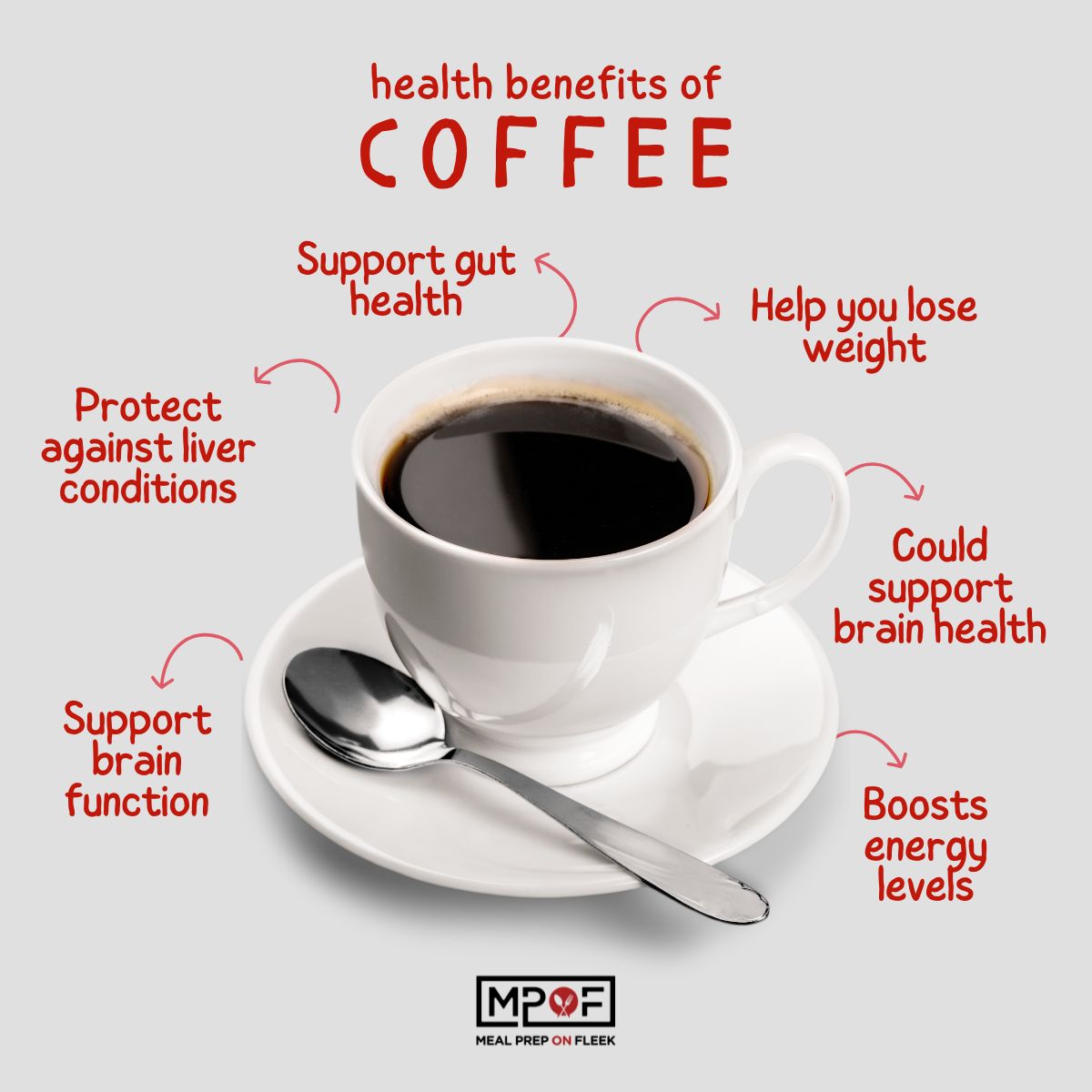
Excessive caffeine intake can trigger a range of undesirable side effects, including:
- Anxiety and Nervousness: Overstimulation of the central nervous system can lead to feelings of unease and jitteriness.
- Insomnia: Caffeine’s wakefulness-promoting effects can disrupt natural sleep patterns, making it difficult to fall asleep or stay asleep.
- Digestive Issues: For some, caffeine can stimulate the digestive system, leading to discomfort or an increased urge to use the restroom.
- Increased Heart Rate and Palpitations: Caffeine’s stimulant properties can cause a temporary increase in heart rate and, in sensitive individuals, may lead to noticeable heart palpitations.
- Headaches: While caffeine can alleviate some headaches, withdrawal from regular high intake can trigger rebound headaches.
- Dependency and Withdrawal: Regular, high caffeine consumption can lead to physical dependency, with withdrawal symptoms such as fatigue, irritability, and headaches occurring upon cessation.
For the majority of healthy adults, moderate caffeine intake is generally considered safe and may even confer some health advantages. A daily intake ranging from 200 to 300 milligrams is often cited as a reasonable and safe guideline, although individual tolerance levels can vary considerably. This equates to approximately two to three standard cups of coffee, depending on the brew strength and bean type. Pregnant and breastfeeding individuals, as well as those with certain pre-existing health conditions, are often advised to limit or avoid caffeine and should consult with their healthcare providers for personalized recommendations.
Conclusion: A Complex Compound for a Balanced Lifestyle
Caffeine, a ubiquitous substance in our daily lives, possesses a complexity that extends far beyond its well-known ability to enhance alertness and provide an energy boost. Emerging scientific inquiry is continually revealing a broader spectrum of potential benefits, ranging from a possible reduction in the risk of certain skin cancers to supportive roles in age-related brain health and cognitive function. Moreover, coffee, a primary vehicle for caffeine consumption, also contributes a valuable array of micronutrients and antioxidants to the diet.
The widespread presence of caffeine in various food and beverage products, from teas and chocolates to energy drinks and even some processed foods, underscores its pervasive influence in modern society. However, as with most substances that affect human physiology, the principle of moderation is paramount. Understanding personal sensitivity, being mindful of consumption levels, and prioritizing healthier preparation methods are crucial for harnessing the potential advantages of caffeine while mitigating its potential drawbacks.
When consumed responsibly and within appropriate limits, caffeine can be a valuable and enjoyable component of a balanced and healthy lifestyle for many adults, contributing not just to immediate energy but also to a more nuanced understanding of its long-term physiological impacts.
Article Courtesy Of Freid Coffee