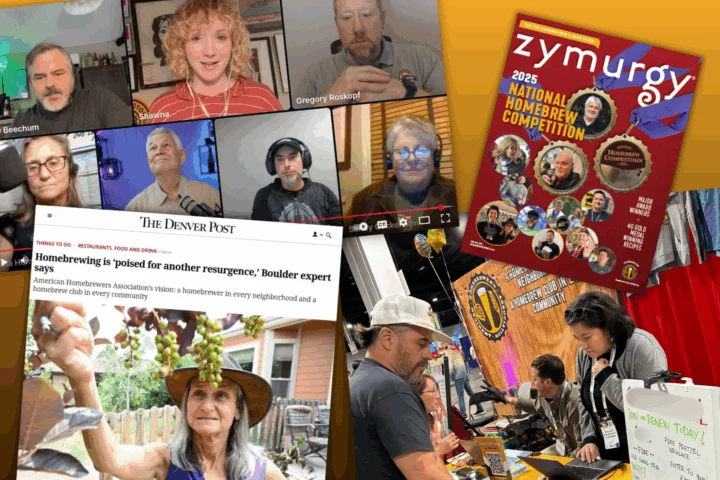

The American Homebrewers Association (AHA) has officially entered a new era of operational independence, marking 2025 as a watershed year for the organization that has served as the backbone of the hobbyist brewing community since 1978. Following its transition into a standalone nonprofit entity, the association has unveiled a comprehensive strategic plan aimed at revitalizing the domestic brewing landscape and expanding the reach of fermentation education across the United States. This transition represents a significant shift in the governance and financial structure of the organization, moving away from its previous shared infrastructure to a model where members and a dedicated founding board hold direct stewardship over its future.
The move to independence comes at a critical juncture for the homebrewing community. While the craft beer industry has matured significantly over the last two decades, the grassroots hobbyist sector has faced evolving challenges, including changing retail landscapes and shifting consumer habits. By establishing itself as a fully independent nonprofit, the AHA aims to provide more targeted advocacy, specialized resources, and a renewed focus on community-level engagement.
Strategic Vision and the Goal of Neighborhood Integration
At the heart of the AHA’s new trajectory is a bold strategic vision: to see a homebrewer in every neighborhood and a homebrew club in every community. This mission statement reflects a shift from centralized organizational growth to a decentralized model of cultural integration. The association’s leadership argues that by fostering hyper-local brewing communities, the hobby becomes more resilient and accessible to a diverse range of participants.
The implementation of this vision involves a multi-pronged approach. First, the AHA is prioritizing the support of local homebrew clubs, which serve as the primary entry point for many new brewers. These clubs provide the social and educational framework necessary to sustain the hobby. Second, the association is leveraging digital platforms to bridge the gap between isolated brewers and larger regional networks. By investing in a new website and member portal, the AHA is attempting to modernize the "neighborhood" concept, allowing for digital knowledge sharing that complements traditional in-person gatherings.
Chronology of the Independence Transition
The path to the AHA’s current independent status has been a multi-year process characterized by structural reorganization and legal filings. Understanding the timeline of this transition provides context for the current state of the association.
Early 2024: The Decision for Autonomy
Following internal reviews and consultations with the Brewers Association (its former parent organization), the decision was made to spin off the AHA as a separate 501(c)(6) nonprofit. This move was designed to ensure that member dues and resources were directed exclusively toward homebrewing initiatives rather than being shared across broader commercial brewing industry goals.
April 2024: Board Update and Strategic Mapping
The AHA released a significant board update that outlined the preliminary roadmap for independence. This period involved the selection of a Founding Board, composed of experienced homebrewers and industry veterans, tasked with overseeing the legal and financial separation.
Late 2024: Infrastructure Development
Throughout the latter half of 2024, the association focused on building the "back-end" of the new organization. This included securing independent insurance, establishing separate financial accounts, and beginning the migration of decades of archival data—including recipes and competition records—to a new, proprietary digital infrastructure.
2025: The Watershed Year
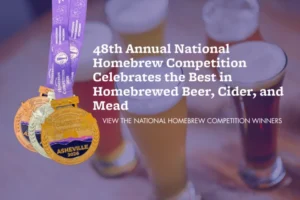
As of 2025, the AHA is operating as a fully autonomous entity. The year has been defined by the rollout of the new Strategic Plan and the launch of modernized member services. The organization has successfully hosted its flagship events, such as the National Homebrew Competition, under this new independent framework.
November 2025: Public Engagement and Future Planning
The association scheduled a special "Zymurgy Live" event for November 5, 2025, which was made open to the general public. This event served as a town hall to discuss the future of the association and to invite non-members into the fold, signaling a more transparent and inclusive era of leadership.
Supporting Data: The Economic and Cultural Impact of Homebrewing
To understand the stakes of the AHA’s independence, one must look at the scale of the homebrewing movement in the United States. According to industry estimates, there are approximately 1.1 million homebrewers in the U.S. who collectively produce more than 1.4 million barrels of beer annually. This represents roughly 1% of the total U.S. beer production, a significant figure for a non-commercial activity.
The economic impact is also substantial. The homebrew supply industry, comprising hundreds of local homebrew shops (LHBS) and large-scale online retailers, contributes significantly to the specialty agricultural and manufacturing sectors. Homebrewers are major consumers of high-quality malts, hops, and yeast, often acting as early adopters for new hop varieties and experimental fermentation techniques that eventually migrate into the commercial craft beer sector.
However, the number of local homebrew shops has seen a decline in recent years due to rising commercial real estate costs and the convenience of e-commerce. The AHA’s new independence allows it to advocate more aggressively for these small businesses. By promoting the "neighborhood brewer" concept, the AHA is indirectly supporting the "neighborhood shop," which serves as a vital hub for supplies and education.
Advocacy and Legal Milestones
One of the most critical functions of an independent AHA is its ability to lobby for the rights of homebrewers. While homebrewing was federally legalized in 1978, state-level regulations vary wildly and often contain antiquated restrictions.
In 2025, the AHA has intensified its advocacy efforts in several key areas:
- Transport and Competition Laws: In many jurisdictions, it remains legally ambiguous whether a homebrewer can transport their product to a competition or a club meeting. The AHA has been working with state legislatures to clarify and expand "transport for personal use" laws.
- Shipping Rights: The association is exploring legal avenues to allow homebrewers to ship entries to competitions more easily. Currently, shipping alcohol as a private individual is heavily restricted by major carriers and federal law, creating a barrier for participants in the National Homebrew Competition.
- Taxation and Regulatory Relief: By remaining a non-commercial activity, homebrewing avoids the excise taxes levied on commercial beer. The AHA remains vigilant in ensuring that hobbyist brewing is not subjected to undue taxation or commercial-grade health inspections.
Technological Upgrades and Member Benefits
A significant portion of the AHA’s 2025 budget has been allocated to technological modernization. For years, members relied on legacy systems that were integrated with the Brewers Association’s commercial databases. The move to independence required a complete overhaul of the digital experience.
The new member portal, which debuted in late 2024 and was refined throughout 2025, offers a more streamlined interface for accessing Zymurgy Magazine—the association’s flagship publication. The digital archive of Zymurgy is one of the most comprehensive repositories of brewing science and history in the world. Modernizing this archive ensures that decades of research and award-winning recipes are preserved for future generations.
Furthermore, the AHA has expanded its "Member Deals" program, which provides discounts at hundreds of breweries and homebrew supply shops across the country. This program not only provides value to the members but also drives foot traffic to local businesses, reinforcing the association’s commitment to community-level economic health.
Analysis of Implications for the Brewing Industry
The independence of the AHA is more than just a corporate restructuring; it is a signal of the homebrewing community’s maturity. By standing alone, the AHA can focus entirely on the needs of the amateur brewer without the potential conflicts of interest that arise when representing commercial entities.
For the broader craft beer industry, a strong AHA is beneficial. Historically, homebrewers have been the most loyal and educated consumers of craft beer. Moreover, a significant percentage of commercial craft brewery founders started as homebrewers. By ensuring a healthy "pipeline" of amateur enthusiasts, the AHA is effectively securing the future talent and consumer base of the commercial industry.
However, independence also brings financial responsibility. The AHA must now rely entirely on member dues, sponsorships, and competition fees to remain solvent. This puts a premium on member retention and recruitment. The "homebrewer in every neighborhood" vision is, therefore, both a cultural goal and a financial necessity.
Looking Toward 2026: The "Simmering" Next Steps
As the AHA prepares for 2026, several key initiatives are in development. The association has signaled that it will continue to invest in member service upgrades, acknowledging that the transition to new IT systems has required patience from the membership.
Future plans include:
- Enhanced Educational Programming: Building on the success of Zymurgy Live, the AHA plans to roll out more interactive, real-time educational modules featuring world-renowned brewing experts.
- Competition Evolution: The National Homebrew Competition (NHC) is slated for further refinements to ensure it remains the "Gold Standard" of amateur brewing accolades while becoming more accessible to brewers in remote areas.
- Sustainability Initiatives: As climate change impacts hop and barley yields, the AHA is expected to provide more resources on sustainable brewing practices and ingredient sourcing.
The AHA Founding Board has expressed a commitment to transparency as these plans unfold. By inviting members to lead the charge, the association is betting on the passion of the community to drive its next chapter. The transition of 2025 has laid the groundwork; the success of the coming years will depend on how effectively the association can turn its strategic vision into reality at the neighborhood level. Through advocacy, education, and community building, the AHA remains the primary steward of a tradition that is as much about science and craft as it is about the simple joy of sharing a pint with a neighbor.