
This striking revelation stems from a recent study involving nearly 2,000 individuals afflicted with Irritable Bowel Syndrome (IBS), underscoring the severe impact of this chronic gastrointestinal disorder on quality of life. The research findings highlight the profound desperation many patients experience, with some indicating a willingness to accept a 1% risk of sudden death for a definitive cure for their debilitating symptoms. These symptoms frequently include urgent bouts of diarrhea, persistent constipation, excessive gas, and severe abdominal pain, often described as more intense than childbirth. Such flare-ups not only cause physical distress but also severely impair concentration, disrupt sleep patterns, and significantly reduce work productivity.
The Pervasive Impact on Daily Life and Mental Well-being
The daily lives of those with IBS are often meticulously planned around the availability of private, clean restrooms, a testament to the unpredictable nature of their condition. This constant apprehension regarding sudden flare-ups frequently leads individuals to withdraw from social activities, avoid public dining, and even forgo exercise in communal spaces. This pervasive anxiety has been formally recognized as gastrointestinal-specific anxiety, a significant factor affecting social relationships, professional performance, and overall well-being. Indeed, individuals with IBS consistently report a lower quality of life compared to those managing other chronic conditions such as heart disease, diabetes, and even end-stage kidney disease, emphasizing the unique and often overlooked burden of this disorder.
The implications of these findings are substantial for public health, healthcare providers, and the ongoing development of patient support strategies. They call for a renewed focus on effective management techniques that address both the physical and psychological dimensions of IBS.
Understanding Irritable Bowel Syndrome: A Shift in Medical Perspective
Often colloquially referred to as "spastic colon," Irritable Bowel Syndrome is the most frequently diagnosed digestive disorder globally, affecting approximately 14% of adults. Unlike inflammatory bowel diseases (IBD) such as Crohn’s disease or ulcerative colitis, IBS does not involve structural changes or damage to the gut architecture. Historically, the absence of visible inflammation or lesions upon diagnostic imaging led many healthcare professionals to mistakenly categorize IBS as a purely psychological condition. This perspective, however, has evolved significantly.
Modern medical consensus now recognizes IBS as a functional neuro-gastrointestinal disorder. This updated understanding highlights a dysfunction in the intricate communication pathways between the gut and the brain, known as the gut-brain axis. In individuals with IBS, these neural connections do not operate optimally, leading the brain to misinterpret or amplify pain signals from the gastrointestinal tract and interfere with normal bowel function. This paradigm shift has been critical in validating patients’ experiences and guiding more effective, multi-faceted treatment approaches.
Diverse Symptoms and Diagnostic Challenges
The symptoms of IBS are highly variable and episodic, characterized by periods of remission interspersed with severe flare-ups that can last from hours to weeks. This variability, coupled with the fact that not all individuals experience the same set of symptoms, poses significant challenges for accurate diagnosis. Common symptoms include:

- Abdominal pain and cramping: Often relieved by bowel movements.
- Stool irregularities: Ranging from chronic constipation (IBS-C) to recurrent diarrhea (IBS-D), or a fluctuating pattern of both (IBS-M).
- Excessive gas and bloating: A common complaint, often causing significant discomfort and visible abdominal distension.
- Mucus in stools: Can be present without other inflammatory markers.
- Incomplete bowel movements: A sensation that the bowels have not been fully emptied.
Given the overlap of IBS symptoms with numerous other gastrointestinal diseases, including infections, inflammatory bowel diseases, celiac disease, and certain cancers, a thorough diagnostic process is crucial. Healthcare professionals will conduct comprehensive evaluations to rule out these more serious conditions. It is particularly important to seek medical attention if symptoms include unexplained weight loss, rectal bleeding, iron deficiency anemia, or nocturnal diarrhea, as these may indicate underlying pathologies beyond IBS.
Evolving Theories on IBS Pathogenesis
While the precise etiology of IBS remains an active area of research, several leading theories aim to explain the gut’s altered function in affected individuals.
One prominent hypothesis centers on the hypersensitivity of nerve endings within the GI tract. This heightened sensitivity means that normal digestive processes, which would typically go unnoticed by others, register as painful or uncomfortable sensations for someone with IBS. For example, minute gas bubbles might cause severe discomfort, whereas they would be imperceptible to an individual without the disorder. This hypersensitivity can also manifest as overreactive GI muscles, leading to forceful contractions that result in gas, bloating, and diarrhea, or conversely, underreactive muscles that slow food transit and cause constipation.
Another compelling theory implicates disturbances in the gut microbiome, the complex community of microorganisms residing in the digestive tract. Research suggests that an imbalance in gut bacteria composition or function may contribute to IBS symptoms. This theory helps explain why some individuals develop IBS following a severe gastrointestinal infection, such as Norovirus, a phenomenon known as post-infectious IBS. Ongoing research is exploring the role of specific bacterial strains, probiotics, and even fecal microbiota transplantation in managing IBS.
The Diagnostic Journey and IBS Subtypes
The diagnostic process for IBS typically involves a detailed medical history, physical examination, and a series of tests to exclude other conditions. Once other pathologies are ruled out, a healthcare professional will classify IBS based on the predominant stool pattern, which guides subsequent management strategies:
- IBS with Constipation (IBS-C): Characterized by hard, lumpy stools for at least 25% of bowel movements, and loose, watery stools for less than 25%.
- IBS with Diarrhea (IBS-D): Defined by loose, watery stools for at least 25% of bowel movements, and hard, lumpy stools for less than 25%.
- IBS with Mixed Bowel Habits (IBS-M): Involves both hard, lumpy stools and loose, watery stools for at least 25% of bowel movements each.
Understanding the specific IBS subtype is crucial for tailoring treatment. For instance, IBS-D management might involve antidiarrheal medications or specific antibiotics, while IBS-C often benefits from fiber supplements, non-habit-forming laxatives, or medications designed to regulate bowel movements and reduce pain perception.
To optimize the diagnostic process, patients are often encouraged to prepare thoroughly for medical appointments. This includes compiling a detailed list of symptoms, their frequency, severity, and potential triggers. Maintaining a "poo diary" that tracks bowel movement frequency and quality using tools like the Bristol Stool Chart can provide invaluable data for healthcare providers. This chart categorizes stool consistency from Type 1 (hard lumps) to Type 7 (entirely liquid), offering a standardized way to communicate stool characteristics, which are key indicators for IBS diagnosis and typing.
Holistic Strategies for IBS Management

While pharmaceutical interventions, including newly approved prescription medicines and cranial nerve stimulation devices, offer relief for some, a growing body of evidence supports the efficacy of lifestyle modifications in managing IBS symptoms. Many of these strategies also contribute to overall health and well-being.
1. Embrace Regular Exercise:
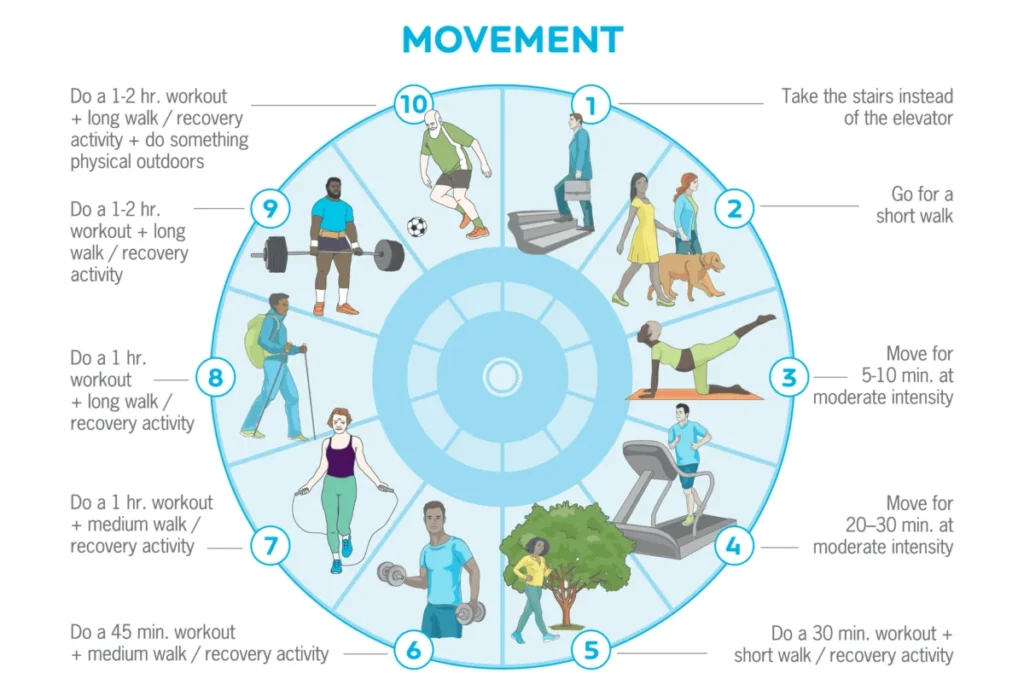
Studies consistently show that individuals with IBS who engage in regular physical activity experience fewer symptoms and flare-ups. A study where participants walked moderately for an hour three times a week reported significant relief from bloating and abdominal pain within 12 weeks. The mechanisms behind exercise’s beneficial effects are multifaceted. It is believed to reduce stress and improve mental health, thereby positively influencing the gut-brain axis. Additionally, exercise may promote a healthier gut microbiome, leading to more efficient food breakdown and decreased inflammation.
2. Cultivate Stress Management Techniques:
The profound connection between stress and gut function is undeniable. Anxiety, stress, and depression trigger the release of stress hormones like norepinephrine and cortisol, which can intensify pain signals in the gut, alter gut motility, and increase gut permeability. Since stress is an unavoidable part of life, effective management focuses on cultivating resilience rather than eliminating stressors. Techniques such as self-compassion, mindfulness, yoga, deep breathing exercises, and gentle walking can help regulate the nervous system. As Precision Nutrition coach Sarah Maughan emphasizes, clients benefit from focusing on controllable aspects of their lives—such as their mindset and effort—rather than external factors.
3. Prioritize Mindful Eating:
Slowing down the eating process offers significant digestive benefits beyond caloric control. Mindful eating encourages more thorough chewing, which mechanically breaks down food and allows oral digestive enzymes to begin processing nutrients, reducing the workload on the stomach and intestines. Furthermore, eating in a relaxed environment can lower stress hormone levels, mitigating their exacerbating effect on GI pain signals. For busy individuals, such as young parents, carving out peaceful, undistracted meal times can be particularly challenging yet profoundly impactful.
4. Address Sleep Disturbances:
Poor sleep quality is a common complaint among IBS sufferers, who often experience more shallow, interrupted, and less restorative sleep. This can lead to increased overall sleep duration but a persistent feeling of being unrested. Fatigue, in turn, can elevate stress hormone levels, further exacerbating gut pain. This creates a vicious cycle where poor sleep intensifies IBS symptoms, and IBS symptoms disrupt sleep. Strategies such as maintaining a consistent sleep schedule, creating a relaxing pre-bedtime routine (e.g., foam rolling, meditation, warm bath, journaling), and consuming smaller, earlier dinners can significantly improve sleep quality.
5. Investigate Dietary Triggers:
While no universal "IBS diet" exists, certain food categories are more commonly problematic. These include:
- Fermentable Oligosaccharides, Disaccharides, Monosaccharides, and Polyols (FODMAPs): These poorly absorbed carbohydrates ferment in the gut, producing gas and attracting water, leading to intense pain in hypersensitive IBS guts. High-FODMAP foods include wheat, rye, barley, onions, garlic, certain fruits (apples, mango), legumes, and dairy.
- Caffeinated beverages and foods: Especially coffee, which can stimulate stomach acid production, increase colon contractions, and irritate the intestinal lining.
- Alcohol and spicy foods: Known irritants to the gut.
- High fructose corn syrup and sugar alcohols: Such as sorbitol and mannitol, frequently linked to gas, bloating, and diarrhea.
- Fatty, greasy foods: Can slow digestion and attract water, contributing to loose stools, bloating, and gas.
It is crucial to recognize that individual triggers vary widely. As Maughan notes, "Everyone can have different triggers. That’s why it’s so important to figure out what makes your body feel good and what doesn’t." This individual variability underscores the utility of elimination diets, which help identify specific problematic foods and safe tolerance levels.
The Role of Health Coaching within Professional Boundaries
For individuals with IBS, health coaches like Sarah Maughan play a vital supportive role in navigating lifestyle changes. Coaches can guide clients through dietary experiments, stress management techniques, and other habit modifications. However, it is paramount for coaches to operate strictly within their scope of practice. This means coaches can:
- Encourage clients with digestive issues to seek a definitive medical diagnosis.
- Share general information on lifestyle changes and elimination diets, helping clients experiment to understand their body’s responses.
- Offer to collaborate with the client’s medical team, reinforcing and supporting prescribed lifestyle adjustments.
- Provide tools and resources, such as optional recipes, to help clients implement changes.
- Advocate for a multi-disciplinary approach to IBS management.
- Ensure clients understand that lifestyle changes are choices, empowering them in their health journey.
Conversely, coaches must not:

- Attempt to diagnose IBS or other medical conditions.
- Prescribe rigid, restrictive diets as a definitive "cure."
- Contradict or undermine advice from medical professionals.
- Create prescriptive anti-IBS meal plans.
- Claim to possess all the answers or suggest clients forgo medical advice.
- Use fear or manipulation to enforce compliance.
Elimination Diets for IBS: A Targeted Approach
Elimination diets are systematic approaches to identify food triggers by temporarily removing suspect foods and then carefully reintroducing them. These diets function as scientific experiments, providing invaluable insights into individual sensitivities. Different types of elimination diets cater to varying levels of restriction and diagnostic certainty:
- Elimination Diet "Lite": Ideal for individuals who already have a strong suspicion about specific food triggers. It involves eliminating up to four suspect foods for several weeks, then reintroducing them one at a time to observe symptom recurrence.
- Precision Nutrition Elimination Diet: A more comprehensive plan for those unsure of their triggers but not ready for extreme restriction. This diet removes common problematic foods while ensuring a balanced intake of vegetables, fruits, starches, legumes, nuts, seeds, and lean proteins. Resources like the "Ultimate Guide to Elimination Diets" provide detailed guidance, recipes, and meal ideas.
- The Low-FODMAP Diet: Developed by Monash University researchers, this highly specialized medical nutrition therapy focuses on reducing intake of Fermentable Oligosaccharides, Disaccharides, Monosaccharides, and Polyols. Given the complexity of identifying FODMAPs and managing their reintroduction, this diet is best undertaken with the guidance of a FODMAP-certified practitioner or through dedicated tools like the Monash University FODMAP Diet app. This approach has shown significant efficacy for many IBS sufferers but requires careful implementation to avoid unnecessary nutritional restrictions.
The Indispensable Power of Health Coaching
While knowledge is power, merely knowing about triggers or beneficial habits does not automatically translate into doing. Many individuals understand that dairy exacerbates their gut issues or that an early, light dinner improves sleep, yet struggle to consistently integrate these practices into their lives. This is precisely where a certified health coach provides critical support.
Coaches like Sarah Maughan help bridge the gap between knowledge and action. Clients often harbor anxiety about discovering their food triggers, fearing that such knowledge will make eating more challenging. Maughan reassures clients that even if an elimination diet identifies a beloved food as problematic, they retain the choice to consume it or avoid it based on the specific context and their desire to manage symptoms. This empowerment, derived from knowledge and guided support, offers flexibility and control, transforming a daunting challenge into a manageable journey. With the right support, individuals with IBS can make informed choices, build sustainable habits, and ultimately reclaim a higher quality of life.
Broader Implications and Future Directions
The profound impact of IBS, as evidenced by patients’ willingness to trade years of life for a cure, necessitates a more robust societal response. This includes increased funding for research into IBS etiology and novel treatments, improved training for healthcare providers on holistic management approaches, and greater public awareness to destigmatize the condition. Recognizing IBS as a serious, debilitating disorder, rather than a minor inconvenience, is the first step towards ensuring that affected individuals receive the comprehensive care and support they desperately need. The integration of medical care with evidence-based lifestyle coaching offers a promising path forward, helping millions manage their symptoms and live more fulfilling lives.