
After a significant hiatus, a renewed focus on domestic efficiency and culinary consistency has brought to light the enduring power of a remarkably simple, yet highly refined, analog system for meal planning and grocery shopping. This approach, championed by an individual navigating the contemporary demands of a full-time career and family obligations, underscores a growing appreciation for low-tech solutions in an increasingly digital world, particularly concerning household management and food sustainability. The method, centered on a personalized, pre-populated paper grocery list, has demonstrated its capacity to streamline weekly meal preparation, reduce food waste, and alleviate the pervasive "time squeeze" experienced by many modern families.
The Genesis of a Streamlined System
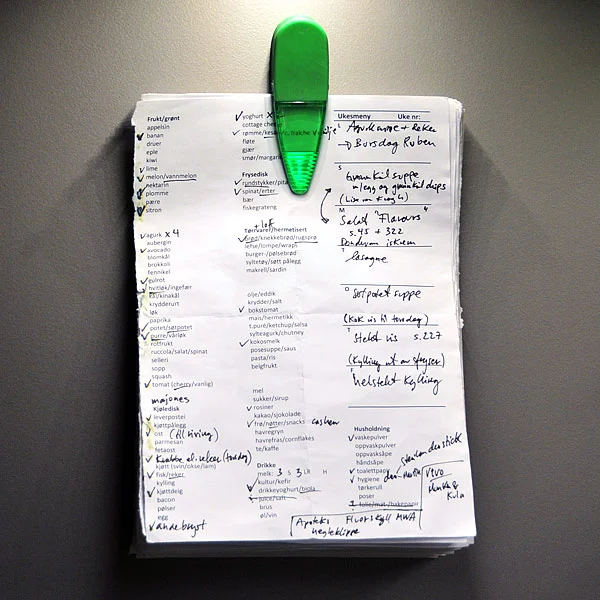
The foundation of this effective system lies in a meticulously compiled and continually refined generic grocery list, developed over a period exceeding six years. Initially conceived as a practical response to the repetitive task of generating a shopping list from scratch each week, it evolved into a comprehensive tool reflecting the specific dietary preferences, household needs, and even the physical layout of the local supermarket frequented by its creator. The core principle involves a pre-formatted list where necessary items can be simply ticked off, with ample space provided for specific notes, quantities, or the addition of non-standard items. This iterative process of compilation and adjustment has ensured the list remains a dynamic reflection of current family life, dietary trends, and product availability, moving beyond a static document to become a living blueprint for weekly provisions.
The initial motivation for developing such a system arose from the common challenges faced by many households: the mental load of meal planning, the time consumption of grocery shopping, and the desire to maintain a consistent home-cooked diet despite demanding schedules. The proponent of this system, noting a significant period of inactivity on their public blog while simultaneously engaging in frequent home cooking, highlighted the irony that robust personal organization allowed for culinary exploration even as public-facing activities waned. This internal consistency, powered by a structured approach to food procurement, serves as a compelling case study for the broader adoption of similar methodologies.
The Analog Advantage: Paper Over Pixels
In an era saturated with digital solutions for every conceivable task, the deliberate choice of a paper-based grocery list system stands out. While numerous grocery list applications promise convenience and connectivity, proponents of analog methods argue for distinct advantages that digital platforms often fail to replicate fully. The "superb resolution" of paper, as described, refers to the ability to view an entire week’s menu and the corresponding shopping list on a single, compact A5-sized sheet. This physical overview fosters immediate cognitive engagement and reduces the need for scrolling or navigating through multiple screens, which can fragment attention and impede holistic planning.
Psychological studies have consistently indicated that the act of writing by hand enhances memory retention and cognitive processing compared to typing. This tactile engagement with a paper list can improve recall during shopping, reducing forgotten items and subsequent unplanned trips to the store. Furthermore, a physical list can be easily folded and stored in a pocket, offering discreet and immediate access without the distractions inherent in smartphone usage, such as notifications or the temptation to engage with other applications. The physical nature also provides unmatched flexibility for on-the-spot annotations, crossings out, or adding items, utilizing available space, including the reverse side, without the constraints of predefined digital fields.
The archiving capability of paper lists offers another significant benefit. By printing multiple copies (e.g., 10-20 at a time), users can easily maintain a historical record of their shopping habits. A quick review of previous weeks’ lists allows for an efficient audit, identifying items that may need to be added or removed from the generic template as family needs evolve. For instance, items frequently purchased when children were younger may no longer be necessary, while new preferences or dietary requirements can be seamlessly integrated. This iterative refinement ensures the list remains perpetually optimized, reflecting the fluid nature of family life and consumption patterns. The direct observation is that no two individuals or families will ultimately arrive at identical lists, emphasizing the deeply personal and adaptive nature of this successful system.
Addressing Modern Challenges: The "Tidsklemma" and Beyond
The concept of "tidsklemma," a Norwegian term lacking a precise English equivalent but generally referring to a pervasive "time squeeze" or chronic lack of time, particularly among individuals juggling full-time employment and family responsibilities, is central to understanding the utility of this planning system. This phenomenon is not exclusive to Norway but resonates globally, characterizing the pressures of modern life that often push home cooking to the periphery in favor of convenience foods or takeout. For many, the mental energy required to conceive, plan, and execute meals after a demanding workday is simply prohibitive.
Structured meal planning, facilitated by a pre-prepared grocery list, directly addresses this "tidsklemma" by front-loading the cognitive effort. By dedicating a specific time, typically once a week, to plan meals and compile the corresponding list, the daily burden of decision-making is significantly reduced. This proactive approach transforms meal preparation from a daily chore into a predictable routine, liberating mental bandwidth for other activities. The integration of the weekly menu directly onto the grocery list serves as a crucial additional reminder during shopping, preventing oversight and ensuring all necessary ingredients are procured in a single trip. This strategic alignment of menu and shopping list reduces the likelihood of impulse purchases driven by forgotten items, contributing to both budgetary control and reduced food waste.
While the system advocates for structured planning, it also inherently acknowledges the importance of flexibility. The advice to "deviate from your weekly dinner plan" when spontaneous opportunities arise—such as an unexpected dinner invitation from friends—highlights a pragmatic understanding of life’s unpredictable nature. Similarly, acknowledging that completely exhausted days might warrant a convenient takeout meal underscores a realistic approach to meal management, preventing rigid adherence from becoming a source of stress itself. The overarching benefit, however, remains clear: consistent weekly planning dramatically increases the frequency of home-cooked meals, thereby promoting healthier eating habits and fostering a sense of domestic control.
Economic and Environmental Imperatives
The implications of adopting such a systematic approach extend beyond personal convenience and stress reduction, touching upon significant economic and environmental concerns. Food waste is a global crisis, with the Food and Agriculture Organization (FAO) estimating that approximately one-third of all food produced for human consumption is lost or wasted globally, amounting to 1.3 billion tons per year. In the United States, the Environmental Protection Agency (EPA) reports that food is the single largest category of material in municipal solid waste landfills. Much of this waste occurs at the household level, often due to over-purchasing, poor storage, or a lack of meal planning.
A well-organized grocery list, intrinsically linked to a weekly meal plan, directly combats household food waste by ensuring that only necessary items are purchased. By systematically checking off items and noting quantities, consumers are less likely to buy duplicates or ingredients they will not use before spoilage. This deliberate purchasing strategy translates into substantial financial savings over time. The average household can significantly reduce its weekly grocery bill by minimizing impulse buys and avoiding the cost of discarded spoiled food. Research by various consumer advocacy groups consistently demonstrates that planned shopping trips result in lower expenditure compared to unplanned or frequent, smaller trips.
Furthermore, reducing food waste has a direct positive impact on environmental sustainability. The resources—water, energy, land, labor—expended to produce food that is ultimately thrown away represent a significant ecological footprint. By optimizing household consumption through careful planning, individuals contribute to a more sustainable food system, lessening demand on resources and reducing greenhouse gas emissions associated with food production and waste decomposition.
Adaptability and Iteration: A Living Document
The strength of this personalized grocery list system lies in its inherent adaptability. While the provided template offers a strong starting point, its true value emerges through continuous customization. The designer emphasizes that the list "will always be a work-in-progress," reflecting the dynamic nature of family life, changing tastes, and evolving availability of products in local stores. This iterative process of refinement, often prompted by a quick review of previous weeks’ lists, ensures that the system remains relevant and maximally efficient.
This ongoing adaptation might involve:
- Dietary Shifts: As family members develop new preferences, allergies, or dietary restrictions (e.g., vegetarianism, gluten-free), the list can be updated to reflect these changes.
- Seasonal Changes: The availability of fresh produce varies seasonally, and the list can be adjusted to incorporate seasonal fruits and vegetables, often leading to fresher ingredients and cost savings.
- Household Growth/Shrinkage: The addition of new family members or children growing older and moving out will naturally alter consumption patterns, necessitating adjustments to quantities and types of items.
- Store Changes: Supermarket layouts can change, or new products might become available. The list’s organization can be tweaked to mirror the current store environment, further optimizing shopping time.
The ability to download and modify a Word document template facilitates this personalization. Users are encouraged to take the provided structure—which includes categories and a layout reflecting a typical grocery store—and mold it to their unique circumstances. This blend of a structured starting point with complete user agency fosters a sense of ownership and ensures the system remains highly functional and relevant over extended periods.
Expert Perspectives and Broader Implications
While the original content stems from a personal blog, the principles it espouses are supported by broader academic and professional consensus regarding efficiency, cognitive psychology, and sustainable living. Organizational psychologists often highlight the benefits of externalizing cognitive load, which is precisely what a structured list achieves. By offloading the mental task of remembering items, individuals free up mental resources for more complex or creative endeavors. Furthermore, the satisfaction derived from ticking off items provides a tangible sense of accomplishment, reinforcing positive planning behaviors.
From a public health perspective, systems that encourage home cooking are generally viewed favorably. Nutritionists frequently advocate for home-prepared meals over processed alternatives or frequent takeout, citing better control over ingredients, portion sizes, and nutritional content. This personalized grocery list directly supports such dietary goals by making home cooking more accessible and less daunting.
The broader implication of this renewed interest in analog, tailored solutions is a potential shift in consumer behavior. In a world increasingly reliant on complex algorithms and interconnected devices, the appeal of a simple, robust, and entirely user-controlled system suggests a counter-current. It indicates that for certain tasks, particularly those involving personal preference, tactile engagement, and adaptability to highly specific individual contexts, traditional methods can often outperform their high-tech counterparts. The success of this system suggests that true efficiency isn’t always about the newest technology, but often about the most intuitive and adaptable tool for the job, tailored to the human element.
In conclusion, the sustained efficacy of a personalized, paper-based grocery list and meal planning system, meticulously developed over years, serves as a compelling testament to the enduring value of structured analog solutions in managing the complexities of modern household life. It offers a practical, accessible antidote to the "tidsklemma," promotes economic savings, fosters environmental sustainability through reduced food waste, and ultimately empowers individuals to maintain a consistent, home-cooked diet. As individuals continue to seek balance between digital convenience and practical efficiency, such tailored, low-tech approaches may increasingly prove to be not merely nostalgic choices, but strategically superior ones for navigating the demands of contemporary living.