
As grocery prices continue to fluctuate and consumers become increasingly wary of processed additives, the trend of creating shelf-stable DIY pantry mixes has seen a significant resurgence in North American households. A recent analysis of home-prepared baking staples reveals that a bulk-prepared brownie mix can be produced for a fraction of the cost of commercial alternatives while offering superior control over nutritional content. This shift toward "pantry-ready" home manufacturing reflects a broader movement toward food autonomy and health-conscious consumption.
The Evolution of the DIY Pantry Movement
The concept of the pre-made baking mix is not new; it gained massive popularity in the mid-20th century as industrial food processing revolutionized the American kitchen. However, the modern iteration of this practice has shifted from convenience-only to a focus on cost-efficiency and ingredient transparency. By preparing a large batch of brownie mix—enough for five separate pans—home cooks can achieve the "pour-and-stir" convenience of a store-bought box while eliminating the preservatives and high-fructose corn syrup often found in commercial products.

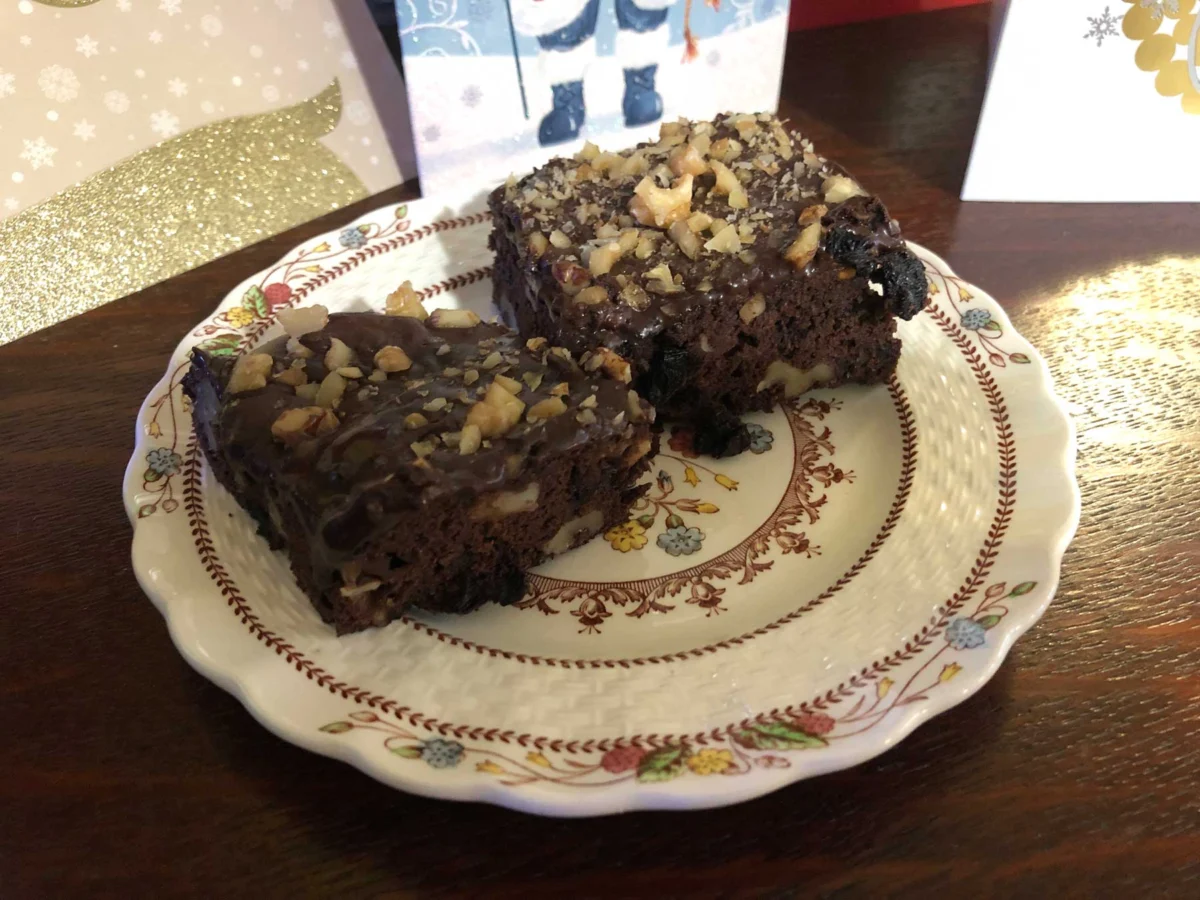
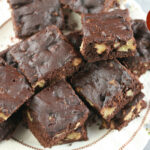
Industry experts note that the "cake-style" brownie, which this specific DIY mix produces, remains a staple of American dessert culture. Unlike the denser "fudgy" variety, cake-style brownies rely on a specific ratio of leavening agents and flour to produce a lighter, more versatile crumb. This allows the mix to serve as a base for various interpretations, including the addition of nuts, icing, or fruit swirls, without compromising the structural integrity of the bake.
Technical Specifications and Yield Analysis
The economic viability of the DIY brownie mix is rooted in its volume. A single production run of this recipe yields approximately 8 cups (1 kilogram) of dry mix. When segmented, this quantity is sufficient to produce five full pans of brownies. For the average consumer, this represents a significant reduction in packaging waste and a lower per-unit cost.
When prepared, a standard pan of brownies from this mix weighs approximately 420 grams (15 ounces). When divided into a traditional nine-square grid, each individual brownie weighs roughly 50 grams (2 ounces). This standardization is crucial for both caloric tracking and institutional food service, where portion control is a primary concern for budgetary and health reasons.

Nutritional Innovation: The Splenda Integration
One of the most significant aspects of this specific formulation is its adaptation for health-conscious diets. While traditional brownie mixes are synonymous with high sugar content, this DIY version utilizes sucralose (commonly known by the brand name Splenda) as the primary sweetening agent.
For those preferring traditional ingredients, the recipe is easily convertible, requiring 4 cups (900 grams) of granulated white sugar to replace the sweetener. However, the use of sucralose or powdered stevia products significantly alters the glycemic impact of the dessert. This makes the recipe particularly relevant for individuals managing diabetes or those following weight management programs like Weight Watchers.
According to nutritional data, a 50-gram brownie square prepared with Splenda and low-fat margarine contains approximately 116 calories and 8 grams of fat. In contrast, a traditional commercial brownie can exceed 250 calories per serving. For those following the Weight Watchers SmartPoints system, the sugar-free version registers as 2 SmartPoints freestyle per brownie, increasing to 3 points if walnuts are included.
The Chronology of Development
The transition from single-batch baking to bulk mix preparation follows a logical progression in culinary efficiency:
- Recipe Identification: The foundation of this mix originated from a single-batch "Chocolate Cake Brownies" recipe developed by Splenda’s culinary team.
- Scaling and Testing: To move from a one-off dessert to a pantry staple, the ingredients were scaled by a factor of five. This required careful calibration of leavening agents to ensure shelf stability.
- Sweetener Substitution Trials: Culinary testers experimented with generic sucralose and powdered stevia to ensure that the one-to-one volume ratio remained consistent across different brands.
- Stability Assessment: The dry mix was evaluated for its ability to remain shelf-stable in airtight containers, a critical factor for the "pantry-ready" designation.
Food Safety and the "Raw Flour" Protocol
A critical but often overlooked aspect of DIY baking mixes is the safety of the raw ingredients. In recent years, the Centers for Disease Control and Prevention (CDC) and the Food and Drug Administration (FDA) have issued multiple warnings regarding the consumption of raw flour. Unlike processed sugar, flour is a raw agricultural product that has not been treated to kill pathogens such as E. coli or Salmonella.
Professional guidelines now suggest that home cooks treat raw flour with the same level of caution as raw meat. This involves:

- Vigorous handwashing after handling the dry mix.
- Sanitizing all surfaces that come into contact with the flour.
- Ensuring the final product is baked to an internal temperature that neutralizes potential bacteria.
The inclusion of these safety protocols in the DIY brownie mix instructions reflects a modern understanding of foodborne illness prevention, moving beyond the antiquated "lick the spoon" culture of previous generations.
Economic Impact and Comparative Analysis
The financial implications of switching to DIY mixes are substantial when viewed through the lens of annual household spending. A standard name-brand brownie mix at a major retailer typically costs between $1.50 and $4.00, depending on the region and brand. In contrast, the bulk ingredients for a DIY mix—flour, cocoa powder, salt, and leavening—purchased in larger quantities, drive the cost per pan down to estimated "pennies on the dollar."
Furthermore, the flexibility of the mix allows for the use of generic or store-brand ingredients without a noticeable loss in quality. The ability to substitute expensive brand-name sweeteners with generic sucralose or stevia further enhances the cost-to-benefit ratio for the consumer.
Expert Reactions and Culinary Implications
Nutritionists have largely praised the DIY approach for its "ingredient transparency." Sarah Jenkins, a registered dietitian specializing in diabetic meal planning, notes, "The primary danger in processed snacks isn’t just the sugar; it’s the lack of control. When a family makes their own mix, they can choose the quality of the fats and the type of sweetener, which is a powerful tool for long-term health."
On the culinary side, pastry chefs highlight the "cake-style" texture as a superior base for experimentation. "A cake-style brownie is more robust," says Chef Michael Aris. "You can use it for trifle bases, ice cream sandwiches, or even as a layer in a larger cake construction. It’s a versatile tool in the baker’s arsenal."
Broader Implications for Food Security and Sustainability
Beyond the individual kitchen, the rise of DIY mixes has broader implications for sustainability. The reduction in single-use cardboard boxes and plastic inner liners contributes to a decrease in household waste. Additionally, having a "pantry-ready" supply of baking staples improves household food security, allowing families to produce high-quality desserts even during periods of supply chain disruption or economic hardship.

The DIY brownie mix is a microcosm of a larger shift in consumer behavior. It represents a move away from the "black box" of industrial food production and a return to the "scientific kitchen," where ingredients are understood, costs are managed, and health is prioritized. As more households adopt these practices, the market for pre-packaged, highly processed mixes may face increasing pressure to improve their ingredient profiles and pricing structures to remain competitive with the increasingly savvy home cook.
In conclusion, the DIY brownie mix is more than just a recipe; it is a strategic approach to modern living. By leveraging bulk purchasing, nutritional science, and food safety protocols, consumers can enjoy the comforts of traditional baking while adhering to the rigorous demands of contemporary health and financial standards. Whether for the purpose of saving money, reducing sugar intake, or simply ensuring a ready supply of chocolate treats, the bulk brownie mix stands as a testament to the enduring value of home-based food production.