
In the competitive landscape of the fast-casual dining industry, the strategic focus on demographic-specific menu engineering has become a primary driver for revenue growth and brand loyalty. For Ono Hawaiian BBQ, a California-based restaurant chain specializing in authentic Hawaiian plate lunches, the decision to overhaul its kids’ meal—the "Keiki Meal"—represents a sophisticated understanding of modern consumer behavior. By integrating high-quality, branded nutritional components and leveraging cultural milestones, the brand has demonstrated how a well-executed kids’ menu can serve as a catalyst for broader corporate expansion and enhanced brand perception.
The Economic Significance of the Family Demographic
The revitalization of the kids’ menu is not merely a matter of culinary variety but a calculated response to the economic realities of the restaurant sector. Data from QSR Magazine indicates that families with children under the age of 12 represent a powerhouse demographic for fast-casual operators. On average, the ticket size for a party including children is twice as high as that of parties without children. This spending gap highlights a critical opportunity: while the child may consume a lower-priced meal, their preference dictates the dining destination for the entire household, leading to significantly higher overall transaction values.
Industry analysts at C3 (Creative Consumer Concepts) have further identified that the perception of value in a kids’ meal is intrinsically linked to the inclusion of specific components. Research shows that more than 50 percent of parents believe a complete kids’ meal must include a dedicated beverage. Furthermore, as health consciousness rises among millennial and Gen Z parents, the demand for "balanced" options—those that include fruit and natural juices rather than just soda and fried sides—has become a non-negotiable factor in brand selection.
Ono Hawaiian BBQ: A Trajectory of Growth
Ono Hawaiian BBQ’s investment in its kids’ menu arrives at a pivotal moment in the company’s history. Founded in 2002, the brand has spent over two decades refining its "freshly prepared, grilled-to-order" philosophy. With more than 100 locations currently in operation and a roadmap that includes 15 additional stores slated for 2026, the brand is transitioning from a regional favorite to a major player in the fast-casual space.
As a brand scales, the consistency of its offerings becomes its most valuable asset. For Ono Hawaiian BBQ, the challenge was to ensure that its Keiki Meal reflected the same quality as its signature Kalbi Short Ribs or Chicken Katsu. Christine Jan, the Marketing Director for Ono Hawaiian BBQ, emphasized that the brand’s identity is rooted in the "Aloha Spirit" and the use of fresh ingredients. To maintain this identity within the constraints of a kids’ meal, the company sought out a partnership that would bridge the gap between convenience and nutrition.
Strategic Partnership with Tree Top, Inc.
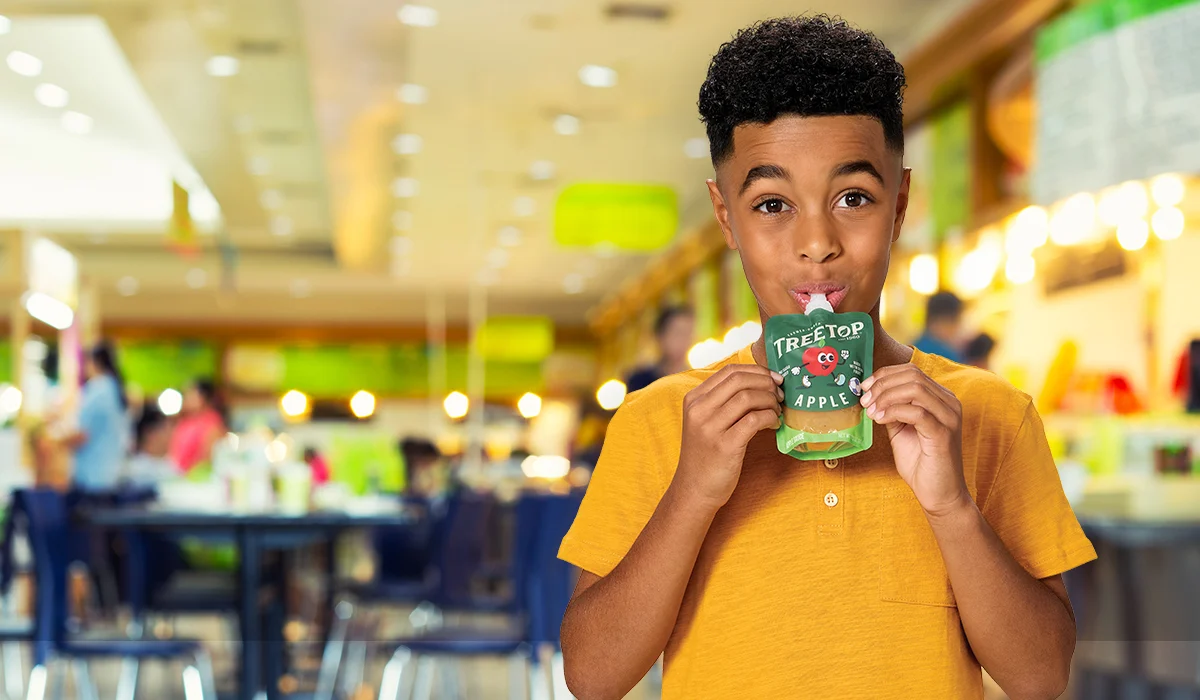
The selection of Tree Top, Inc. as a primary supplier for the Keiki Meal was a strategic move designed to leverage existing brand equity. Tree Top, a grower-owned cooperative based in Washington state, has long been synonymous with high-quality fruit products. By incorporating Tree Top apple juice and fruit pouches into the Keiki Meal, Ono Hawaiian BBQ provided an immediate visual and nutritional cue to parents regarding the quality of the meal.
"At Ono Hawaiian Barbecue, we pride ourselves on everything being freshly prepared in-store and grilled to order," Jan stated. "When we developed our Keiki Meal, we wanted to make sure it was truly well balanced. Bringing in Tree Top juice and fruit pouches helped us add that extra nutritional value for kids."
This alignment of brand values is a critical component of modern supply chain management. For a growing brand, every third-party product served in their establishment acts as a reflection of their own standards. The decision to move away from generic or low-quality sides in favor of a recognized, health-oriented brand like Tree Top serves to reinforce the "premium" positioning of the Ono Hawaiian BBQ brand.
Operational Innovation: Bypassing the Pilot Phase
One of the most notable aspects of the Keiki Meal rollout was the operational efficiency with which it was executed. In the restaurant industry, major menu changes are typically preceded by a lengthy "pilot phase" in select markets to identify potential supply chain bottlenecks or consumer resistance. However, Ono Hawaiian BBQ opted to bypass this traditional testing period, implementing the new menu items across its entire corporate-owned footprint simultaneously.
This aggressive rollout was made possible through rigorous internal testing and high-level communication between the restaurant’s procurement team and Tree Top’s foodservice division. The "seamless" nature of this transition, as described by Jan, suggests a high degree of operational maturity within the Ono Hawaiian BBQ organization. It also highlights the importance of choosing foodservice partners that can handle large-scale, immediate volume demands without compromising delivery schedules or product integrity.
Marketing Synergy and the Moana 2 Connection
The timing of the Keiki Meal enhancement was synchronized with the release and promotion of Disney’s Moana 2. In the marketing world, such "cultural tentpole" events provide a unique opportunity for brands to tap into existing consumer excitement. Given Ono Hawaiian BBQ’s cultural roots and its "Keiki" (the Hawaiian word for "child") branding, the synergy with a major film centered on Pacific Island culture was an obvious but highly effective strategic choice.
The inclusion of both a juice and a fruit pouch made the meal feel "complete" to the consumer, a factor that Jan noted led to an immediate increase in perceived value. This perception is vital in a fast-casual environment where prices have generally trended upward due to inflation and labor costs. By providing a multi-component, branded meal, Ono Hawaiian BBQ was able to justify its price point while simultaneously driving parent satisfaction.
Broader Industry Implications and Analysis
The success of the Ono Hawaiian BBQ and Tree Top partnership offers several insights for the broader foodservice industry:
- Nutritional Transparency as a Brand Pillar: As transparency becomes a standard expectation, brands that proactively offer recognized, healthy options are likely to see higher retention rates among families. The move away from "empty calories" in kids’ menus is no longer a niche trend but a market requirement.
- The Power of Branded Components: For fast-casual brands, using branded "sides" (like Tree Top, Honest Kids, or Chobani) can act as a shortcut to building trust. It signals to the parent that the restaurant is not cutting corners on the most sensitive part of their menu.
- Operational Partnership over Vendor Relationships: The transition from a simple vendor relationship to a "partnership" model is essential for rapid scaling. As seen in Jan’s assessment, the ease of communication and the reliability of the rollout were as important as the product itself.
- Value Perception in a Post-Inflation Economy: With dining out becoming more expensive, consumers are looking for "the complete package." A kids’ meal that feels like a full experience—complete with a main, a healthy side, a beverage, and perhaps a cultural tie-in—is more likely to win the "veto vote" of the parent.
Future Outlook for Ono Hawaiian BBQ
Looking toward 2026, Ono Hawaiian BBQ’s expansion strategy appears robust. By solidifying its appeal to families, the brand is insulating itself against the volatility of the "occasional" diner. The Keiki Meal serves as an entry point for the next generation of consumers, establishing brand loyalty early in the consumer lifecycle.
The partnership with Tree Top has allowed Ono to maintain its commitment to fresh, grilled-to-order proteins while outsourcing the "nutritional balance" of the meal to a trusted expert. This allows the kitchen staff to focus on the brand’s core competencies—the BBQ and the sides—while ensuring the kids’ menu remains a high-value, low-friction part of the operation.
As the brand moves closer to its goal of 115+ locations, the lessons learned from this rollout will likely inform future menu innovations. The Keiki Meal success story is a testament to the fact that in the modern fast-casual market, the smallest customers often drive the biggest results. For operators looking to replicate this success, the advice from Ono Hawaiian BBQ is clear: prioritize quality, seek out brand-aligned partners, and never underestimate the value of a well-balanced meal for the youngest members of the family.
By focusing on the intersection of quality, nutrition, and operational ease, Ono Hawaiian BBQ has not only enhanced its current menu but has also built a scalable template for future growth. In the evolving landscape of American dining, the "Aloha Spirit" is being bolstered by data-driven decision-making and a commitment to the evolving needs of the modern family.