
The intricate and competitive world of amateur brewing reached a high-water mark as the American Homebrewers Association announced the results of the 2026 National Homebrew Competition Final Round. Among the celebrated victors are Jamye and Cody Naramore of Quenemo, Kansas. Representing the esteemed Kansas City Bier Meisters brewing club, the Naramore duo captured the prestigious gold medal in Category 12: American Pale Ale. Their winning formulation triumphed over a formidable field of 71 exceptionally crafted entries from across the nation, showcasing the elite tier of domestic brewing talent operating outside commercial constraints.
The victory underscores a burgeoning craft beverage culture in the American Midwest and highlights the meticulous scientific precision and artistic intuition required to engineer a world-class American Pale Ale. For the Naramores, the gold medal represents the culmination of countless hours dedicated to grain selection, hop scheduling, water chemistry management, and rigorous fermentation control.
Background and Context of the National Homebrew Competition
Established decades ago, the National Homebrew Competition stands as the world’s largest premier international beer, mead, and cider competition. Administered annually by the American Homebrewers Association (AHA), the event serves as the ultimate litmus test for amateur brewers who aspire to perfect the craft of beverage fermentation.
The competition operates on a rigorous, multi-tiered evaluation structure. Brewers first submit their entries to first-round regional competitions held across various zones in the United States. Only entries that achieve the highest scores under the strict guidelines of the Beer Judge Certification Program advance to the final round. In the final round, these top-tier beverages are evaluated by some of the most respected palates in the professional and amateur brewing communities, including certified judges, cicerones, and master brewers.
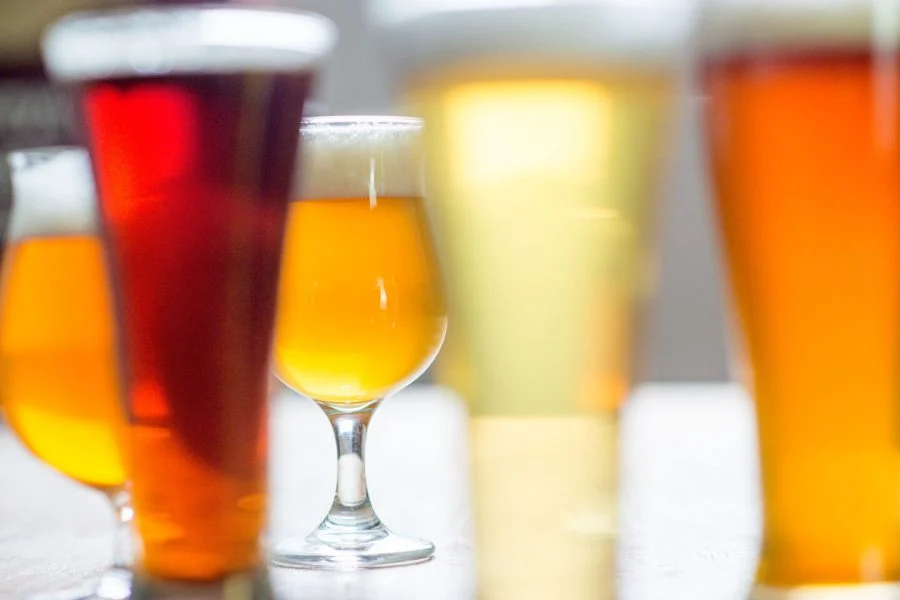
Category 12: American Pale Ale is historically recognized as one of the most fiercely contested divisions in the competition. The style demands a delicate balance between malt complexity and hop assertiveness. Judges look for a golden to deep amber color, a clean fermentation profile, a medium-to-high hop aroma characterized by floral, fruity, citrus, or piney attributes, and a balanced bitterness that does not overpower the supporting malt backbone. To emerge victorious over 71 elite entries in this specific category signifies that the Naramores achieved an extraordinary level of technical execution and sensory harmony.
The Journey to the Podium: A Chronology of the 2026 Season
The path to the 2026 National Homebrew Competition Final Round is a months-long journey demanding unwavering dedication from participating brewers. While the general public sees only the final awards ceremony, the operational timeline of the competition spans nearly a year of preparation, brewing, packaging, and evaluation.
The season typically commences in the late autumn or early winter months, when registered AHA members begin refining their recipes for submission. For brewers like Jamye and Cody Naramore, recipe formulation is an iterative process involving multiple pilot batches, incremental adjustments to hop profiles, and sensory evaluations conducted within the collaborative environment of local homebrew clubs.
By early spring, the first-round submission window opens. Brewers carefully package their carbonated beverages in standard bottles or cans, ensuring proper sanitation, temperature control during transit, and preservation against oxidation. Once received by competition organizers, the entries are cataloged, sorted by style, and distributed to regional judging panels.
Throughout the spring, first-round judges evaluate thousands of submissions, providing detailed score sheets that offer constructive feedback regarding aroma, appearance, flavor, mouthfeel, and overall impression. Entrants who score high enough to earn first-, second-, or third-place ribbons at the regional level qualify automatically for the final round.
The final round culminates in the summer during the peak of the competition season. Here, the surviving entries are re-judged by a master panel to determine the ultimate gold, silver, and bronze medalists. The announcement of the Naramores as gold medalists in Category 12 at the conclusion of this exhaustive process marks the definitive high point of their amateur brewing careers to date, placing them in an elite echelon of contemporary craft creators.
The Role of Local Brewing Clubs in Amateur Success
A critical catalyst behind the Naramores’ triumph is their active affiliation with the Kansas City Bier Meisters. Regional homebrew clubs play an indispensable role in the development of American amateur brewing culture. These organizations provide structured environments where members can share equipment, pool resources, conduct blind tastings, and engage in rigorous peer review.

In clubs like the Kansas City Bier Meisters, experienced brewers mentor novices, while veteran competitors constantly challenge one another to elevate their standards. The collective knowledge base of a prominent club often acts as an incubator for innovation, allowing members to experiment with novel yeast strains, experimental hop varieties, and advanced brewing techniques long before those trends reach commercial markets.
The success of Jamye and Cody Naramore reflects not only their individual dedication but also the supportive, highly technical ecosystem fostered by the Kansas City brewing community. Such clubs serve as the foundational bedrock for the broader American craft beer industry, frequently supplying professional breweries with visionary founders, talented head brewers, and innovative recipes.
Data and Demographics of Modern Homebrewing
To fully appreciate the magnitude of the Naramores’ victory, it is necessary to examine the broader statistical landscape of contemporary homebrewing. According to industry data compiled by the American Homebrewers Association and related trade organizations, millions of individuals across North America actively engage in the production of fermented beverages at home.
While the hobby experienced a massive surge in popularity during the expansion of the craft beer movement in the 2010s, the modern homebrewing demographic has evolved into a highly specialized community of culinary scientists and dedicated hobbyists. Participants invest significant capital in precision equipment, including temperature-controlled fermentation chambers, reverse osmosis water filtration systems, stainless steel conical fermenters, and kegging infrastructure.
The National Homebrew Competition regularly receives thousands of entries across dozens of distinct categories, ranging from traditional lagers and ales to experimental goses, wild ales, fruit meads, and artisanal ciders. Winning a gold medal in a core style category like American Pale Ale—which attracts a disproportionately high volume of submissions due to the style’s enduring popularity—requires navigating a statistical gauntlet where margins of error are measured in fractional points on a 50-point scale.
Implications and Broader Impact of Amateur Excellence
The achievements of amateur brewers at competitions like the National Homebrew Association’s flagship event carry profound implications for the broader commercial beverage landscape. Historically, the homebrewing community has served as the R&D laboratory for the American craft beer industry. Countless commercial microbreweries, regional taprooms, and nationally distributed brands trace their origins back to a garage, basement, or kitchen where founders experimented with grain bills and hop combinations.
When competitors like Jamye and Cody Naramore formulate a gold-medal-winning American Pale Ale, they are demonstrating a mastery of brewing fundamentals that rivals many professional operations. Their success reinforces the symbiotic relationship between homebrewing and commercial brewing, where techniques pioneered and perfected in domestic settings frequently migrate into the commercial market, influencing consumer palates and driving industry trends.
Furthermore, the recognition of regional participants from communities like Quenemo, Kansas, demonstrates that world-class culinary and beverage arts are not confined to major metropolitan epicenters. Access to global ingredient markets, digital educational resources, and collaborative club networks enables brewers anywhere in the country to achieve international-standard execution.
Looking Ahead: The Future of the Naramore Legacy
As the dust settles on the 2026 National Homebrew Competition Final Round, the brewing community turns its attention toward the future. For Jamye and Cody Naramore, holding a gold medal in Category 12 elevates their status within the national homebrewing hierarchy and sets a high benchmark for their future creative endeavors.
Whether they choose to leverage this recognition to transition into the commercial brewing sector, continue refining their craft as dedicated hobbyists, or mentor the next generation of Kansas City Bier Meisters members, their contribution to the rich tapestry of American amateur brewing is firmly cemented. Their gold-medal-winning recipe now stands as a referenced standard of excellence, inspiring current and future brewers to pursue precision, patience, and passion in every batch they produce.
The American Homebrewers Association continues to provide resources, educational materials, and competitive platforms to support practitioners of the craft, ensuring that the standard of amateur brewing in the United States remains extraordinarily high. Through the dedication of individuals like the Naramores, the tradition of homebrewing remains a vibrant, evolving cornerstone of American culinary culture.