The universal human desire for an extended, vibrant life has never been more pronounced than in the 21st century. As advancements in medicine and public health continue to push the boundaries of human longevity, the focus has increasingly shifted from merely living longer to living healthier for longer. This aspiration has fueled a multi-billion dollar industry centered around "health optimization," promising everything from disease reversal and enhanced vitality to seemingly limitless lifespans. However, amidst a deluge of advice from fitness influencers, authors, and podcasters, a critical question emerges: Are the often ultra-specific, advanced protocols advocated by many truly necessary, effective, or even worth the significant investment of time, effort, and money they demand? This article delves into the contemporary landscape of health and longevity, examining the claims, costs, and sustainable pathways to well-being.
The Evolving Quest for Longevity and Health
Humanity’s journey toward a longer life is a testament to progress. At the dawn of the 20th century, global average life expectancy hovered around 31 years. By 2020, this figure had more than doubled, reaching approximately 73 years. This dramatic increase is largely attributable to monumental strides in public health, including improved sanitation, widespread vaccination programs, the discovery of antibiotics, and enhanced nutritional understanding. These foundational changes laid the groundwork for disease prevention and significantly reduced infant mortality, allowing more individuals to survive into adulthood and old age.
However, as basic survival became more assured in many parts of the world, the focus broadened. The latter half of the 20th century saw the rise of preventative medicine, emphasizing lifestyle choices to avoid chronic diseases like heart disease, diabetes, and certain cancers. The 21st century has introduced a new paradigm: "health optimization." This movement extends beyond mere disease prevention, aiming to maximize physical and cognitive performance, extend "healthspan" (the period of life spent in good health), and even push the boundaries of maximum human lifespan. This shift reflects a societal aspiration not just to exist, but to thrive at every age.
Navigating the Modern Health Landscape: Promises and Pitfalls
The digital age has democratized access to information, but also amplified the voices of self-proclaimed gurus and experts. The "health optimization" sphere is replete with individuals offering elaborate blueprints for achieving peak health. These range from promises of reversing chronic disease through highly restrictive diets, extending a youthful glow with complex supplement regimens, or even living to 115 – or "forever" – via cutting-edge biohacking techniques. The appeal is undeniable, tapping into deeply ingrained desires for control over one’s health and destiny.
The core questions that confront individuals seeking genuine longevity and health advice are multifaceted: Are these highly specialized, often expensive, and time-consuming protocols truly indispensable for achieving desired health outcomes? Do they offer significant advantages over more conventional, accessible methods? And, perhaps most critically, do the benefits, real or perceived, justify the substantial trade-offs required in terms of financial outlay, personal time, and mental bandwidth?
The Allure of Advanced Protocols
The attraction to advanced health protocols stems from several factors. The desire for tangible results, the appeal of novelty, and the perception that "more complex" equates to "more effective" all play a role. Many individuals, having tried standard advice with limited success or seeking an edge, are drawn to promises of "bio-individuality" and "personalized solutions." This has led to the proliferation of niche diets such as ketogenic, paleo, or carnivore, often promoted with claims of metabolic transformation. Similarly, the market for supplements has exploded, with everything from NMN and resveratrol for cellular health to adaptogens for stress reduction, all positioned as essential components of an optimized lifestyle. Advanced monitoring devices, genetic testing services, and even specialized clinics offering IV drips and hormone therapies also fall under this umbrella, promising data-driven insights and bespoke interventions.
While some of these approaches may have nascent scientific backing or anecdotal support, their widespread, unregulated promotion by non-experts often blurs the line between evidence-based practice and speculative experimentation. The promise of "optimization" often implies a level of perfection that can be elusive, leading to a relentless pursuit of marginal gains that may overshadow more fundamental, impactful strategies.
Deconstructing the True Cost of "Optimal" Health
The pursuit of "optimal" health, as defined by many contemporary trends, comes with considerable costs that extend beyond mere monetary value. Understanding these trade-offs is crucial for making informed decisions about one’s health journey.
Financial Investment
The financial burden of many "optimal" health protocols can be substantial. A typical regimen might involve a combination of high-end supplements, specialized organic or ethically sourced foods, advanced fitness trackers or smart rings, personalized coaching services, and membership to boutique fitness studios or longevity clinics. For instance, monthly supplement costs for a comprehensive "biohacking" stack can easily run into hundreds of dollars, with some individuals spending upwards of $500-$1000 per month on various pills and powders. Specialized dietary ingredients, often imported or rare, can significantly inflate grocery bills. Genetic testing services might cost several hundred dollars, while annual subscriptions to advanced health monitoring apps or devices can add another few hundred. Personal trainers specializing in "longevity" or "functional fitness" may charge $100-$200 per hour or more. Over a year, these expenditures can accumulate into thousands, if not tens of thousands, of dollars, making such comprehensive "optimization" largely inaccessible to the average individual.
Time and Effort Commitment
Beyond financial outlay, the time and effort demanded by these protocols can be immense. Adhering to highly specific dietary plans often requires extensive meal planning, grocery shopping for specialty ingredients, and time-consuming preparation. Rigorous exercise routines might involve daily gym visits, specialized training modalities, and recovery protocols that consume several hours per week. Detailed tracking of metrics—from sleep cycles and heart rate variability to glucose levels and nutrient intake—can become an almost full-time occupation, requiring constant data entry and analysis. This level of commitment can leave little room for spontaneity, social activities, or other life pursuits, transforming health from a supportive element of life into its central, dominating force.
Psychological and Social Repercussions
Perhaps the most overlooked costs are the psychological and social repercussions. The relentless pursuit of perfection can foster an obsessive mindset, where minor deviations from the "optimal" plan are met with anxiety or guilt. This hyper-focus on metrics and minute details can lead to orthorexia (an unhealthy obsession with healthy eating), body dysmorphia, or general health anxiety. The need to adhere to strict routines can also isolate individuals from social situations where food choices or activity levels might conflict with their protocols. Dining out, celebrating with friends, or simply relaxing without tracking every input can become sources of stress rather than enjoyment. This constant striving for an unattainable ideal can paradoxically diminish overall quality of life and mental well-being, negating the very purpose of seeking "health."

The Principle of Diminishing Returns
A critical concept often overlooked in the rush for "optimization" is the principle of diminishing returns. This principle posits that initial efforts in any domain yield the largest gains, but subsequent, more extreme efforts produce progressively smaller benefits for disproportionately higher costs. In health, this means that foundational habits—eating a balanced diet, engaging in regular physical activity, getting adequate sleep, managing stress, and maintaining social connections—provide the vast majority of health and longevity benefits.
For example, transitioning from a sedentary lifestyle to moderate regular exercise (e.g., 150 minutes of moderate-intensity activity per week) offers significant improvements in cardiovascular health, mood, and chronic disease risk. However, progressing from moderate exercise to an extreme, professional athlete-level training regimen, while potentially offering marginal performance gains, comes with substantially higher risks of injury, burnout, and time commitment, with often negligible additional longevity benefits for the average person. Similarly, shifting from a diet high in processed foods to one rich in whole foods delivers profound health improvements. Refining that diet to include only specific, rare "superfoods" or meticulously balanced macronutrient ratios may offer only tiny, if any, additional health advantages, yet demands immense effort and expense. The core question becomes: at what point does the pursuit of marginal gains detract from a fulfilling life?
The Foundation of Sustainable Longevity: Evidence-Based Approaches
In contrast to the complex and often costly "optimization" protocols, a substantial body of scientific evidence consistently points towards a set of fundamental, accessible, and sustainable lifestyle habits as the most effective drivers of long-term health and longevity.
The Power of Fundamental Habits
- Balanced Nutrition: A diet rich in whole, unprocessed foods, including plenty of fruits, vegetables, whole grains, lean proteins, and healthy fats, forms the bedrock of good health. This approach emphasizes variety and moderation over extreme restriction, supporting stable energy levels, nutrient intake, and digestive health.
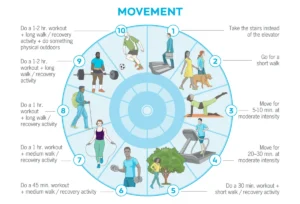
- Regular Physical Activity: Engaging in a mix of aerobic exercise, strength training, and flexibility work for at least 150 minutes of moderate-intensity or 75 minutes of vigorous-intensity activity per week, as recommended by major health organizations, is crucial for cardiovascular health, muscle maintenance, bone density, and mood regulation.
- Adequate Sleep: Prioritizing 7-9 hours of quality sleep per night is non-negotiable for cognitive function, hormonal balance, immune health, and physical recovery. Chronic sleep deprivation is linked to numerous health issues, including increased risk of obesity, diabetes, and heart disease.
- Stress Management: Chronic stress can have detrimental effects on nearly every bodily system. Incorporating stress-reducing practices such as meditation, mindfulness, spending time in nature, hobbies, or deep breathing exercises is vital for mental and physical well-being.
- Social Connection: Strong social ties and a sense of community are consistently linked to longer lifespans and better mental health outcomes. Combatting loneliness and fostering meaningful relationships are as important as diet and exercise.
The Scientific Consensus
Leading health organizations, medical professionals, and public health experts consistently advocate for these foundational habits. Studies of "Blue Zones"—regions of the world where people live significantly longer and healthier lives (e.g., Okinawa, Japan; Sardinia, Italy; Nicoya, Costa Rica)—reveal commonalities not in advanced biohacking, but in these very fundamentals: plant-heavy diets, regular natural movement, strong social networks, and a sense of purpose. These populations demonstrate that longevity is often a byproduct of a balanced, integrated lifestyle, rather than a result of hyper-specific, engineered interventions.
The consensus from the scientific community underscores that while cutting-edge research into aging biology is promising, the most impactful and accessible strategies for the vast majority of people lie in consistent, sustainable adherence to these well-established health practices. These approaches are not only effective but also inherently more enjoyable and integrated into a balanced life, avoiding the psychological burdens of extreme optimization.
Empowering Informed Choices in a Complex World
In a world saturated with conflicting health advice, the ability to discern credible information from marketing hype is paramount. Organizations dedicated to evidence-based nutrition and fitness education play a crucial role in demystifying complex topics and offering practical, sustainable guidance. They provide resources that enable individuals to understand the underlying science, assess the true costs and benefits of various strategies, and ultimately make choices that align with their personal health goals and lifestyle preferences.
The emphasis should shift from chasing an elusive "optimal" state to building robust, resilient health that supports a life well-lived. This means prioritizing strategies that are sustainable in the long term, affordable, and adaptable to individual circumstances, rather than rigid protocols that demand constant sacrifice. It involves understanding that health and longevity are not solely about extending years but enriching the quality of those years. The goal is to achieve the health and longevity one desires while simultaneously living a life that is enjoyable, fulfilling, and free from the tyranny of excessive self-monitoring and stringent rules.
The Path Forward: Clarity and Sustainable Well-being
The journey toward a longer, healthier life need not be an arduous, expensive, and all-consuming endeavor. While the allure of "optimization" can be strong, clarity emerges when one critically evaluates the true costs against the actual benefits. For most individuals, significant health and longevity gains are achieved through consistent, fundamental lifestyle choices—a balanced diet, regular exercise, adequate sleep, effective stress management, and strong social connections. These are the pillars upon which sustainable well-being is built, offering profound returns with minimal trade-offs.
Resources such as comprehensive infographics and detailed articles from reputable sources aim to provide this clarity, offering research-backed insights into what truly takes to live as long and healthy as possible. Such materials often include practical assessments to help individuals understand where their current health efforts stand and identify the most impactful changes they can make. This approach empowers individuals to take control of their health journey without succumbing to the pressures of extreme or unsustainable practices.
For professionals in the health and wellness sector, understanding these dynamics is critical. Coaches and educators have a vital role in guiding individuals toward sustainable nutrition and lifestyle habits that genuinely improve physical and mental health. Equipping themselves with evidence-based knowledge and coaching methodologies, such as those offered through accredited nutrition coaching certifications, enables them to help clients navigate the complex health landscape, achieve their goals, and ultimately foster a healthier, more fulfilling life for themselves and their communities.
References and Further Resources
For a comprehensive understanding of the information sources referenced in this discussion and for further exploration of sustainable health and longevity strategies, individuals are encouraged to consult materials provided by leading health organizations and reputable educational platforms. These resources often include detailed infographics, in-depth articles, and assessments designed to offer practical insights into healthy aging and effective lifestyle interventions.