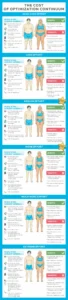
The universal aspiration for a longer, healthier life has never been more pronounced, captivating individuals across demographics and spurring a burgeoning industry dedicated to what is frequently termed "health optimization." While the desire to extend one’s lifespan and enhance vitality is deeply ingrained, the modern landscape is awash with an overwhelming array of claims and protocols, championed by fitness influencers, authors, and podcasters, all promising to unlock the secrets to reversing chronic disease, maintaining a youthful glow, or even achieving radical life extension. This proliferation of information, often presented as groundbreaking or exclusive, prompts critical questions regarding the efficacy, necessity, and true cost of such advanced methodologies. Are these ultra-specific and frequently demanding protocols truly essential or even effective? Furthermore, what are the genuine requirements in terms of effort, time, and financial investment? Most critically, do the perceived benefits justify the significant trade-offs involved in pursuing these "optimal" states? Precision Nutrition, through a comprehensive infographic and an accompanying article, aims to dissect these questions, offering clarity on how individuals can attain their desired health and longevity while simultaneously fostering a life rich in enjoyment and balance.
The Contemporary Quest for Longevity and Vitality
Humanity’s enduring fascination with longevity dates back millennia, embedded in myths, philosophies, and early medical practices. However, the 21st century has witnessed an unprecedented acceleration in this pursuit, driven by a confluence of factors. Scientific breakthroughs in genetics, cellular biology, and gerontology have begun to demystify the aging process, offering tantalizing glimpses into potential interventions. Concurrently, an aging global population, particularly in developed nations, has amplified public and private sector interest in extending healthy lifespans to mitigate the socioeconomic pressures of an increasingly elderly populace. This societal shift, coupled with the pervasive influence of digital media, has given rise to a vibrant, often unregulated, "longevity culture." From Silicon Valley billionaires investing in anti-aging startups to social media personalities promoting exotic supplements and extreme dietary regimens, the narrative is clear: living longer and healthier is not just possible, but an achievable goal for those willing to commit.
The sheer volume of information can be overwhelming. Enthusiasts are encouraged to "optimize" every facet of their existence, from intricate dietary modifications to advanced biohacking techniques. The promise is not merely a few extra years but a qualitatively superior existence, free from the ravages of age-related decline. This narrative, while appealing, often overlooks the practicalities and potential pitfalls of such an intensive approach.
Deconstructing the "Health Optimization" Spectrum
The array of strategies touted for "health optimization" spans a wide spectrum, often blending established scientific principles with nascent research and speculative theories. Understanding this landscape requires categorization:
- Dietary Extremes and Specialized Regimens: Beyond general healthy eating guidelines, the optimization movement frequently champions highly restrictive or specific diets. Examples include ketogenic diets for metabolic flexibility, extended fasting protocols for autophagy, elimination diets to identify sensitivities, and superfood-centric approaches promising unparalleled nutrient density. These often come with a heavy reliance on specialized supplements, from vitamins and minerals to nootropics and exotic herbal extracts, all marketed with claims of enhancing cognitive function, boosting energy, or reversing cellular aging.
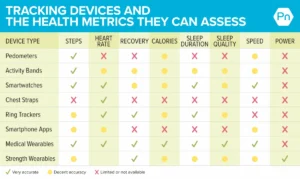
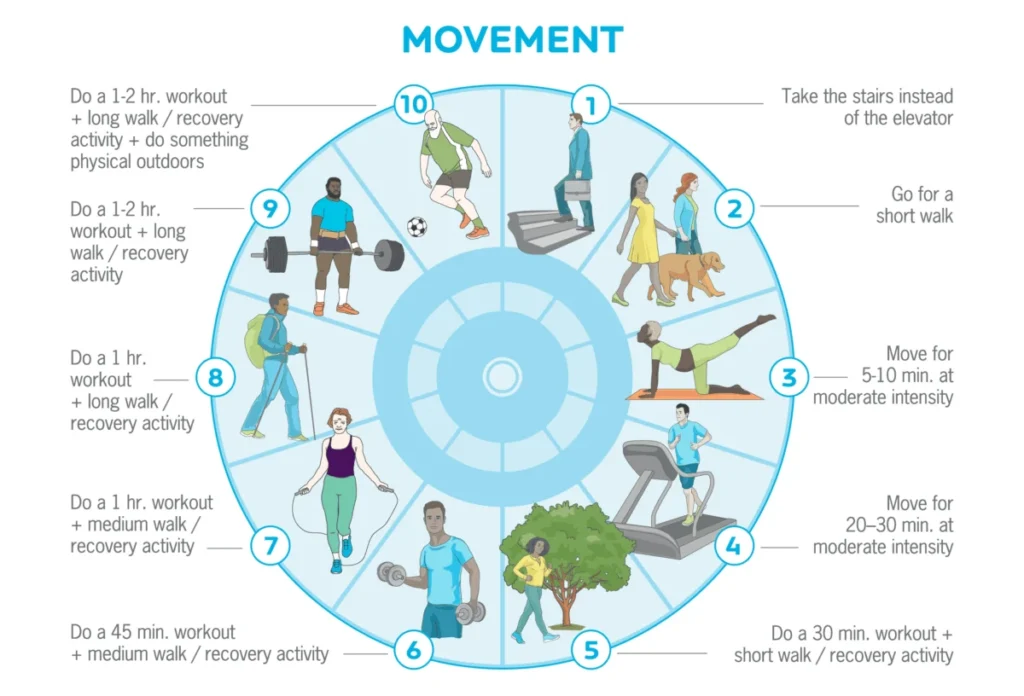
- Intensive Fitness Protocols: While regular exercise is universally acknowledged for its health benefits, "optimization" often pushes beyond general recommendations. This includes high-intensity interval training (HIIT) for cardiovascular health, advanced strength training for muscle preservation, and precise "Zone 2" cardio for mitochondrial efficiency. Wearable technology plays a significant role here, enabling meticulous tracking of heart rate variability, sleep patterns, and recovery metrics, turning personal fitness into a data-driven science experiment.
- Biohacking and Emerging Technologies: Perhaps the most futuristic aspect of health optimization involves biohacking. This encompasses a range of practices and technologies, some with preliminary scientific backing, others purely experimental. Examples include cold plunges or cryotherapy for inflammation reduction, red light therapy for skin health and cellular repair, hyperbaric oxygen therapy for tissue regeneration, and various intravenous therapies. Supplementation with compounds like NMN (nicotinamide mononucleotide) and NAD+ boosters, aimed at enhancing cellular energy production, is also prevalent in this sphere, despite ongoing debates about their human efficacy and long-term safety.
- Sleep and Stress Management Refinement: While basic principles of sleep hygiene and stress reduction are widely accepted, optimization efforts delve deeper. This involves sophisticated sleep tracking devices, personalized sleep environments, and complex meditation or mindfulness practices, often incorporating biofeedback mechanisms. The goal is not merely adequate sleep or stress reduction but achieving an "optimal" physiological state conducive to peak performance and longevity.
The common thread uniting these diverse approaches is the promise of transcending baseline health to reach an "optimal" state. This often implies that conventional healthy living is insufficient, and that truly extraordinary results require extraordinary, often costly and demanding, interventions.
The True Cost: Beyond the Price Tag
The pursuit of "optimal" health carries a multifaceted cost that extends far beyond monetary expenditure. While the financial burden can be substantial, the demands on time, mental energy, and social life are equally significant, often overlooked in the enthusiasm for promised benefits.
- Financial Investment: The cost of specialized diets can be prohibitive, requiring organic produce, niche ingredients, and a constant supply of often expensive supplements. Biohacking devices, from high-end infrared saunas to advanced sleep trackers and home cryotherapy units, represent significant capital investments. Furthermore, engaging with personal trainers, nutrition coaches specializing in "optimization," or attending exclusive longevity clinics can amount to thousands, if not tens of thousands, of dollars annually. For many, these expenses are simply unattainable, creating a two-tiered health system where "optimal" health becomes a luxury commodity.
- Time and Effort Commitment: Adhering to ultra-specific protocols demands immense time and discipline. This includes meticulous meal planning and preparation, often involving elaborate recipes or specialized cooking techniques. Extensive workout routines might consume several hours daily, requiring dedication to tracking, analysis, and recovery. Furthermore, many biohacking practices, such as daily cold plunges or extended fasting windows, integrate seamlessly into an "optimized" schedule, adding layers of complexity and constraint to daily life. The constant research required to stay abreast of the latest trends and validate claims also consumes valuable time.
- Mental and Emotional Toll: Perhaps the most insidious cost is the psychological burden. The relentless pursuit of "optimization" can foster an unhealthy preoccupation with health metrics, leading to anxiety about "slipping up" or not being "optimal." This can manifest as orthorexia, an unhealthy obsession with healthy eating, or other forms of disordered eating. The constant self-monitoring and performance pressure can erode mental well-being, paradoxically undermining the very goal of a healthier life. The rigid adherence to specific protocols can also lead to social isolation, as individuals may find it challenging to participate in social gatherings that involve food or activities that deviate from their strict regimens. The fear of aging or illness, rather than being alleviated, can sometimes be amplified by the constant focus on avoiding it.
- Opportunity Cost: Every hour, dollar, and unit of mental energy directed towards "optimization" represents an opportunity cost. What else could individuals be doing with that time, money, and focus? Perhaps pursuing hobbies, strengthening relationships, engaging in community service, or simply enjoying moments of leisure without the pressure of performance. A life solely dedicated to optimizing biological parameters risks becoming one where the richness of human experience is sacrificed for the sake of potential longevity.
Expert Perspectives and the Scientific Consensus
Against the backdrop of enthusiastic "optimization" claims, the broader scientific and professional health community often presents a more measured perspective. Organizations like Precision Nutrition, through their educational materials and certifications, emphasize a balanced, evidence-based approach to health and longevity.

- Precision Nutrition’s Advocacy for Sustainable Habits: The core message from reputable organizations often revolves around the power of fundamental, sustainable habits. They argue that significant improvements in physical and mental health, leading to increased longevity, are primarily achieved through consistent adherence to well-established principles: a balanced diet rich in whole foods, regular physical activity, adequate and restorative sleep, and effective stress management techniques. Their accompanying article, "The True Cost of ‘Optimal’ Health—Here’s what it really takes to live as long and healthy as possible," directly challenges the notion that extreme measures are necessary for profound health benefits.
- The Scientific Community’s Caution: Mainstream scientific research largely supports the efficacy of foundational health practices. While specific areas like fasting or certain supplements show promise, scientists typically advocate for more rigorous, long-term human studies before endorsing widespread adoption. Many "biohacks" lack robust clinical evidence, relying instead on anecdotal reports or preliminary animal studies. Medical professionals consistently advise individuals to consult with their healthcare providers before embarking on radical dietary changes or supplement regimens, especially given potential interactions with medications or underlying health conditions. The concept of "diminishing returns" is particularly relevant here: the first 80% of health benefits often come from adhering to basic, accessible habits, while chasing the final 20% of "optimization" can require disproportionately high investments for marginal, sometimes unproven, gains.
- Ethical Considerations in Marketing: The "longevity industry" is largely unregulated, leading to concerns about the marketing tactics employed by some influencers and companies. Claims of "miracle cures" or "revolutionary breakthroughs" often lack scientific substantiation, preying on public anxiety about aging and illness. This highlights the critical importance of media literacy and the ability to critically evaluate health information, discerning credible sources from those driven by commercial interests.
Foundational Health Versus Extreme Optimization: A Clear Distinction
The distinction between pursuing foundational health and engaging in extreme optimization is crucial for making informed decisions.
- Pillars of Foundational Health: Based on decades of epidemiological research and clinical trials, the cornerstones of a long and healthy life are clear:
- Whole-Food, Balanced Nutrition: Emphasizing fruits, vegetables, lean proteins, whole grains, and healthy fats, while minimizing processed foods, excessive sugars, and unhealthy fats.
- Regular Physical Activity: A mix of aerobic exercise, strength training, and flexibility, tailored to individual capabilities and preferences. The World Health Organization recommends at least 150-300 minutes of moderate-intensity aerobic activity, or 75-150 minutes of vigorous-intensity aerobic activity, per week for adults.
- Sufficient, Quality Sleep: Aiming for 7-9 hours of restorative sleep per night, recognizing its critical role in cellular repair, hormone regulation, and cognitive function.
- Effective Stress Management: Developing coping mechanisms for stress through mindfulness, meditation, hobbies, or social interaction, acknowledging its profound impact on physical and mental health.
- Strong Social Connections: Research consistently shows that robust social networks and a sense of community are powerful predictors of longevity and well-being.
- Purpose and Meaning: Engaging in activities that provide a sense of fulfillment and direction contributes significantly to mental health and resilience.
These principles are accessible to most, cost-effective, and have a vast body of evidence supporting their efficacy in preventing chronic diseases and extending healthy lifespans.
- The Nature of Extreme Optimization: In contrast, extreme optimization often involves:
- Rigid Protocols: Highly prescriptive diets and exercise routines that leave little room for flexibility or social engagement.
- Expensive Interventions: Reliance on costly supplements, devices, or therapies that may not have robust scientific backing.
- Focus on Marginal Gains: Prioritizing minor improvements in specific biomarkers over overall well-being and quality of life.
- Potential for Obsession: The risk of developing an unhealthy preoccupation with health, leading to anxiety and social isolation.
While some individuals may genuinely benefit from targeted, evidence-based interventions under medical supervision, the generalized push for "optimization" often obscures the profound impact of simpler, more sustainable choices.
The "Enjoyable Life" Paradox and Broader Implications
The original article’s promise to help individuals achieve health and longevity "while living a life you enjoy" encapsulates a critical tension within the optimization movement. If the pursuit of extended life requires sacrificing the very joy of living, what is the ultimate value? An overly rigid, restrictive, and expensive health regimen can paradoxically diminish present-day quality of life, leading to stress, social isolation, and a constant feeling of falling short. True longevity should ideally encompass not just years lived, but years lived well, with vitality, purpose, and strong connections.
The broader implication is a call for critical thinking and discernment in navigating the complex landscape of health information. Individuals are encouraged to:
- Question Claims: Be skeptical of promises that sound too good to be true, especially those lacking peer-reviewed scientific evidence.
- Seek Reputable Sources: Prioritize information from certified professionals, academic institutions, and established health organizations over anecdotal evidence or influencer endorsements.
- Embrace Individualization: Recognize that what works for one person may not work for another. Health strategies should be tailored to individual needs, preferences, resources, and health status, ideally in consultation with a healthcare provider.
- Focus on Sustainability: Choose habits that can be maintained consistently over the long term, rather than intense, short-lived interventions.
Conclusion
The desire to live longer and healthier is a fundamental human drive, and the advancements in health science offer exciting prospects. However, the contemporary discourse around "health optimization" often presents a challenging landscape, filled with compelling but potentially misleading claims. Precision Nutrition’s exploration, presented through its infographic and detailed article, serves as a crucial guide, encouraging individuals to evaluate the true costs—financial, temporal, and psychological—against the promised benefits of ultra-specific and often extreme protocols.
The overwhelming consensus from reputable health experts is that the most impactful and sustainable path to a longer, healthier life lies in consistent adherence to foundational health habits: balanced nutrition, regular exercise, adequate sleep, and effective stress management, alongside strong social connections. These are the pillars that yield significant, measurable benefits without demanding prohibitive sacrifices or risking mental well-being.
For those seeking to understand how their current efforts stack up and what truly makes the biggest difference, resources like The Longevity Assessment offer a practical starting point. By fostering an understanding of what genuinely contributes to well-being, individuals can make informed choices that lead not only to extended lifespans but also to lives rich in vitality, enjoyment, and purpose. Moreover, for professionals passionate about guiding others towards these sustainable habits, the PN Level 1 Nutrition Coaching Certification offers a pathway to making a meaningful impact while building a fulfilling career. The journey to a longer, healthier life need not be an arduous, costly, or isolating quest, but rather a balanced and enjoyable integration of proven principles into everyday living.