
The relentless pursuit of extreme longevity, exemplified by tech entrepreneur Bryan Johnson and his widely publicized "Project Blueprint," has brought the concept of "biological age testing" into mainstream consciousness. Johnson, known for founding Braintree and Kernel, embarked on this ambitious endeavor to not only halt but reverse the aging process. His journey, chronicled in the Netflix documentary Don’t Die, involves an annual expenditure reportedly in the millions, funding an intricate regimen of anti-aging treatments. This includes dozens of daily supplements, weekly acid peels, collagen-boosting injections, hyperbaric oxygen therapy, and even plasma infusions sourced from his 17-year-old son.
At the core of Johnson’s strategy is the meticulous tracking of his biological age (bio age) through numerous tests. He claims these assessments indicate a reversal of 5.1 years in his biological age since the project’s inception, suggesting he is "aging in reverse." However, Johnson’s claims have not been without scrutiny. A prominent New York Times exposé challenged his assertions, reporting that his biological age had, in fact, increased by ten years according to their investigation. This discrepancy highlights a critical debate within the scientific community and the burgeoning longevity industry regarding the reliability and interpretation of bio age testing.
Despite such controversies, Johnson’s "don’t die" crusade has undeniably amplified public interest in anti-aging and bio age measurement. The topic is frequently discussed on popular podcasts hosted by figures like Peter Attia, Joe Rogan, and Andrew Huberman. A simple online search for "bio age testing" yields numerous advertisements for mail-order blood or urine testing kits, promising insights into one’s biological age, the pace of aging, and various health markers. As these tests become more affordable and accessible, a fundamental question arises for individuals and health professionals alike: Should one engage in bio age testing, and if so, which tests offer the most reliable information, and how should that data inform health decisions?
Understanding Biological Age: Beyond the Calendar
To grasp the essence of bio age testing, it’s crucial to distinguish between chronological age and biological age. Chronological age is simply the number of years one has lived, marked by birthdays. Biological age, conversely, reflects the functional and structural integrity of an individual’s cells, tissues, and organs. It’s a measure of how "old" your body actually is, considering factors like genetics, lifestyle, environment, and disease status.
Consider two individuals, both chronologically 50 years old. Chang leads a sedentary life, works a desk job, consumes an unhealthy diet, lives in a highly polluted urban environment, and smokes. Jabari, on the other hand, exercises regularly, maintains a balanced diet rich in vegetables, lives in a less polluted area, practices stress reduction through meditation, and avoids smoking. While both share the same chronological age, it is highly probable that Jabari’s biological age is significantly younger than Chang’s due to his healthier lifestyle choices. This illustrative example underscores that biological aging is not a fixed, linear process but a dynamic interplay of numerous factors.
The Science of Measurement: How Bio Age Tests Work
Bio age testing kits typically measure one or more biological markers of aging, known as biomarkers, derived from blood, urine, or saliva samples. These biomarkers reflect various cellular and molecular processes associated with aging.
Telomere Length: Some tests focus on the length of telomeres, which are protective caps at the ends of chromosomes. Telomeres shorten with each cell division, acting like a cellular clock. Once they become critically short, cells can no longer divide and enter a state of senescence or programmed cell death. Shorter telomeres are generally associated with older biological age and an increased risk of age-related diseases. However, telomere length is influenced by genetic factors, oxidative stress, inflammation, and lifestyle. The scientific consensus on telomere length as a sole, universally reliable biomarker for individual biological age in healthy populations remains a subject of ongoing research and debate.
DNA Methylation and Epigenetic Clocks: A more sophisticated and increasingly prevalent method involves measuring DNA methylation, a physiological process where methyl groups are added to DNA molecules. These methylation patterns change predictably with age. Scientists have developed "epigenetic clocks" (e.g., Horvath Clock, Hannum Clock, PhenoAge, DunedinPACE) that analyze specific methylation sites across the genome to estimate biological age. These clocks are statistical models trained on large datasets to correlate methylation patterns with chronological age and various health outcomes. DunedinPACE, for example, aims to measure the pace of aging, rather than just a static biological age, offering insights into an individual’s rate of physiological decline. While highly valuable as research tools to study the impact of lifestyle and interventions on aging, their precision and clinical utility for personalized health decisions in the consumer market are still being refined.
When a company isolates and measures these markers from a biological sample, the data is then fed into proprietary algorithms to calculate a bio age. It’s important to note that many common medical tests already track biomarkers of aging that doctors use to assess risk for age-related diseases. For instance, blood pressure, cholesterol levels, and blood glucose are well-established indicators that predict the risk of cardiovascular disease and type 2 diabetes, both leading causes of premature death.
The Purpose of Biomarker Testing: Monitoring and Motivation
Biomarker testing offers several potential benefits. Firstly, it enables proactive wellness monitoring, allowing individuals to identify potential health trends before overt disease symptoms manifest. This shifts the focus from reactive treatment to preventative care.
Secondly, for many, receiving objective data about their biological age can serve as a powerful motivator. Learning that one’s body shows signs of aging faster than their chronological age might provide the necessary impetus to adopt healthier habits, such as consistent exercise, improved nutrition, or stress management.
Finally, biomarkers provide quantitative data, allowing individuals and their healthcare providers to track the effectiveness of various health interventions. Monitoring blood pressure, for instance, might reveal that regular physical activity improves readings, while a reliance on energy drinks has the opposite effect. This data-driven approach can help tailor and optimize lifestyle modifications.
Accessible Biomarkers: Free and Doctor-Approved Tests
While high-tech commercial tests garner significant attention, numerous scientifically validated biomarkers of aging can be assessed for free or as part of routine medical care, requiring no billionaire budget. These fundamental assessments were often used by researchers to calculate the pace of aging long before advanced blood-based tests became available.
Five Free Biomarker Tests:
-
The Sitting-Rising Test (SRT): This simple test assesses strength, flexibility, and balance—all crucial components of functional longevity. Studies have shown a strong correlation between low SRT scores and increased mortality risk, particularly from cardiovascular disease. A 12-year study involving 4,200 adults aged 46-75 found that those with lower scores faced a higher risk of death.
- How to measure it: Start by standing. Lower yourself to the floor into a crisscross-legged position, then stand back up, keeping your legs in the same position. Begin with 10 points. Deduct one point for each time you use a hand, knee, shin, or forearm for support. Subtract half a point if you lose balance or become unsteady. A score of 8 or more is generally considered good. A low score indicates potential deficiencies in balance, coordination, muscle strength, and mobility, warranting attention.
-
Grip Strength: A robust indicator of overall muscle strength and, consequently, overall fitness. Weak grip strength is often a predictor of future muscle weakness throughout the body. Research has linked low grip strength to various adverse health outcomes, including cardiovascular disease, cancer, cognitive decline, and reduced longevity. One study even suggested it was a better predictor of longevity than blood pressure.
- How to measure it: Squeeze a standard tennis ball as hard and long as possible. A grip holding for 15-30 seconds is satisfactory, while over 90 seconds places you in the upper third percentile. For more precise measurement, a hand-held dynamometer, available at many physical therapy clinics and some gyms, provides an objective reading.
-
One-Foot Stand Test: This test evaluates balance, a critical function that involves the intricate coordination of the eyes, inner ear, skeletal muscles, and brain. Maintaining balance is essential for preventing falls, a leading cause of injury and death among older adults. An inability to balance on one foot for an adequate duration can signal underlying health issues like diabetes, heart disease, or neurological impairments.
- How to measure it: Stand near a wall or chair for safety, hands on hips, eyes open. Lift your dominant leg and time how long you can hold the position. Repeat with the non-dominant leg. Compare your times to age-matched averages; for instance, a 50-59-year-old male averages 42 seconds, while a female averages 48 seconds.
-
Fatigue Assessment (Pittsburgh Fatigability Scale): While subjective, persistent fatigue (not just temporary tiredness) can be an early warning sign of underlying health problems. Fatigability, defined as how worn out one feels after an activity, has been linked to increased mortality risk in older adults and declines in physical function.
- How to measure it: Rate your perceived fatigue (0-5 scale, 0=no fatigue, 5=extreme fatigue) after performing various activities (e.g., 30 minutes of leisurely walking, 1 hour of light household activity, 30 minutes of strength training). A total score below 15 is excellent, 15-24 suggests a warning sign, and 25 or above indicates severe fatigability that warrants consultation with a healthcare professional.
-
Body Composition (Tape Measure Method): The ratio of muscle to fat, rather than just total body weight, is a crucial biomarker. Both excessive body fat and insufficient muscle mass negatively impact health. High body fat increases risks for heart disease, diabetes, cancer, and inflammation, while low muscle mass (sarcopenia) is linked to similar conditions, plus falls, cognitive decline, and accelerated cellular aging.
- How to measure it: Measure your waist circumference (at the navel), hip circumference (at the widest point), and neck circumference (just below the larynx). Plug these measurements, along with your age, sex, height, and weight, into an online body fat calculator (e.g., Precision Nutrition’s free tool) to estimate your body fat percentage.
Doctor-Approved Biomarker Tests (Often Covered by Insurance):
-
Comprehensive Blood Panel: Annual blood work is a cornerstone of preventative care. Key markers provide invaluable insights into metabolic, cardiovascular, and inflammatory health, which are strongly tied to the aging process.
- Key Markers and Optimal Ranges:
- Total Cholesterol (< 200 mg/dL): General indicator of lipid health.
- LDL ("Bad" Cholesterol) (< 100 mg/dL; < 70 mg/dL for those with heart disease history): Directly linked to atherosclerosis.
- HDL ("Good" Cholesterol) (> 60 mg/dL): Protective against heart disease.
- Triglycerides (< 150 mg/dL): Elevated levels increase heart disease risk.
- Apolipoprotein B (Apo B) (< 133 mg/dL males; < 117 mg/dL females): A more precise measure of atherogenic particles.
- Lipoprotein (a) (< 30 mg/dL): A genetic risk factor for cardiovascular disease.
- C-reactive protein (CRP) (< 2.0 mg/L): A marker of systemic inflammation, linked to chronic disease.
- Fasting Glucose (< 100 mg/dL): Indicator of blood sugar regulation.
- Hemoglobin A1C (< 5.7%): Reflects average blood sugar over 2-3 months, crucial for diabetes risk.
- These markers are often responsive to lifestyle changes within weeks to months, making them excellent tools for monitoring interventions.
- Key Markers and Optimal Ranges:
-
Bone Density (DEXA Scan): Strong bones are a hallmark of healthy aging and longevity, as evidenced in studies of "super-agers" over 90. Bones are metabolically active organs that secrete hormones like osteocalcin, theorized to play roles in energy metabolism, muscle function, and brain health. Loss of bone density (osteopenia, osteoporosis) significantly increases fracture risk, which can lead to a cascade of health complications and increased mortality for up to a decade post-break.
- How to measure it: Dual-energy X-ray absorptiometry (DEXA) scans measure bone mineral content. These are typically recommended for individuals over 65 or younger individuals with specific risk factors (e.g., family history, certain medications, low body weight, early menopause, chronic steroid use). A T-score of +1.0 to -1.0 is normal; below -1.0 indicates low bone density.
Commercial Bio Age Tests: A Deeper Look at Emerging Technologies
For those willing to invest financially, the commercial market offers several high-tech bio age tests. However, critical evaluation is paramount, as the scientific validation and clinical utility of these consumer-grade tests vary.
Important Caveats:
- Variability: Biological age can fluctuate based on lifestyle, stress, and recovery. Furthermore, different organs can age at different rates (e.g., heart vs. kidneys).
- Accuracy: Commercial tests may not always accurately reflect the impact of lifestyle changes, as the science is still evolving. Focus on consistent healthy behaviors regardless of isolated test results.
- Commercial Interests: Be wary of companies that pair test results with aggressive sales pitches for proprietary supplements or expensive protocols. Always discuss results with a trusted healthcare professional.
Commercial Test Categories:
-
DNA Methylation Tests (e.g., Horvath Clock, DunedinPACE): These tests analyze specific methylation patterns in blood samples to estimate biological age or the pace of aging. While developed as powerful research tools to study aging, their direct clinical application for individuals in the consumer market is still under scientific scrutiny. They typically cost around $300. It’s crucial to remember that these tests primarily reflect methylation status in the sampled tissue (e.g., blood) and do not provide a complete picture of aging across all organs. They serve as valuable indicators in research but are not a substitute for comprehensive annual wellness checkups.
-
Telomere Analysis (qPCR Telomere Test): While the flow-FISH test is a medically recognized tool for diagnosing genetic diseases associated with abnormally short telomeres, the qPCR telomere test widely marketed to the public (around $100) lacks strong scientific validation for predicting aging in healthy individuals. Its utility for health and fitness decision-making is limited, serving primarily as a curiosity rather than a reliable diagnostic or predictive tool.
-
VO2 Max Testing: VO2 max, the maximum amount of oxygen the body can utilize during intense exercise, has long been a benchmark for elite athletes. More recently, it has gained recognition as a robust biomarker for tracking the rate of physiological aging and predicting all-cause mortality. Individuals with higher VO2 max tend to be more physically fit and have a lower risk of developing chronic diseases like heart disease, diabetes, cancer, and stroke.
- Physiological Basis: VO2 max declines with age due to various physiological changes, including increased chest wall rigidity, weaker respiratory muscles, reduced cardiac output, decreased muscle mass, and less efficient mitochondrial function. It serves as a "canary in the coal mine" for systemic physiological decline.
- Measurement Methods:
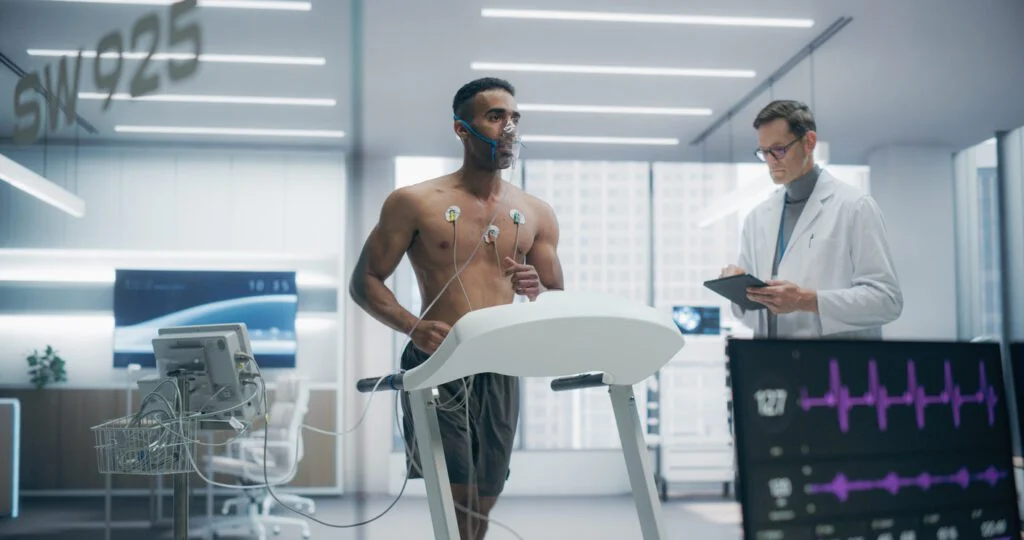
- Lab-based Testing: The gold standard involves running or cycling to exhaustion while wearing a metabolic mask and heart monitor, typically costing around $150. This method provides the most accurate measurement of VO2 max and other metrics like lactate threshold and caloric expenditure.
- 1-Mile Walk Test: A practical, though less accurate, estimation method. Walk one mile on a flat surface, recording heart rate and time, then use a specific formula or online calculator.
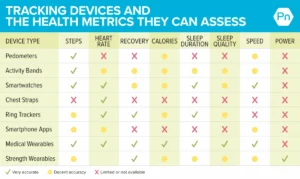
- Smartwatch Estimates: Many smartwatches provide VO2 max estimates based on workout data, age, and sex. While not as precise as lab tests, they can effectively track trends in fitness over time.
- Cooper Test (12-Minute Run Test): A validated field test where you run as far as possible in 12 minutes on a flat surface. The distance covered can be plugged into a formula or online calculator to estimate VO2 max with approximately 90% correlation to lab measurements.
Changing Your Biological Age: From Data to Action
Understanding your biological age or various biomarkers should be viewed as informative data, not a definitive judgment. It’s a snapshot in time, offering insights into areas that may require attention, and crucially, it is not a permanent state. The human body possesses remarkable plasticity, and many aspects of biological aging can be influenced through targeted lifestyle interventions.
However, many people make two common mistakes when attempting to leverage this information for longevity:
-
Ignoring Evergreen, High-Impact Strategies: The most profound and sustainable improvements in biological age and overall health stem from consistent adherence to fundamental, often "boring," health practices. These are the "big rocks" of longevity:
- Nutrient-dense diet: Prioritizing whole, unprocessed foods, abundant fruits and vegetables, lean proteins, and healthy fats.
- Regular physical activity: Incorporating a mix of cardiovascular exercise, strength training, and flexibility/balance work.
- Adequate, restorative sleep: Aiming for 7-9 hours of quality sleep per night.
- Effective stress management: Practicing mindfulness, meditation, spending time in nature, or engaging in hobbies.
- Strong social connections: Fostering meaningful relationships.
- Maintaining a sense of purpose: Engaging in activities that provide meaning and fulfillment.
- Avoiding toxins: Limiting exposure to pollutants, abstaining from smoking, and moderating alcohol intake.
- Thousands of studies unequivocally demonstrate that these strategies not only extend lifespan but also enhance "healthspan," leading to a stronger, happier, and more active later life. Yet, many individuals gravitate towards trendy, minimal-impact solutions (e.g., unproven supplements) instead of tackling foundational behavioral changes. This is often because significant behavioral shifts are challenging, highlighting the value of support from certified health coaches trained in the science of behavior change.
-
Failing to Translate Data into Action: Collecting biomarker data without subsequently modifying behavior is an exercise in futility. It’s akin to observing a problem in a mirror without taking steps to rectify it. Biomarker testing provides a baseline and a tool for evaluation. The true value lies in using this data to inform and assess the effectiveness of lifestyle changes or medical interventions aimed at achieving a longer, healthier life. Without consistent action, the investment in testing becomes meaningless.
In conclusion, the burgeoning interest in biological age testing, spurred by figures like Bryan Johnson, underscores a growing societal desire for personalized longevity strategies. While advanced commercial tests offer intriguing insights into our molecular selves, the foundation of healthy aging remains rooted in accessible, scientifically validated biomarkers and consistent adherence to proven lifestyle practices. The future of longevity lies not merely in measuring our biological age, but in empowering individuals to act on that information to cultivate a vibrant, extended life.