
The pervasive feeling of exhaustion after a long day, often accompanied by a daunting stare into the refrigerator, is a common human experience. This phenomenon, far from being a sign of laziness or lack of motivation, is a direct consequence of what experts call "decision fatigue." For individuals navigating the complexities of modern life, the sheer volume of choices, from professional tasks to personal responsibilities, can deplete mental resources, leaving little energy for even the simplest of decisions, such as what to prepare for dinner. Meal preparation emerges as a powerful strategy to combat this pervasive issue, offering a structured approach to food choices that conserves cognitive energy for more critical demands.
The core principle behind meal prep’s effectiveness lies in its ability to pre-emptively address a significant source of daily decision-making. By planning and preparing meals in advance, individuals effectively outsource the need to decide what to eat at a time when their mental energy is already at its lowest. This proactive approach transforms the evening routine from a taxing negotiation with oneself into a streamlined process, freeing up valuable cognitive bandwidth. This is particularly crucial as studies have indicated that our capacity for making sound judgments diminishes throughout the day.
Understanding Decision Fatigue: A Cognitive Drain
Decision fatigue, a concept gaining increasing recognition in psychology and behavioral economics, describes the deteriorating quality of decisions made by an individual after a long session of decision-making. Every choice, no matter how small, draws from a finite pool of mental energy. Consider the cumulative effect of daily decisions: selecting an outfit, prioritizing emails, determining the most pressing work tasks, planning errands, managing finances, attending to the needs of children, and ultimately, deciding on meals. By the time evening arrives, many individuals are operating on cognitive fumes, making them more susceptible to impulsive choices, such as ordering takeout or opting for less healthy, convenient options.

A compelling real-world example illustrating the impact of decision fatigue comes from research involving parole judges. A well-known study found that these judges were significantly more likely to grant parole earlier in the day or immediately following a meal break. As the day progressed and their mental reserves dwindled, the rate of favorable decisions declined sharply. This phenomenon underscores that even highly trained professionals, tasked with making consequential decisions, are susceptible to mental fatigue. The implications for everyday food choices are clear: when faced with a hungry stomach and depleted mental energy, the brain defaults to the path of least resistance, which often leads to suboptimal dietary outcomes.
The Amplifying Effect of Hunger on Decision Fatigue
The adage, "Hungry belly knows no love," transcends interpersonal relationships and offers a potent metaphor for the impact of hunger on decision-making. When individuals are underfed, stressed, or exhausted, their cognitive processes shift towards immediate gratification. The brain prioritizes quick solutions, often bypassing more beneficial, albeit less immediately satisfying, alternatives. This biological imperative explains why unplanned food purchases occur, why late-night snacking becomes a habit, and how a single night of convenience can cascade into an entire week of compromised eating habits.
Hunger, in essence, erodes patience and lowers standards. It primes the mind for immediate relief, making it harder to resist tempting, readily available food options. Meal preparation acts as a protective buffer against this physiological and psychological vulnerability. By making deliberate food choices when mentally alert and well-nourished, individuals equip themselves with a system that bypasses the need for critical decision-making during moments of weakness. The true power of meal prep, therefore, lies not in fostering an unattainable level of discipline, but in strategically reducing the cognitive load during times of peak vulnerability.
The Mechanics of Meal Prep’s Efficacy

Meal preparation is often misunderstood as a rigid regimen of consuming the same dishes for an entire week. In reality, its primary function is to minimize friction in daily life. It’s about making intelligent choices once, thereby eliminating the need for repeated, energy-sapping decisions later. When meals are pre-planned, individuals gain several tangible benefits:
- Reduced Mental Clutter: The constant internal debate about what to cook, whether takeout is deserved, or if snacking is a viable alternative is eliminated. This eliminates a significant source of mental friction.
- Consistent Healthy Eating: Having pre-prepared meals readily available makes it far easier to adhere to dietary goals, whether for health, weight management, or specific nutritional needs.
- Time Savings: While meal prep requires an initial time investment, it significantly reduces the time spent on meal planning, grocery shopping, and daily cooking, especially during busy weekdays.
- Financial Prudence: Planned meals and grocery lists help prevent impulse purchases and reduce the frequency of costly takeout orders, leading to potential cost savings.
- Empowerment: Knowing that meals are sorted provides a sense of control and accomplishment, contributing to overall well-being and reducing stress.
The most significant advantage, as highlighted by proponents of meal prep, is the elimination of the "negotiation" that often derails healthy intentions. The internal dialogue—"Should I cook?" "Do I deserve takeout?" "Maybe I’ll just snack"—is a draining mental back-and-forth. Meal prep effectively silences this internal debate, providing a clear and accessible solution. The meal is already prepared, and "future you" will undoubtedly be grateful for the foresight and effort invested.
Strategic Approaches to Mitigating Decision Fatigue Through Meal Prep
To effectively leverage meal prep for combating decision fatigue, a strategic and adaptable approach is key. The following five methods offer practical ways to integrate this practice into daily life:
1. Proactive Recipe Selection
A critical step in meal preparation is to bypass the frantic decision-making that often occurs mid-week. Instead of waiting until Tuesday evening to ponder Wednesday’s dinner, the selection of meals should ideally happen before the week commences. Even planning for three to four primary meals can provide substantial structure and alleviate the pressure of starting from scratch each evening. The objective is not necessarily to create an exhaustive seven-day menu, but to establish sufficient clarity to avoid the daily dilemma. Resources such as comprehensive recipe indexes can offer a wealth of simple, adaptable options, particularly for those struggling with lunch or dinner decisions. The ultimate goal is to cultivate clarity rather than an overwhelming array of choices.

2. Strategic Grocery Shopping
The grocery store can become a minefield of unplanned purchases and forgotten necessities if approached without a plan. Walking in without a defined list often leads to acquiring random snacks and lacking the essential ingredients for planned meals. Meal preparation begins at the grocery store, not solely in the kitchen. Before embarking on shopping, it is crucial to determine:
- The Number of Meals to Prepare: This dictates the quantity of ingredients needed.
- Specific Recipes or Meal Components: This ensures all necessary items are on the list.
- Dietary Needs and Preferences: This guides ingredient choices and avoids waste.
A well-constructed grocery list functions as a vital decision-making tool, streamlining the shopping process, saving money, reducing stress, and minimizing the need for multiple store visits.
3. Embracing Simplicity in Meal Design
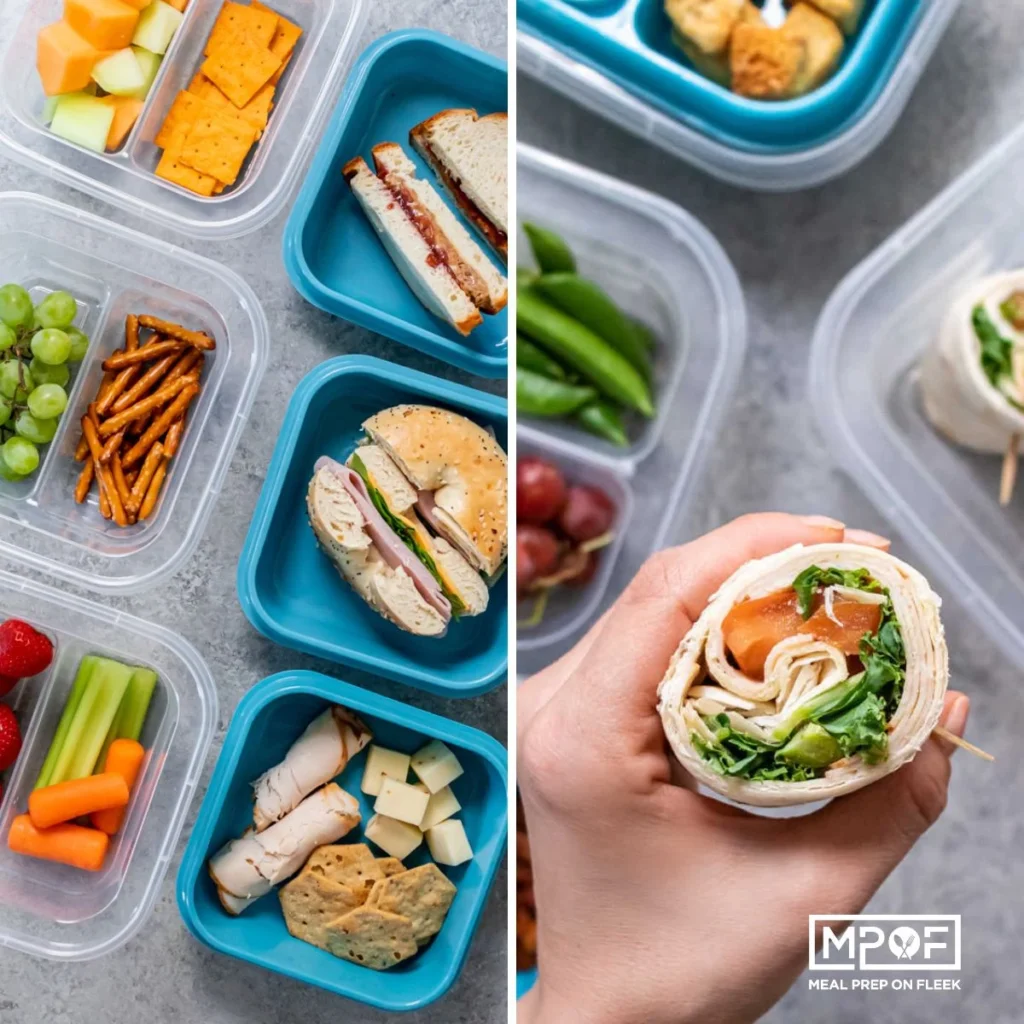
A common pitfall in meal prepping is overcomplicating the process with elaborate recipes. The principle of "simple wins" is paramount. A balanced meal can effectively consist of a protein, a carbohydrate, and a vegetable. The pursuit of restaurant-quality dishes every night is unnecessary and can be counterproductive. Many of the most effective meal prep strategies involve straightforward combinations. Examples include:
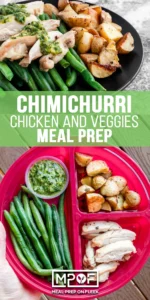
- Roasted chicken or fish with steamed or roasted vegetables and a grain like quinoa or brown rice.
- Lentil soup or chili, which can be made in large batches and easily reheated.
- Hard-boiled eggs, a portable and versatile protein source.
- Pre-portioned salads with a variety of vegetables and a lean protein.
- Overnight oats or pre-made smoothie packs for quick breakfasts.
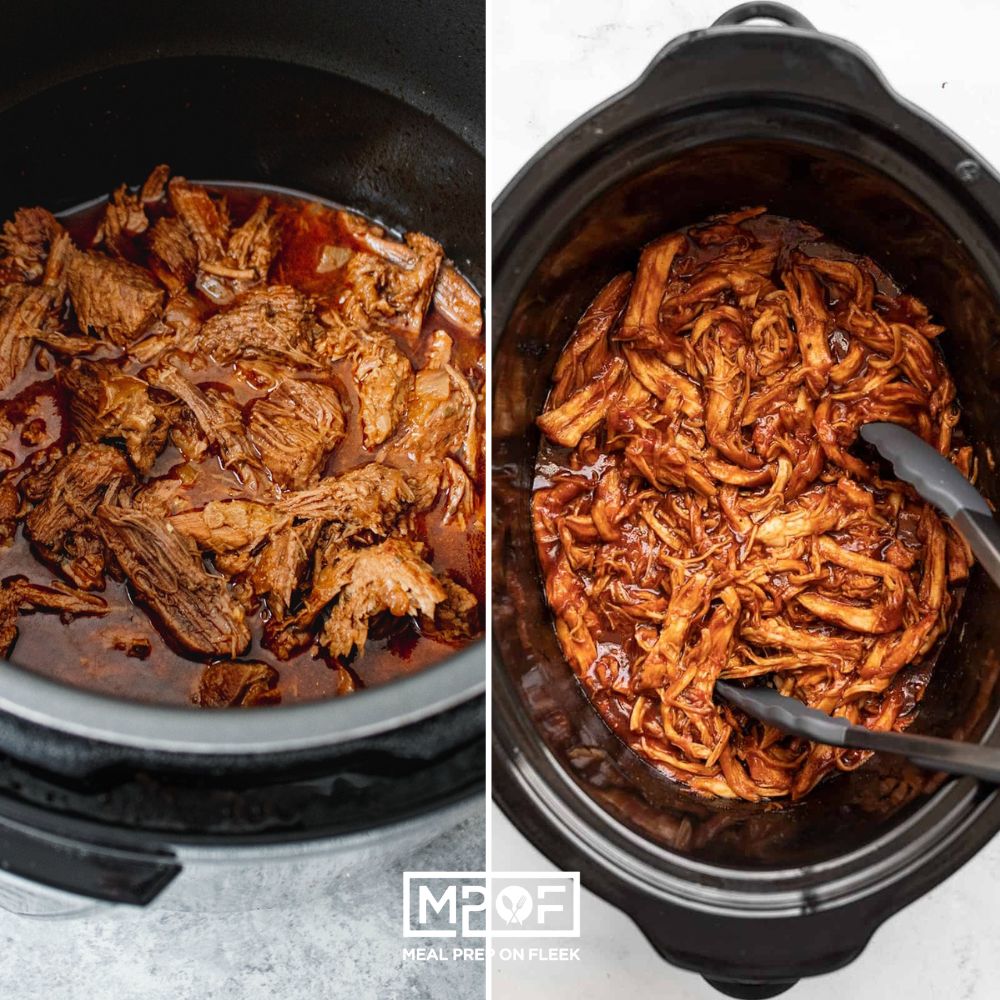
For those seeking to minimize hands-on cooking time, exploring sheet pan meals or slow cooker recipes can be highly beneficial. This approach requires a minimal planning investment upfront but yields significant time savings and decision-making relief later.
4. Adapting Recipes to Personal Circumstances
The notion that a healthy recipe is inherently suitable for everyone’s lifestyle is a fallacy. A recipe’s health benefits are rendered moot if it doesn’t align with an individual’s weekly schedule, digestive sensitivities, or personal preferences. For individuals with packed schedules, complex recipes are impractical. Similarly, forcing oneself to consume foods that cause digestive discomfort, despite their perceived health benefits, is counterproductive. For those with unpredictable schedules, meals that are best consumed immediately after preparation may not be the ideal choice.
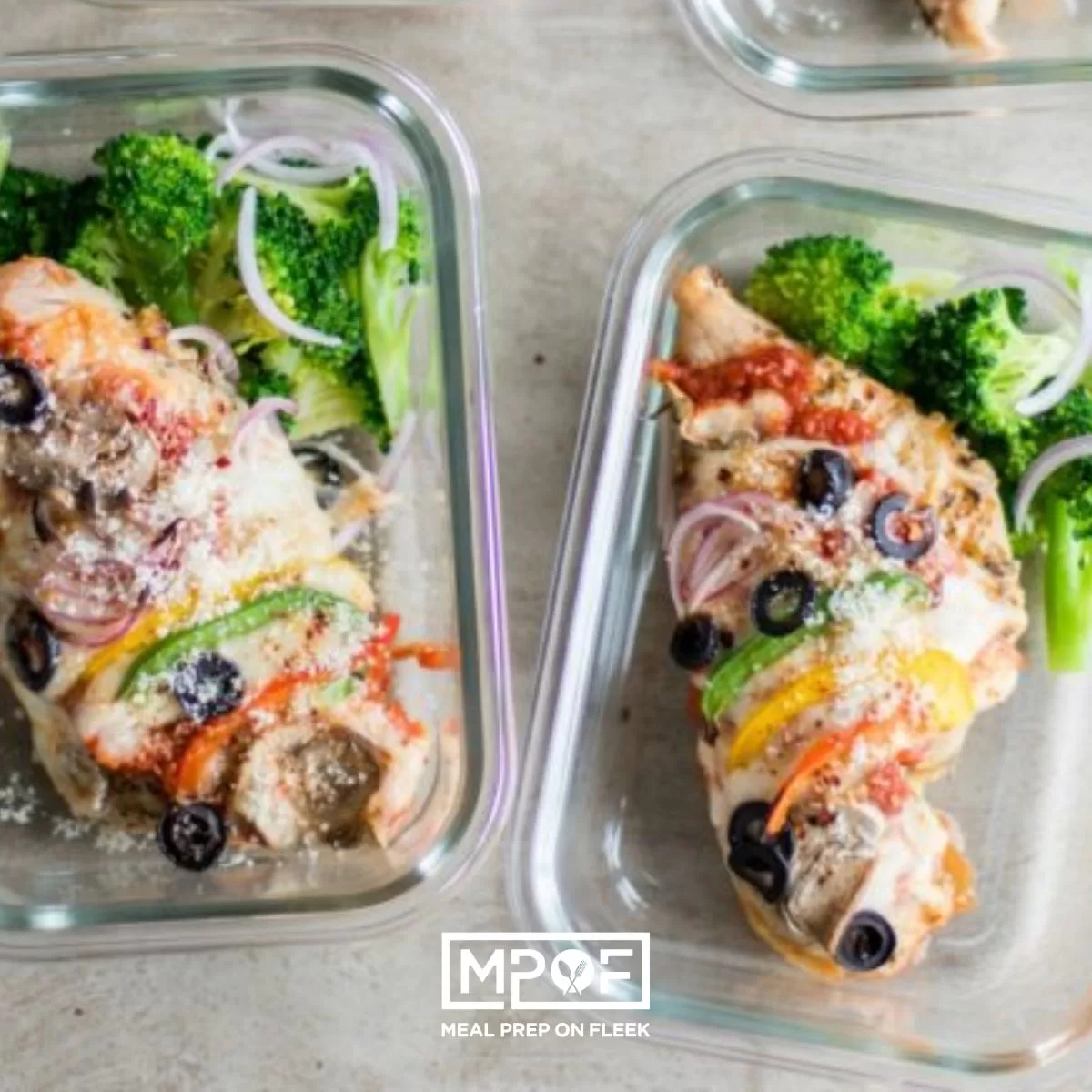
The essence of successful meal prep is adaptability. Recipes should complement, not dictate, one’s life. This may involve adjusting ingredients, simplifying cooking methods, preparing components separately, or transforming dinner into more flexible formats like bowls. The focus should be on achieving consistency, not unattainable perfection.
5. Prepping Components for Versatility
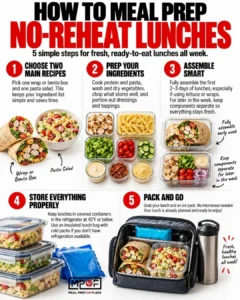
An often-overlooked yet highly effective meal prep strategy involves preparing individual components rather than complete, pre-portioned meals. This approach offers greater flexibility and prevents the monotony that can arise from eating identical dishes throughout the week. Examples of components that can be prepped include:
- Cooked lean proteins (chicken breast, ground turkey, tofu, beans).
- Cooked grains (quinoa, rice, farro).
- Chopped vegetables (onions, peppers, broccoli).
- Prepared sauces or dressings.
- Hard-boiled eggs.
This strategy allows for the creation of diverse meals with minimal effort. For instance, cooked chicken can be incorporated into rice bowls, wraps, salads, tacos, or simply served as a protein alongside vegetables. This provides a range of options without requiring individuals to make every decision from scratch, striking an ideal balance between structure and freedom.
Broader Implications and Frequently Asked Questions
The impact of meal preparation extends beyond individual kitchens, influencing health behaviors and potentially contributing to broader public health initiatives aimed at improving dietary habits. By equipping individuals with tools to manage their food choices proactively, meal prep can be a powerful component of wellness programs and educational outreach.
Does Meal Prep Really Help With Decision Fatigue?
Yes. Meal prep directly addresses decision fatigue by consolidating food-related choices into a single planning session. This reduces the mental burden of daily "what to eat" deliberations, particularly during times of low energy or high stress.
Does Meal Prep Help With Weight Loss?
Meal prep can be a significant aid in weight loss efforts. By minimizing impulsive food choices and ensuring healthier options are readily available, it facilitates adherence to dietary plans. While not a standalone solution, it provides a crucial structural advantage for individuals pursuing weight management goals. Tools like macro calculators can further support personalized weight loss strategies.
How Many Days Should I Meal Prep For?
Most individuals find that prepping for three to four days at a time is most effective. This approach balances the benefits of preparation with the need for freshness and variety, preventing meal fatigue. Consistency over quantity is the key; prepping a smaller number of days consistently is more beneficial than attempting a full week once and abandoning the practice.
What If I Hate Eating The Same Thing Every Day?
This concern can be addressed by focusing on prepping individual components rather than complete meals. Utilizing a versatile protein like grilled chicken in multiple dishes—salads, wraps, grain bowls, or stir-fries—offers variety without compromising the benefits of pre-prepared elements. Meal prep should feel flexible, not restrictive.
What Is The Best Meal Prep Strategy For Beginners?
For novices, the most effective strategy is to start small. Identify the meal category that causes the most stress—lunch, dinner, or breakfast—and focus on prepping that meal first. Gradually expanding the scope of meal prep as confidence and comfort grow is more sustainable than attempting to overhaul an entire food routine at once.
How Do I Stay Consistent With Meal Prep?
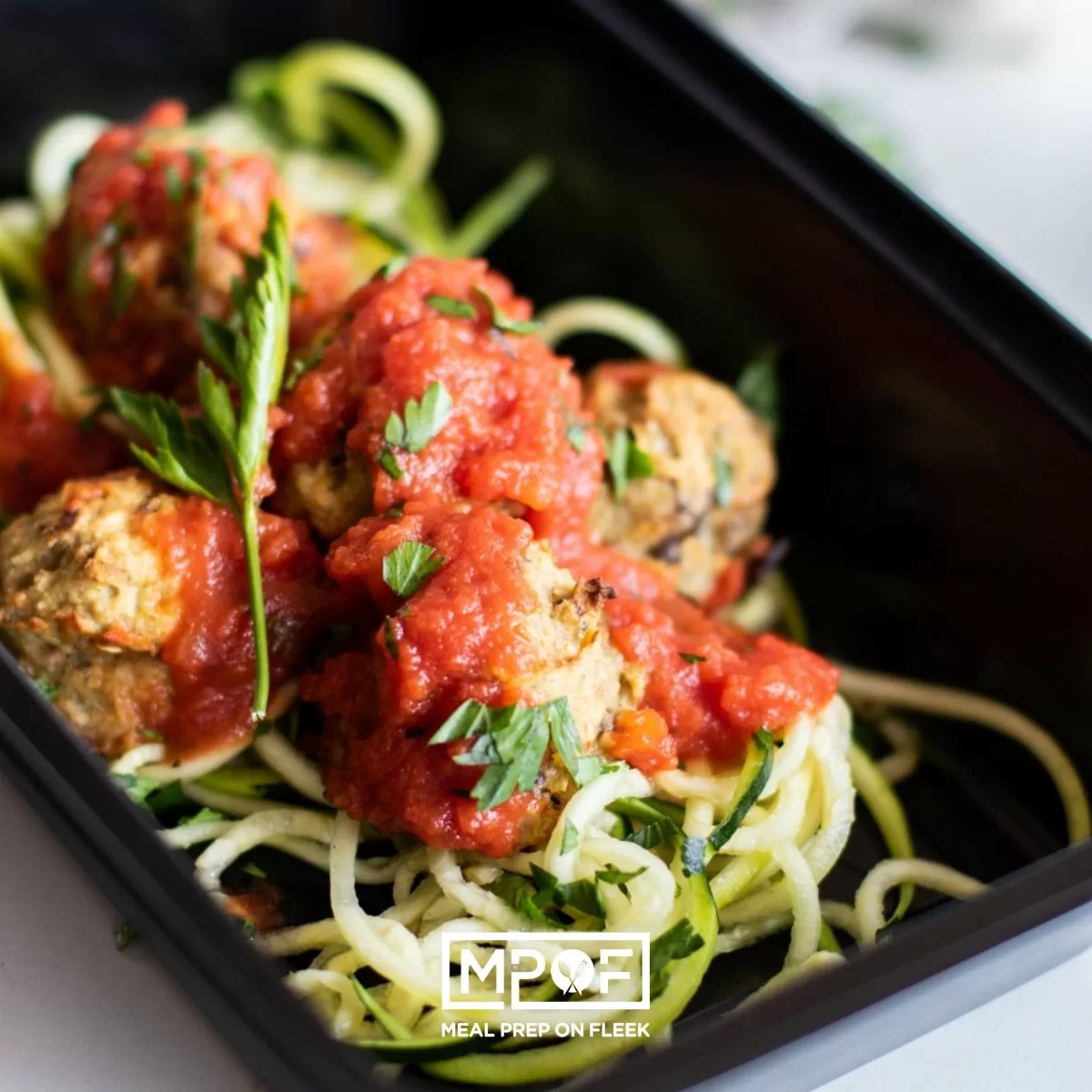
Consistency is fostered by making the process easier to repeat. This involves selecting simple recipes, utilizing grocery list templates, repeating enjoyable meals, and preparing only the quantity realistically needed. Sustainable consistency is achieved through reduced decision-making, not through forced discipline.
What Should I Do When My Meal Prep Plan Falls Apart?
Life inevitably introduces disruptions. When a meal prep plan falters, the key is to adjust rather than abandon the effort. Utilizing backup meals, freezing pre-prepared portions, shifting meal schedules, or recalibrating future prep quantities can help maintain momentum. A single deviation does not signify failure; it is an opportunity for learning and adaptation.