
The relentless pursuit of culinary perfection, particularly in the realm of artisanal bread baking, often leads enthusiasts down a path of increasing ambition and the eventual need for specialized equipment. For many home bakers, this journey begins with a modest desire for a slightly larger oven, a yearning that can quickly escalate into a serious quest for professional-grade tools. This evolution is vividly illustrated by the growing interest in and adoption of specialized ovens like the Rofco B40, a Belgian-made brick oven that has become a coveted asset for those looking to scale up their bread-making endeavors beyond the limitations of a standard home kitchen.
The transition from wishing for a bigger oven to actively seeking one is a natural progression for dedicated bakers. It stems from the desire to efficiently produce larger quantities of bread, moving from individual loaves to multiple batches that can serve gatherings, events, or even the nascent stages of a home-based micro-bakery. While baking large quantities of bread in a conventional home oven is certainly achievable, as many skilled bakers demonstrate, the right tools significantly enhance efficiency, allowing bakers to dedicate more time and focus to the nuanced aspects of their craft: flavor development, precise fermentation, dough handling, and shaping techniques. For many, the Rofco oven represents a logical and powerful step in this baking evolution.
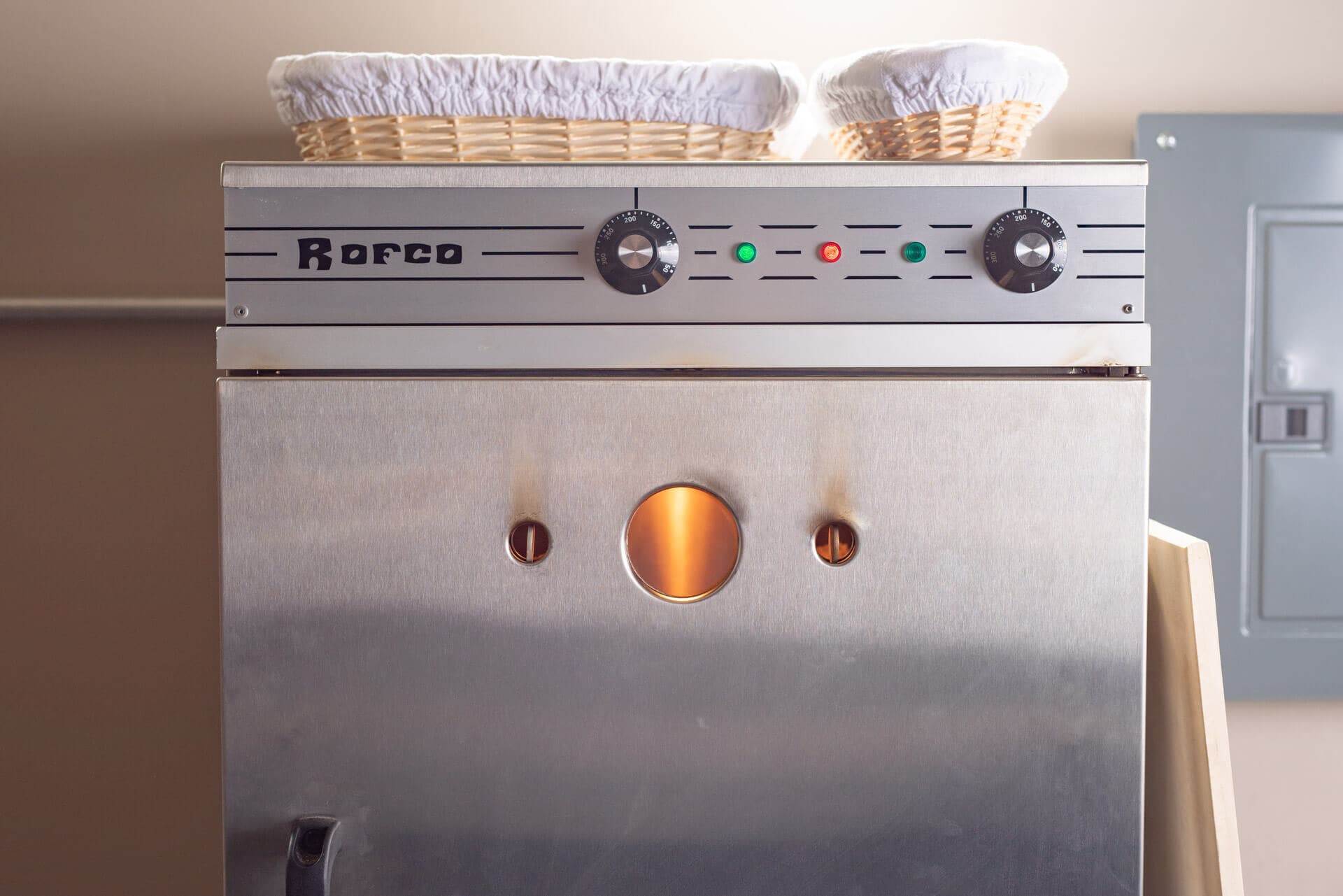
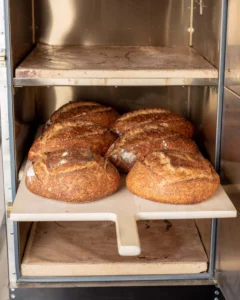
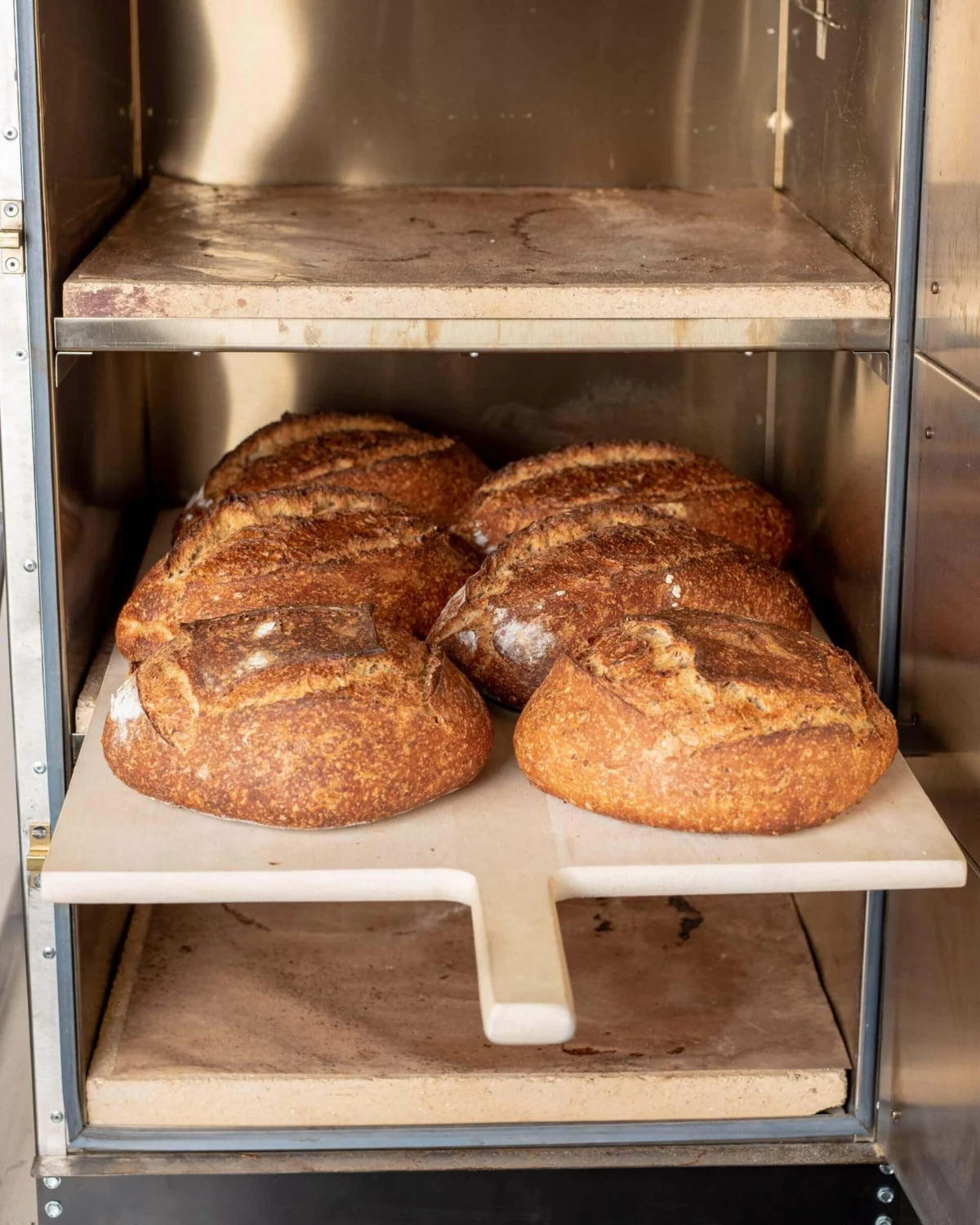
The Rofco oven, a compact yet robust piece of equipment, is designed with simplicity and functionality at its core. The B40 model, the largest available, features three square baking decks, each measuring approximately 18.9 inches by 18.9 inches. Its construction is characterized by a sealed oven chamber, which minimizes external radiant heat, allowing for closer placement to other kitchen appliances or walls. A key feature is its substantial chamotte (refractory brick) deck stones, measuring 1-3/8 inches thick. These stones possess excellent heat retention capabilities, ensuring consistent temperatures even after the oven door is opened for loading. This thermal mass allows for multiple consecutive bakes with minimal recovery time, a crucial advantage for any baker looking to maximize production.
The typical user’s journey to acquiring a Rofco oven often begins with a subtle, yet persistent, increase in baking volume and frequency, driven by an escalating passion for bread making. This can manifest in various ways: some bakers might expand their operations into what is commonly referred to as a "nano" or "micro-bakery," while others may venture into selling their creations at local farmers’ markets. Regardless of the specific impetus for scaling up, a comprehensive understanding of the oven’s operational parameters—including optimal tools, precise timings, accurate temperatures, and effective techniques—becomes paramount. This guide aims to consolidate such essential information, providing a single resource for those navigating the Rofco baking experience.
Understanding the Rofco Bread Oven
At its heart, the Rofco is a specialized electric brick oven engineered for baking bread. Manufactured in Belgium, these ovens are renowned for their straightforward, no-nonsense design. The Rofco B40, specifically, operates on standard 220V AC single-phase power, a common electrical configuration found in most modern homes (typically utilizing a 6-20P cord plug and a 6-20R receptacle). For installation, it’s often necessary to have a qualified electrician install a dedicated receptacle and breaker to safely power the oven.
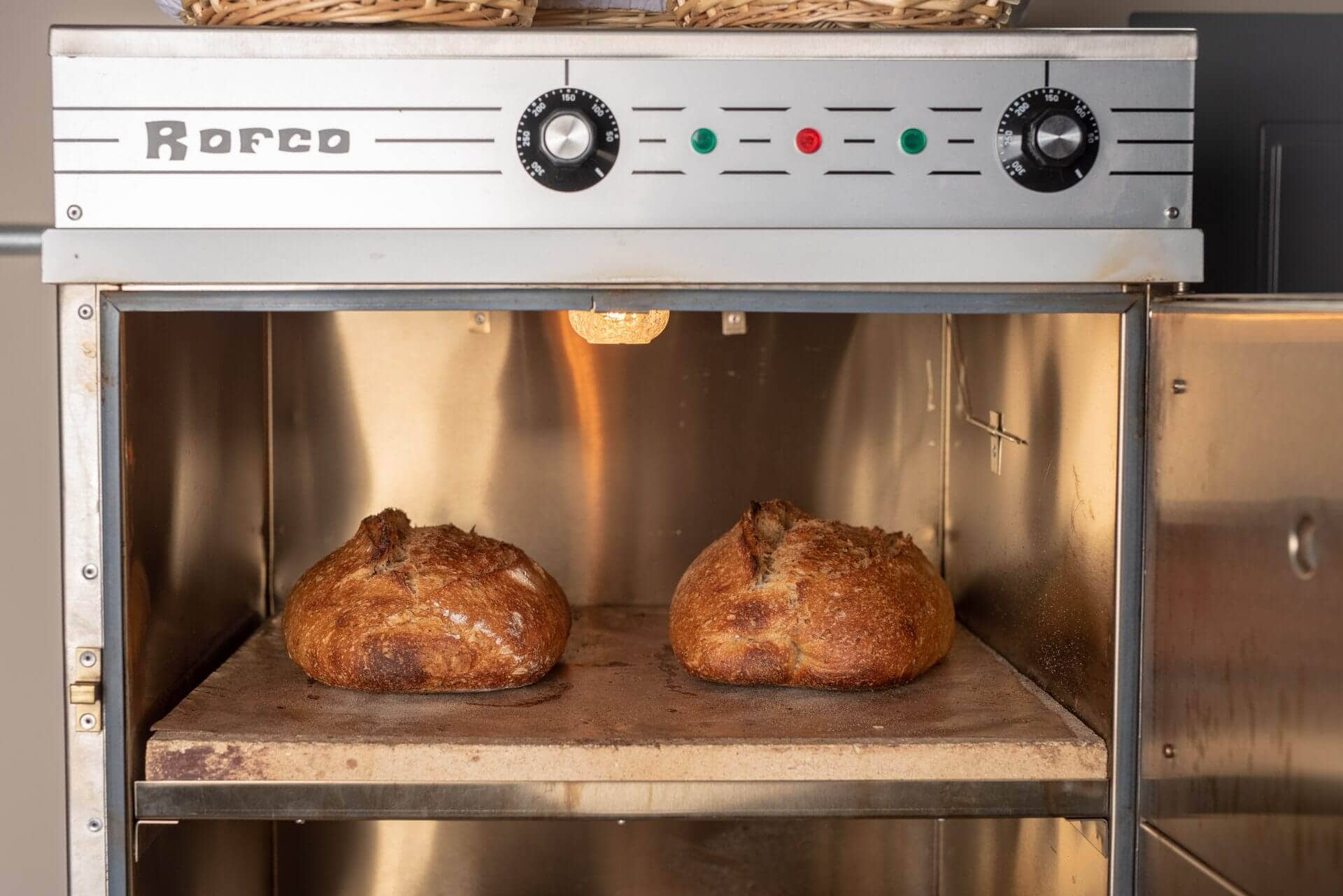
The oven’s interior is designed for efficient heat distribution and retention. The thick deck stones act as thermal batteries, absorbing and radiating heat to ensure a consistent bake from the bottom up. This is particularly beneficial for achieving the desired oven spring and crust development characteristic of well-baked bread. The sealed chamber, while excellent for heat containment, necessitates careful management of steam, a critical element in the early stages of bread baking.
The Rofco B40: A Baker’s Perspective
The author’s personal experience highlights the practical benefits of the Rofco B40. While capable of handling large-scale batches for events, the oven is frequently employed for baking four to six loaves at a time, a significant increase from typical home oven capacities. This efficiency makes it a valuable asset for both dedicated home bakers and those with professional aspirations. The oven is described as a "bare-bones workhorse," emphasizing its reliability and straightforward operation.
Acquiring the Rofco often involves specialized retailers. In the United States, for instance, Pleasant Hill Grain is frequently cited for its exceptional customer service and support for Rofco ovens. This includes responsive communication for inquiries and assistance with minor issues, underscoring the importance of reliable supplier relationships in the specialized equipment market.

Does the Rofco Bread Oven Live Up to the Hype?
For those contemplating the investment, the Rofco bread oven garners strong recommendations. Its appeal lies in its robust simplicity, ease of repair due to its uncomplicated design, and its consistent baking performance. It is presented as an ideal solution for home bakers who have outgrown the capacity of their standard ovens and are seeking to elevate their bread-making capabilities, whether for personal enjoyment or for a budding micro-bakery.
Maximizing Deck Space: Strategic Dough Placement
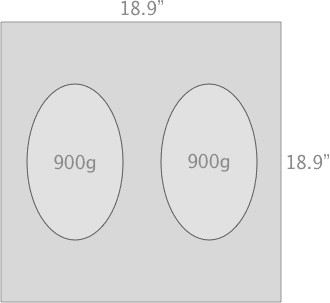
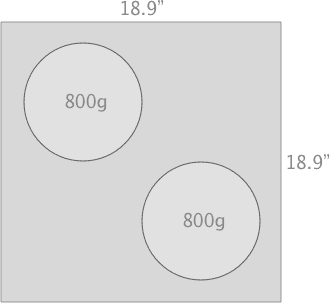
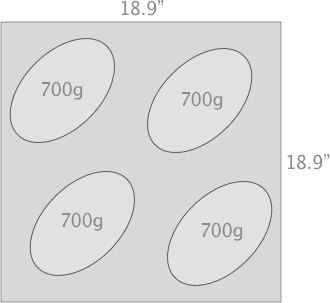
A fundamental aspect of baking with the Rofco, especially when maximizing capacity, involves strategic dough placement. This process can be likened to a game of real-life Tetris, where the goal is to fit the maximum number of loaves without them touching, while ensuring even baking across all surfaces. While professional bakers may have highly optimized systems, home bakers can adopt several common arrangements for the Rofco B40’s 18.9" x 18.9" decks.
The most common scenario for home use involves placing two 900g batard-shaped loaves per deck, positioned towards the front and back of the oven. For those baking round loaves (boules), two 800g boules can comfortably fit per deck. When aiming for higher volume, four 700g loaves can be arranged on each deck, requiring careful consideration of spacing.
Beyond individual loaves, the Rofco also accommodates smaller items like buns and rolls using square steel trays. These trays are particularly useful for baking items like pizza or multiple small rolls, as they contain any potential spills and facilitate easier transfer into and out of the oven.
The Crucial Role of Steam in Rofco Baking
As with any bread baked in a professional-style oven, achieving optimal oven spring and a desirable crust in the Rofco relies heavily on effective steaming during the initial baking phase. The Rofco’s sealed oven chamber is advantageous for trapping steam, but unlike some professional ovens, it lacks an automated steam injection system. Bakers must therefore employ manual methods to introduce moisture into the oven environment.
High-Pressure Sprayer Method
A popular and effective method for generating steam involves using a commercial-grade pressure sprayer. The key is to set the sprayer to a fine mist and to pressurize it adequately. Before loading the dough, the baker typically preheats the oven. Once the dough is prepared and scored, it’s transferred into the oven. A generous, multi-second spray of water mist is then directed across all decks, taking care to avoid the glass of any interior lights, which can be susceptible to cracking from thermal shock. A second round of spraying can be applied just before fully closing the oven door.
Venting the steam is achieved by carefully opening the oven door to allow the accumulated steam to escape, followed by tilting the oven’s built-in circular vents to their open position. This process is critical for controlling the humidity within the oven and allowing the bread’s crust to form properly.
Optional Steam Pods
Rofco offers optional rectangular steel steam pods that can be preheated within the oven. When steam is needed, water or ice cubes are poured into these pods, and the oven door is closed. The resulting evaporation fills the oven with steam. While effective, these pods occupy valuable deck space, which can be a constraint when maximizing the number of loaves baked. For bakers who prioritize deck real estate, the sprayer method often proves more practical.
The Rofco Baking Process: A Step-by-Step Guide
The process of baking in a Rofco oven involves a precise sequence of preheating, steaming, and baking at controlled temperatures. While specific doughs may require minor adjustments, a general protocol provides a reliable starting point.
1. Preheat: The oven is typically preheated with both the top and bottom heating elements set to 240°C (464°F). This preheating period usually lasts for 1.5 hours to ensure the deck stones are thoroughly saturated with heat. The oven controls consist of two knobs: one for the top heating element and one for the bottom. Indicator lights signal when each element is active.
2. Initial Bake with Steam: After preheating, the temperature is reduced to 150°C (302°F). The dough, prepared on silicone sheets placed on a peel or tray, is carefully loaded into the oven. The initial baking phase, lasting approximately 20 minutes, is conducted with steam present.
3. Venting Steam and Increasing Temperature: Following the steaming period, the steam is vented by briefly opening the oven door and opening the circular vents. The temperature is then increased to 220°C (428°F) for the next 10 minutes.

4. Final Bake: The temperature is reduced again to 150°C (302°F) for the final baking stage, which typically lasts between 20 to 30 minutes. During this time, loaves may be reshuffled if necessary to ensure even browning.
Once baking is complete, the bread is removed and placed on wire racks to cool. The oven can then be turned off, or reheated if additional batches are planned.
Essential Tools for Rofco Baking
To optimize the Rofco baking experience, several tools are highly recommended:

-
Commercial Strength Sprayer for Steam: As mentioned, a high-quality electric spray bottle capable of producing a fine mist is invaluable for efficient steam generation. These devices offer greater control and volume compared to manual sprayers.
-
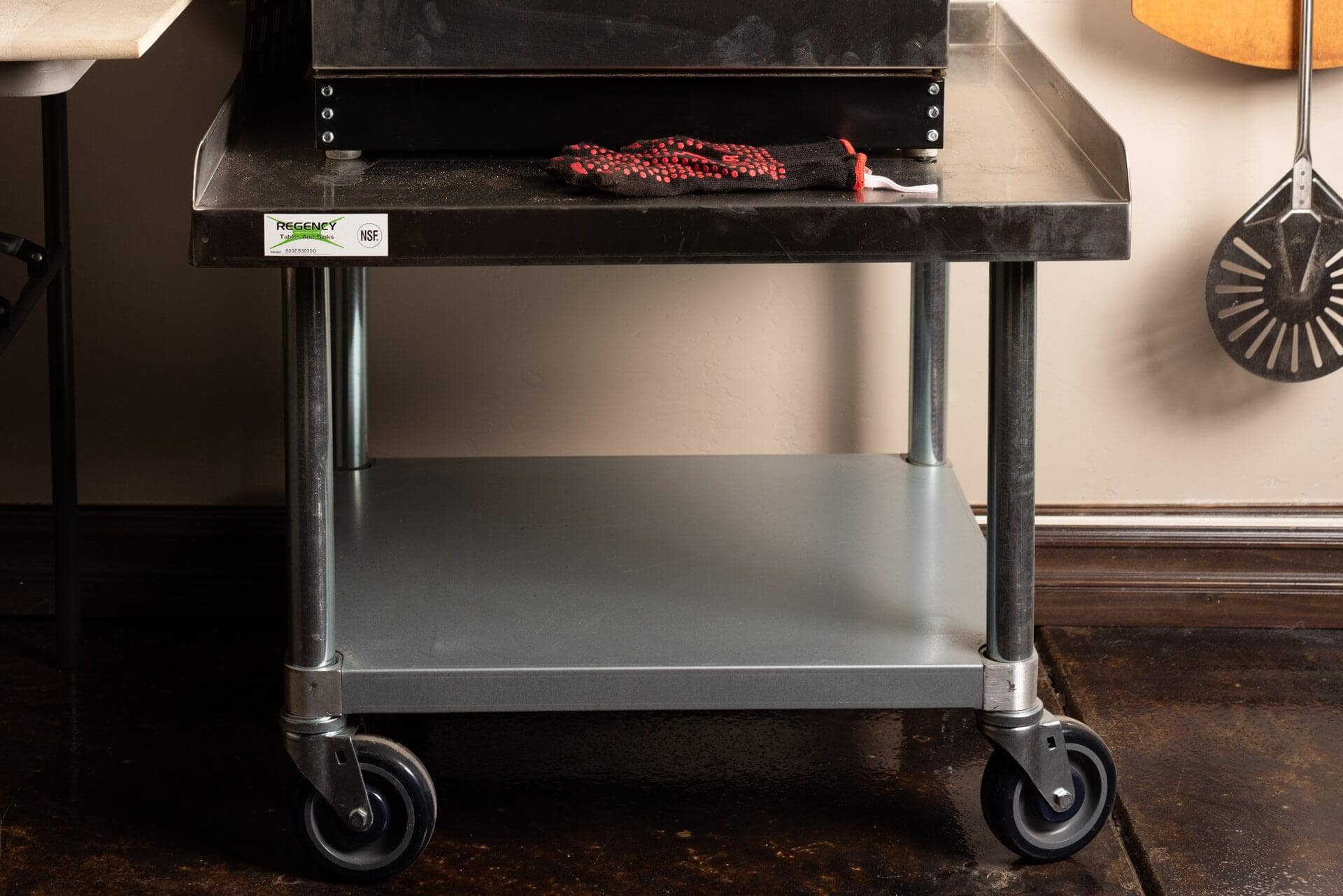
Oven Equipment Stand: Elevating the Rofco oven on a sturdy stand, such as a stainless steel equipment stand, can significantly improve ergonomics. A custom-cut stand can be fabricated to achieve the ideal working height for loading and unloading, making the process more comfortable and safer. The inclusion of casters can add mobility, though stability should be prioritized.
-
Large Wooden Peel: A large, flat wooden peel is essential for transferring dough into and out of the oven. The width of the peel should ideally match the width of the Rofco’s baking decks for seamless loading. Using the peel in conjunction with silicone baking mats allows for easy sliding of the dough onto the hot deck stones.
Post-Bake Practices: Drying Proofing Baskets
A clever technique employed by Rofco users is to place proofing baskets (bannetons) inside the warm oven after the bread has been removed. The residual heat effectively dries out the damp liners or canvas, preventing mold and ensuring the baskets are ready for their next use, thus streamlining the cleanup process.
Looking Ahead: The Future of Home Bread Baking
The acquisition of a specialized oven like the Rofco B40 marks a significant milestone for passionate home bakers. As with any new piece of equipment, there can be an initial adjustment period. It is often advised to begin with a simple, reliable recipe, such as a basic sourdough, and practice it until proficiency with the new oven is achieved.
For those considering further professionalization or seeking complementary equipment, a range of options exists. High-capacity dough mixers, like the Famag spiral mixer, can handle substantial batches, while smaller spiral mixers, such as the Ooni Halo Pro, are suitable for smaller test batches or micro-bakery operations. For those requiring even greater baking capacity than the Rofco B40, larger ovens like the RackMaster 2020 Bread Oven offer expanded deck space for increased production volume. The continuous innovation in baking equipment reflects the enduring and growing passion for artisanal bread making within both home kitchens and small-scale commercial operations.