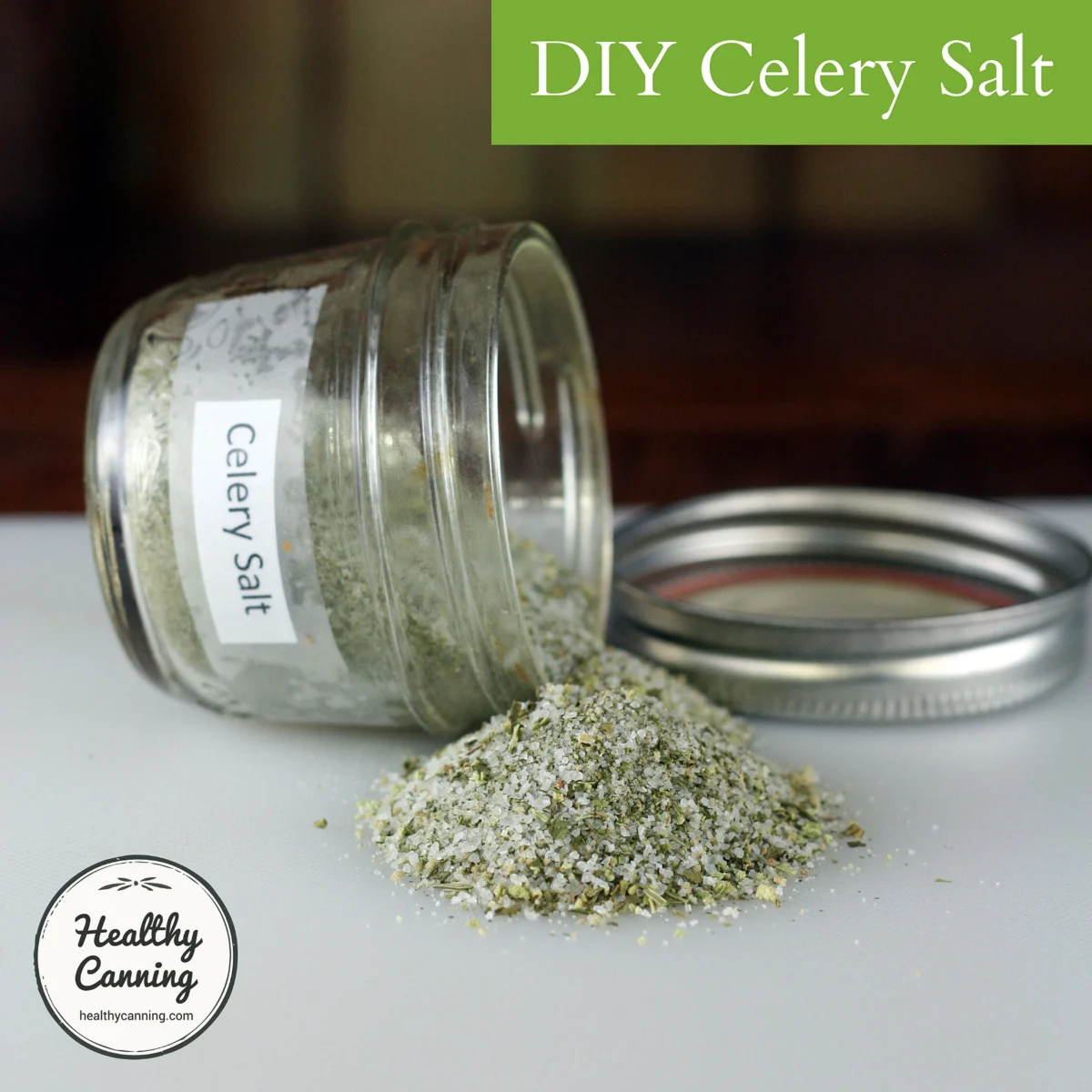

The rising cost of commercially packaged pantry staples has prompted a significant shift toward home-based culinary production, with pantry enthusiasts and home cooks increasingly turning to do-it-yourself seasoning blends. Among the most economical and versatile kitchen projects gaining traction is the creation of homemade celery salt. By combining basic salt varieties with finely ground celery seed or dehydrated celery powder, consumers can produce a custom artisanal seasoning for a fraction of the cost of store-bought equivalents, all while retaining complete control over their dietary intake.
Economic Advantages and Cost Analysis
Commercial spice blends often carry a substantial markup, driven by processing, packaging, branding, and distribution expenses. Producing celery salt at home radically reduces these expenditures, allowing households to manufacture the seasoning for pennies on the dollar. Bulk purchasing of basic ingredients—such as standard table salt, sea salt, or specialized salts—combined with whole celery seeds or homegrown celery powder, significantly lowers the per-ounce cost of the final product.
Beyond financial savings, the DIY approach eliminates the anti-caking agents, flow agents, and hidden additives frequently incorporated into mass-produced spice mixtures. Home cooks can prepare small batches on demand, ensuring maximum aromatic potency and preventing the loss of volatile oils that typically occurs during prolonged commercial shelf storage.

Customization and Dietary Adaptability
One of the primary benefits of crafting celery salt at home is the high degree of culinary and nutritional customizability it affords. Traditional store-bought versions are restricted to standard granulated sodium chloride combined with ground celery seed. In contrast, home recipes enable the utilization of diverse salt mediums to suit specific flavor profiles and dietary requirements.
For gourmet applications, culinary enthusiasts can substitute standard table salt with flaky sea salt, mineral-rich pink Himalayan salt, or robust smoked salts to add depth and complexity to soups, rubs, and cocktails such as a traditional Bloody Mary. Furthermore, individuals managing hypertension, cardiovascular conditions, or other health concerns requiring sodium restriction can easily adapt the recipe. By replacing traditional salt entirely with sodium-free alternatives—such as commercially available herbal salt substitutes like Herbamare or potassium-based mineral salts—consumers can enjoy the distinct, savory flavor of celery salt without compromising their dietary restrictions.
Sourcing the Celery Component: Seeds Versus Powder
The distinctive flavor profile of celery salt relies fundamentally on the celery component, which can be approached through two primary methods depending on available kitchen equipment. The standard approach involves grinding whole celery seeds into a fine powder using a spice grinder, mortar and pestle, or high-powered blender. Celery seeds—derived from wild celery varieties or cultivated plants—possess an intense, concentrated earthy flavor dominated by the compound apigenin and various essential oils.

Alternatively, home gardeners and food preservation enthusiasts equipped with a household food dehydrator can utilize homemade celery powder. By dehydrating fresh celery stalks or leaves and pulverizing the dried product, cooks produce a vibrant green, intensely aromatic powder. Incorporating homemade celery powder instead of ground seeds introduces a smoother, more rounded vegetable flavor and elevates a basic salt blend to a genuinely artisanal condiment.
Methodology and Formulation
The foundational formulation for homemade celery salt is remarkably straightforward, yielding an adaptable dry mix categorized within American culinary traditions as a foundational seasoning. A standard batch typically produces approximately 5 tablespoons, or 75 grams, of finished product, though exact yields fluctuate slightly depending on the density of the chosen salt and whether whole seeds or dehydrated vegetable powder are utilized.
The preparation process requires minimal intervention:
- Measure the desired ratio of salt (or salt substitute) and the celery component (ground celery seed or celery powder).
- Combine the dry ingredients thoroughly to ensure an even distribution of flavor. For maximum convenience, the mixing process can be executed directly inside the airtight glass jar designated for long-term storage.
- Seal the container tightly and store in a cool, dry, dark location away from direct sunlight and moisture to preserve the aromatic compounds.
Industry Context and Historical Background
The practice of blending salt with botanical extracts and seeds dates back centuries, rooted in the necessity of food preservation and flavor enhancement. Celery salt gained widespread commercial prominence in the late 19th and early 20th centuries alongside the mass production of packaged spices. It quickly became a staple in American kitchens, most notably recognized as an indispensable ingredient in Chicago-style hot dogs, coleslaw, potato salads, and various seafood boils.
In recent years, the resurgence of home food preservation, homesteading, and scratch-cooking communities—bolstered by online resource hubs such as Healthy Canning and various community-tested food preservation networks—has revitalized interest in reviving traditional pantry staples. Home economics experts note that consumer interest in DIY seasonings spikes during periods of economic inflation, as households seek ways to maximize food budgets without sacrificing culinary quality.
Implications and Broader Culinary Trends
The growing popularity of homemade spice blends reflects a broader consumer movement toward transparency, self-reliance, and health-conscious eating. By stripping away unnecessary industrial processing, home cooks reclaim authority over their nutritional intake. The ability to tailor sodium levels, eliminate chemical preservatives, and experiment with regional or specialty salts transforms a mundane kitchen condiment into an exercise in culinary creativity.
As supply chain fluctuations and grocery pricing continue to influence consumer behavior, the adoption of simple, high-yield DIY projects like celery salt demonstrates the enduring viability of traditional kitchen arts in the modern era. Whether utilized as a finishing salt for grilled meats, an aromatic booster for vegetable stocks, or a key ingredient in classic beverage recipes, homemade celery salt offers a practical, economical, and deeply customizable addition to the contemporary pantry.