
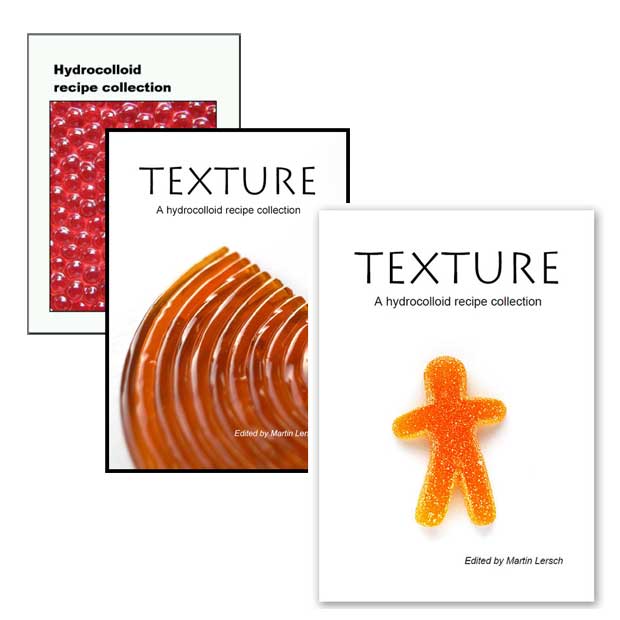
Six years after its last significant revision, "Texture – A hydrocolloid recipe collection," a cornerstone reference for modernist cuisine and food science enthusiasts, is slated for an incremental update with the forthcoming release of version 3.1. The announcement, made by Martin Lersch of Khymos.org, signals a continued commitment to refining and expanding this invaluable compendium, which has served as a critical bridge between academic food science and practical culinary application for over a decade. The update, while described as an "incremental revision" focused on "ironing out wrinkles," underscores the dynamic nature of food science and the collaborative spirit that has defined "Texture" since its inception.
The Enduring Legacy of "Texture" in Culinary Science
First published in 2007, "Texture" quickly established itself as an indispensable guide for understanding and manipulating food textures through the application of hydrocolloids. These long-chain polymers, derived from natural sources, are celebrated for their ability to thicken, gel, emulsify, and stabilize food systems, playing a pivotal role in everything from industrial food production to the avant-garde creations of molecular gastronomy. Pioneering chefs like Ferran Adrià of elBulli and Heston Blumenthal of The Fat Duck brought these ingredients into the culinary mainstream, and "Texture" provided accessible, scientifically-backed recipes and insights, demystifying complex techniques for professional chefs, culinary students, and passionate home cooks alike.
The collection’s initial release, version 1.0 in 2007, was followed by version 2.0 in 2008 and a more substantial version 3.0 in 2014. Each iteration built upon the last, incorporating new research, ingredients, and community contributions. Khymos.org, Martin Lersch’s platform, has been at the forefront of disseminating this knowledge, fostering a global community dedicated to exploring the frontiers of food science. The resource’s impact can be seen in culinary schools that now routinely include hydrocolloids in their curriculum, in professional kitchens experimenting with novel textures, and in the burgeoning market for specialty food ingredients. The global hydrocolloid market itself is a testament to the importance of these ingredients, valued at over $8 billion in 2022 and projected to grow significantly, driven by demand for plant-based alternatives, clean label products, and innovative food textures.
Key Enhancements and the Call for Collaborative Input in Version 3.1
The upcoming version 3.1 is primarily focused on refinement and consolidation rather than a complete overhaul. Lersch emphasized that the revision would involve addressing existing issues, stating, "It will be an incremental revision, so expect a v.3.1 where wrinkles have been ironed out, nothing major." This pragmatic approach ensures the foundational integrity of the collection while allowing for crucial updates based on real-world application and evolving scientific understanding.
A significant aspect of the update process is the active solicitation of community feedback. Lersch extended a "big thank you to all who have provided feedback, pointed out typos and errors and submitted pictures," acknowledging that while direct replies may not always have been possible, "your feedback has been read, is greatly appreciated and will be incorporated!" This collaborative model has been a hallmark of "Texture," leveraging the collective experience of its diverse user base to ensure accuracy and practical utility. Users are particularly encouraged to report any recipes that did not yield successful outcomes, as well as to submit photographs of their culinary experiments. The presence of a photo accompanying a recipe is considered a strong indicator of its successful testing, providing visual validation and inspiring confidence in other users. Detailed instructions for photo submission, first outlined in a 2010 blog post and also found on page 8 of the "Texture" collection, remain relevant for this update cycle.
Addressing Gaps: Underrepresented and Missing Hydrocolloids
A core focus of the v.3.1 update is to enhance the coverage of certain hydrocolloids that are currently "underrepresented." Lersch specifically highlighted guar gum, gum arabic, konjac, locust bean gum, and tara gum. These hydrocolloids, each possessing distinct properties and applications, play crucial roles in various food systems:
- Guar gum, derived from guar beans, is a potent thickener and stabilizer, widely used in dairy products, sauces, and gluten-free baking for its ability to increase viscosity even in cold liquids.
- Gum arabic, an exudate from acacia trees, is an excellent emulsifier and stabilizer, frequently found in confectionery, beverages, and flavor encapsulation due to its unique film-forming properties and low viscosity at high concentrations.
- Konjac, extracted from the konjac plant, is known for forming strong, elastic gels, particularly popular in Asian cuisine for noodles and jellies, and valued for its unique texture and high fiber content.
- Locust bean gum (carob gum), from the carob tree, is a powerful thickener and stabilizer, often used in conjunction with other hydrocolloids like xanthan gum to create synergistic effects, providing smooth, creamy textures in ice creams and desserts.
- Tara gum, sourced from the tara plant, shares similarities with locust bean and guar gums, acting as an effective thickener and stabilizer, and gaining traction as a more cost-effective alternative in various food applications.
Lersch is actively "in the process of collecting recipes" for these ingredients and encourages users to share recipes that "highlight the range of foods each of these hydrocolloids can be used for." This community-driven approach ensures that the updated collection will reflect the most innovative and diverse applications of these versatile ingredients. Contributions can be made via the comments section on Khymos.org or directly to [email protected].
Beyond underrepresented entries, the update also seeks to address "completely missing" hydrocolloids. Some omissions are intentional, primarily concerning proprietary products such as Ultra-Tex and Pure Cote (both modified starches) and Trisol (a wheat fiber), whose specific formulations and uses are often protected by manufacturers. However, Lersch notes that other omissions may be "accidental if the hydrocolloid is rare or novel," inviting the community to point out any such oversights. This openness reflects the rapid pace of innovation in the food ingredient sector, where new compounds and applications are continually emerging.
Expanding the Spectrum: Gels and Foams Beyond Traditional Hydrocolloids
One of the more intriguing categories within "Texture" is "non-hydrocolloid recipes," which explores gels and foams created through natural gelling mechanisms without the addition of traditional hydrocolloids. This section delves into regional culinary traditions from around the world, showcasing how diverse cultures have historically manipulated food structures. Examples already included are:
- Junket: A milk-based dessert coagulated by rennet enzymes.
- Cuajada: A Spanish dairy product, similar to curd, often set with rennet.
- Ginger milk custard: A delicate Chinese dessert where ginger proteases curdle milk proteins.
- Aiyu jelly: A Taiwanese dessert made from the seeds of the Aiyu fig, which release pectin-like substances upon agitation.
- Grass jelly: A popular East Asian dessert made from the Platostoma palustre plant, known for its unique texture and slightly bitter flavor.
- Gelled seafood sauce: Often relying on naturally occurring collagen from seafood to set.
- Tofu: Soybean curds formed by the coagulation of soy proteins, typically with nigari (magnesium chloride) or gypsum (calcium sulfate).
- Hominy: Nixtamalized corn, which can form a gel-like consistency in certain preparations.
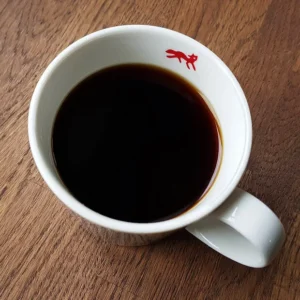
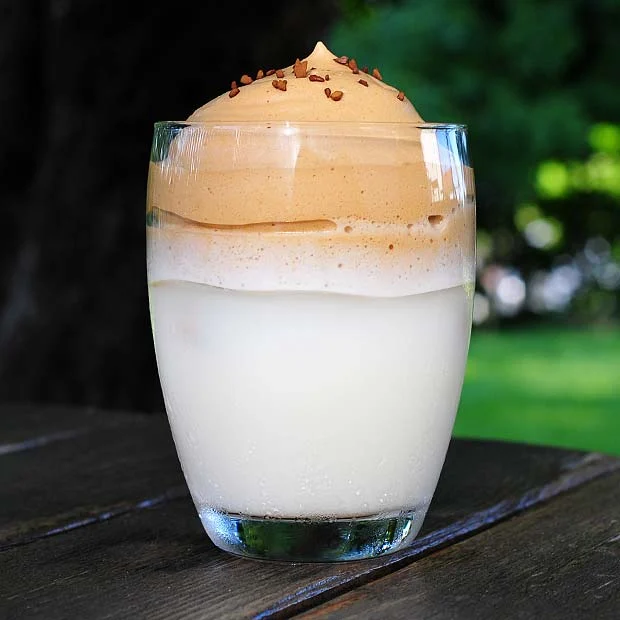
Lersch is actively seeking more examples of such "gels (or foams!)" that leverage inherent food properties rather than added gelling agents. A notable confirmed inclusion for v.3.1 in this category is the Dalgona coffee foam. This viral sensation, which swept the internet in early 2020 during global lockdowns, exemplifies a non-hydrocolloid foam. It is typically made by whipping equal parts instant coffee, sugar, and hot water until a thick, airy foam is achieved, which is then spooned over cold milk. The stability of Dalgona coffee foam primarily relies on the proteins present in instant coffee, which denature and entrap air during vigorous whipping, along with the sugar contributing to viscosity and stability. Its inclusion highlights the collection’s adaptability to contemporary culinary trends and its commitment to analyzing the science behind everyday food phenomena.
A Chronology of Innovation and Community Engagement
The history of "Texture" is a testament to its continuous evolution and the dedication of its curator:
- 2007: "Texture v.1.0" is published, immediately becoming a seminal resource in the nascent field of modernist cuisine.
- 2008: "Texture v.2.0" is released, incorporating early feedback and expanding the collection.
- 2010 (January 3): A detailed blog post is published on Khymos.org outlining instructions for submitting photos, emphasizing the importance of visual documentation for recipe validation.
- 2014 (February 15): "Texture v.3.0" is released, marking the last major update, consolidating years of research and community contributions. This version served as the standard for six years.
- 2020 (October): The announcement for "Texture v.3.1" is made, initiating a new cycle of community engagement and content refinement.
This chronology illustrates a consistent pattern of iterative development, with significant intervals allowing for extensive testing and feedback collection. Each update has reinforced "Texture’s" position as a living document, responsive to new discoveries and user experiences.
Broader Implications for Culinary Innovation and Food Science
The impending update to "Texture" carries significant implications for various facets of the food industry and culinary world. For professional chefs, it means access to an even more refined and comprehensive guide for innovating with textures, potentially leading to new dish concepts and improved product stability. For food scientists and product developers, it offers a readily accessible database of practical applications, complementing academic research and accelerating the development of new food products, especially in the booming plant-based and functional food sectors. Culinary educators will find an updated resource that reflects the latest understanding and techniques, ensuring their students are equipped with cutting-edge knowledge.
Moreover, the emphasis on community contributions reinforces the power of open-source knowledge and collaborative research in niche scientific fields. By actively soliciting input, Lersch not only ensures the accuracy and relevance of "Texture" but also fosters a global network of enthusiasts and professionals who collectively advance the understanding of food science. The inclusion of culturally significant non-hydrocolloid gels and foams further broadens the scope, acknowledging the universal human ingenuity in manipulating food textures across diverse culinary traditions.
The update of "Texture" is more than just a revision of a recipe collection; it is a reaffirmation of the ongoing quest to understand, control, and innovate with the fundamental properties of food. As the culinary landscape continues to evolve, driven by scientific advancements, health trends, and global cultural exchanges, resources like "Texture" remain vital tools for exploration and discovery, guiding the next generation of food innovators toward creating experiences that delight and surprise the palate. The culinary community eagerly awaits version 3.1, poised to delve into its updated insights and contribute to its future evolution.