
The intersection of fast-food culture and high-fashion streetwear continues to yield unexpected collaborations, proving that culinary brands can successfully transition into the lucrative realm of apparel design. Denny’s, the iconic American diner chain renowned for its around-the-clock service and late-night culinary offerings, has announced its official return to sneaker culture. In partnership with acclaimed custom footwear artist Dan “Mache” Gamache, the restaurant brand is launching "Sticky Kicks 2.0" on National Sneaker Day, observed annually on October 9.
This second-generation release follows the unprecedented success of last year’s inaugural drop, which famously vanished from digital shelves in a mere 60 seconds before many prospective buyers could even complete their online transactions. The 2024 campaign aims to capitalize on that initial frenzy by offering an upgraded design, enhanced customization options, and exclusive real-world perks tailored for dedicated sneakerheads and members of the Denny’s Rewards loyalty program. As brands increasingly look for unconventional marketing avenues to capture younger, digitally native demographics, the resurgence of Sticky Kicks highlights a broader industry shift toward lifestyle merchandising as a legitimate tool for customer engagement.
A Chronology of Culinary Streetwear and the Genesis of Sticky Kicks
The modern phenomenon of restaurants releasing limited-edition apparel and footwear is not entirely new, but the velocity and scale of these drops have evolved dramatically over the past decade. Fast-food chains and casual dining establishments have realized that their brand equity extends far beyond physical menus. From luxury streetwear lines by major pizza chains to haute couture-inspired sliders, the marketing playbook has expanded to embrace the eccentricities of contemporary fashion culture.
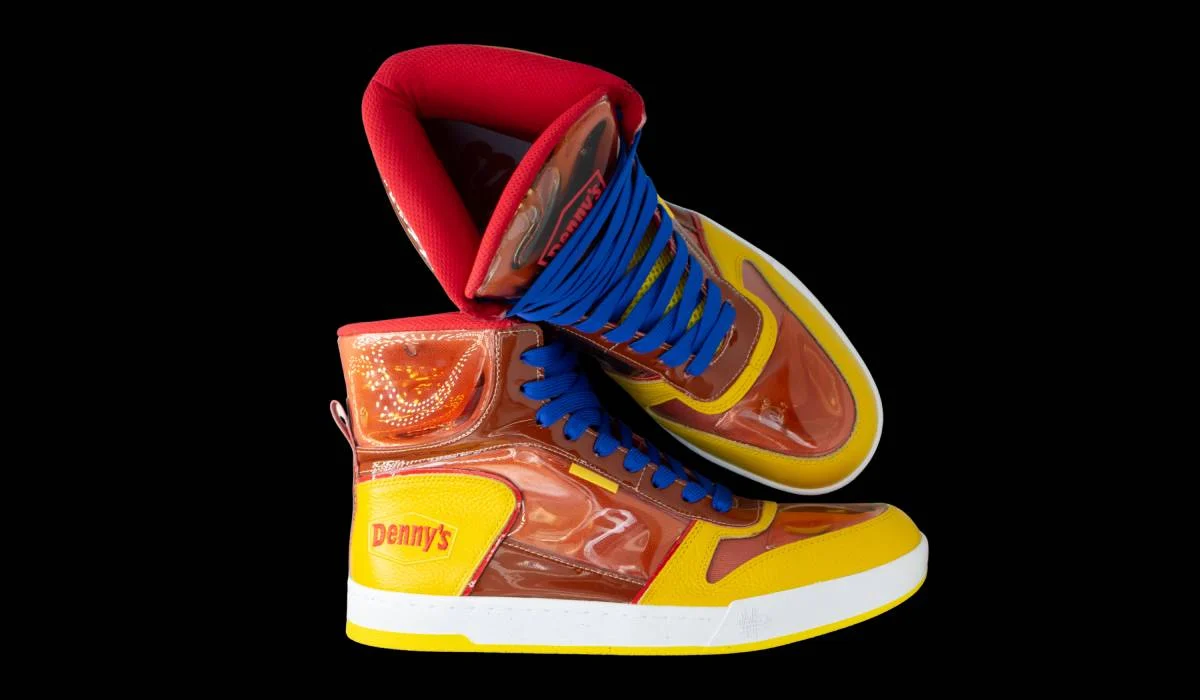
Denny’s entry into this space began in earnest with the conceptualization of the original Sticky Kicks. Designed by Mache—a legendary figure in the custom sneaker community known for creating bespoke footwear for professional athletes, musicians, and celebrities—the first iteration drew heavy visual inspiration from the diner’s signature breakfast staples, most notably its maple syrup and pancakes. The design language incorporated rich amber tones, syrup-like gloss accents, and branding subtle enough to appeal to serious footwear collectors while remaining unmistakably tied to the restaurant.
When the shoes dropped last year, the response surpassed all internal expectations. The inventory was entirely depleted in just one minute, leaving thousands of disappointed fans empty-handed and generating widespread conversation across social media platforms like TikTok, X (formerly Twitter), and Instagram. Recognizing both the lingering demand and the cultural momentum generated by the initial launch, Denny’s and Mache immediately began plotting a successor. The result is Sticky Kicks 2.0, a shoe engineered not merely to replicate the past success, but to elevate the entire concept through refined craftsmanship and interactive consumer elements.
Upgraded Aesthetics and Real-World Value in Sticky Kicks 2.0
For the second installment, Mache and the creative team at Denny’s focused heavily on user personalization and tactile enhancements. While the aesthetic foundation remains rooted in the playful, syrup-drenched motifs of the original design, Sticky Kicks 2.0 introduces several critical upgrades designed to appeal to discerning footwear enthusiasts.
Among the most notable additions are fresh customizable details that allow wearers to tailor the appearance of the sneakers to their personal style preferences. The drop also includes a suite of new accessories—ranging from specialized hardware to themed aglets and interchangeable elements—that reflect the dynamic nature of modern sneaker customization.
Crucially, Denny’s has integrated a tangible, real-world perk into the release. Unlike many promotional apparel items that serve purely as aesthetic novelties, purchasers of Sticky Kicks 2.0 and active members of the Denny’s Rewards program will gain access to exclusive in-store benefits that can be redeemed directly at restaurant booths nationwide. This strategic bridge between digital e-commerce and physical restaurant traffic demonstrates a sophisticated understanding of omnichannel marketing, ensuring that the partnership drives actual footfall rather than merely generating fleeting internet buzz.
Official Perspectives on the Collaboration and Brand Identity
The partnership between a traditional diner chain and a premier custom sneaker artist underscores a deliberate strategy to modernize legacy brands without alienating their core customer base. Corporate leadership has emphasized that such initiatives are designed to foster authentic connections within cultural spaces typically reserved for athletic behemoths and luxury fashion houses.
"Few brands have the history, familiarity and cultural footprint that Denny’s does," said Chris Bode, President and CEO of Denny’s. "That gives us an opportunity to show up in some unexpected places and still feel authentic. Sticky Kicks is a great example of that. It’s creative, it’s fun, and it introduces our Brand to people in a way that starts a different kind of conversation."
This sentiment is echoed by the designer himself, who has spent decades navigating the intersection of pop culture and bespoke footwear. Dan “Mache” Gamache noted that the overwhelming response to the first collaboration created a unique challenge: how to surpass a design that had already achieved viral status while maintaining its core identity.
"The demand after last year’s 60-second sellout was insane," Gamache said. "For Round 2, I wanted to give sneakerheads more ways to make the pair their own while keeping that signature Denny’s flavor alive. Working with Denny’s to upgrade 2.0 with custom hardware and real-world perks proves that sweet design and sneaker culture belong on the same menu."
To ensure safety and maintain a lighthearted tone throughout the campaign, the brand has humorously issued a mandatory advisory disclaimer regarding the footwear: users are explicitly instructed not to puncture the shoes or attempt to consume the synthetic syrup finishes for any reason, clarifying that all design elements are strictly intended for style purposes.
Broader Industry Implications and the Future of Restaurant Merchandising
The launch of Sticky Kicks 2.0 on National Sneaker Day arrives at a time when restaurant marketing budgets are increasingly shifting toward experiential and digital-first campaigns. Traditional television and print advertising no longer guarantee the kind of high-engagement, viral reach that younger demographics demand. By entering the hyper-competitive world of limited-edition sneaker drops, Denny’s has positioned itself alongside lifestyle brands that command intense consumer loyalty and secondary market resale value.
Industry analysts point out several key implications of this marketing strategy:
- Brand Rejuvenation: Collaborations with prominent artists like Mache allow legacy restaurant chains to rebrand themselves as culturally relevant, witty, and deeply attuned to contemporary youth culture.
- Digital Scarcity and FOMO: Utilizing limited-availability windows (such as the infamous 60-second sellout of the original release) leverages the psychological principle of the fear of missing out (FOMO), driving intense traffic spikes to digital storefronts and amplifying earned media coverage.
- Loyalty Program Integration: By tying physical merchandise to rewards programs, brands can successfully convert transient internet curiosity into long-term customer retention, tracking metrics that go far beyond standard social media impressions.
- Cross-Industry Synergy: The blurring lines between hospitality, fashion, and art demonstrate that consumer brands no longer need to operate within rigid industry silos.
As October 9 approaches, night owls, collectors, and casual diners alike are preparing for another high-speed digital scramble. Whether Sticky Kicks 2.0 will eclipse the record-setting sellout time of its predecessor remains to be seen, but the campaign has already succeeded in cementing Denny’s place not just as a late-night dining destination, but as a legitimate and playful participant in modern pop culture.