The Evolution of the Cobb Salad
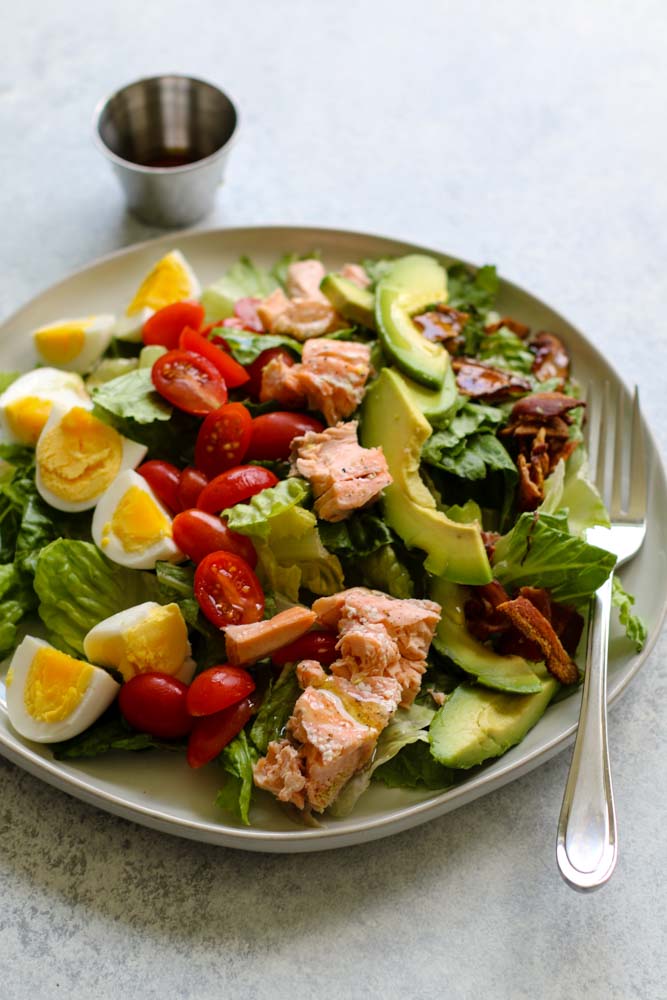
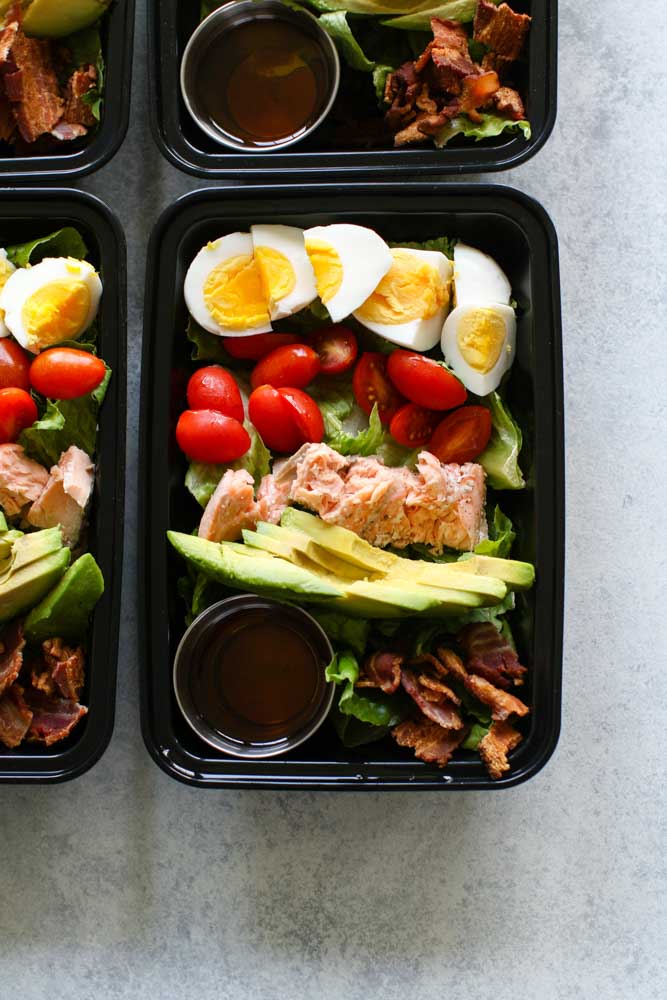
The Cobb salad has long been a staple of American gastronomy, traditionally composed of chopped salad greens, tomato, crisp bacon, boiled egg, chicken, avocado, chives, and Roquefort cheese, typically served with a vinaigrette. In the contemporary fitness and wellness landscape, the "meal prep" movement has necessitated a re-evaluation of these traditional components. The substitution of salmon for chicken is not merely a matter of taste preference; it is a calculated nutritional upgrade.
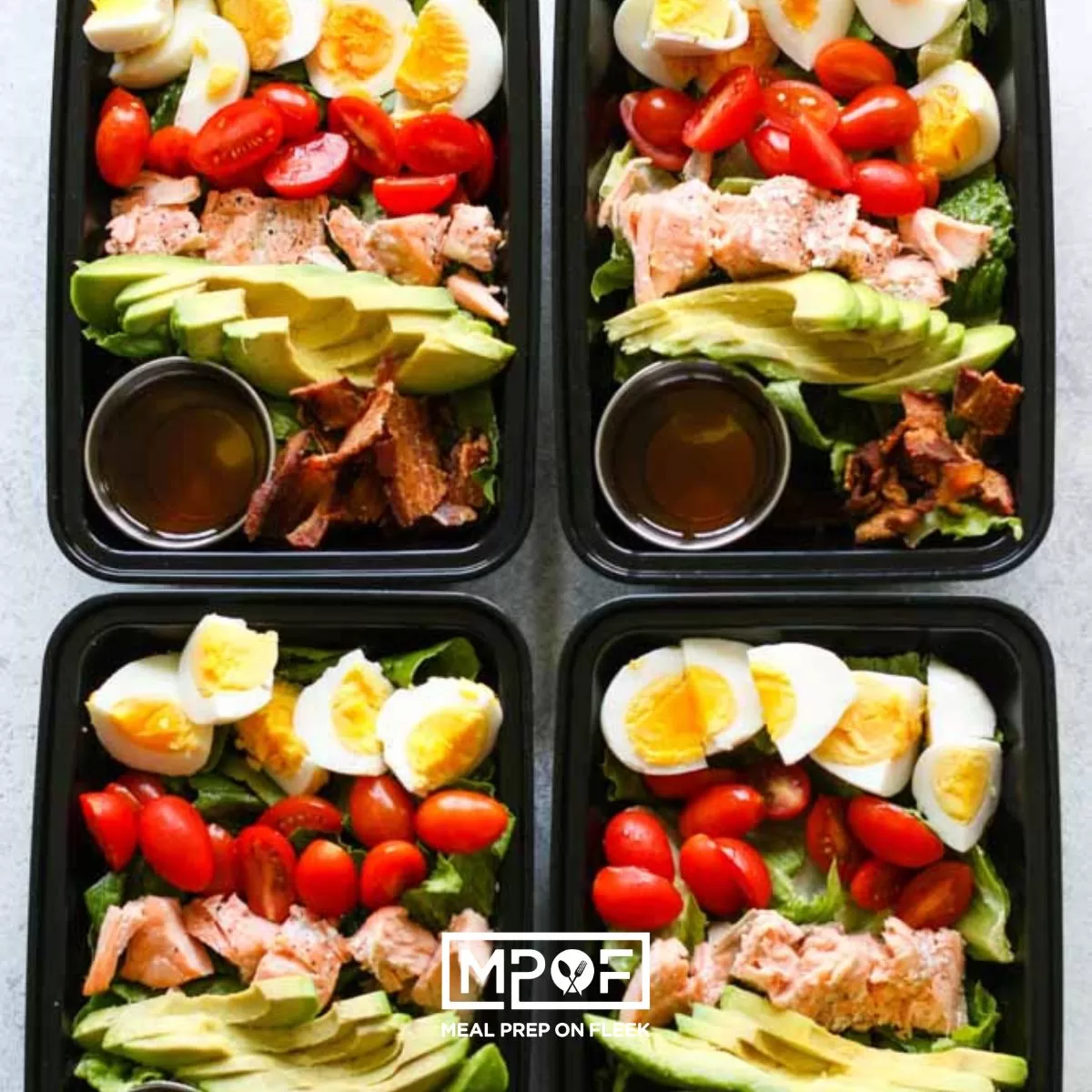
Data from the United States Department of Agriculture (USDA) indicates that salmon is a superior source of long-chain omega-3 fatty acids, specifically eicosapentaenoic acid (EPA) and docosahexaenoic acid (DHA). These compounds are linked to cardiovascular health and cognitive function. Furthermore, the inclusion of eggs and bacon provides a complex amino acid profile, ensuring that the consumer maintains satiety throughout the afternoon, thereby reducing the likelihood of compensatory caloric intake later in the day.
Chronology and Execution of Component-Based Prep
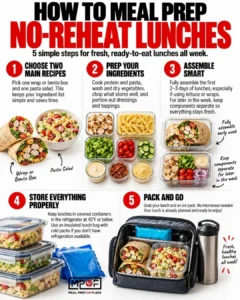
The methodology for successful meal preparation relies on a "component-based" approach rather than the batch-cooking of a single, monolithic dish. This strategy prevents the degradation of texture and flavor, which is a common failure point in multi-day food storage.
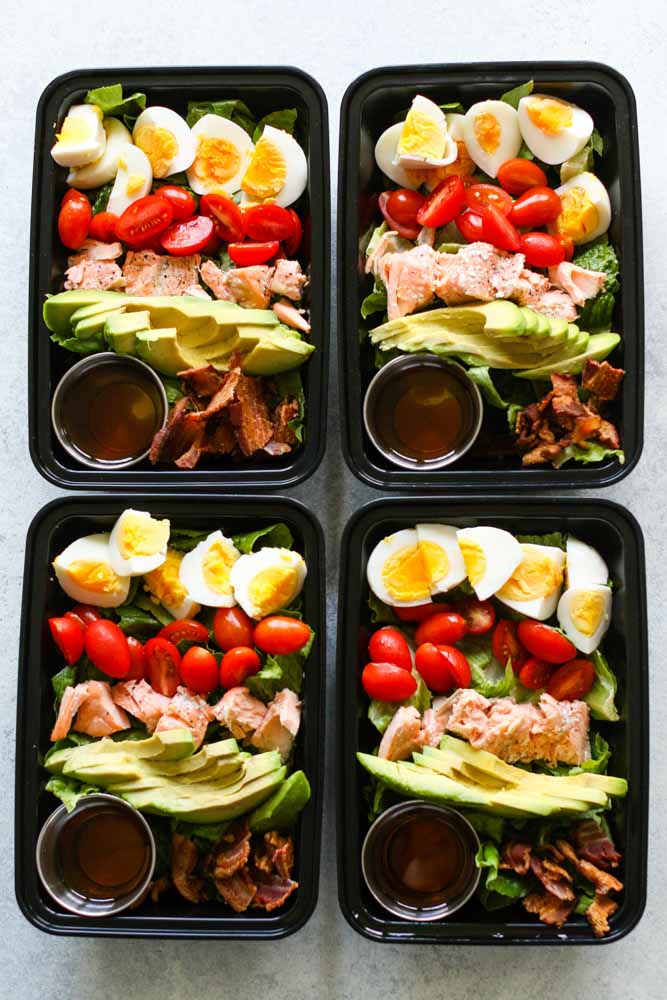
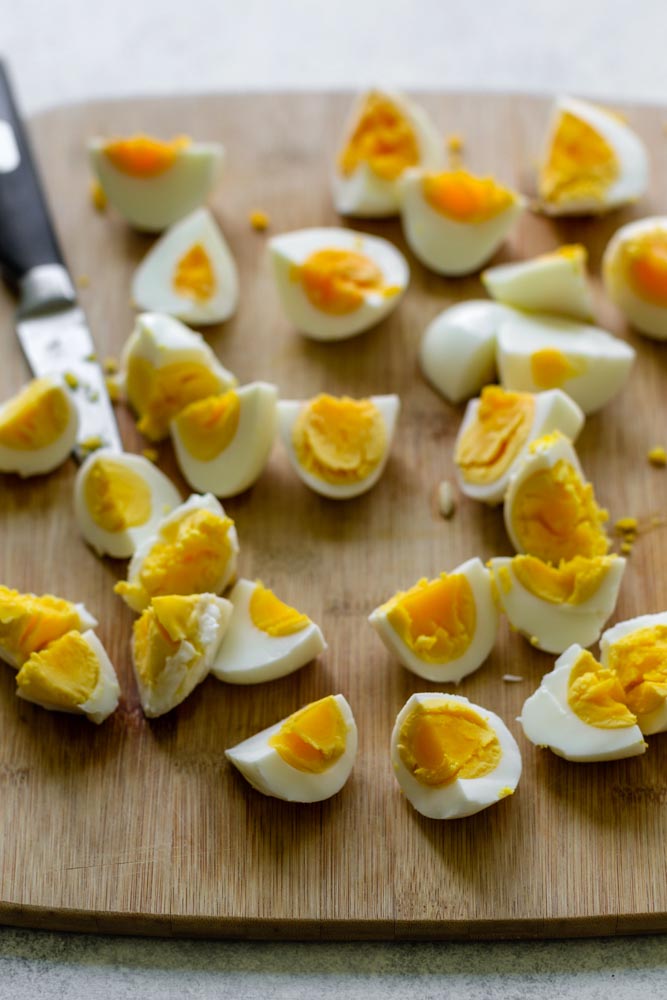
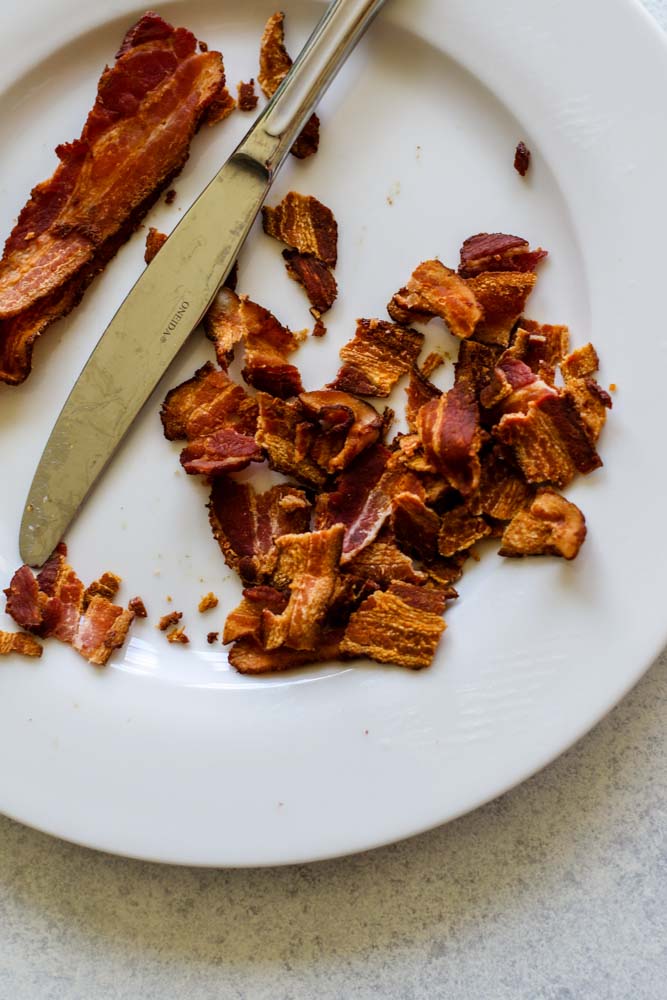
The process typically begins 24 to 48 hours in advance with the preparation of hard-boiled eggs. By isolating this step, the cook can ensure the eggs are cooled and peeled, reducing the labor required during the final assembly. The salmon is prepared by baking at 350°F, a process that preserves the integrity of the proteins while allowing the fillets to be portioned once they reach ambient temperature. Bacon is rendered until crisp, as moisture content is the primary factor in spoilage; drier, crispier bacon retains better structural integrity when refrigerated alongside fresh greens.
The final stage of the chronology involves the assembly of the vegetable base. The efficacy of the dish depends entirely on the dehydration of the romaine lettuce. Moisture trapped within the container acts as a catalyst for bacterial growth and enzymatic browning. Once the romaine is dried and portioned, the secondary ingredients—tomatoes, avocado, and protein—are distributed. The vinaigrette, a mixture of red wine vinegar and olive oil, is stored in a separate, airtight vessel to prevent the premature wilting of the greens through osmotic pressure.
Nutritional Profile and Macronutrient Analysis
The nutritional architecture of this dish is designed for those adhering to strict macronutrient targets. A standard portion—approximately 427 calories—offers a significant protein density of 24.8 grams, coupled with 29.6 grams of healthy fats and 12.1 grams of carbohydrates, including 5.2 grams of dietary fiber.
This balance is particularly effective for individuals following ketogenic or low-glycemic index diets. The inclusion of avocado adds monounsaturated fats, which are essential for the absorption of fat-soluble vitamins (A, D, E, and K) present in the romaine and tomatoes. From a metabolic standpoint, the low carbohydrate content ensures blood glucose stability, preventing the "afternoon slump" often associated with high-carbohydrate lunches.
Quality Control and Storage Logistics
Industry experts in food safety and meal prep logistics emphasize the "four-day rule." While many meals can be stored for up to a week, the intersection of fresh produce and cooked proteins creates a narrow window of peak quality. Storage in airtight containers at temperatures below 40°F (4°C) is mandatory to inhibit microbial proliferation.
The inclusion of avocado presents a unique challenge due to oxidation. While the browning of the avocado is purely cosmetic and does not typically indicate spoilage, it can affect the aesthetic appeal of the meal. For those prioritizing visual quality, the addition of fresh avocado immediately before consumption is recommended. However, for the sake of utility and time-saving, the oxidation can be mitigated by utilizing lemon juice as a natural antioxidant, which also enhances the flavor profile of the vinaigrette.
Broader Implications for Modern Dietetics
The shift toward salmon-based meal prep reflects a broader trend in public health: the prioritization of nutrient density over mere caloric reduction. As consumers become more educated on the inflammatory markers associated with processed foods, the demand for whole-food, high-protein, and anti-inflammatory meals has surged.
This specific recipe serves as a template for professional-grade meal management. It demonstrates that convenience does not have to come at the expense of nutritional quality. By utilizing high-quality ingredients like wild-caught salmon and house-made vinaigrettes, individuals can avoid the hidden sugars, stabilizers, and low-quality oils often found in commercially prepared pre-packaged salads.
Moreover, the scalability of this meal prep method—allowing for four to six servings to be prepared in under an hour—aligns with the time constraints of the modern workforce. The economic efficiency of preparing these meals at home, compared to the rising costs of restaurant-prepared salads, also serves as a significant incentive for long-term adherence.
Conclusion
The Salmon Cobb Salad represents the maturation of the meal-prep industry. It is a synthesis of traditional culinary heritage and modern nutritional science. By focusing on the quality of raw components and the precise management of storage conditions, individuals can successfully integrate this high-protein, anti-inflammatory meal into their weekly routine. As research continues to underscore the importance of omega-3s and high-protein intake for long-term health, dishes like the Salmon Cobb Salad will remain a foundational element for those seeking to optimize their physiological performance through daily dietary choices. The transition from chicken-based to salmon-based protein is a logical, scientifically sound progression that offers tangible benefits for health, satiety, and energy management throughout the demanding work week.