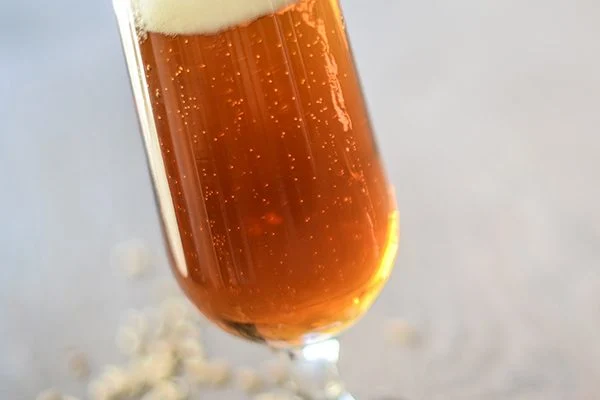

Tim Lambert of Albuquerque, New Mexico, a dedicated member of the local homebrewing collective Dukes of Ale, has achieved a significant milestone in the craft brewing community by securing a gold medal at the prestigious 2026 National Homebrew Competition Final Round. Competing in Category 10: Pale British Ale, Lambert’s meticulously crafted submission triumphed over an exceptionally competitive field of 110 entries from across the United States and international jurisdictions. This victory highlights not only Lambert’s technical proficiency and dedication to the ancient art of brewing, but also underscores the growing reputation of New Mexico’s vibrant, grassroots craft beverage ecosystem.
The National Homebrew Competition, organized annually by the American Homebrewers Association (AHA), stands as the largest and most influential amateur brewing competition in the world. Every year, thousands of amateur brewers vie for recognition at regional contests, hoping to advance to the highly anticipated final round where only the most exceptional beers are evaluated by a panel of expert judges certified by the Beer Judge Certification Program (BJCP). Category 10, designated for Pale British Ales—a style encompassing classic interpretations like Ordinary Bitter, Best Bitter, and Strong Bitter—demands precision, chemical balance, and a deep understanding of traditional ingredients, including English malts, hops, and yeasts. To emerge victorious out of 110 distinct entries in such a nuanced category requires an extraordinary mastery of fermentation dynamics and water chemistry.
Background Context of the National Homebrew Competition
To understand the magnitude of Lambert’s achievement, one must examine the rich history and rigorous standards of the National Homebrew Competition. Established in the late 1970s alongside the renaissance of American craft brewing, the competition provides a platform for amateur brewers to showcase their skills, receive constructive professional feedback, and contribute to the broader culinary knowledge base of fermentation.
Over the decades, the competition has evolved from a modest gathering of enthusiast hobbyists into a massive international tournament. Thousands of beers, meads, and ciders are evaluated annually across dozens of distinct style categories. The judging process is notoriously strict, utilizing a standardized 50-point scale that assesses aroma, appearance, flavor, mouthfeel, and overall impression. Only beers that demonstrate pristine execution, freedom from off-flavors, and faithful adherence to style guidelines are considered for medals. Earning a gold medal in this arena places a brewer in an elite tier of craft practitioners, many of whom eventually transition to professional commercial brewing or influence the recipes adopted by independent craft breweries nationwide.
The Journey of a Champion: Dukes of Ale and Albuquerque’s Brewing Culture
Lambert’s success is deeply intertwined with the collaborative culture of his homebrew club, the Dukes of Ale. Based in Albuquerque, the club has long served as a hub for educational workshops, ingredient sharing, collaborative brew sessions, and rigorous peer review. In the world of amateur brewing, local clubs function much like R&D labs for flavor development. Brewers regularly bring their latest batches to club meetings, subjecting their work to the unsparing palates of fellow members.
Albuquerque and the broader New Mexico region have cultivated a robust identity within the American craft beer landscape. Characterized by high-desert water profiles, innovative use of local agricultural products, and a community-first ethos, the state’s brewers consistently punch above their weight on national stages. Lambert’s victory adds another accolade to the region’s burgeoning reputation, proving that the high-desert craft scene is capable of producing world-class examples of historic European styles, even thousands of miles away from their places of origin.
Anatomy of Category 10: Pale British Ale
Category 10 encompasses styles deeply rooted in British brewing heritage. Pale British Ales are celebrated for their drinkability, malt-forward complexity, and restrained hop bitterness. Unlike their aggressive, resinous American counterparts, traditional British bitters rely on a harmonious balance between biscuity, caramel-like crystal malts and earthy, floral, or fruity English hop varieties such as East Kent Goldings or Fuggles.

Achieving perfection in a Pale British Ale is notoriously challenging. Because the styles feature lower original gravities and subtle flavor profiles, any minor flaw in fermentation—such as diacetyl (butterscotch off-flavor), acetaldehyde (green apple), or excessive oxidation—becomes immediately apparent to a BJCP-certified judge. Lambert’s gold-medal-winning brew successfully navigated these sensory landmines, delivering a crisp yet malt-supportive profile that clearly distinguished itself among the 110 entries in its flight. While the exact recipe remains an exclusive asset for AHA members, industry observers note that successful iterations typically demand precise mash temperatures, careful yeast management, and strict temperature control during fermentation.
The Role of the American Homebrewers Association
The organization behind this premier event, the American Homebrewers Association, has been a driving force in the democratization of brewing science since 1978. Beyond administering the National Homebrew Competition, the AHA provides comprehensive educational resources, including the Zymurgy magazine, validated recipe databases, safety guidelines, and legislative advocacy for homebrewing legalization across all fifty states.
The AHA’s commitment to preserving brewing history while fostering modern innovation is evident in how it archives medal-winning recipes. For enthusiasts eager to replicate Lambert’s success or explore other award-winning concoctions, the association maintains an extensive digital archive of medal-winning homebrew recipes spanning decades. These recipes serve as a living textbook for the global homebrewing community, allowing novices and veterans alike to study the exact grain bills, hop schedules, and yeast strains utilized by the world’s best amateur brewers.
Implications for the Broader Craft Beverage Industry
The intersection between homebrewing and commercial craft brewing has always been porous. Many of the most successful commercial craft breweries operating today—from Sierra Nevada to Stone Brewing and countless regional taprooms—began as kitchen-table experiments by passionate hobbyists. Competitions like the National Homebrew Competition act as talent incubators, identifying individuals with exceptional sensory acuity and formulation skills.
When a homebrewer like Lambert wins gold on a national stage, it signals a high level of technical sophistication within the amateur ranks. Commercial breweries frequently monitor these competitions to spot emerging talent, identify shifting consumer palates, and discover innovative interpretations of classic styles. Furthermore, the meticulousness required to win a national medal reinforces the scientific rigor underlying modern homebrewing. Today’s hobbyists routinely employ advanced equipment such as conical fermenters, closed-transfer systems, dissolved oxygen meters, and laboratory-grade yeast propagation tools, blurring the line between hobbyist and professional.
Community Reaction and Future Outlook
Reactions within the New Mexico brewing community to Lambert’s gold medal have been overwhelmingly celebratory. Social media channels dedicated to regional craft beer have lit up with congratulatory messages, and local supply shops report a renewed surge of interest in classic British ale ingredients. Members of the Dukes of Ale have expressed immense pride, noting that Lambert’s victory reflects the countless hours spent refining process parameters, adjusting water profiles, and conducting blind taste tests.
As the craft beer industry continues to navigate a maturing market characterized by shifting consumer preferences and rising operational costs, the grassroots foundation remains exceptionally strong. Events like the National Homebrew Competition remind the industry of the pure passion and experimentation that sparked the craft beer revolution decades ago.
For Tim Lambert, the gold medal is both a culmination of years of dedicated practice and a new chapter in his brewing journey. Whether he chooses to take his award-winning recipe to a commercial scale or simply continues perfecting his craft in his Albuquerque garage alongside his peers in the Dukes of Ale, his achievement at the 2026 National Homebrew Competition firmly cements his status among the top tier of international amateur brewers. As the community looks ahead to future competitions and seasonal brewing cycles, stories like Lambert’s continue to inspire a new generation of hobbyists to study the science, respect the tradition, and push the boundaries of what can be brewed at home.