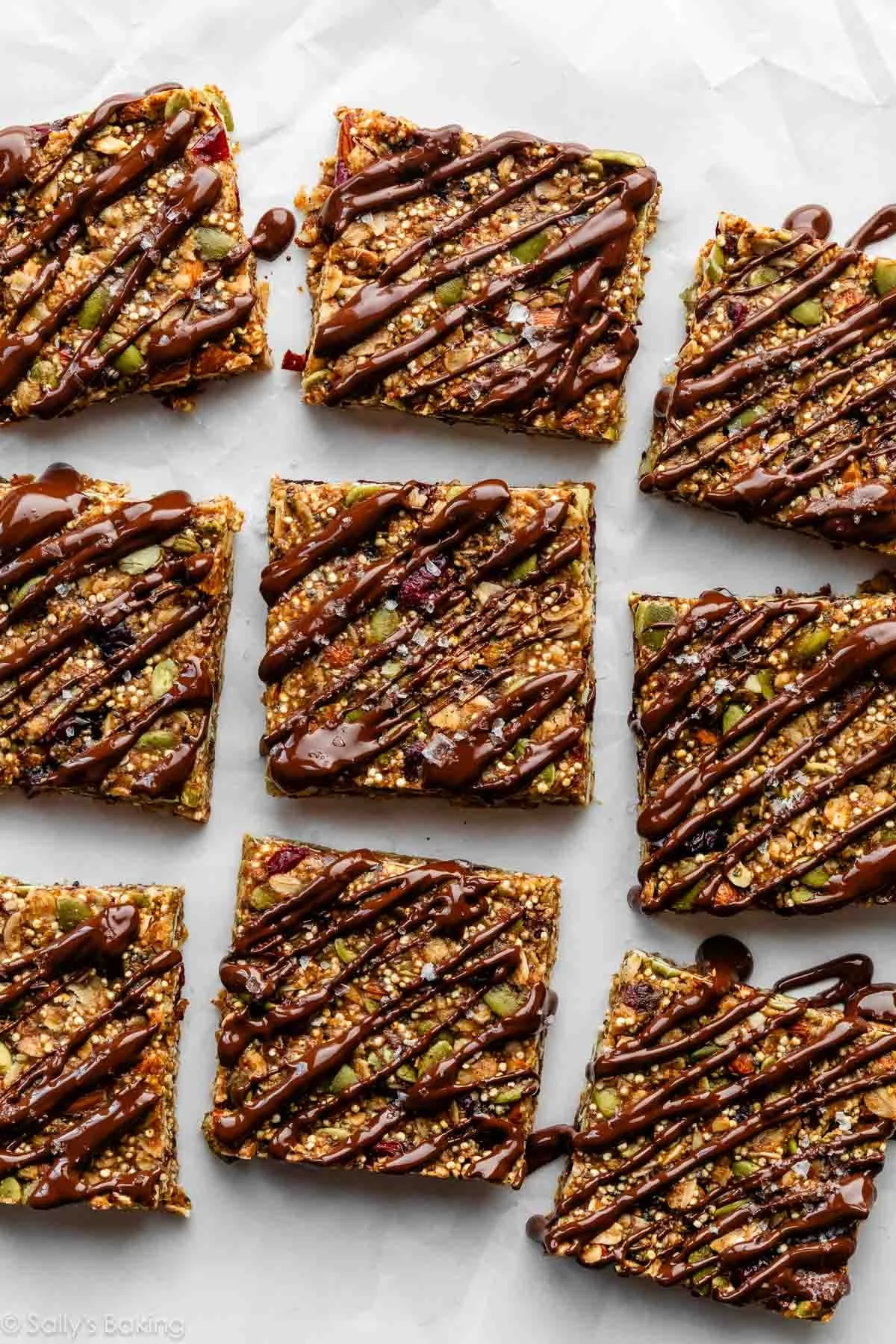

In an era increasingly defined by health-conscious consumer choices and a preference for natural, unprocessed ingredients, the homemade granola bar has emerged as a significant culinary touchstone. Among the myriad of recipes catering to this demand, the salted quinoa granola bar stands out as a prime example of how traditional snack concepts are being reimagined with nutrient density, textural complexity, and customizable appeal. This particular rendition, which originated in 2017 and has since undergone thoughtful refinement, encapsulates the modern eater’s desire for a snack that is both deeply satisfying and genuinely wholesome, bridging the gap between convenience and nutritional integrity.
The Paradigm Shift in Snacking Culture
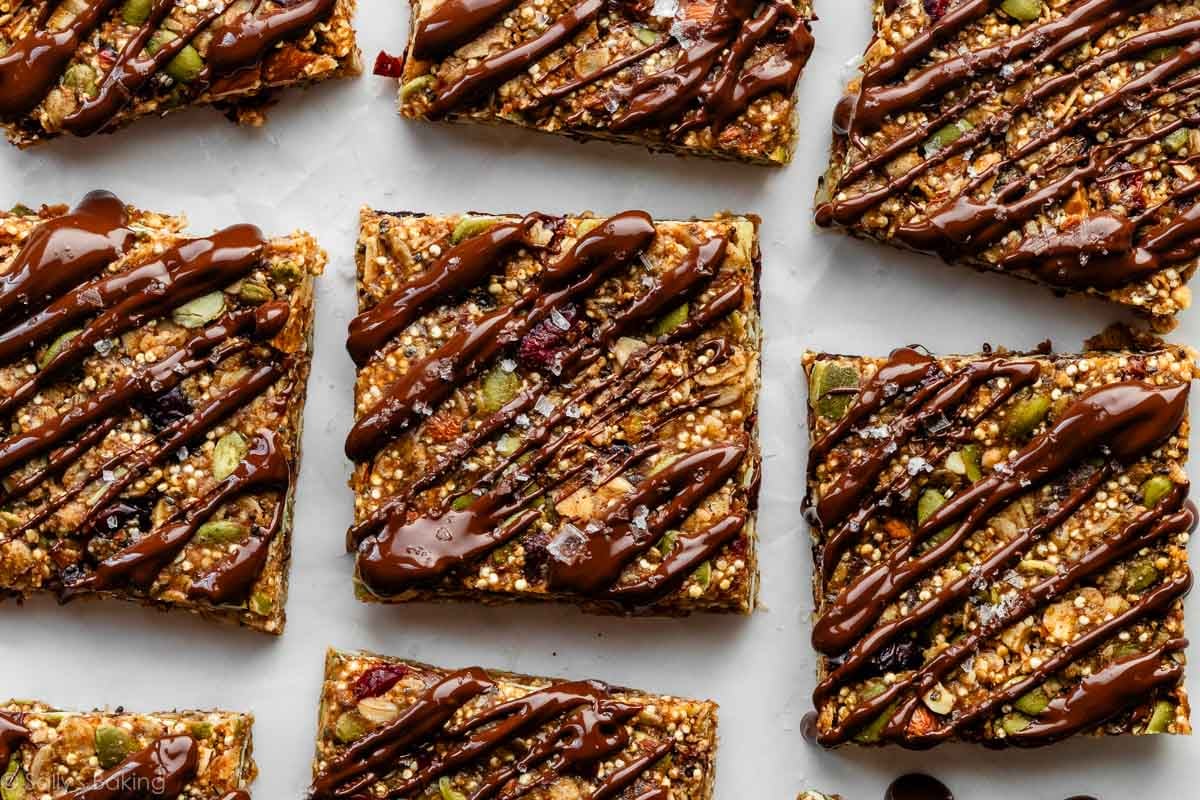
The global snack food market, valued at over $450 billion in 2023 and projected to grow steadily, is undergoing a profound transformation. Consumers are increasingly scrutinizing ingredient lists, prioritizing whole foods, and actively seeking alternatives to highly processed, sugar-laden options. This shift is driven by a confluence of factors, including rising awareness of diet-related health issues, the proliferation of dietary preferences (vegan, gluten-free, nut-free), and a broader cultural movement towards "clean eating." Within this landscape, the homemade granola bar, and particularly innovative variants like the quinoa-infused version, represent a direct response to these evolving demands. It signifies a return to foundational ingredients and a hands-on approach to food preparation, offering a sense of control and transparency that mass-produced products often struggle to match.
Quinoa Granola Bars: A Deep Dive into Composition and Benefits
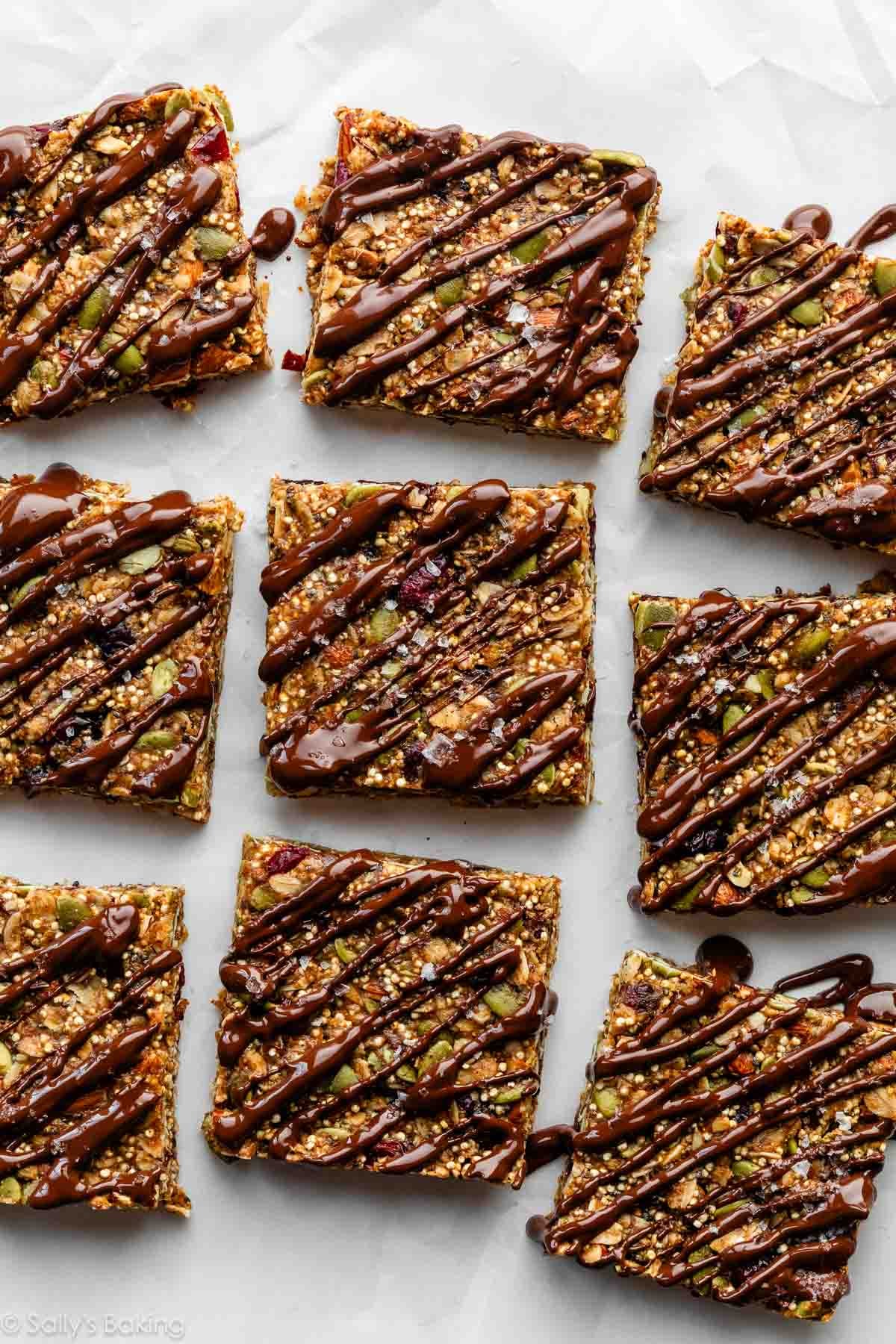
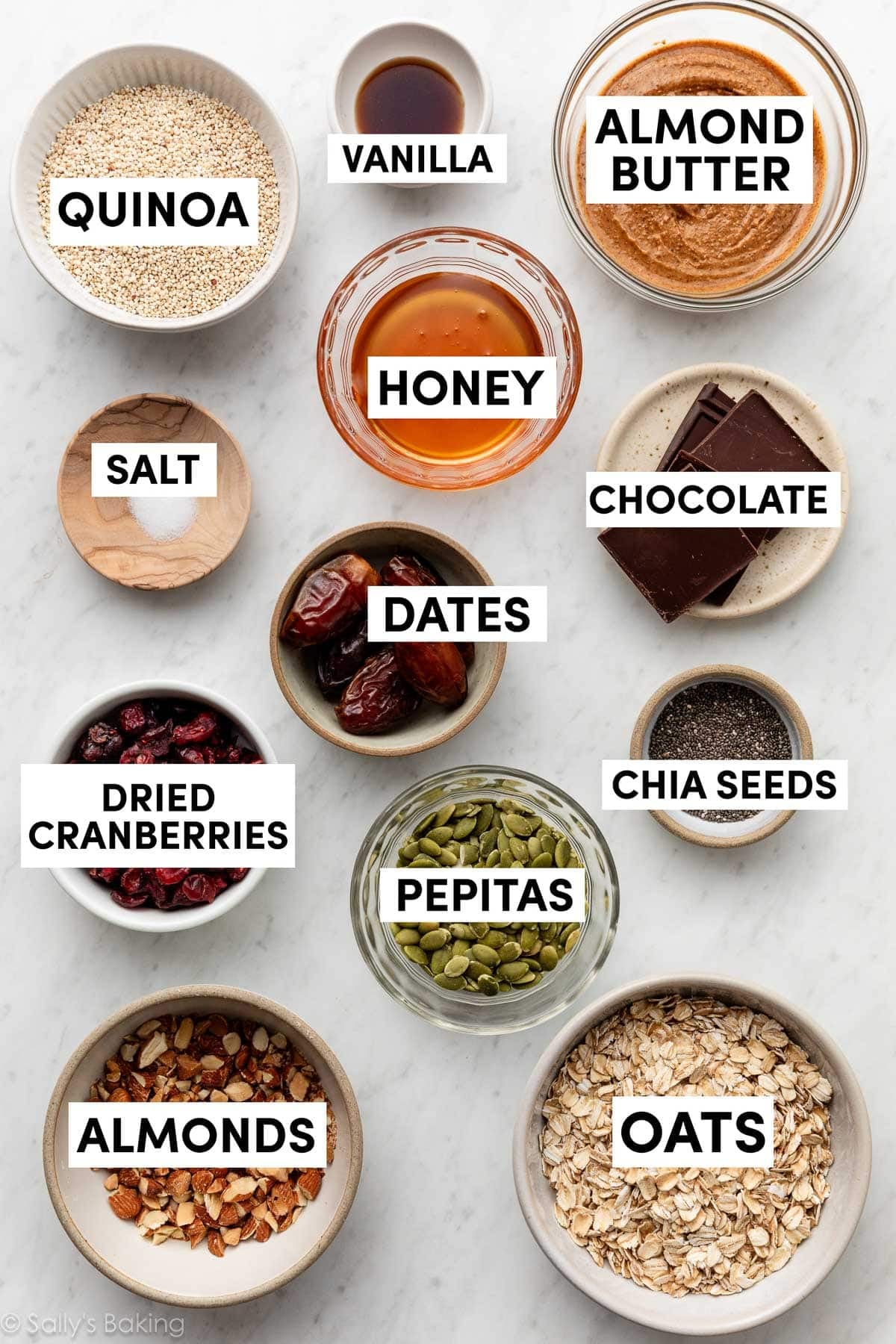
At its core, the appeal of these salted quinoa granola bars lies in their carefully curated blend of ingredients, each contributing not only to flavor and texture but also to a robust nutritional profile. The primary components—oats, dates, uncooked quinoa, nuts, seeds, and the optional embellishments of dark chocolate and flaky sea salt—are selected for their inherent health benefits and their synergistic qualities.
Ingredient Synergy and Nutritional Profile
- Oats: As a foundation, oats provide a substantial source of soluble fiber, specifically beta-glucan, known for its cholesterol-lowering properties and ability to promote satiety. This contributes to the bars’ "chewy" characteristic while offering sustained energy release, making them an ideal choice for a lasting snack.
- Medjool Dates: These naturally sweet fruits serve as the primary binding agent and sweetener, eliminating the need for refined sugars. Dates are rich in dietary fiber, potassium, and antioxidants, contributing to digestive health and providing a quick, yet sustained, energy boost without the sharp sugar spikes associated with artificial sweeteners. The process of soaking and pureeing them creates a viscous, naturally adhesive paste that holds the bar together.
- Uncooked Quinoa: This pseudocereal is perhaps the most distinctive ingredient, introducing a unique "crunchy" element that sets these bars apart from their chewier counterparts. Nutritionally, quinoa is celebrated as a complete protein, containing all nine essential amino acids, making it an excellent plant-based protein source. It is also high in fiber, magnesium, B vitamins, iron, potassium, calcium, phosphorus, and vitamin E, solidifying its status as a "superfood" and significantly elevating the nutritional density of the bars.
- Nuts (e.g., Almonds) and Seeds (e.g., Pepitas, Chia Seeds): These additions provide healthy monounsaturated and polyunsaturated fats, plant-based protein, and a spectrum of micronutrients. Almonds offer Vitamin E and magnesium, while pepitas (pumpkin seeds) are rich in zinc and antioxidants. Chia seeds are a powerhouse of omega-3 fatty acids, fiber, and protein, further enhancing the bars’ satiety and nutritional value. The inclusion of these ingredients adds layers of texture and a rich, nutty flavor.
- Almond Butter/Nut Butter: Acting as a secondary binder and flavor enhancer, almond butter contributes healthy fats, protein, and a creamy depth. Its presence ensures the bars remain moist and prevents them from becoming overly dry or crumbly.
- Honey (or Maple Syrup for Vegan): A natural liquid sweetener, honey provides an additional binding quality and a subtle sweetness. Its natural sugars contribute to the overall energy content, while its inherent stickiness aids in the structural integrity of the bars. For those adhering to a vegan diet, maple syrup offers a comparable alternative, maintaining both the sweetness and binding properties.
- Dark Chocolate and Flaky Sea Salt: These are not merely garnishes but critical components that elevate the flavor profile. Dark chocolate, known for its antioxidant properties, introduces a decadent, slightly bitter counterpoint to the sweetness of the dates and honey. The flaky sea salt is crucial, providing a "tart contrast" that prevents the bars from tasting one-note sweet, creating a sophisticated sweet-and-salty balance that appeals to a broader palate.
A Recipe’s Evolution: From Blog Post to Culinary Influence
The journey of this specific quinoa granola bar recipe, first published in 2017 and subsequently updated with new photos and "extra success tips," illustrates the dynamic nature of online culinary content. In the digital age, food blogs and recipe platforms play a pivotal role in disseminating culinary innovations and responding to evolving consumer tastes. The decision to add dried cranberries for a "lovely tart contrast" and a sprinkle of sea salt to balance the sweetness is indicative of a chef’s iterative process, refining a popular recipe based on feedback and a deeper understanding of flavor dynamics. This iterative improvement mirrors the broader trend of continuous product development in the food industry, driven by consumer preferences for nuanced flavors and enhanced nutritional benefits. The mention of a related recipe, "Chewy Tahini Granola Bars" from a best-selling cookbook, further underscores the influence of established culinary voices in guiding home bakers towards diversified, healthful options.
Customization and Dietary Inclusivity
One of the most compelling aspects of this recipe, and a hallmark of modern home cooking, is its inherent flexibility and potential for customization. This adaptability directly addresses the diverse dietary needs and preferences of contemporary consumers.
- Nut-Free Options: By swapping almonds for sunflower seeds and almond butter for sunflower seed butter, the bars can be made completely nut-free, making them suitable for individuals with nut allergies or for inclusion in nut-restricted environments like schools. This foresight reflects a growing imperative for allergen-aware food preparation.
- Vegan Alternatives: The straightforward substitution of maple syrup for honey transforms the recipe into a vegan-friendly option, catering to the increasing number of plant-based diets. This simple swap maintains the desired texture and sweetness without compromising ethical or dietary principles.
- Varying Mix-ins: The article highlights the potential for customization beyond the core ingredients. Incorporating different dried fruits (cherries, apricots), various nuts (walnuts, pecans), or other seeds (flax seeds, sesame seeds) allows individuals to tailor the bars to their personal taste preferences or to utilize ingredients they have on hand. This creative freedom fosters a sense of engagement and ownership over one’s food choices.
This emphasis on customization is not merely a convenience; it is a reflection of a deeper societal trend towards personalized nutrition and the rejection of a one-size-fits-all approach to diet.
The Practicality of Homemade: Preparation and Preservation
Beyond their nutritional merits, these granola bars champion the practicality of homemade snacks. The preparation process, described as "very, very easy to do," involves simple steps:
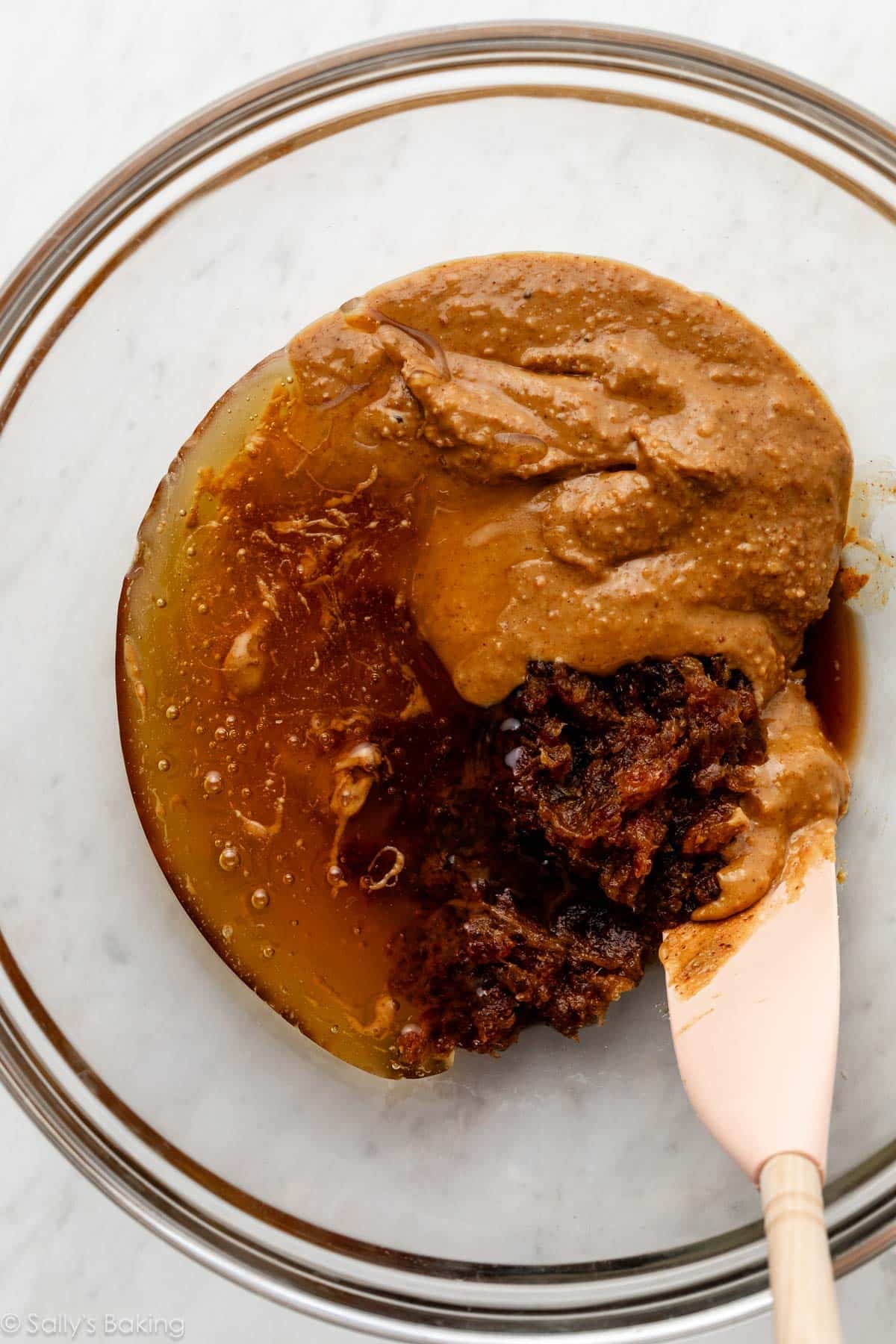
- Date Paste Creation: Soaking and blending Medjool dates into a thick paste. This step is crucial for achieving the natural sweetness and binding power.
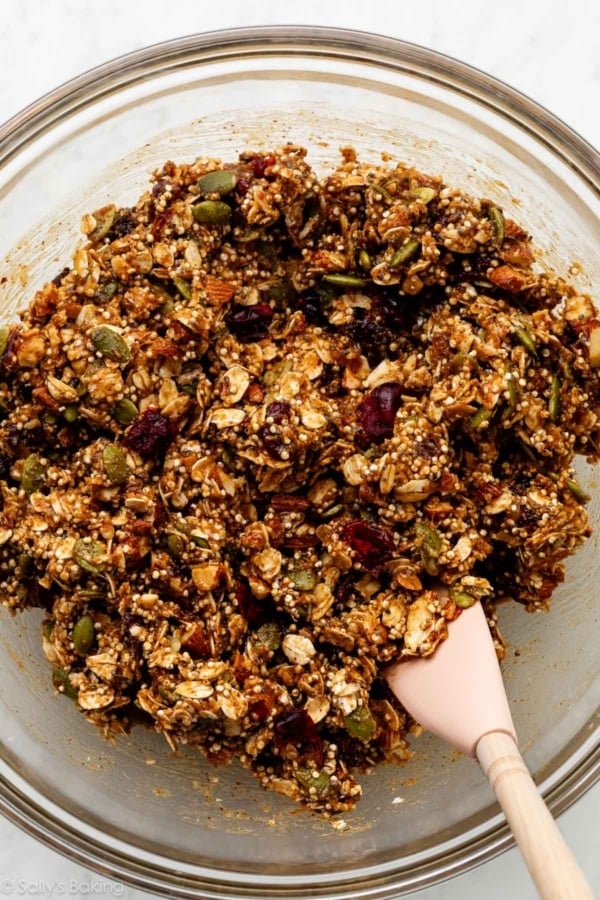
- Ingredient Combination: Mixing wet and dry ingredients separately before combining them, a standard practice in baking that ensures even distribution.
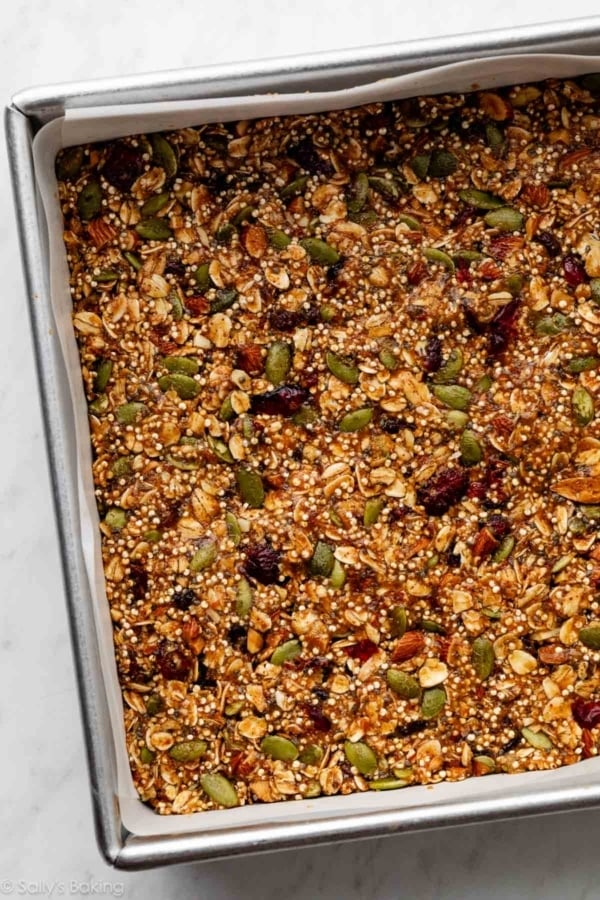
- Firm Pressing: The instruction to "press the mixture firmly into a lined baking pan—the tighter you pack it, the better they hold together" is a critical success tip, ensuring structural integrity. This is often a key differentiator between successful homemade bars and crumbly failures.
- Cooling and Chilling: Emphasizing cooling completely and chilling before slicing is paramount. The chilling process allows the fats and binders to solidify, making the bars easier to cut and preventing them from falling apart.
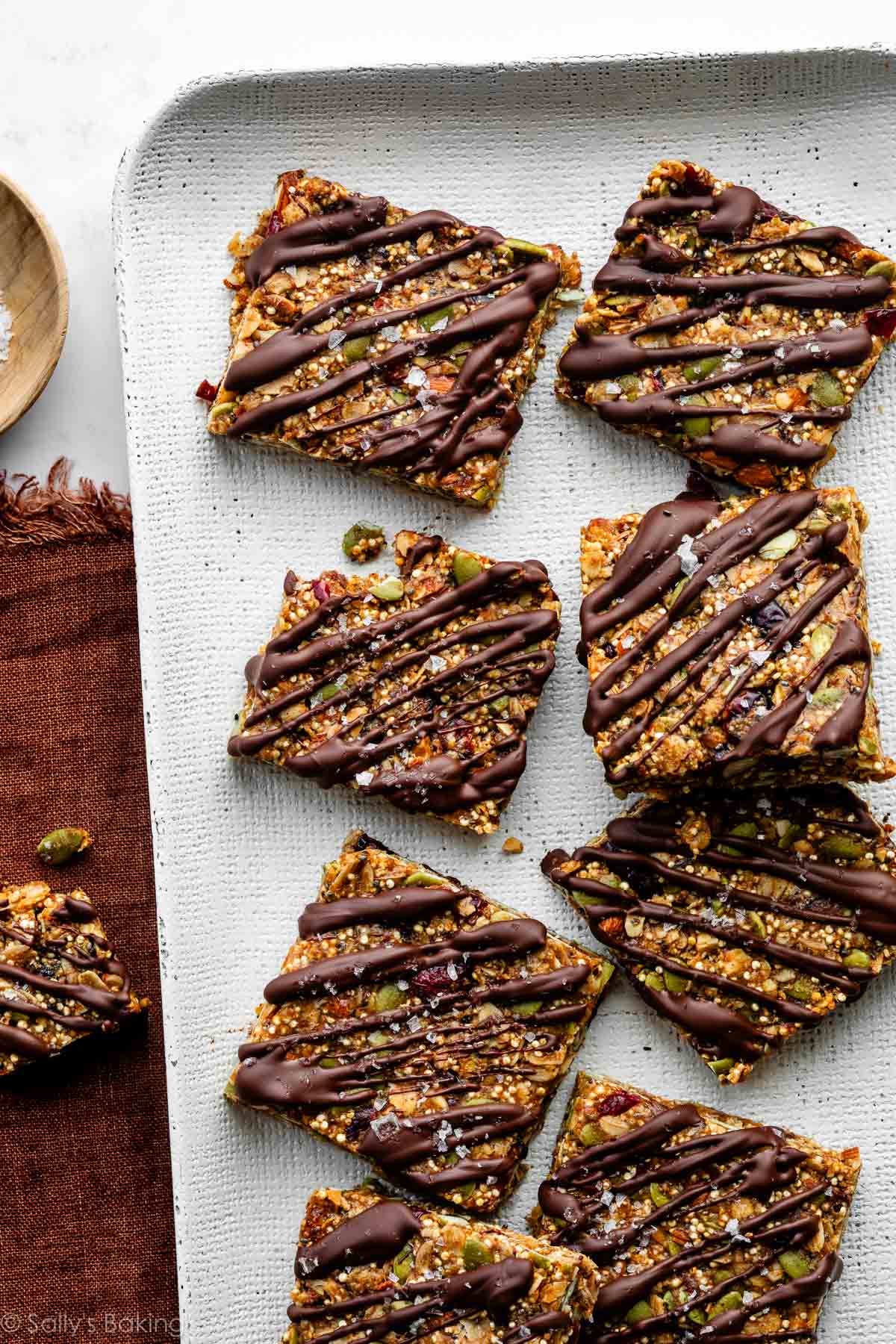
- Finishing Touches: The final drizzle of melted chocolate and sprinkle of flaky sea salt adds not only aesthetic appeal but also the aforementioned critical flavor balance.
The description of the bars as "hearty, textured, and intentionally a little rustic" acknowledges that homemade items often possess a distinct character compared to their uniform, mass-produced counterparts. The candid comparison to "bird food" while simultaneously affirming their deliciousness is a charming and relatable way to manage expectations, highlighting that wholesome beauty can be found in imperfection.
Furthermore, the freezer-friendly nature of these bars offers a significant advantage for meal preparation and busy lifestyles. Consumers can make a large batch, portion them, and store them for future consumption, ensuring a healthy, readily available snack without constant effort. This aspect aligns perfectly with the growing demand for convenience without compromise.
Broader Implications for the Snack Market
The increasing popularity of homemade, nutrient-dense snacks like these quinoa granola bars has several profound implications for the wider food industry.
- Pressure on Manufacturers: Commercial snack bar manufacturers are facing mounting pressure to innovate and offer products that mimic the naturalness, ingredient transparency, and nutritional benefits of homemade options. This often involves reducing sugar content, incorporating "superfoods," and eliminating artificial additives. Brands that fail to adapt risk losing market share to smaller, artisanal producers or the growing segment of home bakers.
- Ingredient Sourcing: The demand for ingredients like quinoa, Medjool dates, various nuts, and seeds is likely to continue its upward trajectory, impacting global agricultural supply chains and pricing.
- Consumer Education: Recipes like this contribute to a more educated consumer base, who become more adept at identifying wholesome ingredients and understanding the principles of balanced nutrition. This, in turn, fuels further demand for healthy products.
- The "Snackification" Trend: As traditional meal structures become more fluid, snacking has evolved from an occasional indulgence to a legitimate meal replacement or supplement. These hearty granola bars are well-suited to this "snackification" trend, providing sustained energy and satiety between meals.
Expert Perspectives on Snacking Trends
Nutrition experts consistently advocate for snacks that are rich in fiber, protein, and healthy fats to promote satiety and provide sustained energy. "Snacks should serve a purpose beyond momentary gratification," states Dr. Anya Sharma, a registered dietitian and public health advocate. "A well-composed snack, like one incorporating whole grains, healthy fats, and a complete protein source like quinoa, can effectively manage blood sugar levels, prevent overeating at subsequent meals, and contribute significantly to daily nutrient intake."
Food industry analysts, such as Maria Rodriguez of Global Food Insights, observe a sustained growth in the "better-for-you" snack segment. "Consumers are increasingly willing to pay a premium for snacks that align with their health and wellness goals," Rodriguez notes. "The success of recipes like the homemade quinoa granola bar underscores the market’s trajectory towards authenticity, functionality, and personalized nutrition. Manufacturers who can authentically replicate these qualities at scale will be the ones to thrive."
Conclusion
The salted quinoa granola bar, far from being just another recipe, serves as a compelling case study in the contemporary culinary landscape. It embodies the convergence of health consciousness, a desire for natural ingredients, and the empowering trend of home cooking. Through its thoughtful combination of wholesome components, its adaptable nature, and its practical preparation, it offers a sophisticated answer to the modern quest for nutritious and satisfying grab-and-go options. As consumers continue to prioritize well-being and mindful eating, such innovative and accessible recipes will undoubtedly continue to shape the future of snacking, influencing both individual dietary choices and the broader trajectory of the food industry.