
The debate surrounding vegetable and seed oils has surged into public consciousness, fueled by a potent mix of social media discourse, bestselling diet books, and conflicting expert opinions. What began as a nuanced discussion among nutritionists has escalated into a polarizing "food war" across platforms like TikTok, where these common cooking ingredients are often branded with inflammatory labels such as "toxic sludge," "motor oil," or "the hateful eight." Proponents of diets like the carnivore diet, in particular, have been vocal in asserting that seed oils are a primary, yet overlooked, cause of chronic disease.
Historical Context and the Rise of Seed Oils
The controversy surrounding vegetable oils is not entirely new. Their introduction to the market in the early 20th century marked a significant shift in dietary patterns, moving away from traditional animal fats. Initially, these new fats, like margarine, were marketed as healthier, more affordable alternatives to butter and lard. This narrative was largely driven by industrial advancements that made it possible to extract oils from seeds like corn, soybeans, and canola, which were cheap to cultivate and process on a large scale.
For decades, dietary advice, particularly in the mid to late 20th century, largely favored unsaturated fats found in vegetable oils over saturated animal fats, driven by concerns over heart disease. This led to a widespread adoption of vegetable oils in both home cooking and the burgeoning processed food industry. However, a counter-narrative has steadily gained traction, questioning the long-term health implications of this dietary shift. Critics argue that these industrially produced oils, unlike fats consumed by humans for millennia, are fundamentally alien to our biology and contribute to modern health epidemics.
Defining "Vegetable" and "Seed" Oils
To navigate this complex debate, it’s crucial to first understand what constitutes a "vegetable oil" in this context. While the term "vegetable oil" can broadly refer to any oil derived from plants, the current controversy primarily targets oils extracted from seeds. Common examples found in most grocery aisles include:
- Canola oil (derived from rapeseed)
- Corn oil
- Cottonseed oil
- Grapeseed oil
- Rice bran oil
- Soybean oil
- Safflower oil
- Sunflower oil
Notably, oils like olive oil, avocado oil, palm oil, and coconut oil, despite being plant-derived, are typically excluded from the "seed oil" debate because they are extracted from the fruit or flesh of a plant, not the seed, and often undergo different processing methods.
The Industrial Processing of Seed Oils
A central point of contention revolves around how most commercial seed oils are processed. Unlike olive or avocado oil, which can be extracted relatively simply through mechanical pressing due to their high fat content, seeds like corn or soybeans contain only a small percentage of oil. This necessitates an extensive, multi-step industrial process to maximize extraction:
- Cleaning and Crushing: Seeds are cleaned and then crushed to increase their surface area.
- Heating (Pre-pressing): The crushed seeds are often heated to aid in oil release.
- Solvent Extraction: A chemical solvent, most commonly hexane, is used to dissolve and extract the oil from the seed meal. This step is highly efficient but raises concerns about chemical residues.
- Desolventizing: The oil-solvent mixture is heated to evaporate the solvent, which is then recovered and reused.
- Refining: The crude oil undergoes a series of refining steps to remove impurities, free fatty acids, and undesirable flavors and odors. This typically involves:
- Degumming: Removal of phospholipids.
- Neutralization: Treatment with alkali to remove free fatty acids.
- Bleaching: Treatment with activated clays to remove pigments.
- Deodorization: High-temperature steam distillation to remove volatile compounds that cause unwanted odors and flavors.
This rigorous processing, while making the oils palatable and shelf-stable, has significant nutritional implications. Beneficial compounds such as health-promoting polyphenols, antioxidants, and other stabilizing nutrients present in the raw seed are largely stripped away. More critically, the high heat and chemical exposure can lead to the formation of de novo trans fatty acids, a type of fat widely recognized as detrimental to health. It’s also worth noting that similar trans fat formation can occur when these oils are subjected to repeated high-temperature heating, as seen in restaurant deep fryers.
The "Toxic" Claims: Deconstructing the Science

The accusations of toxicity against seed oils primarily stem from three areas: their trans fat content, their omega-6 fatty acid profile, and their susceptibility to oxidation.
Trans Fats: The scientific consensus is clear: trans fats are harmful. They raise LDL ("bad") cholesterol, lower HDL ("good") cholesterol, and increase the risk of heart disease. The Food and Drug Administration (FDA) officially banned manufacturers from adding partially hydrogenated oils (the primary source of artificial trans fats) to processed foods in 2018, recognizing their danger. While fully refined vegetable oils contain only trace amounts of de novo trans fats (those formed during processing, not intentionally hydrogenated), their presence, however small, contributes to the argument against their use.
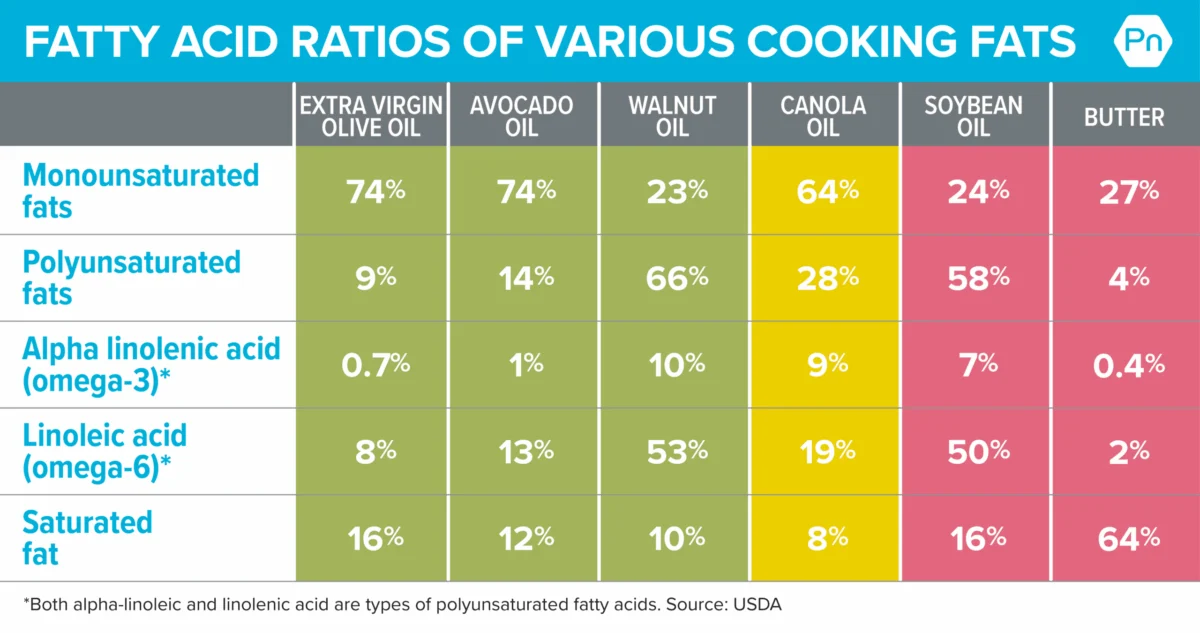
Omega-6 Fatty Acids and Inflammation: Many seed oils are rich in omega-6 polyunsaturated fatty acids (PUFAs), particularly linoleic acid. The typical Western diet often has a much higher ratio of omega-6 to omega-3 fatty acids (sometimes 16-20:1), far exceeding the ancestral ratio estimated to be closer to 1:1 or 4:1. Some experts theorize that this imbalance promotes a pro-inflammatory state in the body, potentially contributing to chronic diseases like heart disease, diabetes, and autoimmune conditions.
However, the scientific community’s view on omega-6s has evolved. Major health organizations, such as the American Heart Association (AHA), have stated that omega-6 fats, when consumed in moderation and as part of a balanced diet, are not inherently inflammatory and may even be beneficial for cardiovascular health, especially when replacing saturated fats. A 2019 study published in Circulation suggested that omega-6 fat consumption was associated with a reduced risk of stroke, heart disease, and early death. The critical distinction, often overlooked in the public debate, lies in the source of omega-6s. Omega-6s found in whole foods like nuts and seeds come packaged with fiber, antioxidants, and other protective compounds, which may mitigate any potential inflammatory effects. In contrast, refined seed oils are essentially isolated fats, devoid of these beneficial co-factors, making them more susceptible to degradation and potentially problematic when consumed in large quantities or in highly processed forms.
Oxidation and Free Radical Damage: Polyunsaturated fats, due to their chemical structure with multiple double bonds, are inherently less stable and more prone to oxidation than monounsaturated or saturated fats. During the intensive refining process, protective phytochemicals and antioxidants are removed, further increasing their vulnerability. When these oils are exposed to heat, light, or air, they can oxidize, generating free radicals. These free radicals can damage cells, proteins, and DNA in the body, contributing to oxidative stress, which is implicated in aging and various chronic diseases. The concern is heightened when these oils are used in deep-frying or are present in ultra-processed foods that undergo multiple heating cycles.
Expert Consensus: A Nuanced Perspective
Given the complexity, many nutrition experts and organizations advocate for a nuanced approach rather than a blanket condemnation or endorsement. The prevailing view among mainstream dietary guidelines emphasizes the overall dietary pattern over individual ingredients.
Precision Nutrition, for instance, offers a categorical approach:
- "Eat More" (Health-Promoting): Extra virgin olive oil (EVOO), avocado oil, walnut oil. These are rich in monounsaturated fats (MUFAs) and/or omega-3s, contain beneficial polyphenols and antioxidants, and are backed by extensive research linking them to positive health outcomes. EVOO, a cornerstone of the Mediterranean diet, has been consistently associated with a reduced risk of heart disease, stroke, certain cancers, and improved cognitive function. Its polyphenols contribute to its stability even at higher cooking temperatures, debunking older myths about its low smoke point.
- "Eat Some" (Health-Neutral to Potentially Beneficial in Moderation): Expeller-pressed canola oil, high-oleic sunflower, and safflower oils. These oils, while less researched than EVOO, offer a more favorable fatty acid profile than their highly refined counterparts. Expeller-pressed canola, mechanically extracted without harsh chemicals, retains more beneficial compounds like alpha-linolenic acid (an omega-3 fatty acid) and phytosterols, which can help lower cholesterol. High-oleic versions of sunflower and safflower oils are bred to contain more stable monounsaturated fats, making them less prone to oxidation. They represent affordable, neutral-flavored options for cooking and baking when used in reasonable amounts.
- "Eat Less" (Limit Intake): Highly refined vegetable oils (e.g., standard corn, soybean, cottonseed oils), butter, and other saturated fats. This category acknowledges the potential drawbacks of both highly processed oils and excessive saturated fat.
Head-to-Head: Specific Oil Comparisons
Extra Virgin Olive Oil vs. Expeller-Pressed Canola Oil:
EVOO stands out for its robust scientific backing, rich MUFA content, and high levels of polyphenols. Studies consistently link higher EVOO consumption to lower mortality rates and reduced risks of cardiovascular disease, type 2 diabetes, and certain cancers. Its stability under heat further enhances its versatility. While expeller-pressed canola oil offers a good balance of MUFAs and omega-3s and is a budget-friendly option, the sheer volume of evidence supporting EVOO makes it the clear winner for overall health benefits. However, for baking or when a neutral flavor is desired, expeller-pressed canola remains a respectable choice in moderation.
Expeller-Pressed Canola Oil vs. Refined Canola Oil:
This comparison highlights the impact of processing. Expeller-pressed canola, produced by mechanical pressing without chemical solvents or high heat, retains more of its inherent beneficial compounds, including alpha-linolenic acid and phytosterols, and minimizes the formation of undesirable trans fats. Refined canola oil, undergoing the full industrial process, loses more of these protective elements and can contain trace amounts of trans fats. Therefore, expeller-pressed varieties are preferable, albeit by a modest margin, as canola’s overall fatty acid profile is generally considered less problematic than other common seed oils like soybean or corn oil.

Refined Vegetable Oil vs. Butter:
This is perhaps the most contentious matchup. Proponents of butter argue that saturated fats have been unfairly demonized and that traditional fats are inherently healthier than modern industrial oils. However, excessive saturated fat intake (above 10% of total calories) is consistently linked to increased LDL cholesterol and heightened cardiovascular risk. Butter, being low in the protective milk fat globule membrane found in other dairy products like cheese or full-fat milk, tends to raise blood cholesterol more significantly. A tablespoon of butter contributes a substantial portion of the recommended daily saturated fat limit.
Conversely, refined vegetable oils are criticized for their susceptibility to oxidation, their omega-6 profile, and the presence of trace trans fats. When consumed as part of a diet rich in ultra-processed foods, these concerns are magnified.
Ultimately, many experts view this as a draw, recommending moderation for both. Neither highly refined vegetable oils nor butter are considered health-promoting in large quantities. The key lies in balancing intake and considering the overall dietary context.
The Pervasive Role of Ultra-Processed Foods
A crucial aspect often overlooked in the "seed oil" debate is the primary vehicle through which many people consume refined vegetable oils: ultra-processed foods (UPFs). These industrially formulated products, ranging from packaged snacks and sugary cereals to frozen dinners and fast food, are often laden with refined seed oils (soybean, corn, cottonseed) alongside high amounts of added sugars, sodium, and artificial ingredients.
The problem with UPFs extends far beyond just their oil content. The extensive processing, the combination of hyper-palatable ingredients, and the lack of fiber and micronutrients make them incredibly calorie-dense, easy to overeat, and detrimental to health. Studies have consistently linked high consumption of UPFs to an increased risk of obesity, metabolic syndrome, type 2 diabetes, cardiovascular disease, certain cancers, depression, and premature death.
In this context, refined vegetable oils contribute to health issues not necessarily as "toxic" agents in themselves, but as integral components of a deeply unhealthy dietary pattern. Reducing UPF intake naturally lowers consumption of refined seed oils, irrespective of individual oil choices for home cooking.
Practical Recommendations for Healthy Fat Consumption
Navigating the world of dietary fats can be daunting, but a few guiding principles can help:
- Prioritize Minimally-Processed Whole Foods: Focus on obtaining most of your fats from whole, unprocessed sources. This includes avocados, olives, nuts, seeds, and fatty fish like salmon. These foods provide beneficial fats alongside fiber, protein, vitamins, minerals, and a complex array of health-protective phytochemicals and antioxidants.
- Choose Wisely for Cooking:
- "Eat More" Options: Extra virgin olive oil, avocado oil, and walnut oil (for dressings) are excellent choices due to their nutrient density and scientific support.
- "Eat Some" Options: Expeller-pressed canola oil, high-oleic sunflower, or safflower oils can be good, affordable choices for cooking, especially for higher heat applications or baking, when used in moderation.
- Limit Deep-Fried Foods: Regardless of the oil used, deep-frying significantly increases calorie density and can degrade oils, leading to the formation of harmful compounds like trans fats. Relegate all deep-fried items to an "eat less" category.
- Moderation in All Oils and Added Fats: While some oils are healthier than others, even beneficial oils are calorie-dense. Aim for 1-3 servings of added oils or butter per day as part of a balanced diet, recognizing that most fat intake should come from whole foods.
- Focus on the Overall Dietary Pattern: The impact of any single food, including cooking oils, is best understood within the context of the entire diet. A diet rich in whole, unprocessed foods (fruits, vegetables, lean proteins, whole grains, legumes) with limited ultra-processed items will naturally optimize fat intake and promote better health, irrespective of minor debates over specific oils.
In conclusion, the question of whether vegetable and seed oils are "toxic" is overly simplistic. The truth is nuanced, emphasizing the critical role of processing, the specific type of oil, the cooking methods employed, and, most importantly, the overall dietary context. By making informed choices about the sources of fat in our diet and prioritizing whole foods, individuals can navigate this complex landscape effectively for better health outcomes.