
In the modern culinary landscape, the pressure to deliver high-quality, scratch-made desserts during major holidays, milestone celebrations, and high-stakes social gatherings has often led to significant kitchen fatigue. Recent data from consumer lifestyle surveys suggests that home hosts identify "timing coordination" as the primary source of stress when preparing multi-course meals. To mitigate this, a shift toward pre-prepared, freezer-friendly, and refrigerator-set desserts has emerged as a professional-grade strategy for managing complex culinary timelines. By utilizing specific chemical processes—such as the setting of emulsions in mousses or the structural maturation of cake crumb—hosts can achieve superior results while eliminating last-minute labor.
The Science and Strategy of Advance Preparation
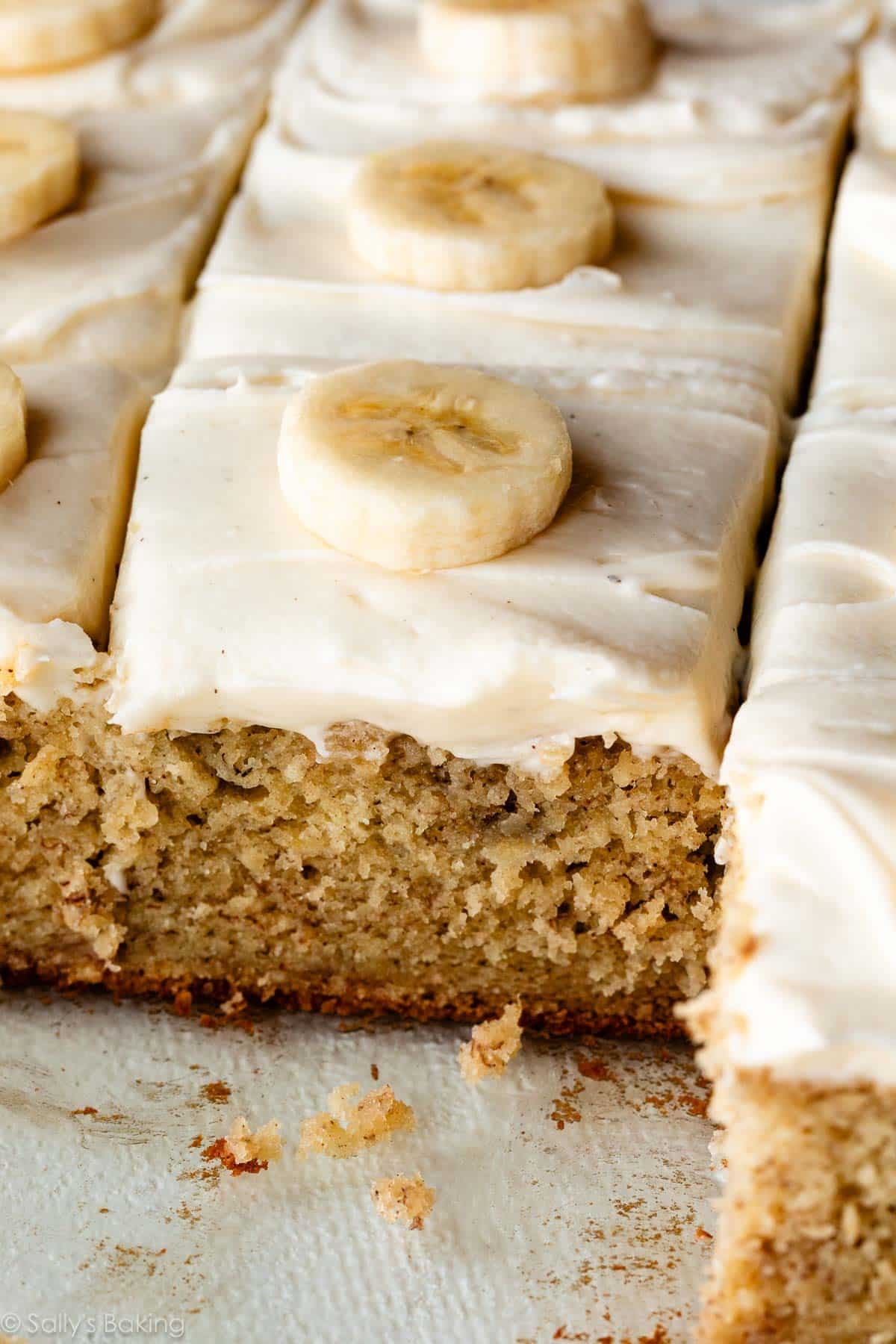
The practice of preparing desserts ahead of schedule is not merely a convenience; it is a technique rooted in food science. Many dessert compositions require a "resting" period to reach their optimal sensory profile. For instance, cakes with high fat content, such as traditional banana or butter-based sponges, undergo a process of moisture equilibration. When wrapped and stored for 24 hours, the crumb softens and the flavor compounds—particularly volatile aromatics from fats and spices—distribute more evenly throughout the structure.
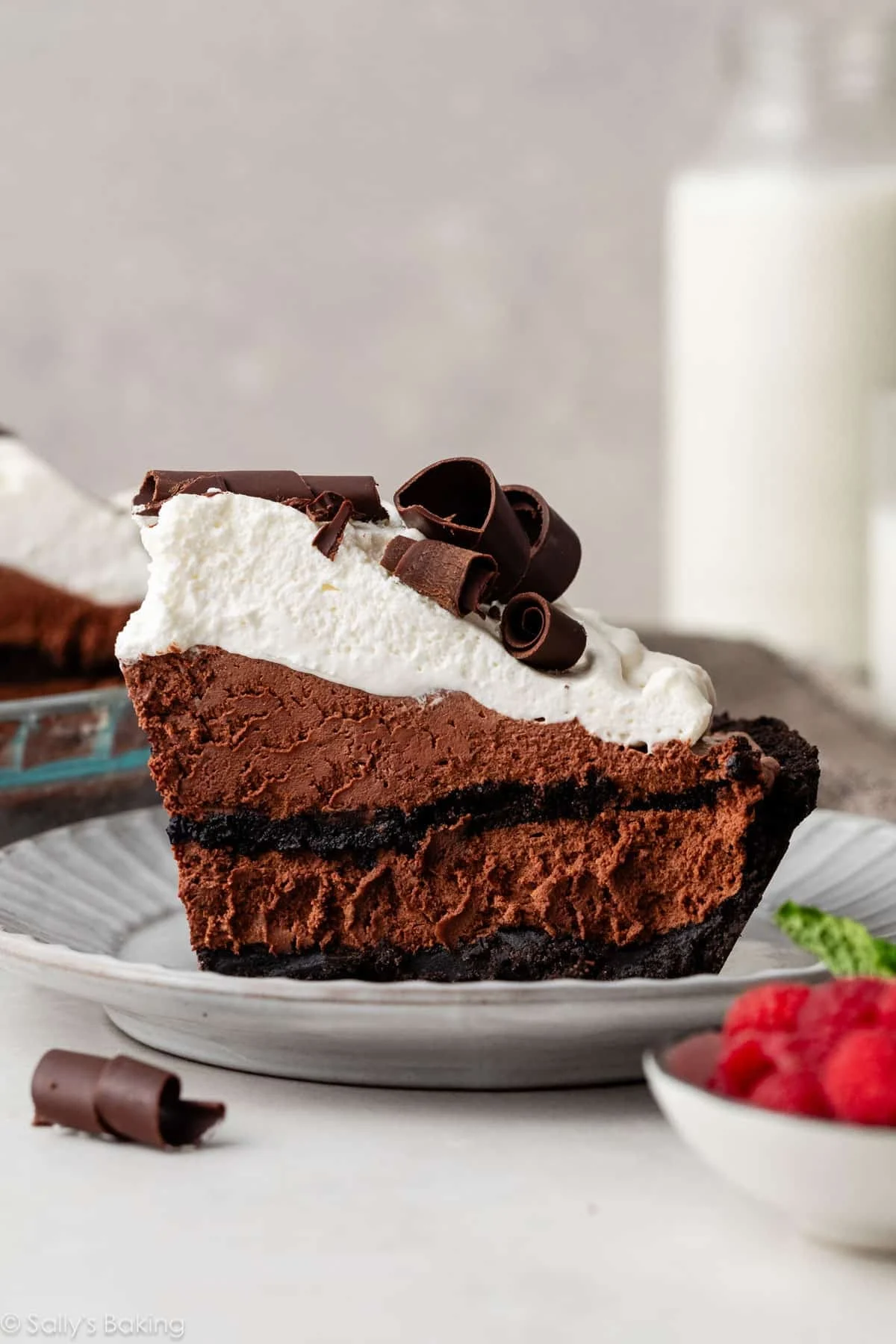
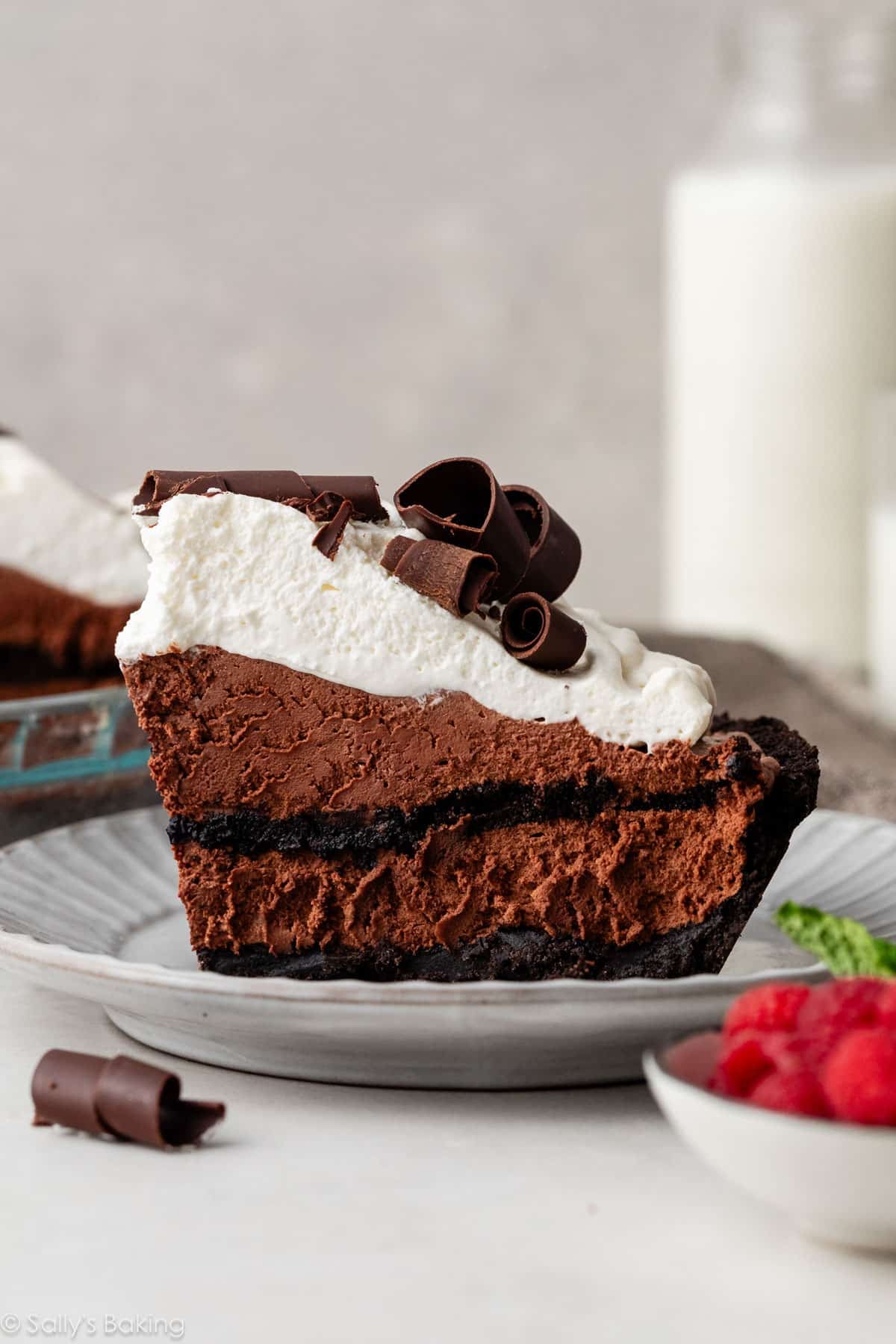
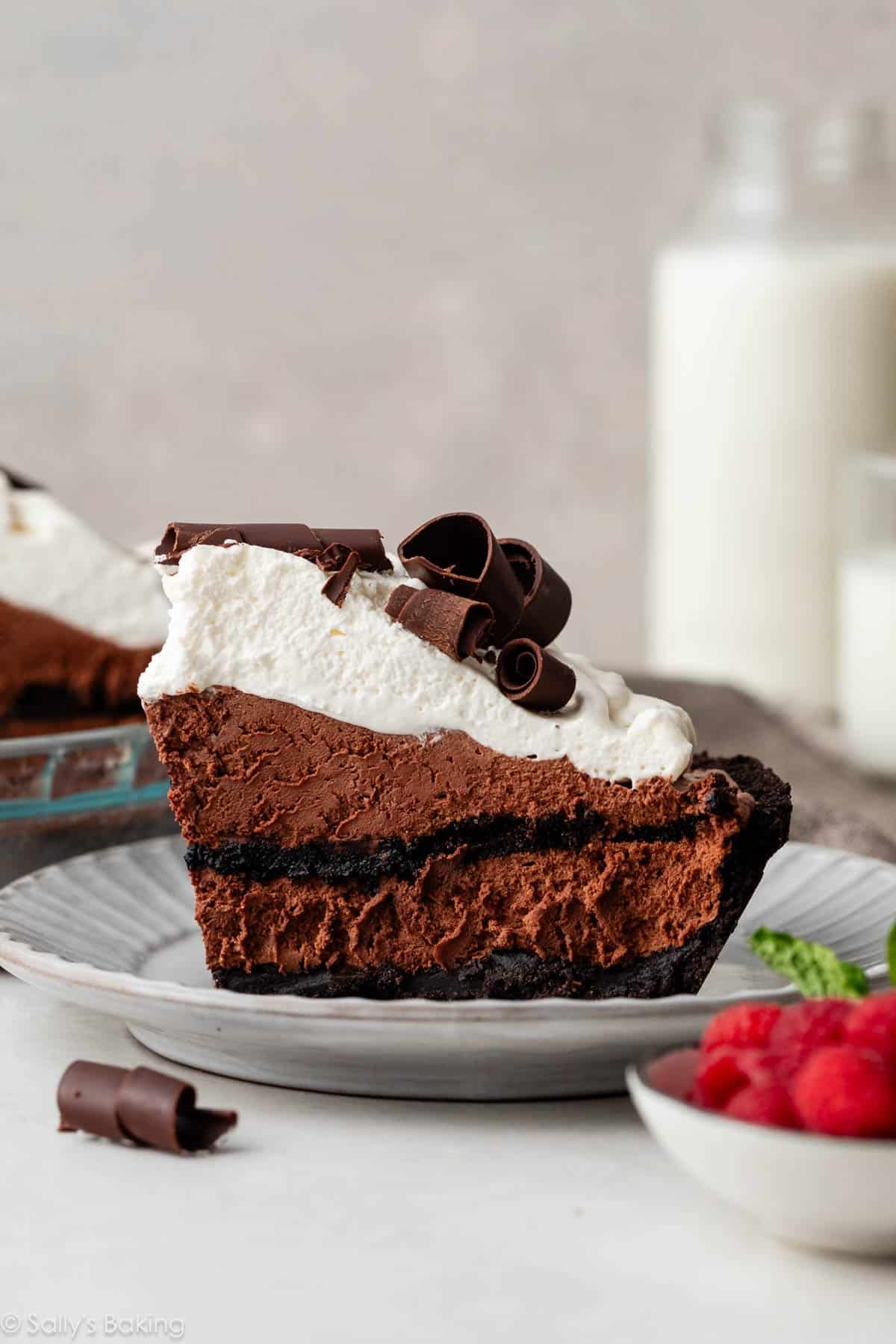
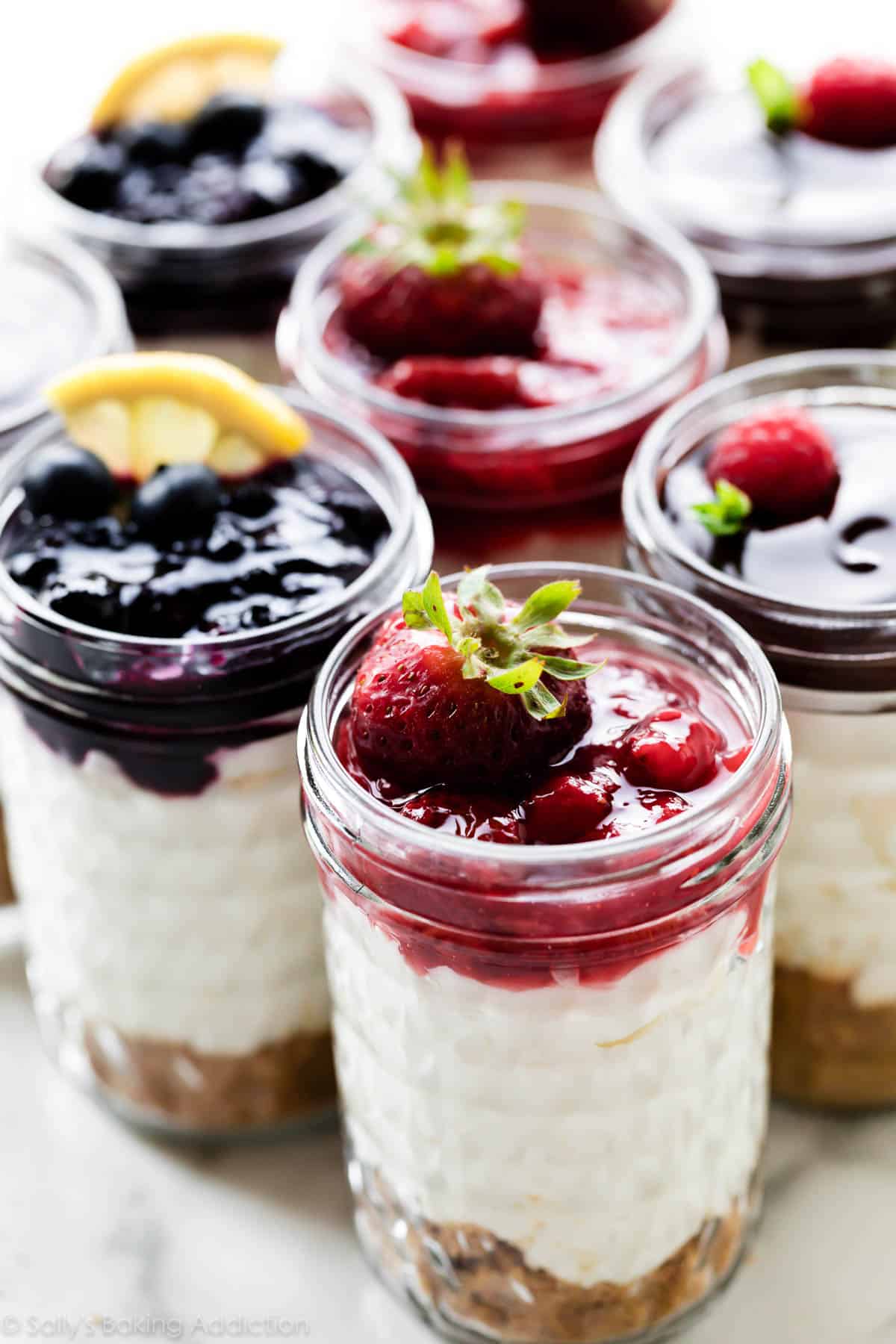
Similarly, chilled desserts, including tiramisu and various cream-based pies, rely on hydrocolloids or protein coagulation to achieve a stable, sliceable consistency. Allowing these desserts to set in a controlled refrigeration environment for 12 to 24 hours ensures structural integrity, which is essential for professional presentation.

Chronological Planning for Event Management
Successful hosting requires a structured timeline that prioritizes high-maintenance tasks. Professional caterers often employ a "countdown" method, which is highly applicable to home baking:
- T-Minus 3 Days: Prepare base components that require long refrigeration times, such as no-bake cheesecake bases or cookie doughs intended for chilling.
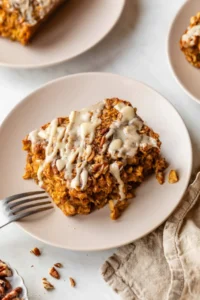
- T-Minus 2 Days: Assemble items that benefit from flavor development, such as banana cakes or spiced carrot cakes. These items remain stable and often improve in texture when stored in airtight containers at room temperature or refrigerated, depending on the frosting composition.
- T-Minus 1 Day: Complete final assembly for items requiring overnight setting, such as ice cream cakes or multi-layered puddings.
- Day of Event: Reserve the final hours for garnishing, such as adding fresh whipped cream, dusting cocoa powder, or torching marshmallow toppings. This "finishing touch" approach ensures the dessert appears freshly prepared without the stress of the primary baking phase.
Categorizing Make-Ahead Successes
To categorize these recipes for efficient planning, one must distinguish between storage requirements and shelf stability.

Freezer-Friendly Masterpieces
Ice cream-based desserts, such as custom-layered ice cream cakes, represent the pinnacle of freezer-friendly planning. These items require a minimum of 12 hours of sub-zero conditioning to ensure that the layers of hot fudge, cookie crumbles, and ice cream are perfectly bonded. From a logistical standpoint, these are the most "forgiving" desserts, as they can be prepared weeks in advance if stored properly.

Refrigerator-Dependent Delicacies
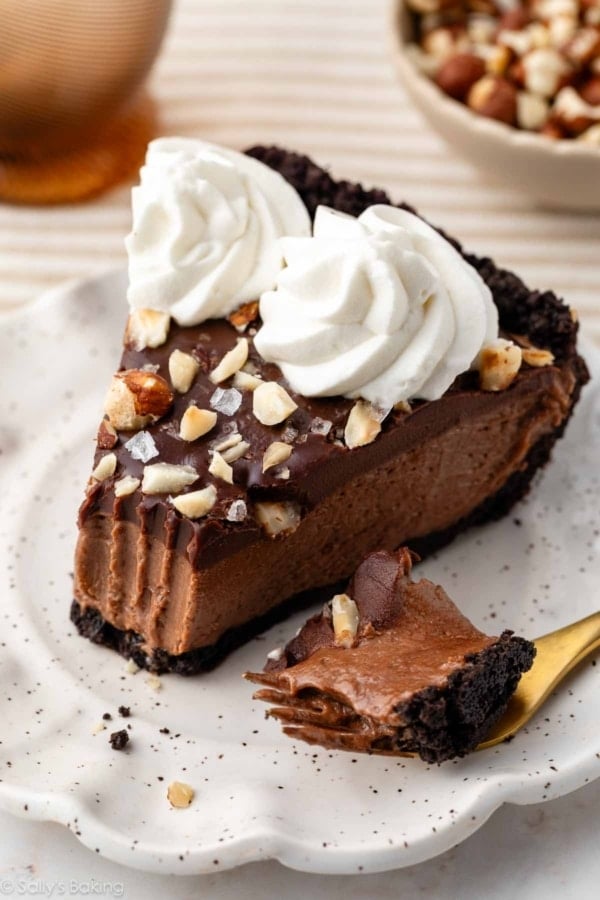
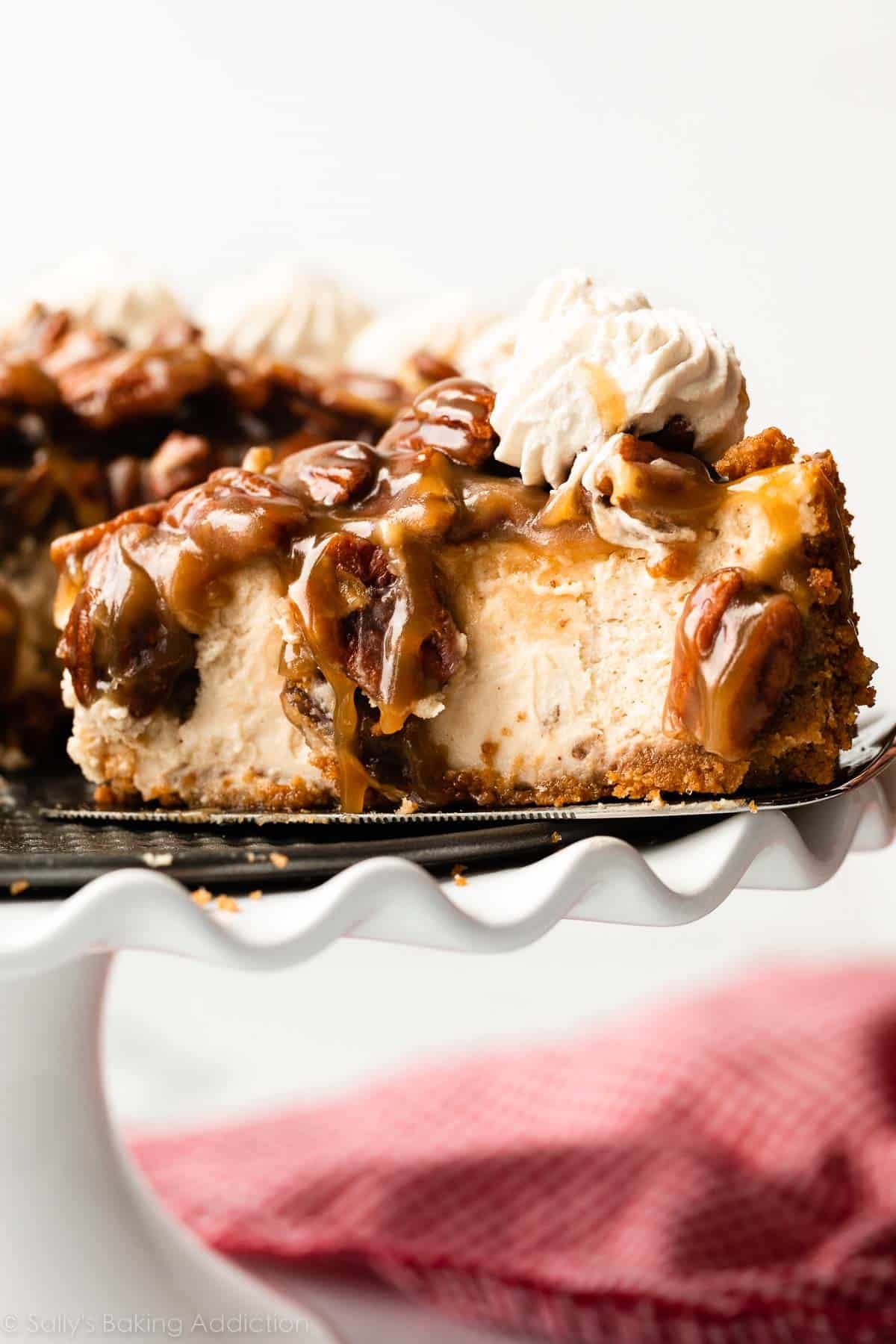
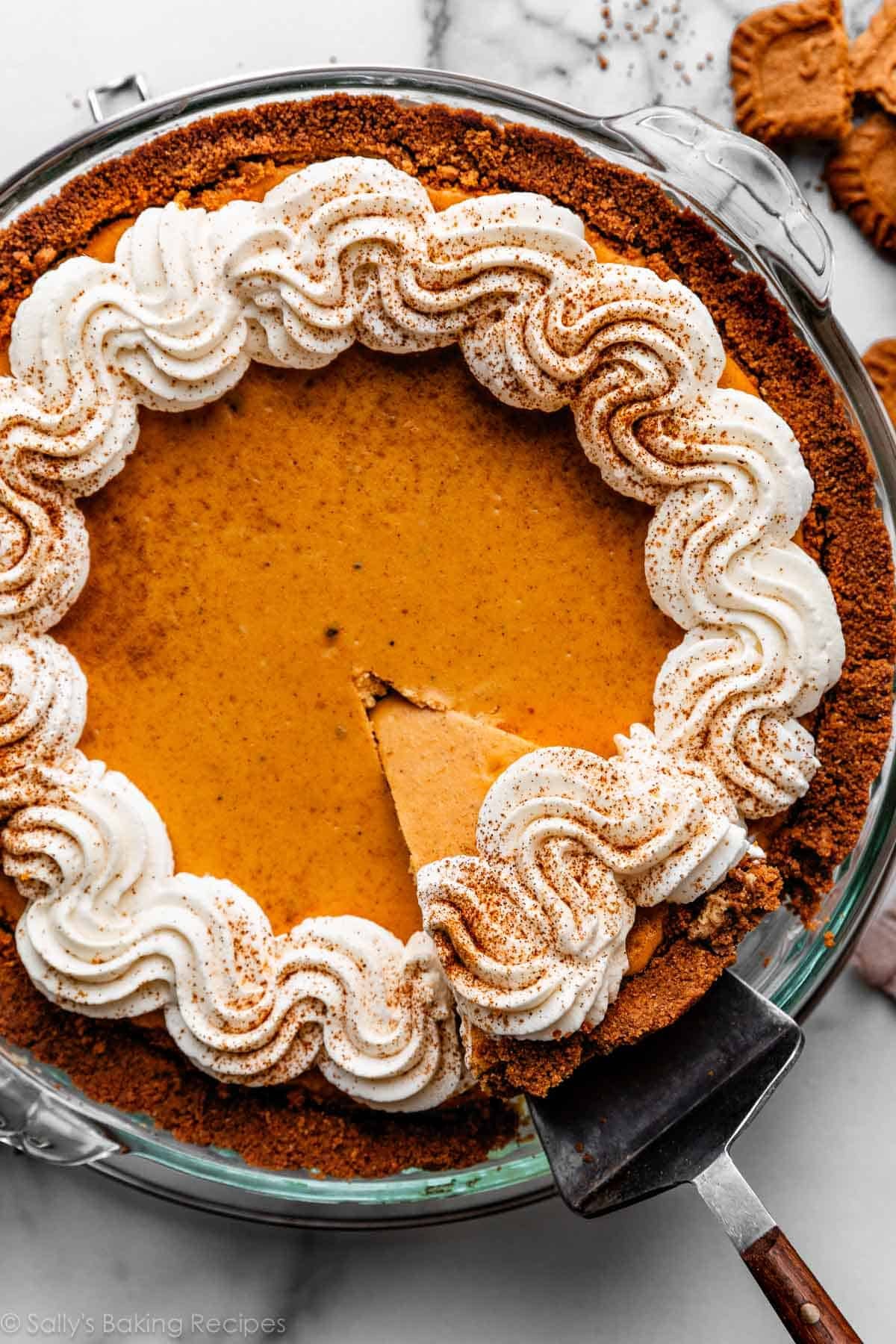
Desserts like Tiramisu, Nutella cream pies, and pumpkin cheesecake pies require constant temperature control. The primary advantage here is the "set" time. When these dishes are prepared 24 to 48 hours in advance, the dairy-based fillings stabilize, resulting in clean, aesthetic slices that are often difficult to achieve if served too soon after preparation.
Room-Temperature Stable Treats
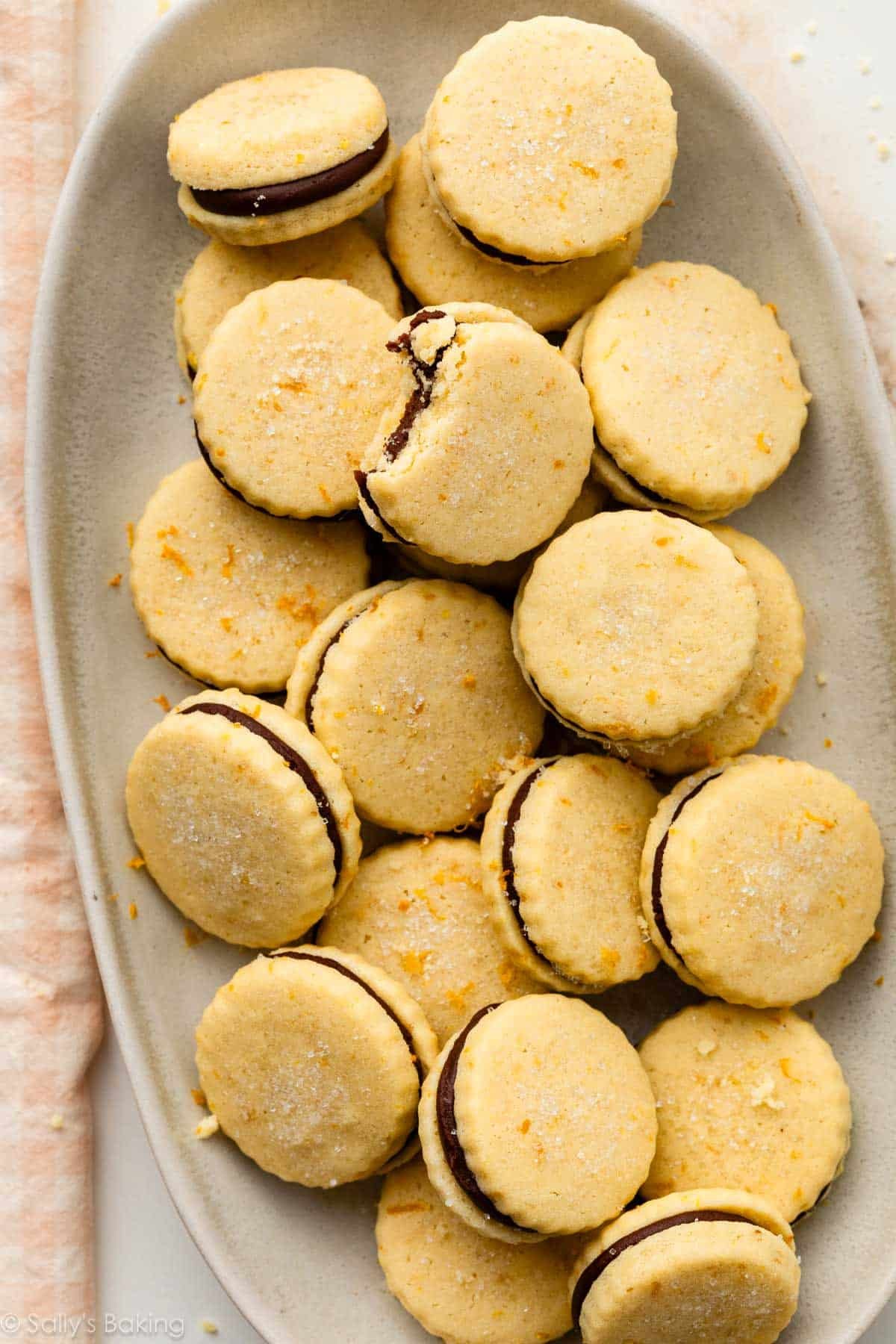
Bars and bark-style desserts, such as chocolate chip cookie bark or oatmeal cream pies, offer the most flexibility. These can be stored at room temperature, provided they are kept in a cool, dry environment. These are often the preferred choice for events involving travel, as they do not require the strict thermal management of refrigerated items.
Economic and Logistical Implications
The move toward advance-preparation baking has significant implications for food waste reduction and household efficiency. By preparing desserts in advance, home bakers can better manage their ingredient inventory, utilizing bulk items and reducing the frequency of emergency grocery store trips.
Furthermore, the use of professional-grade equipment—such as 9×13-inch pans with secure, airtight lids—has been shown to increase the longevity of baked goods. Investment in high-quality springform pans for cheesecakes or dedicated glassware for layered trifles can further improve the success rate of these recipes, ensuring that the final presentation meets the standards of high-end catering.
Expert Guidance on Implementation
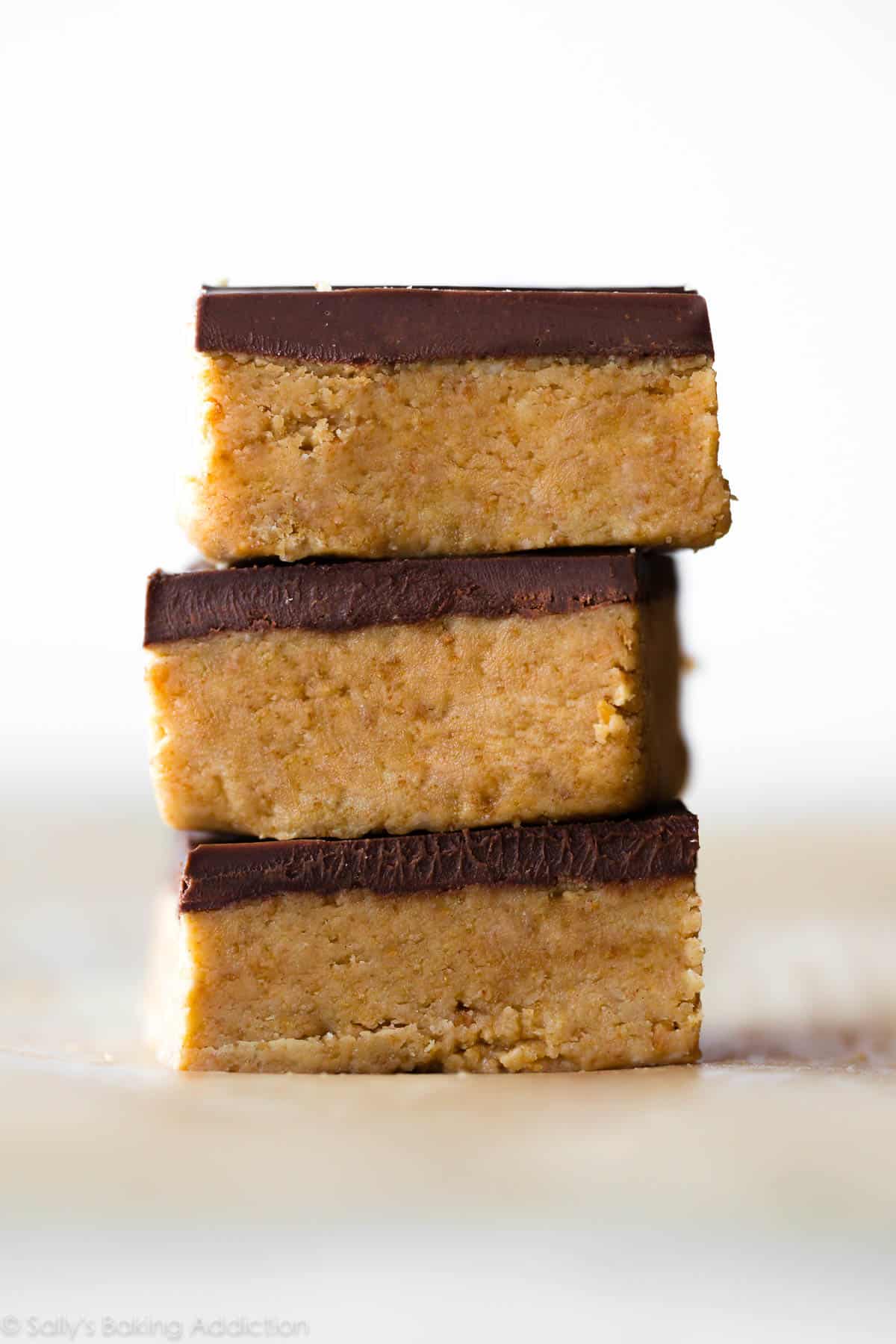
When selecting recipes for a large-scale event, culinary experts recommend a balance between "no-bake" and "baked" items. For example, if a menu includes a heavy, oven-baked entrée, opting for a no-bake dessert—such as a chocolate peanut butter bar or a chilled fruit tart—frees up oven space and reduces the thermal load in the kitchen.
Conversely, if the main meal is light, a richer, oven-baked dessert like a bread pudding with a butter rum sauce provides a satisfying conclusion. The key to successful implementation is the "chill factor." Regardless of the recipe, ensuring the dessert has had sufficient time to reach the correct serving temperature is the most critical step in the process.

Broadening the Scope of Home Catering
The trend of "make-ahead" is not limited to casual gatherings; it is becoming a standard expectation for professional-grade home entertaining. As more individuals seek to balance professional responsibilities with social obligations, the ability to produce restaurant-quality desserts without the stress of last-minute assembly becomes a highly valued skill.
By adopting these methods, the modern host can shift their focus from the mechanics of baking to the social aspects of hosting. The data is clear: those who utilize systematic, time-staggered preparation methods report significantly higher levels of satisfaction and lower levels of burnout.

Conclusion: A Sustainable Approach to Hosting
In summary, the transition to make-ahead dessert planning is a fundamental shift in kitchen management. Whether utilizing the freezer for long-term storage or the refrigerator for short-term setting, the strategy allows for a seamless transition from preparation to service. By focusing on recipes that are inherently designed for advance storage—such as the classic Smith Island cake, the versatile pumpkin pie in a jar, or the durable Oreo truffle—hosts can ensure a successful, stress-free conclusion to any event.
The integration of these techniques is not just about saving time; it is about reclaiming the joy of entertaining. With the right selection of recipes and a disciplined approach to the calendar, the prospect of hosting becomes a manageable and rewarding endeavor, ensuring that the focus remains on the guests rather than the kitchen clock.