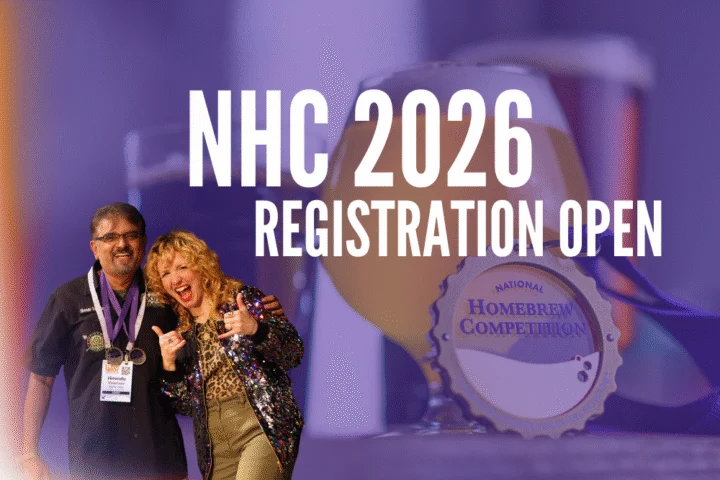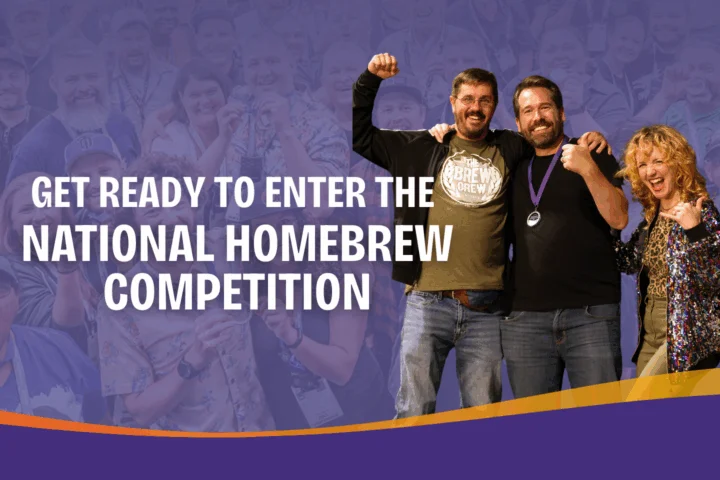

The American Homebrewers Association (AHA) has officially announced the commencement of preparations for the 2026 National Homebrew Competition (NHC), the world’s most prestigious and expansive platform for amateur zymurgy. As the event enters its 48th year, it stands as a cornerstone of the global craft beverage movement, providing a rigorous stage for hobbyists to showcase their mastery of beer, cider, and mead. Following a landmark organizational transition in mid-2025, the 2026 competition is poised to be a defining moment for the association, reflecting both the deep-seated traditions of the hobby and a modernized approach to competitive evaluation.
Since its inception in 1979, the National Homebrew Competition has served as the ultimate proving ground for aspiring brewers. With more than 170,000 entries judged over nearly five decades, the competition has tracked the evolution of the American palate, from the early days of basic ales to the complex, experimental techniques that define the modern era. The 2026 edition promises to continue this legacy, supported by the technical expertise of the Beer Judge Certification Program (BJCP) and a newly invigorated leadership structure within the AHA.
A New Chapter for the American Homebrewers Association
The 2026 competition arrives during a period of significant transformation for the American Homebrewers Association. In July 2025, the AHA transitioned to an independent entity, a move designed to provide the organization with greater autonomy and a renewed focus on the specific needs of the homebrewing community. This shift has led to the formation of the AHA Founding Board and an dedicated Events Committee, comprised of volunteer member leaders and professional staff who have spent the latter half of 2025 refining the competition’s framework.
Industry analysts suggest that this independence allows the AHA to be more agile in responding to trends within the hobby. The 2026 NHC is the first full-cycle competition managed under this new governance model. The organization has emphasized that while the spirit of the competition remains unchanged, the infrastructure supporting it—ranging from digital registration systems to logistical coordination for the final round—is undergoing a comprehensive upgrade to improve the entrant experience and ensure the highest standards of judging integrity.
Historical Context and the Evolution of Homebrewing
To understand the significance of the 48th National Homebrew Competition, one must look back to the late 1970s. When the competition was founded, homebrewing had only recently been legalized at the federal level in the United States via H.R. 1337, signed by President Jimmy Carter. At that time, the American beer landscape was dominated by a handful of large-scale commercial breweries producing light lagers. The NHC became a sanctuary for those seeking variety, quality, and the revival of traditional European styles.
Over the decades, the competition has been a primary catalyst for the "Craft Beer Revolution." Many of the most celebrated professional brewers in the world today began their careers by submitting bottles to the NHC. The competition’s rigorous feedback system, which provides every entrant with detailed sensory analysis from certified judges, has functioned as a de facto educational institution for the industry. The 170,000 entries recorded since 1979 represent more than just liquid; they represent a massive data set of technical progress, ingredient experimentation, and the democratization of brewing science.
The Role of the Beer Judge Certification Program (BJCP)
Central to the credibility of the NHC is its partnership with the Beer Judge Certification Program. The BJCP provides a standardized set of style guidelines and a pool of highly trained evaluators who judge entries based on appearance, aroma, flavor, mouthfeel, and overall technical merit. For the 2026 competition, judges will utilize the most current BJCP style guidelines, which encompass dozens of categories ranging from Standard American Beer to Specialty Fruit Melomels and Experimental Ciders.
The judging process for the NHC is notoriously stringent. It typically involves multiple rounds of elimination, beginning with regional qualifiers where only the top-tier entries advance to the Final Round. This "gauntlet" ensures that the medals awarded at the NHC—Gold, Silver, and Bronze—are the most coveted honors in the homebrewing world. For the 2026 cycle, the AHA has signaled that it will continue to prioritize the educational aspect of the competition, ensuring that even those who do not medal receive constructive critiques to help them refine their craft.
Projected Timeline and Logistical Framework
While the full technical manual for the 2026 NHC is scheduled for release in February 2026, the AHA has provided a preliminary roadmap for prospective entrants. The competition cycle typically begins with a registration window in the late winter or early spring, followed by the shipping and drop-off period for regional judging.
Key milestones for the 2026 competition include:
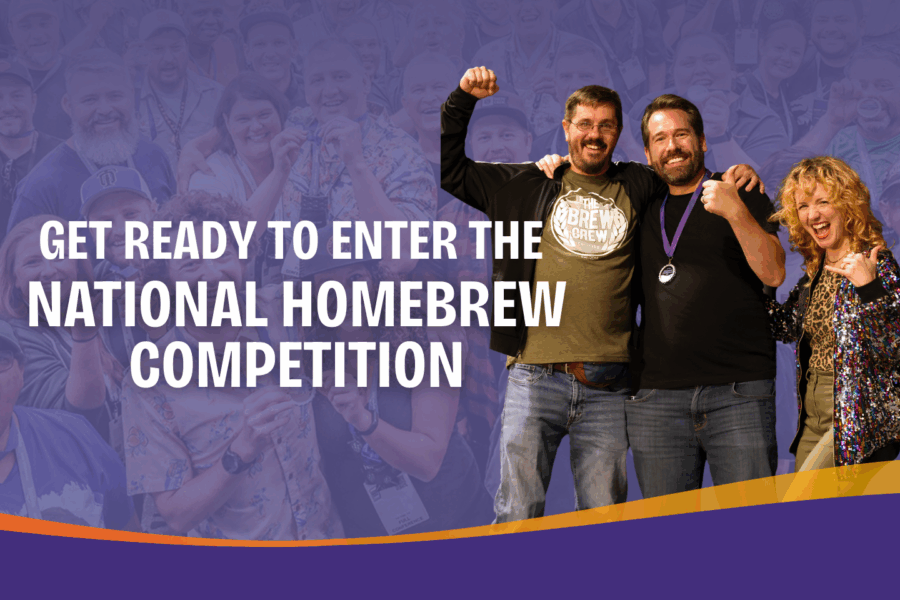
- February 2026: Release of the complete competition rules, category list, and registration dates.
- Spring 2026: Opening of the entry portal and regional judging sessions across various hubs in North America.
- Summer 2026: The Final Round of judging, culminating in the awards ceremony, which traditionally coincides with Homebrew Con, the AHA’s annual national conference.
The AHA has also indicated that the 2026 Final Round will include updated hotel information and travel logistics to accommodate the thousands of attendees expected to participate in the associated festivities. The selection of regional sites is a critical component of the competition’s logistics, as it minimizes shipping distances and ensures that beers—particularly delicate, hop-forward styles—are judged as fresh as possible.
Technical Analysis: Trends and Categories
As the 2026 competition approaches, the brewing community is closely watching for updates to the category list. In recent years, there has been a notable increase in entries for "Historical Beers" and "Wild Ales," reflecting a growing interest in traditional fermentation methods and locally foraged ingredients. Simultaneously, the "Mead" and "Cider" divisions have seen a surge in participation, moving from niche sub-categories to major pillars of the competition.
Data from previous years indicates that the "India Pale Ale" (IPA) category remains the most contested, often receiving hundreds of entries in the regional rounds. However, the AHA and BJCP have worked to ensure that classic European styles, such as German Lagers and Belgian Tripels, receive equal weight and expertise during the judging process. The 2026 competition is expected to see a continued emphasis on "Low-ABV" and "Session" styles, as well as non-traditional adjunct use, reflecting broader consumer trends in the craft beverage sector.
Impact on the Professional Industry and Community
The National Homebrew Competition is often described as the "scouting combine" for the professional brewing industry. Success at the NHC frequently leads to professional opportunities, with many medalists going on to open their own commercial breweries or take lead positions at established firms. By maintaining a high bar for entry and evaluation, the NHC ensures a steady pipeline of talent and innovation into the broader economy.
Beyond the professional implications, the NHC fosters a unique sense of community. The 2026 event will highlight the work of local homebrew clubs, which often compete for the title of "Homebrew Club of the Year." These organizations are the backbone of the hobby, providing mentorship and resources to new brewers. The AHA’s independence is expected to further empower these clubs, offering them a more direct voice in how the national competition is structured and executed.
Official Responses and Strategic Outlook
Representatives from the AHA Founding Board have expressed optimism regarding the 2026 cycle. In internal communications, the board noted that the independence of the association has "unlocked new creative potential" for the NHC. The focus for 2026 is not merely on the number of entries, but on the quality of the judging experience and the accessibility of the competition to a diverse range of participants.
"The National Homebrew Competition is more than a contest; it is a celebration of the curiosity and dedication that drives our community," a spokesperson for the AHA Events Committee stated. "As we approach our 48th year, our goal is to honor the traditions established by our founders while embracing the technological and stylistic innovations of the 21st century."
The BJCP has also reaffirmed its support, noting that the 2026 NHC will serve as a major training ground for new judges seeking to advance their certification levels. The synergy between the AHA’s organizational reach and the BJCP’s technical rigor remains the competition’s greatest strength.
Conclusion and Future Prospects
As the American Homebrewers Association prepares to release full details in February, the 2026 National Homebrew Competition stands as a testament to the enduring appeal of fermented beverages and the DIY spirit. The transition to an independent AHA marks a pivotal moment in the competition’s history, promising a renewed focus on the hobbyists who have spent decades perfecting their recipes in garages, kitchens, and basements across the globe.
With a legacy of 170,000 entries and a future shaped by a dedicated Founding Board, the 2026 NHC is set to reinforce its status as the "Gold Standard" of homebrewing excellence. For the thousands of brewers currently refining their recipes in anticipation of the February announcement, the competition represents more than just a chance at a medal; it is an opportunity to participate in a storied tradition that has shaped the very fabric of the modern beer world.