
In an era defined by demanding schedules and increasing personal and professional commitments, the quintessential family dinner often falls victim to time constraints. Modern households across the globe grapple with the daily dilemma of providing nutritious, home-cooked meals amidst a relentless pace of life. This challenge has fueled a significant culinary evolution, propelling quick dinner recipes—specifically those achievable in 30 minutes or less—from a niche convenience to a mainstream necessity. The demand is not merely for speed but for dishes that are both simple to prepare and genuinely delicious, capable of satisfying diverse palates, from discerning adults to energetic children.
The weeknight scramble is a pervasive reality for millions. Data from various demographic studies consistently indicate that the average adult in developed nations dedicates a decreasing amount of time to daily meal preparation compared to previous generations. For instance, a 2023 survey by the American Time Use Survey (ATUS) revealed that on an average day, individuals aged 18 and over spent approximately 37 minutes preparing food and drink, a figure that includes quick snacks and beverages, not just full dinners. This limited timeframe often shrinks further on weekdays due to work obligations, extensive after-school activities, and the general complexities of modern living. The consequence is a predictable reliance on takeout, ready-made meals, or highly processed options, which, while convenient, frequently compromise nutritional value and strain household budgets.
The pivot towards efficient home cooking is therefore a response to a multifaceted societal pressure. Dual-income households are more common than ever, meaning both parents often share domestic responsibilities, including cooking, but with less combined time. Children’s extracurricular schedules—ranging from sports practices to music lessons—extend well into the evening, pushing dinner times later and further compressing the window for meal preparation. This convergence of factors creates a fertile ground for the "30-minute meal" phenomenon, a culinary movement that promises not only speed but also a return to the joys and benefits of home-cooked food without the associated time commitment.
The allure of these quick recipes lies in their dual promise: rapid assembly and satisfying flavor. The misconception that speed equates to blandness or lack of effort is actively being challenged by innovative culinary approaches. Contemporary 30-minute meals are designed to feel substantial and "put-together," belying their minimal preparation time. This "easy but impressive" quality is the sweet spot for many home cooks, allowing them to serve meals that are genuinely appealing and healthful, fostering a sense of accomplishment rather than culinary fatigue. Whether catering to a bustling family or an individual seeking a comforting, quick repast after a long day, the diverse range of these rapid recipes offers comprehensive coverage.
The Strategic Pillars of 30-Minute Meal Preparation
Achieving consistently quick and delicious meals is less about culinary wizardry and more about strategic planning and efficient execution. Several core principles underpin the success of the 30-minute meal movement:
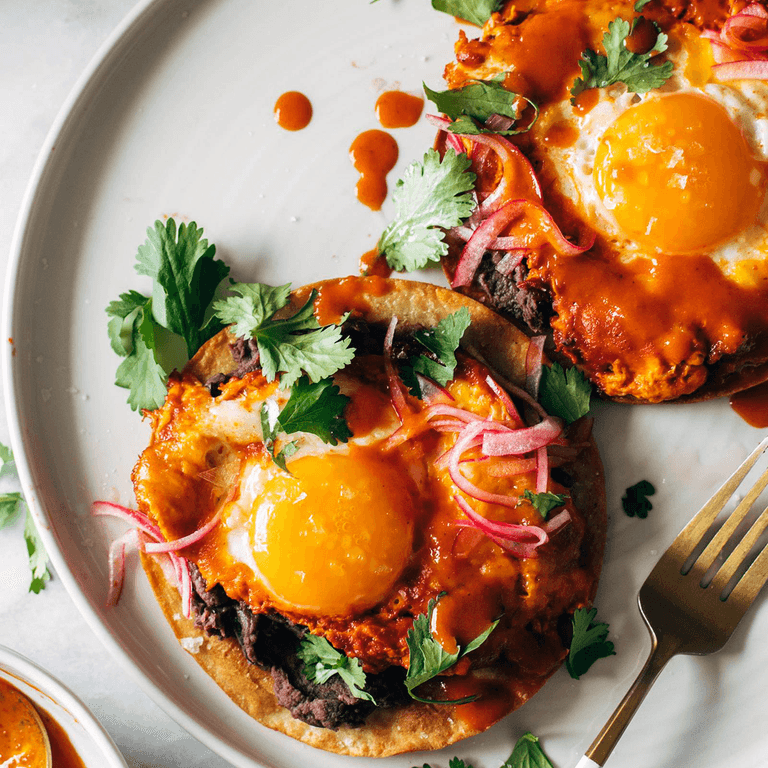
- Smart Ingredient Selection: Prioritizing quick-cooking proteins such as shrimp, thin-cut chicken breasts, ground meats, eggs, chickpeas, and tofu is fundamental. Similarly, vegetables that require minimal chopping or cook rapidly, like spinach, bell peppers, pre-cut broccoli florets, or frozen peas, are staples. Pantry essentials like canned tomatoes, beans, broth, and various sauces (soy sauce, chili crisp, pesto) become crucial building blocks.
- Mise en Place (Preparation): Adopting a "mise en place" philosophy—having all ingredients measured, chopped, and ready before cooking begins—significantly reduces active cooking time. While some might consider this "pre-prep," it’s an integral part of making the 30-minute window achievable for complex-tasting dishes.
- Efficient Cooking Methods: Techniques like stir-frying, quick sautés, sheet pan roasting (often using pre-chopped veggies or fast-cooking proteins), and leveraging appliances like the Instant Pot or air fryer are central. These methods maximize heat distribution and minimize cooking duration.
- Flavor Boosters: Utilizing potent flavor enhancers like fresh herbs, citrus zests, chili flakes, garlic, ginger, and pre-made sauces ensures that dishes taste vibrant and complex without requiring lengthy simmering or intricate layering.
Diverse Culinary Offerings: A Glimpse into the 30-Minute Menu
The breadth of 30-minute dinner recipes is surprisingly vast, encompassing a variety of global cuisines and dietary preferences. This versatility is a key factor in their widespread adoption, allowing households to maintain culinary excitement without sacrificing precious time.
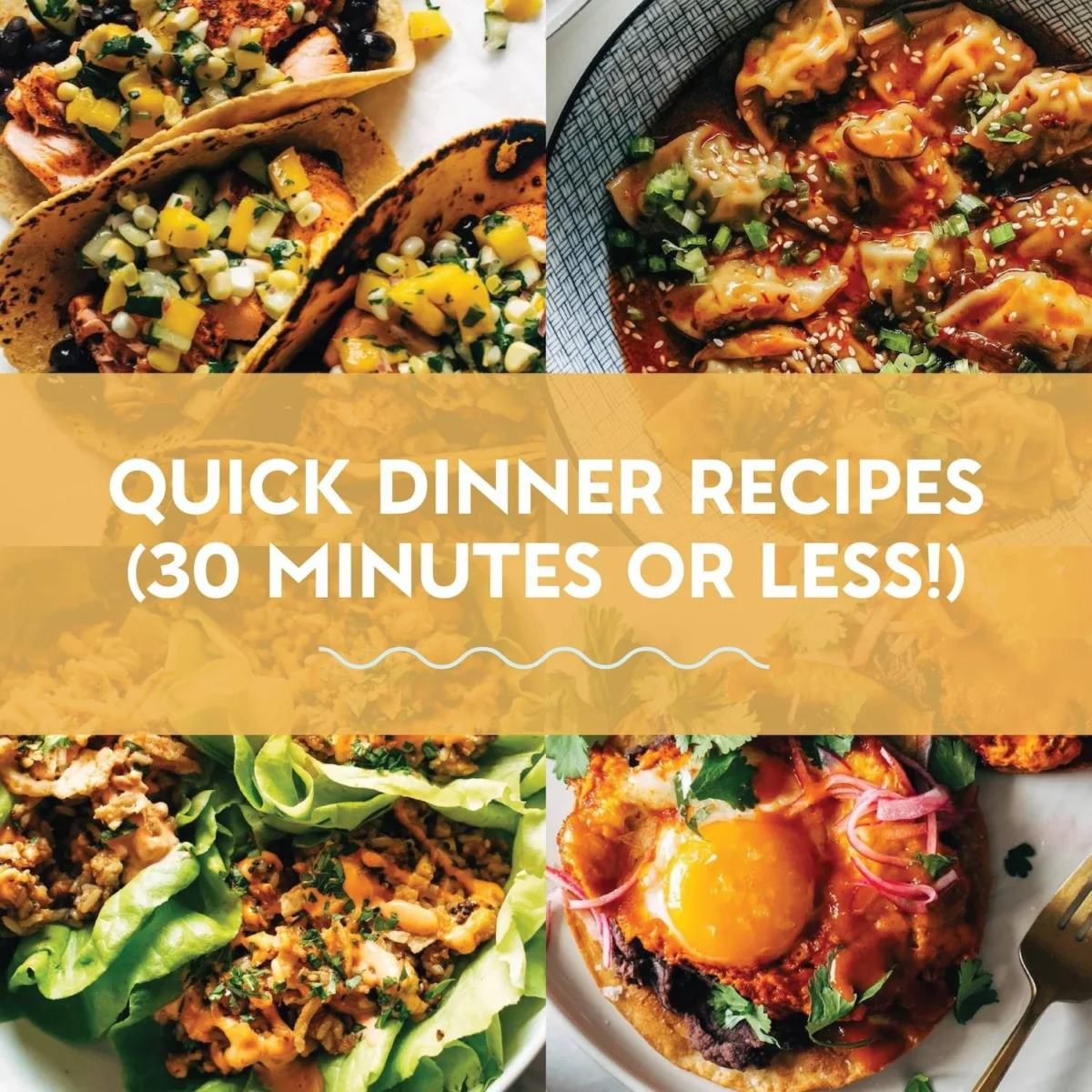
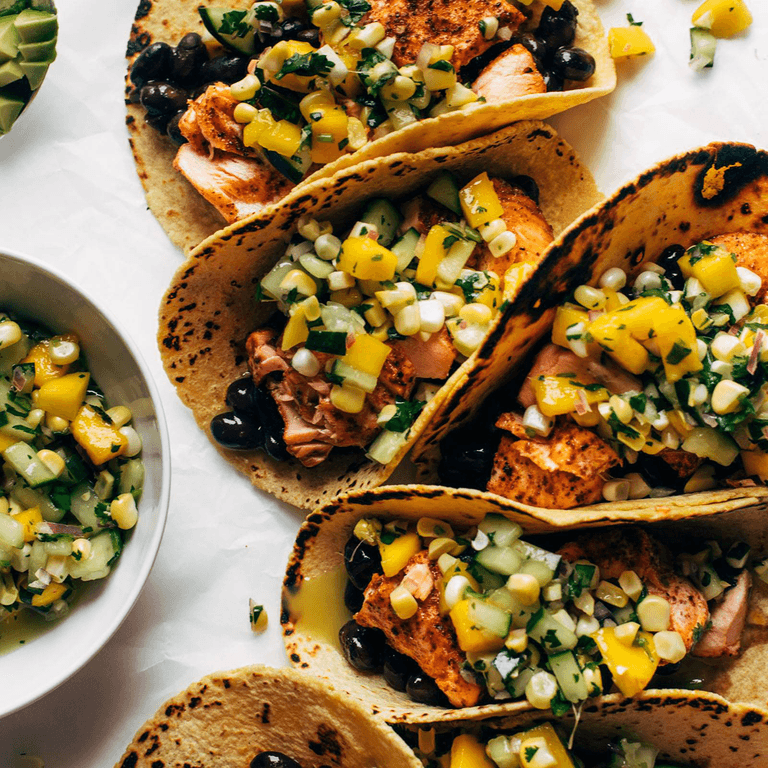
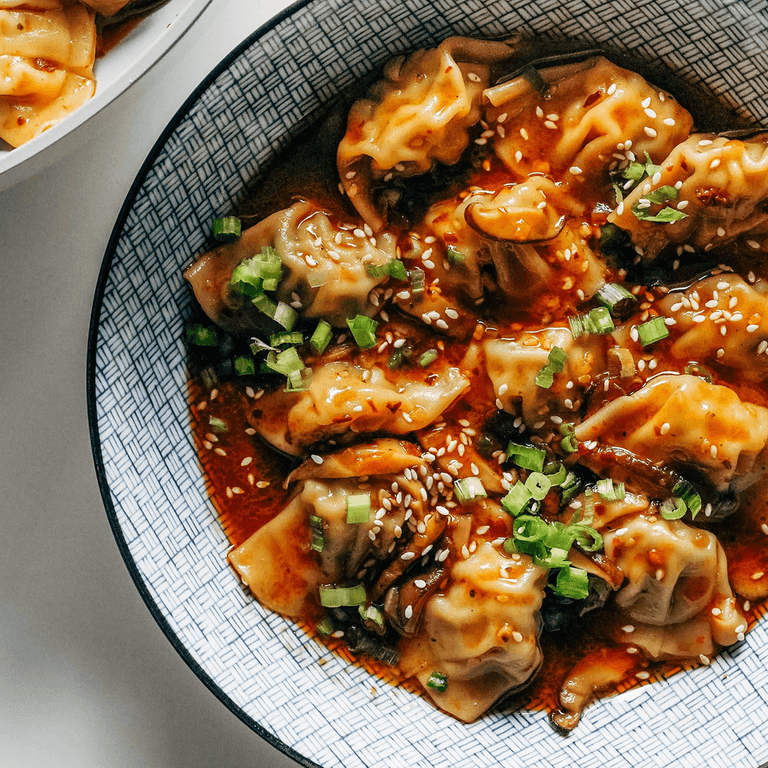
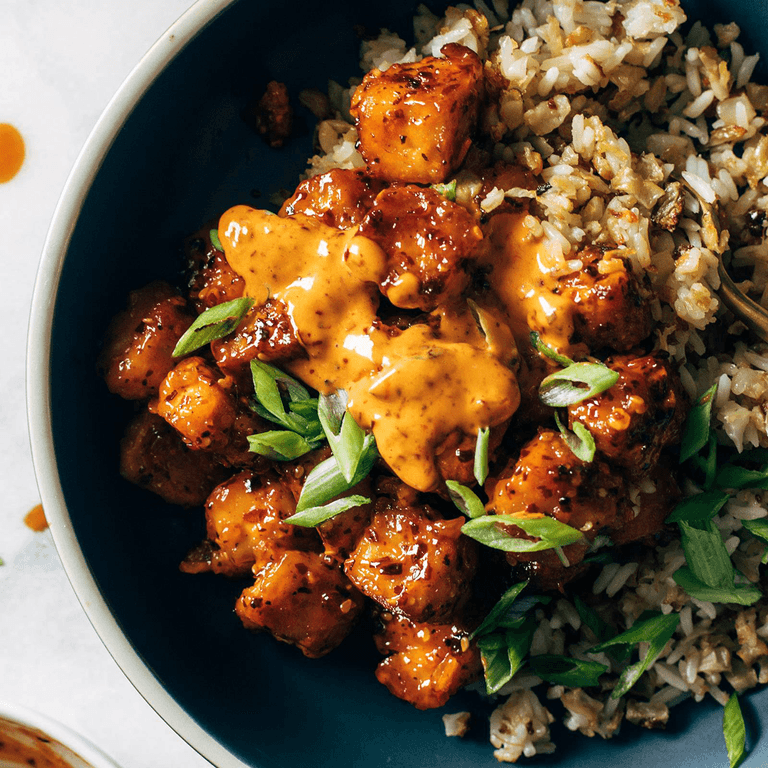
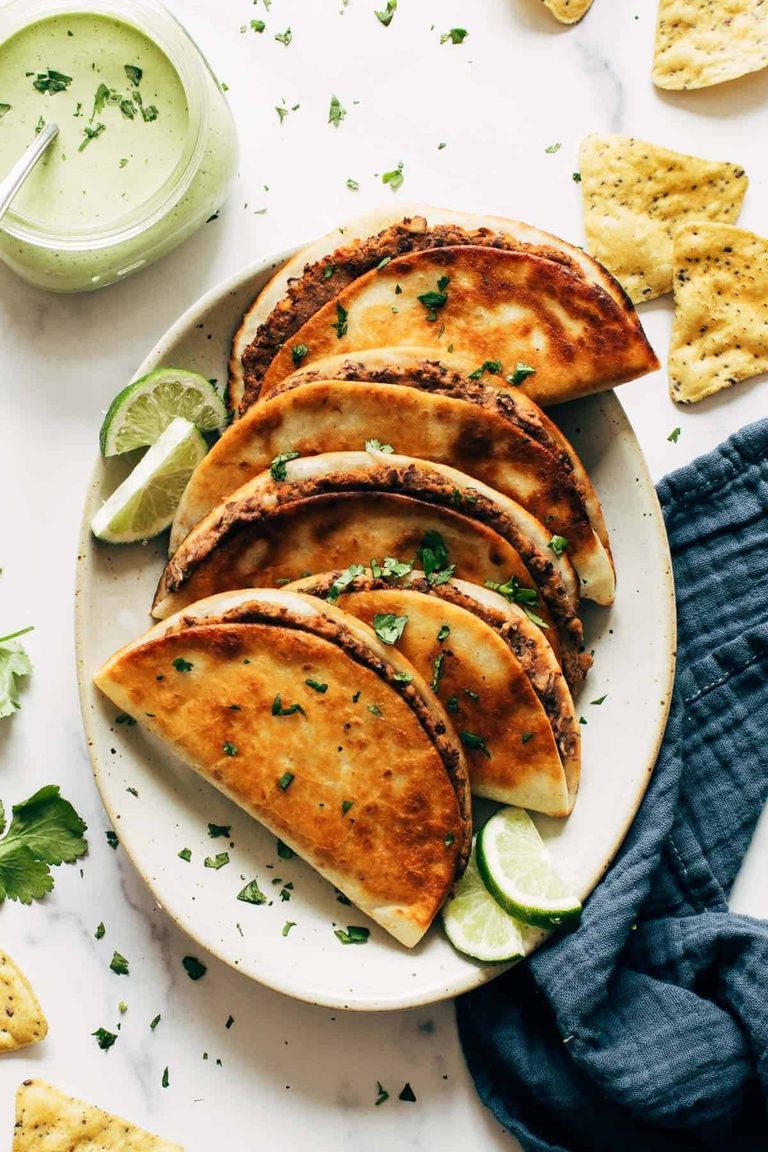
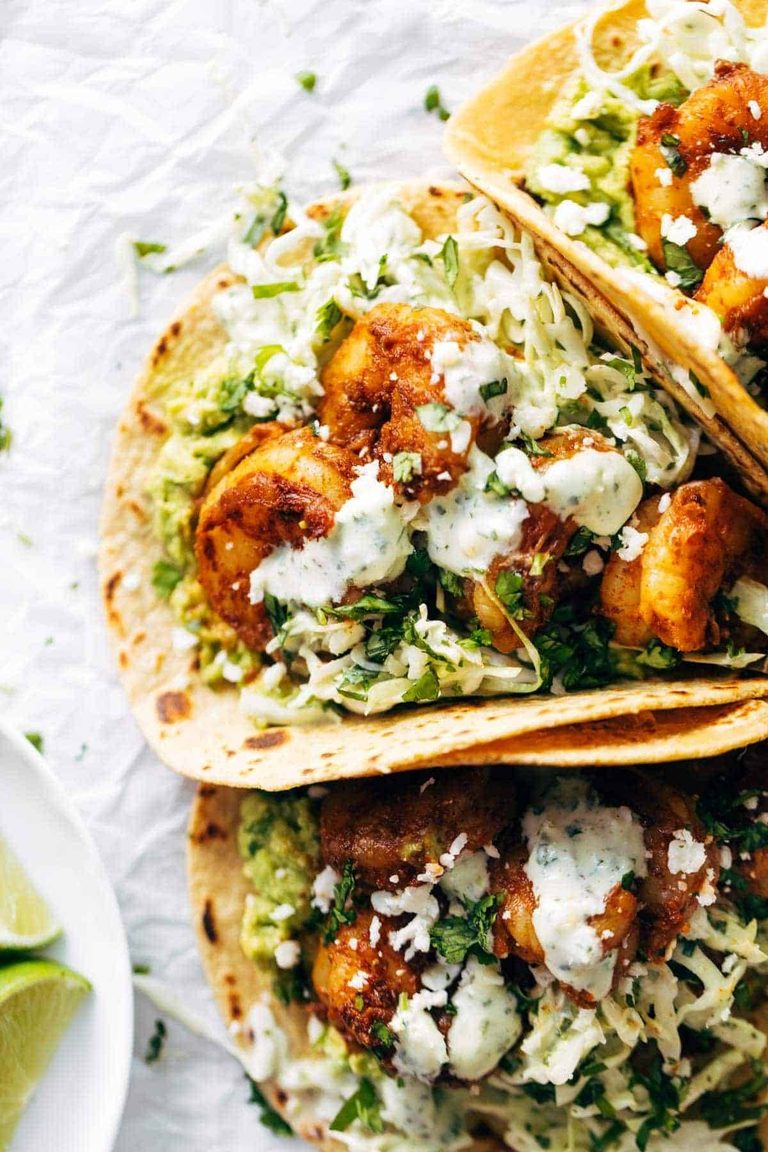
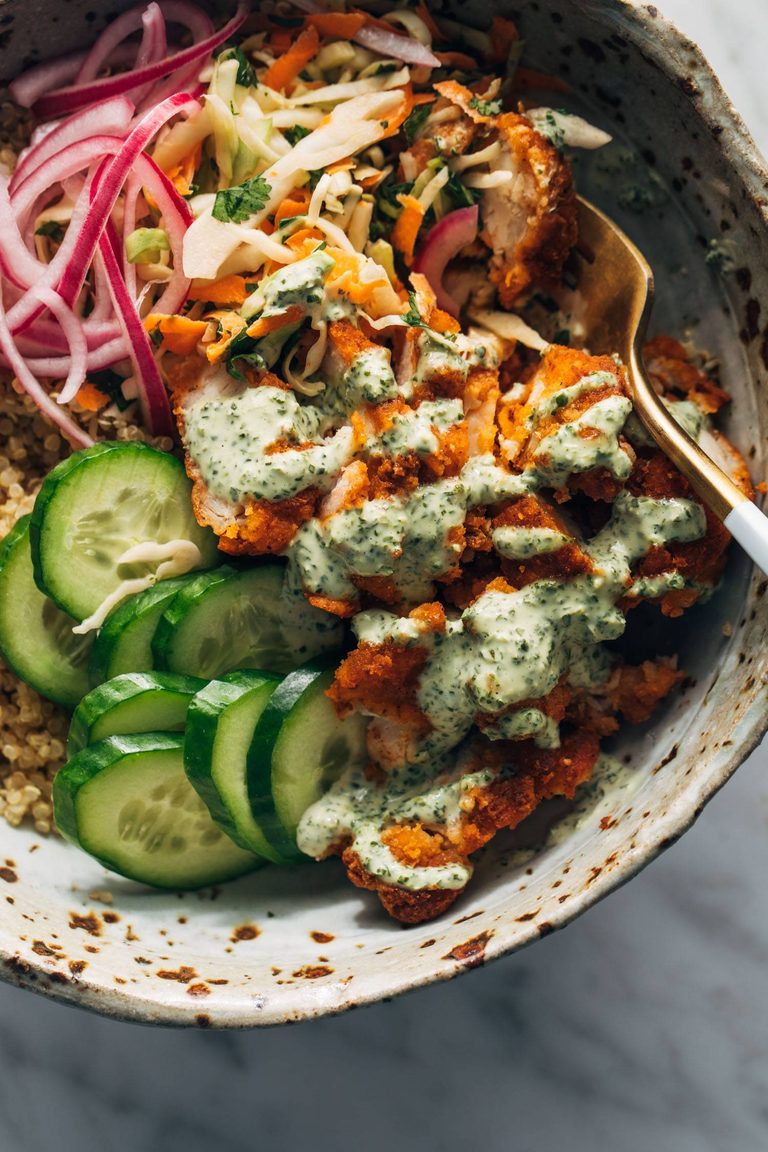
- Global Flavors, Local Speed: Tacos, a quintessential quick meal, are reimagined with sophisticated fillings like Salmon Tacos with Mango Corn Salsa or Spicy Shrimp Tacos with Garlic Cilantro Lime Slaw, offering fresh, vibrant tastes. Vegetarian options like Crispy Black Bean Tacos with Cilantro Lime Sauce provide a satisfying crunch and herbaceous notes. Asian-inspired dishes, often associated with longer prep, are condensed into rapid versions such as Chicken Wontons in Spicy Chili Sauce, Chili Crunch Tofu (crispy and sweet-spicy), Black Pepper Stir Fried Udon, and even a Quick Homemade Ramen that delivers comforting depth in minutes. The popularity of "bowl" meals further exemplifies this trend, with creations like Crispy Chicken Tikka Bowls with Mint Sauce, Spiced Chickpea and Couscous Bowls, and 15-Minute Egg Roll in a Bowl combining proteins, grains, and vegetables into complete, flavorful meals.
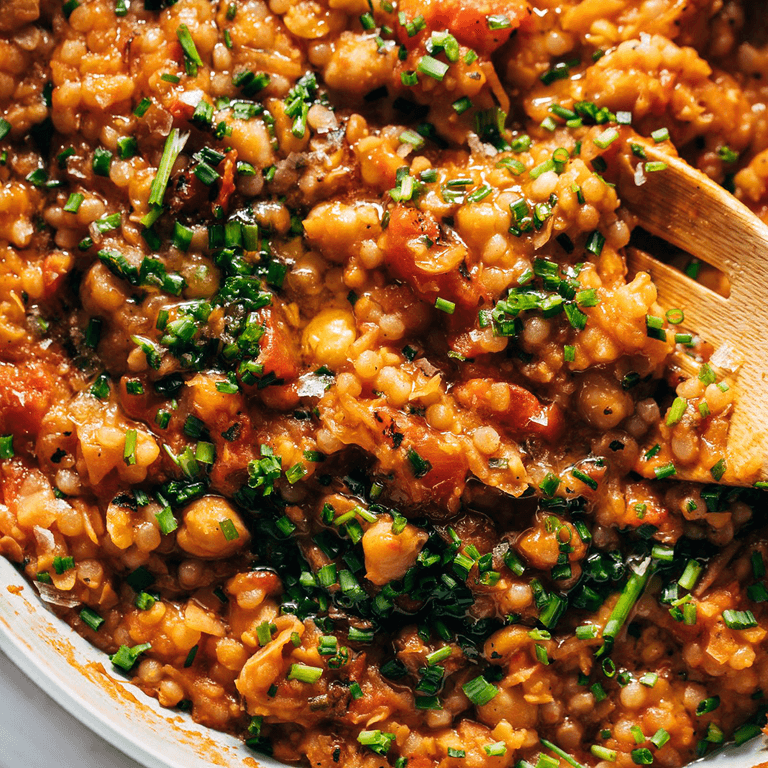
- Pasta & Grains for Rapid Meals: Pasta remains a champion of speed. Dishes like Creamy Garlic Sun-Dried Tomato Pasta utilize readily available ingredients and cook quickly. Grains, particularly pearl couscous, form the base for hearty, fast meals such as Pearl Couscous Skillet with Tomatoes, Chickpeas, and Feta, offering a Mediterranean-inspired profile. Similarly, Creamy Shrimp Pasta with Corn and Tomatoes capitalizes on shrimp’s fast cooking time and fresh seasonal produce for a light, yet satisfying meal.
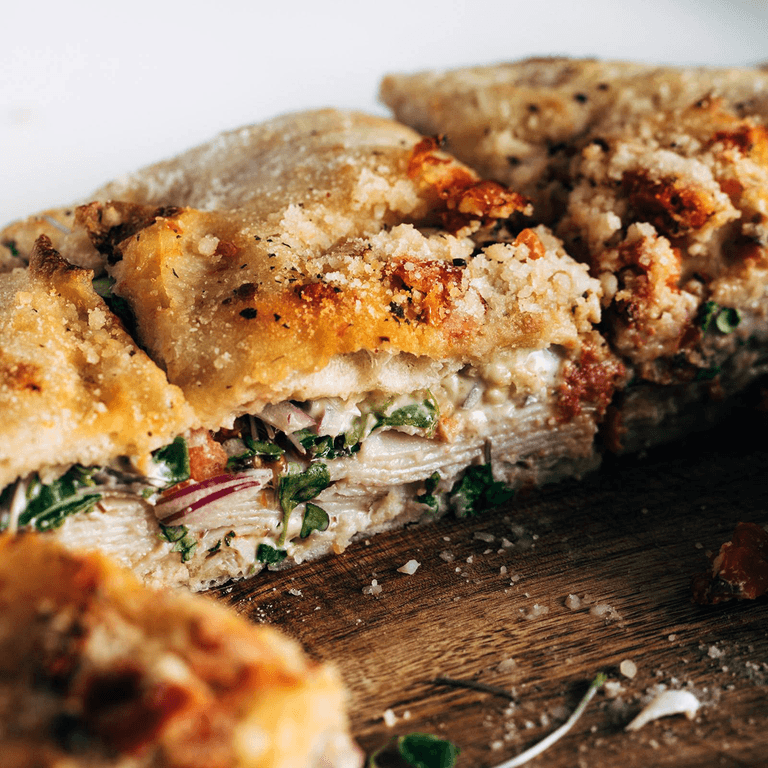
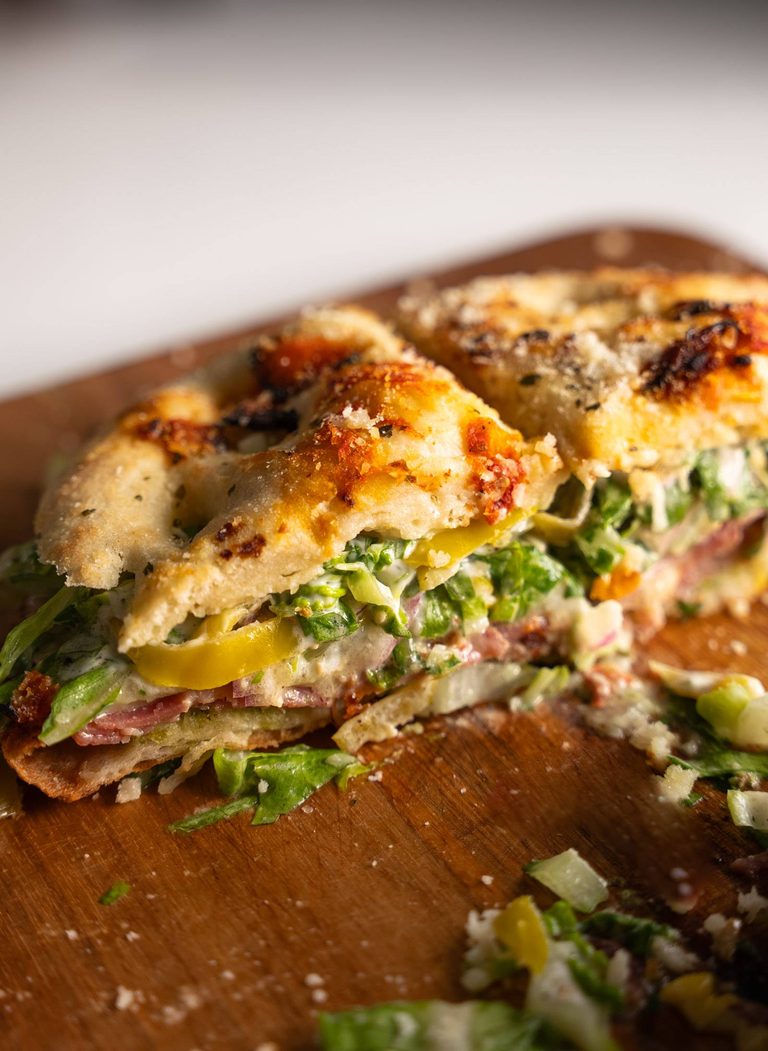
- Burger & Sandwich Innovations: Beyond traditional burgers, quick dinner solutions include more adventurous handhelds. The Trader Joe’s Sun-Dried Tomato Focaccia Turkey Sandwich and the more elaborate Focaccia Grinder Sandwich elevate simple ingredients with artisanal bread and robust fillings. For those seeking alternatives, Chicken Teriyaki Burgers with Sesame Slaw and Spicy Salmon Burgers provide flavorful, protein-packed options that come together swiftly. Grilled items like Grilled Sausage and Peppers with Garlic Aioli offer a hearty, customizable meal perfect for warmer evenings.
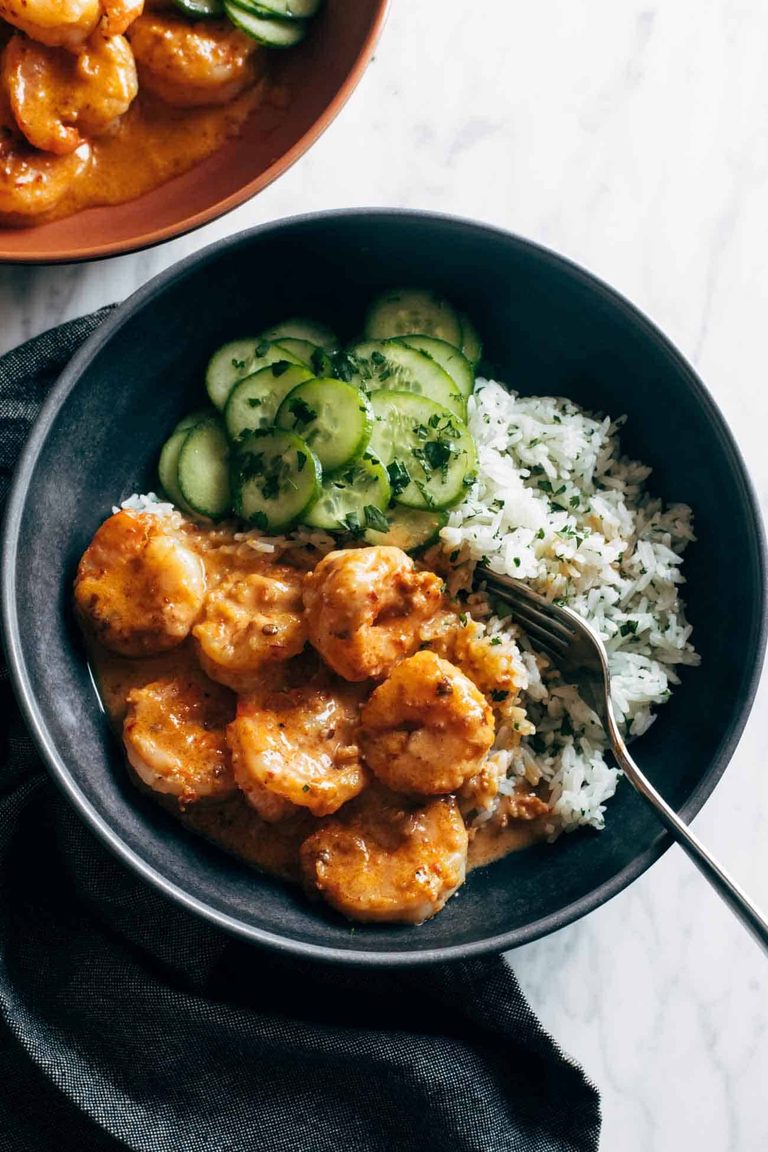
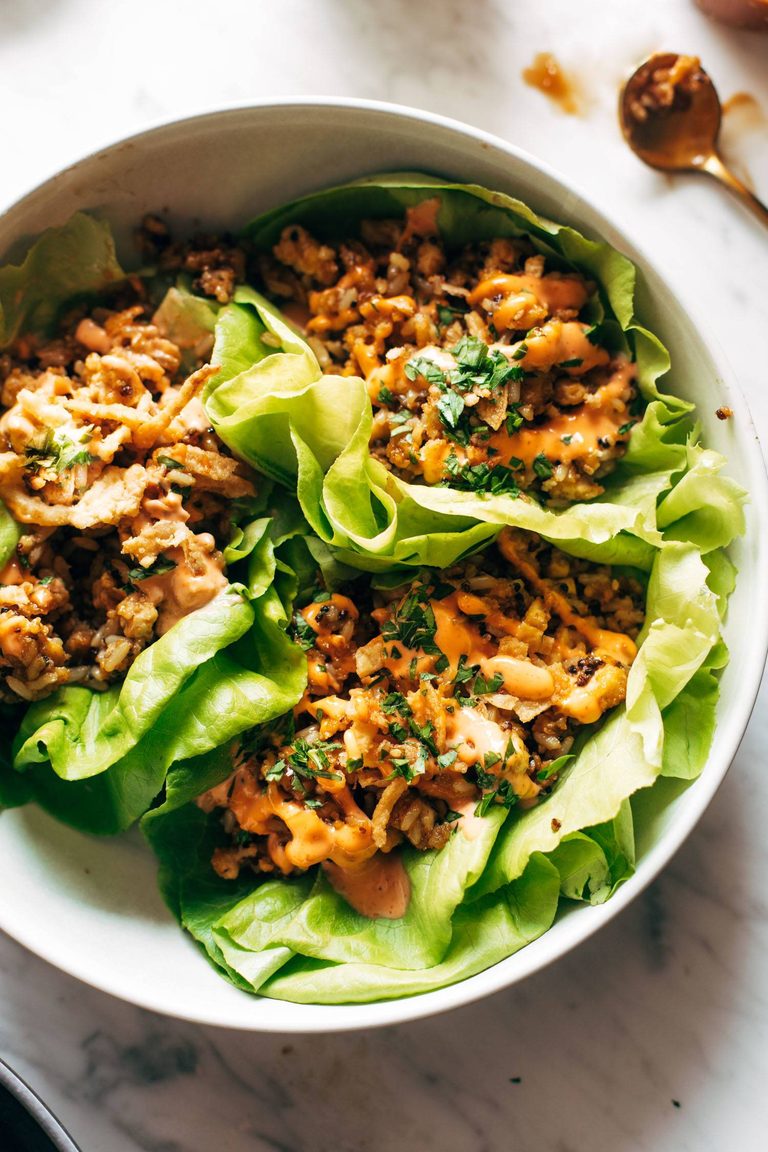
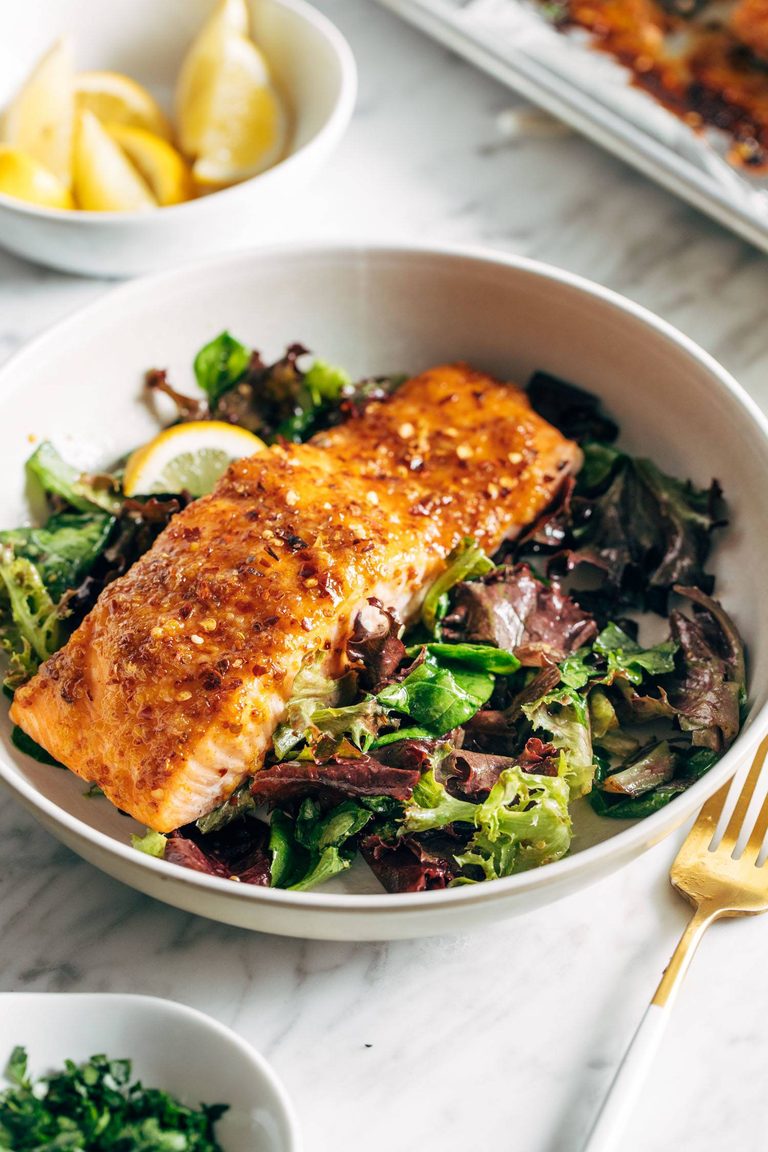
- Sheet Pan & Bowl Concepts: The rise of sheet pan dinners simplifies both cooking and cleanup. Sheet Pan Shrimp and Cauli Rice is an excellent example, combining protein and vegetables on a single tray for minimal fuss. Beyond sheet pans, inventive bowl meals such as BBQ Salmon Bowls with Mango Avocado Salsa and Tofu and Brown Rice Lettuce Wraps with Peanut Sauce offer balanced and customizable components. For those focused on meal prepping, Sesame Noodle Bowls and Cauliflower Fried Rice with Crispy Tofu demonstrate how quick recipes can also be scaled for future convenience.
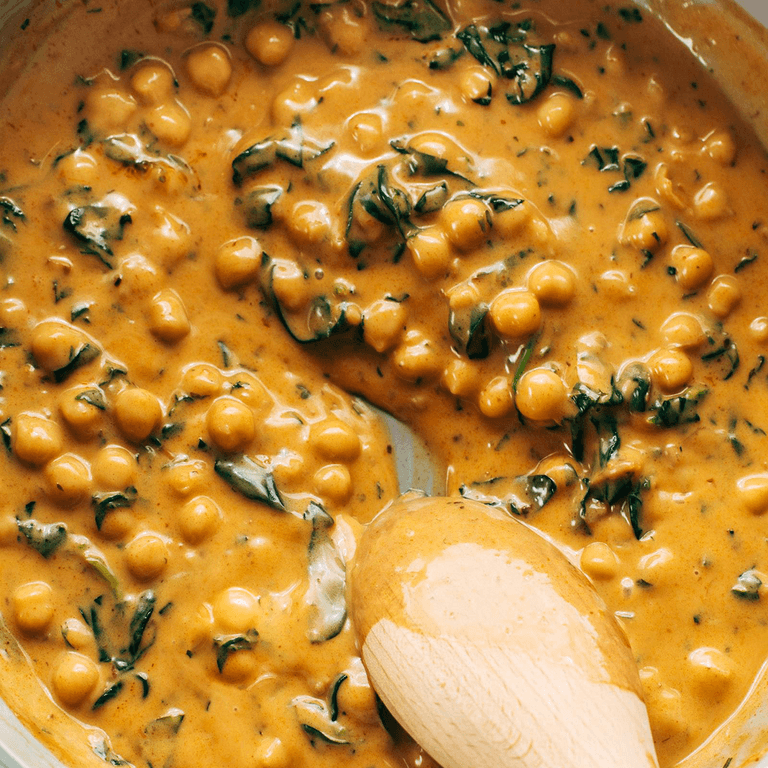
- Vegetarian & Plant-Forward Options: The growth of plant-based diets aligns perfectly with the quick meal trend. Recipes like Steph’s Chickpea Curry with Spinach and Rice, Harissa Chickpeas with Whipped Feta, and Smoky Beans & Greens Tacos with Aji Verde showcase how legumes and vegetables can form the core of satisfying and swift dinners. These dishes often leverage powerful spices and fresh herbs to build flavor quickly, appealing to a broad audience seeking healthier, meat-free options.
Expert Perspectives and Broader Implications
Nutritionists widely endorse the shift towards quick home cooking, particularly when it replaces frequent takeout. Dr. Elena Petrova, a leading public health nutritionist, states, "Preparing meals at home, even quick ones, allows for far greater control over ingredients, portion sizes, and cooking methods. This directly translates to reduced intake of unhealthy fats, sodium, and sugars commonly found in restaurant and processed foods, contributing significantly to better long-term health outcomes and weight management." The ability to select fresh produce, lean proteins, and whole grains within a 30-minute framework provides a tangible benefit to public health, potentially mitigating the rising rates of diet-related illnesses.
Economically, the implications are equally significant. A family consistently opting for home-cooked 30-minute meals over restaurant dining can realize substantial savings. A 2022 consumer spending report indicated that the average cost of a restaurant meal is often two to three times higher than the cost of preparing a similar meal at home. This financial advantage is particularly pertinent in times of economic uncertainty, offering a practical strategy for budget-conscious households. Furthermore, efficient meal planning and quick cooking can lead to reduced food waste, as ingredients are purchased with specific recipes in mind and utilized promptly.
The food industry has responded dynamically to this trend. Supermarkets now offer an expanded array of pre-chopped vegetables, marinated proteins, and convenient meal starters. The proliferation of meal kit delivery services, though sometimes exceeding the 30-minute mark for full prep, fundamentally caters to the desire for simplified, pre-portioned ingredients and curated recipes. Kitchen appliance manufacturers have also innovated, with products like advanced blenders, multi-cookers, and air fryers gaining popularity due to their ability to expedite cooking processes.
Beyond the tangible benefits, there are profound psychological and social implications. Reducing the stress associated with dinner preparation can significantly improve overall household well-being. The act of sharing a home-cooked meal, even a quick one, can foster stronger family bonds and create valuable moments of connection in an otherwise fragmented day. It instills a sense of routine and stability, which is especially beneficial for children. The feeling of accomplishment from preparing a delicious meal efficiently also contributes to a positive mindset, turning a potential daily chore into a manageable and even enjoyable activity.
Challenges and Future Outlook
While the 30-minute meal revolution offers numerous advantages, it is not without its challenges. Initial investment in pantry staples and certain kitchen tools (like a good knife, cutting board, or an efficient pan) might be necessary. Some recipes, while quick, may still require a basic level of culinary literacy or familiarity with certain ingredients. Ensuring that "quick" does not inadvertently lead to a repetitive menu requires ongoing exploration and creativity from home cooks and recipe developers alike.
However, the trajectory of this culinary movement is clear. As life continues to accelerate, the demand for practical, healthy, and delicious meal solutions will only intensify. The constant innovation in recipe development, coupled with advancements in food technology and ingredient availability, ensures that the 30-minute dinner is not merely a passing trend but a fundamental shift in how modern households approach one of life’s most essential and cherished rituals: the shared meal. The emphasis on speed, flavor, and nutrition has firmly established quick dinner recipes as a cornerstone of sustainable and enjoyable home cooking in the 21st century.