When home cooks and enthusiasts purchase pure maple syrup in bulk quantities, improper storage can quickly lead to economic waste and food spoilage. Without the proper environmental controls, large volumes of maple syrup are frequently colonized by mold spores, which thrive on moisture, residual air pockets, and inadequate container seals. While commercial producers and large-scale packers rely on specialized industrial facilities, regulatory extension services, and strict quality assurance protocols, everyday consumers need accessible, scientifically backed techniques to maintain the safety, texture, and flavor profile of their syrup at home.
Whether dealing with a single decorative glass bottle or gallons of locally sourced syrup, understanding the chemistry of sugar concentration, temperature control, and packaging materials is essential for preventing spoilage. While various schools of thought exist regarding room-temperature shelving, refrigeration, and hot-packing, culinary experts and university agricultural extensions overwhelmingly point to one superior technique for long-term home preservation: freezing.
Understanding Maple Syrup Shelf Storage and Packaging Dynamics
The shelf life of unopened, commercially packaged maple syrup depends heavily on the type of container used by the manufacturer. Unopened metal containers, glass bottles, and squeeze-type plastic dispensers featuring intact factory seals possess a remarkably long shelf life when stored at ambient room temperatures in a cool, dark cupboard. Because these materials provide a virtually impenetrable barrier against external oxygen and moisture fluctuations, the high sugar content naturally inhibits microbial proliferation.

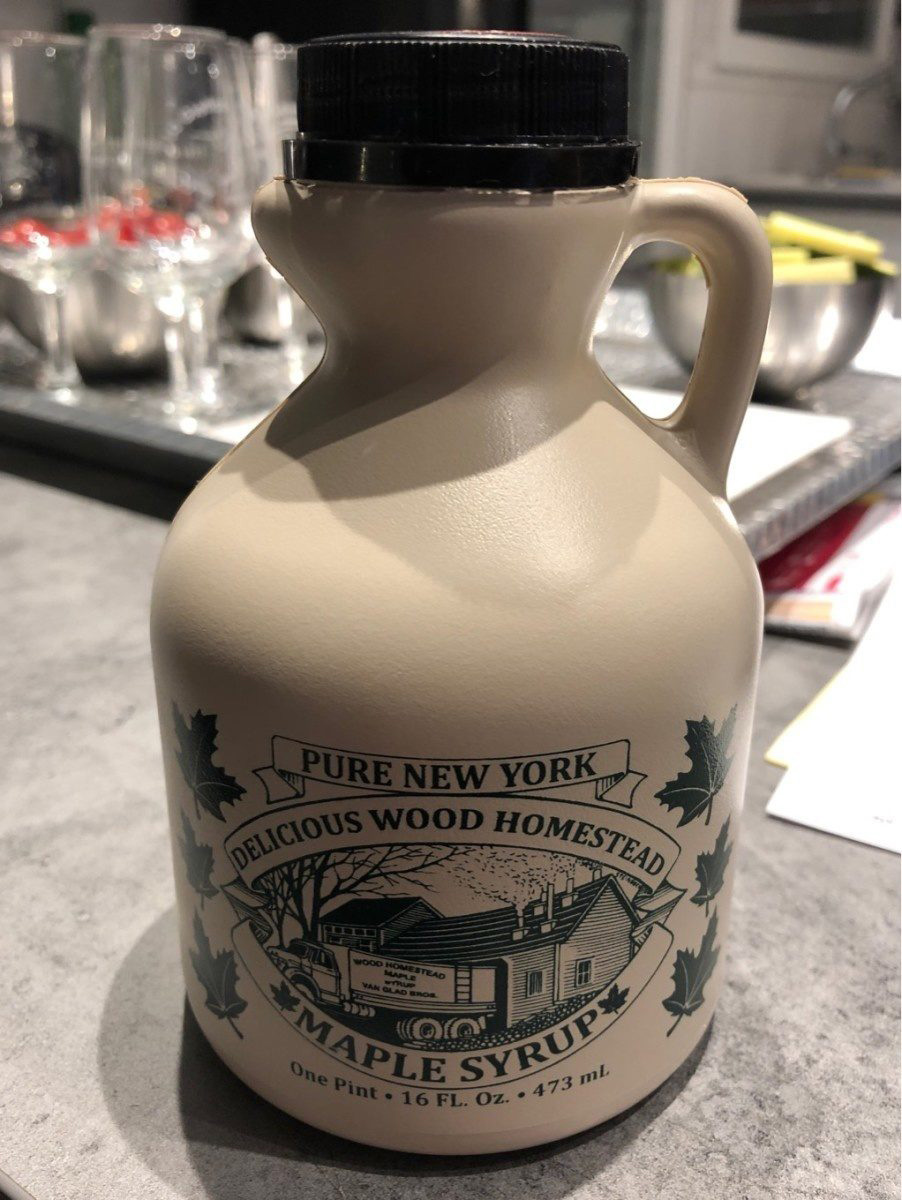
However, a notable exception exists for opaque beige or grey plastic jugs commonly utilized by regional producers. According to the Quebec Maple Syrup Producers (QMSP) Association, rigorous testing has revealed that these specific decorative receptacles do not provide a foolproof barrier against oxygen permeation over extended periods. Even if the factory seal remains unbroken, the QMSP association strongly recommends storing these beige plastic jugs directly inside the refrigerator to significantly prolong the usability and freshness of the product.
The fundamental science keeping shelf-stored maple syrup safe relies on precise sugar concentration and moisture reduction. To legally be classified and marketed as pure maple syrup in North America, maple sap must undergo extensive boiling to drive out excess water, achieving a high density measured on the Brix scale.
According to guidelines established by the North American Maple Syrup Council, the correct density for maple syrup must fall strictly between 66° and 68° Brix, where one Brix degree equals approximately one percent sugar content. Finished products registering below 66° Brix retain too much moisture, creating a vulnerable environment prone to mold colonization and alcoholic fermentation. Conversely, syrup exceeding 68° Brix results in oversaturation, causing unwanted sugar crystals to precipitate and accumulate at the bottom of the container. Modern producers rely on precision instruments such as hydrometers and refractometers to measure these concentrations accurately, moving past traditional indicators like the visual "aproning" of sap off a wooden paddle.
While chemical composition analyses—such as a 1996 study published in Food Research International noting moisture ranges of 26.5 to 39.4 percent and pH levels between 5.6 and 7.9—demonstrate the natural variability of pure sap derivatives, the United States Food and Drug Administration (FDA) cites an average pH of approximately 5.15 for maple syrup. Because these pH levels rest above the critical threshold of 4.6, theoretical risks regarding anaerobic bacterial activity exist in oxygen-depleted sealed environments. Nevertheless, it is the exceptionally high sugar content and resulting low water activity within properly boiled syrup that ultimately prevents pathogenic spore germination and safeguards the product.
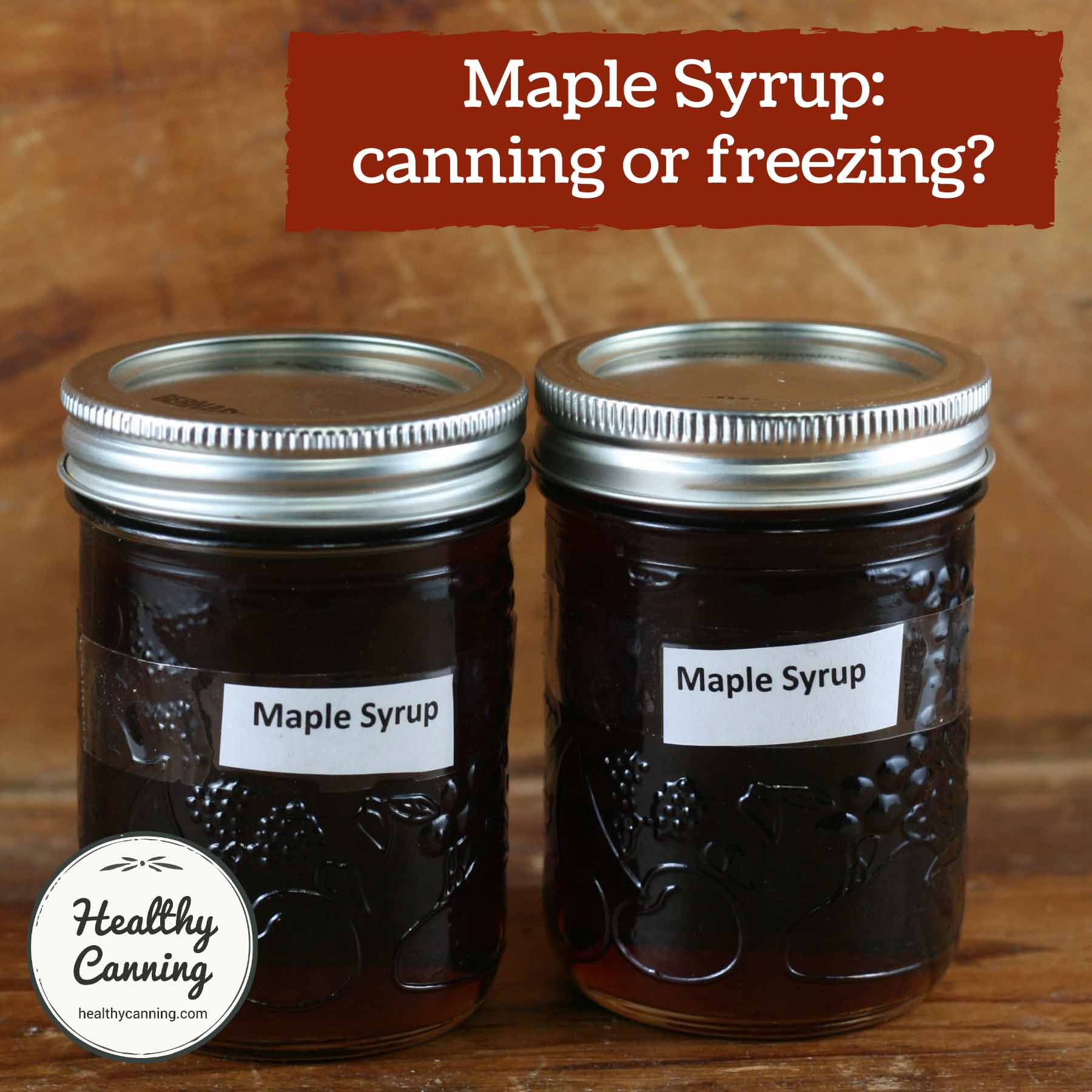
Refrigeration Protocols for Opened and Bulk Inventory
Once the factory seal on any container of maple syrup is broken, the product is immediately exposed to ambient air and airborne mold spores. Consequently, shelf storage at room temperature is no longer viable, and the container must be transferred to the refrigerator without delay.
Refrigeration does not actively destroy mold spores; rather, the combination of cold ambient temperatures and reduced water activity successfully slows down microbial metabolism, preventing rapid mold germination. Experts note that while refrigeration extends the usability of opened syrup for several months, large quantities consumed slowly over time remain susceptible to eventual surface mold formation. For households managing substantial volumes of syrup, food safety specialists advise portioning the inventory into smaller amounts, keeping only what is required for immediate use in the refrigerator while diverting the remainder into long-term preservation methods.
The Gold Standard: Freezing Maple Syrup for Long-Term Quality
For home cooks seeking optimal long-term preservation without altering flavor or risking mold growth, freezing is the definitive industry-recommended technique. Freezing offers complete usage flexibility, enabling consumers to divide bulk quantities into manageable, household-sized portions while completely inhibiting all mold activity.
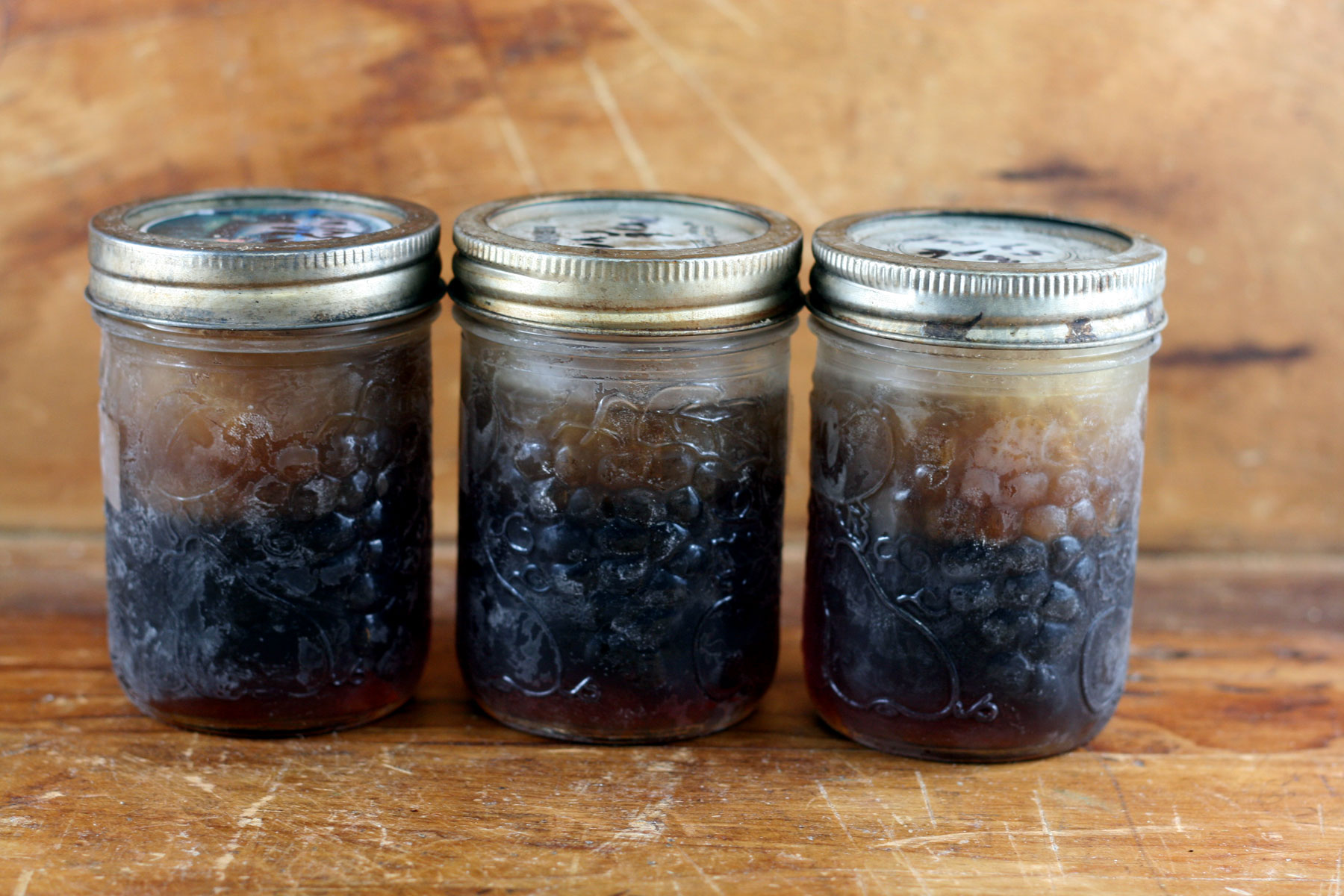
Due to its high sugar content, maple syrup never freezes solid into a rigid block. Instead, when subjected to standard chest or upright freezer temperatures, it transforms into a thick, viscous consistency resembling cold honey. Once thawed, the syrup seamlessly returns to its original liquid state without any degradation in texture or taste. Furthermore, multiple freezing and thawing cycles are entirely safe, provided the container is allowed to thaw completely and any surface condensation that forms during the transition is stirred back into the liquid.
Glass containers—particularly standard Mason jars—represent the ideal vessel for freezing maple syrup, as plastic alternatives can be porous and allow slow oxygen infiltration, while metal containers risk corrosion or metallic flavor transfer. To prevent glass breakage during expansion, proper headspace must be maintained. Purdue University Extension and the Ohio State University Extension recommend leaving approximately one inch (2.5 cm) of headspace at the top of pint and quart glass freezer jars before sealing them tightly and placing them directly into the freezer. For smaller jars under one pint, slightly reduced headspace is acceptable according to guidelines from the National Center for Home Food Preservation.
When rapid thawing is necessary, home cooks can submerge a sealed glass jar in a basin of cool or lukewarm water, or transfer a measured amount of frozen syrup into a microwave-safe container, heating in short 10- to 15-second intervals until liquefied. Boiling or overheating must be strictly avoided to preserve the delicate aromatic compounds of the syrup. Crucially, frozen glass jars should never be subjected to extreme thermal shock by placing them directly into a microwave or boiling water.
Critical Analysis of Home Bottling and Hot-Packing Techniques
Some hobbyists attempt to mimic commercial operations by "canning" or hot-packing bulk syrup into smaller jars for room-temperature shelf storage. However, food scientists emphasize that terminology matters: true home canning requires heat processing filled jars in a boiling water bath or pressure canner for a scientifically validated duration. Because subjecting pure maple syrup to prolonged heat processing severely damages its quality, darkens its color, and creates an unpalatable taste profile, official extension services do not endorse traditional home canning for maple syrup.
Instead, small-scale producers often attempt a modified "hot-pack and inversion" method, derived from commercial maple industry practices. This procedure involves heating bulk syrup to a precise temperature range of 82°C to 85°C (180°F to 185°F), pouring the hot liquid into clean glass jars while leaving minimal headspace to restrict available oxygen, and applying lids tightly. The jars are then inverted for three to ten minutes to allow the scalding liquid to contact the inner lid surfaces and destroy ambient mold spores.
Despite its widespread use in commercial settings, home hot-packing carries significant risks and practical drawbacks:
- Thermal Hazards: Handling boiling syrup and inverting hot glass bottles creates severe burn risks, requiring heavy-duty silicone or rubber protective gloves.
- Incomplete Spore Destruction: Research indicates that certain heat-resistant mold species, such as specific Penicillium and Aspergillus strains, can survive temperatures exceeding 82°C, meaning hot-packing does not guarantee absolute sterility.
- Product Degradation (Stack Burn): If jars remain hot for too long following inversion, continued cooking causes "stack burn," darkening the syrup’s color grade and altering its flavor profile.
- Mineral Precipitation: If syrup temperatures inadvertently exceed 90°C (194°F) in an attempt to kill resilient spores, dissolved minerals known as "sugar sand" precipitate out of solution, resulting in cloudy syrup that requires specialized filtering cloths.
- Glass Thermal Shock: Thick designer glass or cold jars can crack or shatter upon contact with boiling syrup unless meticulously preheated in an oven or hot water bath.
Given these complex variables and the distinct possibility of accidental product spoilage, agricultural extension services consistently reiterate that freezing remains the safest, most reliable, and highest-quality preservation method for households storing maple syrup. By prioritizing refrigeration for active bottles and utilizing freezer-safe glass jars for long-term reserves, consumers can enjoy pure maple syrup safely for extended periods without compromising flavor, clarity, or nutritional integrity.