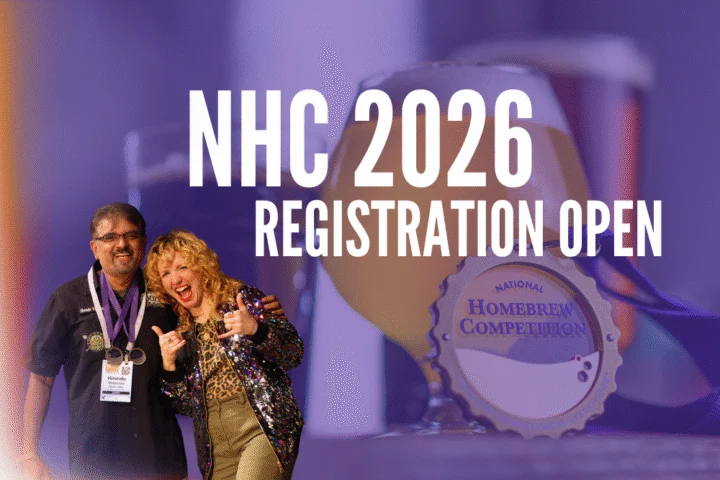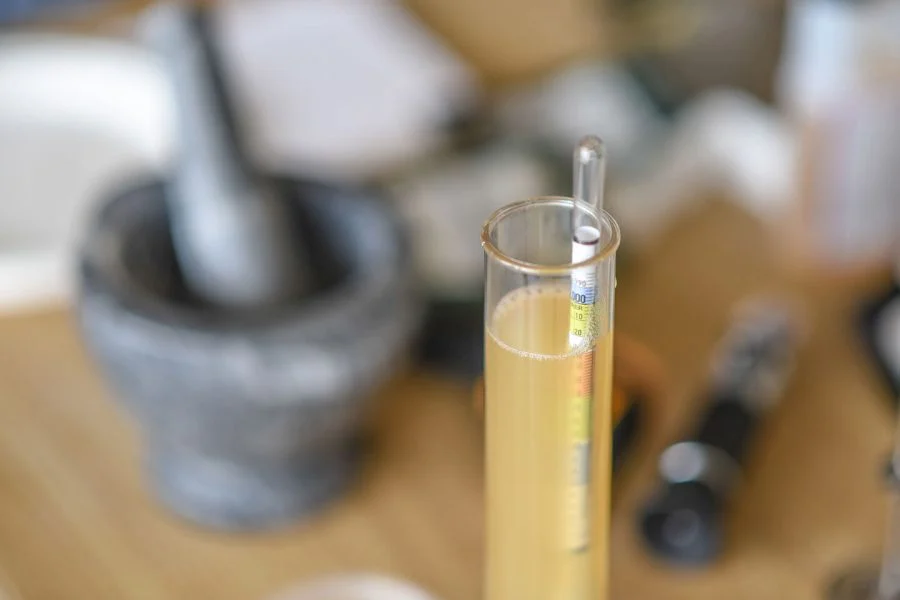

The art of craft brewing reached a triumphant milestone for North Texas this season as Jarrett and Amanda Long of Arlington secured a prestigious gold medal at the 2026 National Homebrew Competition Final Round. Competing in Category 18: Specialty IPA, the husband-and-wife duo triumphed over a heavily contested field of 94 entries from across the globe. Representing the local brewing collective "Horsemen of the Hopocalypse," the Longs demonstrated an exceptional command of technical brewing parameters, elevating a style known for its complex flavor profiles and demanding execution.
The victory underscores a burgeoning culture of amateur brewing excellence in Texas, turning local craft circles toward the meticulous science and creativity required to capture top honors on a national stage.
The Anatomy of a Champion: Recipe and Specifications
Winning gold in the Specialty IPA category requires more than standard brewing procedures; it demands a precise balance of specialty grains, targeted hop schedules, and rigorous process controls. The Longs’ winning recipe, designed for a 6-gallon (22.71-liter) yield, showcases an intricate grain bill anchored by 9 pounds (4.08 kg) of Malteurop pale 2-row malt, paired with 3 pounds (1.36 kg) of Muntons brown malt for depth and complexity. Additional body and mouthfeel were achieved through 2 pounds (0.9 kg) of flaked corn and 1 pound (454 g) of 80L caramel malt, resulting in a striking dark appearance with an SRM rating of 36.
Hop utilization played a critical role in defining the beverage’s 62 International Bitterness Units (IBU). The formulation utilized Chinook (14.5% alpha acids) and Cascade (6.1% alpha acids) hops deployed at various stages of the brewing lifecycle. A modest bittering addition of 0.5 ounces of Chinook at the 60-minute mark was followed by robust additions at 15 minutes, a 10-minute hop stand at 194°F (90°C), and a three-day dry-hop regimen featuring equal parts Chinook and Cascade.
Fermentation was anchored by two packs of Wyeast 1056 American ale yeast, maintained at a controlled 65°F (18°C). Notably, the brewers incorporated advanced technical aids, including beta-glucanase and Oxblox in the mash, Whirlfloc and PVPP in the boil, and ALDC during yeast rehydration and primary fermentation prior to spunding, finishing with gelatin for optimal clarity. The final product achieved an original gravity of 1.067 (16.4°P), a final gravity of 1.015 (3.7°P), and a solid 6.75% ABV, built upon an 80% brewing efficiency.
Background and Evolution of the National Homebrew Competition
Organized annually, the National Homebrew Competition stands as the world’s largest amateur beer competition, serving as a vital crucible for talent within the craft brewing community. Administered by the American Homebrewers Association (AHA), the event evaluates thousands of entries across numerous distinct categories, ranging from traditional lagers to experimental specialty ales.
Over the decades, the competition has evolved from a modest gathering of enthusiast hobbyists into a sophisticated, highly regulated judging circuit. Certified judges evaluate entries based on strict adherence to style guidelines, aroma, appearance, flavor, and overall impression. Winning a gold medal in this arena represents the pinnacle of amateur brewing achievement, often serving as a stepping stone for talented homebrewers looking to transition into commercial brewing enterprises or launch professional craft beer brands.

Chronology of the 2026 Competition Cycle
The path to the 2026 podium is a grueling, multi-month process that tests the consistency and stability of a homebrewer’s craft. The journey typically begins months prior to the final round, with regional first-round competitions held across multiple zones nationwide.
- Brewing and Recipe Formulation: Competitors spend months refining their ingredient ratios and process parameters. For the Longs, crafting a Specialty IPA that could stand out among 94 entries required iterative trial batches to balance the robust malt profile against the aggressive hop characteristics.
- Regional Submissions: Brewers ship or deliver their bottled or kegged entries to designated regional evaluation sites. Only top-scoring entries advance from these preliminary rounds to the national stage.
- Final Round Evaluation: Panels of expert judges assess the advancing entries in blind tastings, scoring them against the Beer Judge Certification Program (BJCP) style guidelines.
- Medal Announcement: The culmination of the competition cycle sees gold, silver, and bronze medals awarded in each category, drawing national attention from the brewing community and industry observers alike.
Methodical Precision: Directions for Brewers
For those seeking to replicate or study the gold-medal-winning process, the Longs’ specified methodology highlights the importance of temperature control and enzymatic management.
The brewing process initiates with a 90-minute mash-in at 148°F (64°C), a temperature range optimized for beta-amylase activity to produce a fermentable, well-attenuated wort. This is followed by a standard 60-minute boil where fining agents and clarifying components—such as Whirlfloc and PVPP—are introduced to precipitate proteins and stabilize the final liquid.
Post-boil chilling precedes primary fermentation at 65°F (18°C). Careful management of yeast health through ALDC applications prevents off-flavors, while spunding techniques build natural carbonation before final keg or bottle conditioning.
Broader Implications for the Craft Beer Industry
The success of homebrewers like Jarrett and Amanda Long carries significant implications for the broader commercial brewing landscape. Historically, the homebrewing community acts as an incubator for culinary innovation within the beverage sector. Experimental techniques refined in residential garages—such as advanced hop-stand temperatures, enzyme applications, and novel grain combinations—frequently find their way into commercial taprooms as consumer palates demand increasingly sophisticated flavor profiles.
Furthermore, regional victories of this magnitude help reinforce Texas’s status as a formidable hub for craft beverage production. While cities like Austin and Houston have long dominated regional craft narratives, the rise of award-winning talent in the Dallas-Fort Worth metroplex—specifically Arlington—demonstrates the decentralized nature of brewing expertise.
As the craft beer market matures, consumer interest increasingly leans toward authenticity, craftsmanship, and local provenance. Events like the National Homebrew Competition validate the dedication of amateur practitioners whose meticulous attention to detail continues to push the boundaries of modern brewing science. For the Horsemen of the Hopocalypse and the broader Texas homebrewing community, this gold medal serves as both a celebration of current achievement and an inspiring benchmark for future brewing seasons.