
Culinary Context and Evolution of the Bolognese
The origin of bolognese sauce is historically rooted in the city of Bologna, Italy. Traditionally, the recipe relies on a complex layering of flavors: a soffritto base of finely minced onions, carrots, and celery, combined with ground meat, white or red wine, a small amount of dairy, and a concentrated tomato base. Over the last decade, food bloggers and culinary developers have sought to replicate the depth and richness of this sauce using plant-based alternatives.
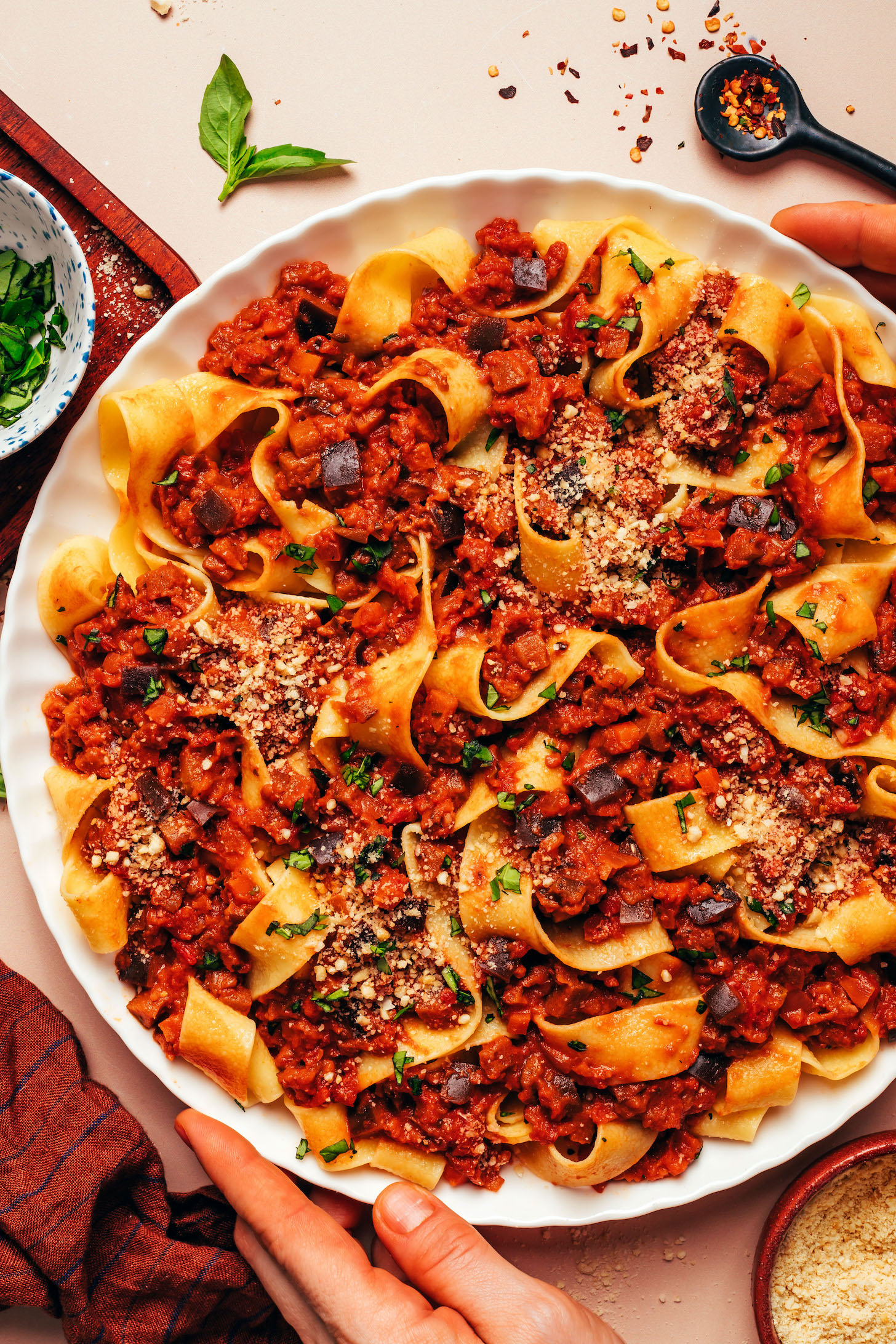
The introduction of this specific recipe follows a series of previous iterations by the same organization, including versions utilizing mushrooms, red lentils, tempeh, and chickpeas. This evolution highlights a methodical approach to ingredient substitution, focusing on how different plant-based fibers—such as the spongy, moisture-absorbent structure of eggplant—can mimic the mouthfeel of ground proteins when diced and sautéed correctly.
Methodology and One-Pot Efficiency
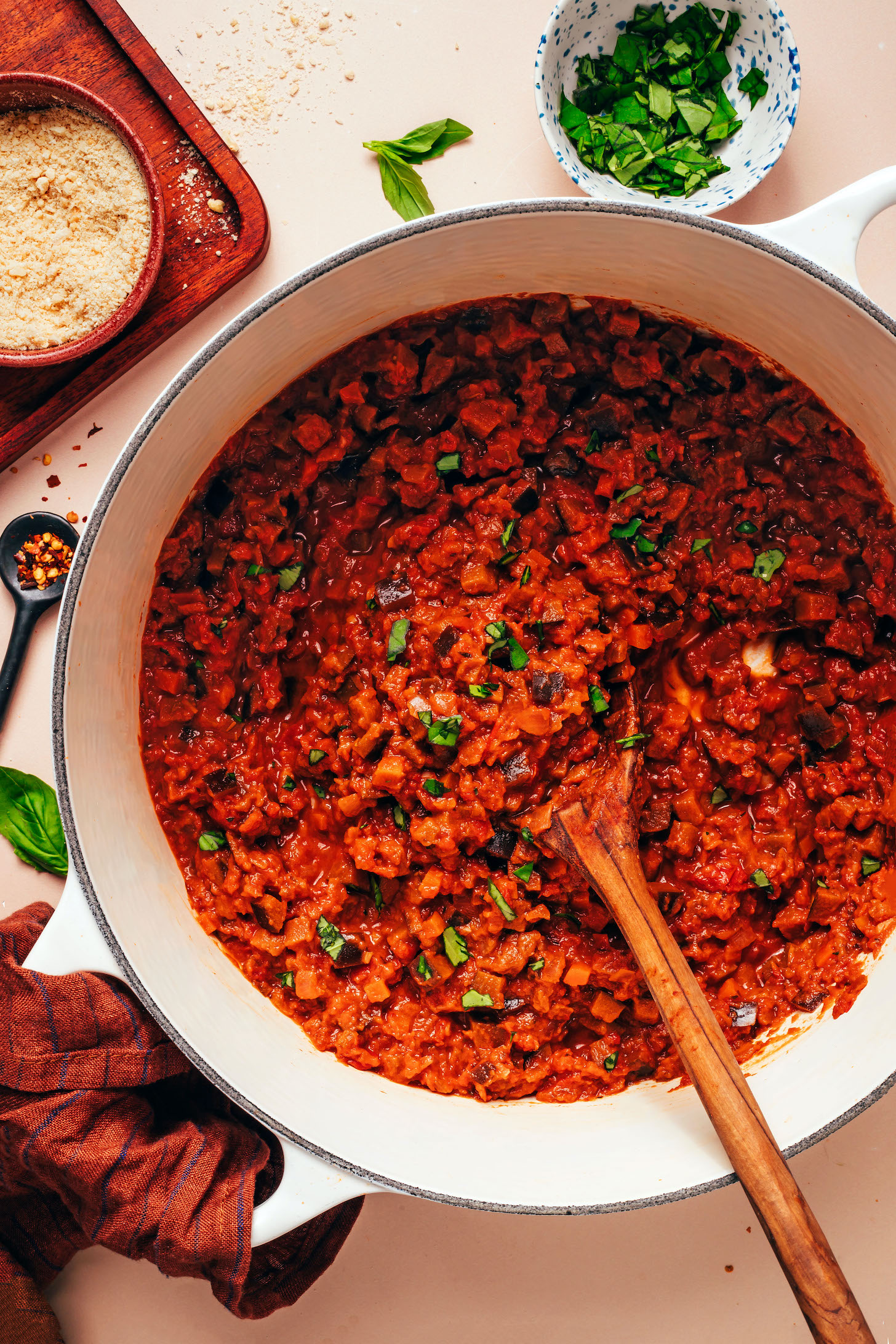
The defining characteristic of this recipe is its reliance on a single vessel for the entire cooking process. This design choice serves a dual purpose: it minimizes post-cooking cleanup and allows for the development of flavor through sequential deglazing. The process begins with the sautéing of the aromatic base—onions and carrots—before introducing the cubed eggplant.

From a chemical standpoint, the browning of the eggplant is critical. By allowing the eggplant to soften and achieve a golden-brown exterior, the cook develops Maillard reaction compounds that provide the savory foundation usually supplied by browned meat. The recipe further diverges from tradition by incorporating a dairy-free milk, such as cashew milk, to achieve the characteristic creaminess of a true bolognese without the use of cow’s milk. This technique balances the acidity of the crushed tomatoes and tomato paste, which are added later in the process to build a robust, bright flavor profile.
Supporting Data and Nutritional Profile
The nutritional composition of the dish is a notable shift from meat-based versions. A single serving provides approximately 284 calories, with 6.6 grams of protein and 8.3 grams of dietary fiber. The significant fiber content, primarily derived from the eggplant and vegetables, provides satiety that can often be missing in lower-calorie pasta sauces.

The low saturated fat content (2.5 grams per serving) contrasts sharply with traditional meat-heavy bolognese, which is typically higher in cholesterol and saturated fats. With 1,040 milligrams of potassium and a wealth of vitamins A and C, the recipe serves as a nutrient-dense alternative for individuals monitoring their heart health or seeking to increase vegetable intake without sacrificing the indulgence of a comfort-food meal.
Timeline of Preparation
The recipe is categorized as a 45-minute total engagement, with 15 minutes dedicated to preparation and 30 minutes for simmering. This timeline is optimized for a standard weeknight schedule, though the developers note that the dish benefits from an extended simmer. If the sauce is allowed to cook for up to an hour, the evaporation of excess water leads to a more concentrated flavor profile, allowing the herbs—basil and oregano—to fully infuse the tomato base.

Broader Culinary Implications
The rise of one-pot vegetarian bolognese represents a significant shift in how home cooks perceive "quick" meals. In previous eras, a ragù required hours of slow-cooking to achieve a complex, integrated flavor. Modern culinary technology and updated techniques—such as the specific use of tomato paste to provide a concentrated base—allow for similar depth in less than an hour.
This recipe also underscores the increasing popularity of "meat-free" dining as a mainstream choice rather than a niche dietary restriction. By focusing on the structural properties of vegetables like eggplant, home chefs are finding that they do not need to rely on highly processed meat alternatives to create a satisfying, "meaty" texture. The use of traditional Italian techniques, such as the initial soffritto and the deglazing of the pot, helps maintain the cultural integrity of the dish while stripping away the animal products.
Serving Suggestions and Flexibility
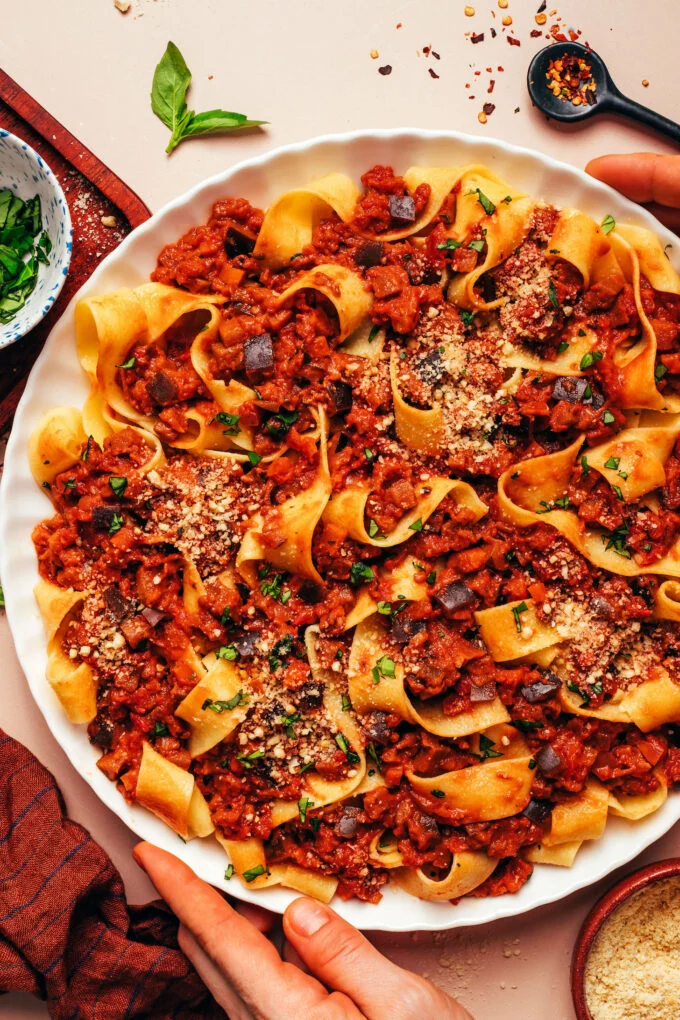
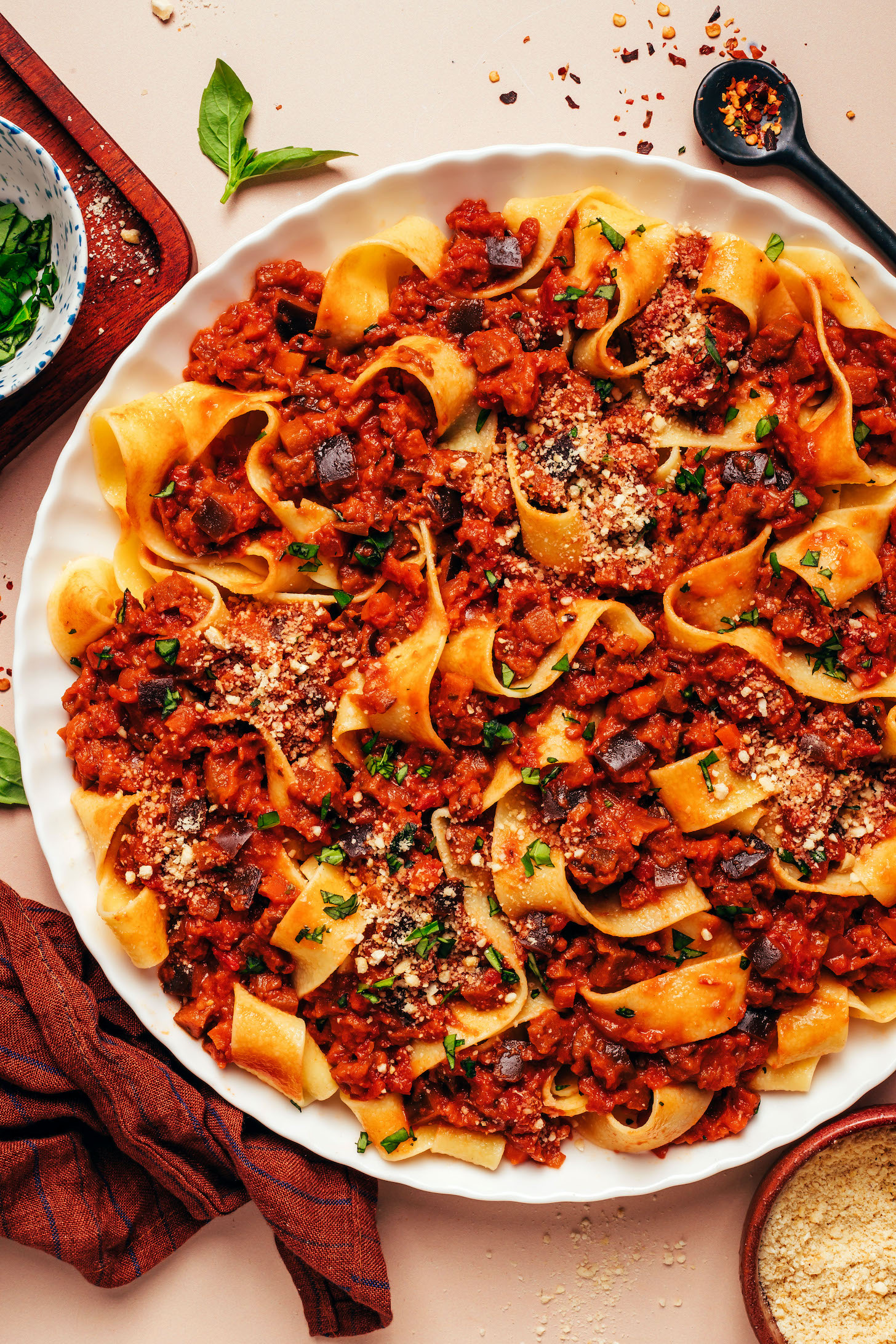
The versatility of the recipe is a major component of its appeal. While traditionally paired with pappardelle, the sauce is compatible with a variety of starches, including gluten-free pasta or creamy polenta. The inclusion of optional protein enhancements, such as the addition of red lentils or the pairing with vegan meatballs, allows the dish to be scaled according to the specific caloric or protein needs of the diner.
The recommendation to serve this dish with vegan parmesan—typically a blend of nutritional yeast, cashews, and sea salt—serves to replicate the salty, nutty finish that traditional hard cheeses provide. This modular approach to cooking—where the base is consistent but the toppings and sides can be varied—is a hallmark of modern recipe development, catering to the needs of busy households that require flexibility.
Economic and Sustainability Considerations
From an economic perspective, this recipe relies on staple ingredients—onions, carrots, tomatoes, and eggplant—that are generally affordable and available year-round in most markets. The environmental impact of shifting from beef-based bolognese to an eggplant-based version is substantial, given the lower water and carbon footprints associated with vegetable production compared to livestock. As global food systems continue to face pressure to become more sustainable, the proliferation of such recipes in the public domain acts as a subtle but effective driver of behavioral change in domestic consumption patterns.
Future Outlook
As culinary platforms continue to iterate on classic recipes, the focus is likely to remain on "bridge" dishes—foods that are familiar and comforting but optimized for modern, sustainable, and time-efficient living. The Easy Eggplant Bolognese is a prime example of this movement. It does not attempt to reinvent the wheel but rather refines the mechanics of a classic to fit the lifestyle of the contemporary consumer.
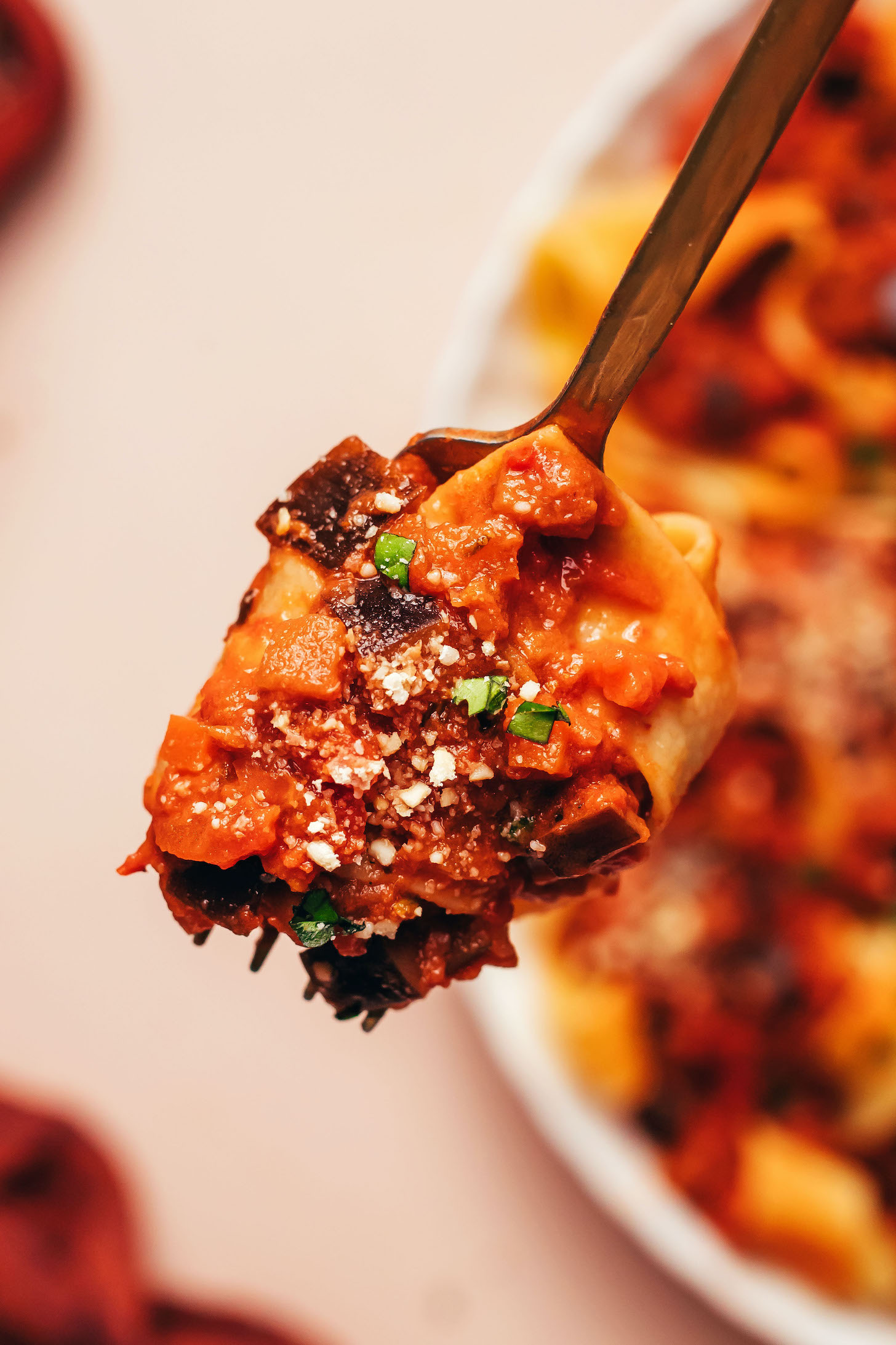
Whether or not this specific iteration will become a permanent fixture in home kitchens remains to be seen, but the data suggests that as long as the demand for quick, healthy, and plant-based meals grows, recipes of this nature will remain essential. The ability to bridge the gap between "fast food" and "slow-cooked flavor" is the ultimate goal of such culinary innovation, and this one-pot approach appears to have successfully navigated that challenge, providing a reliable, flavor-forward solution for the modern home cook.