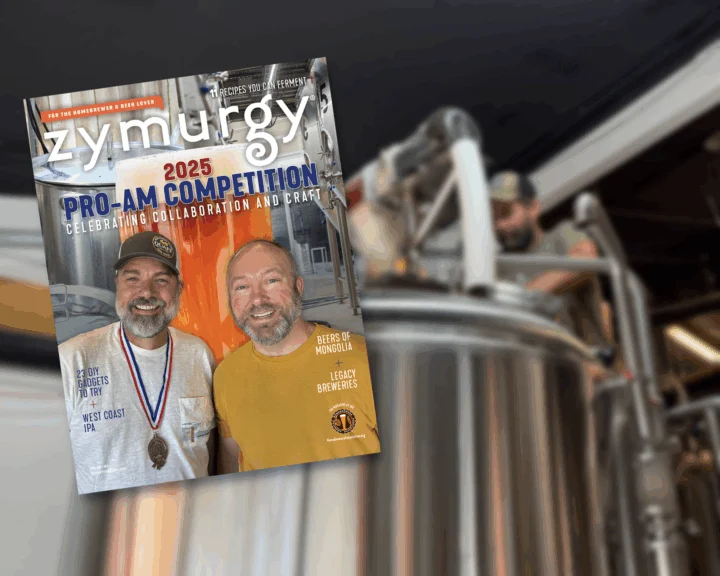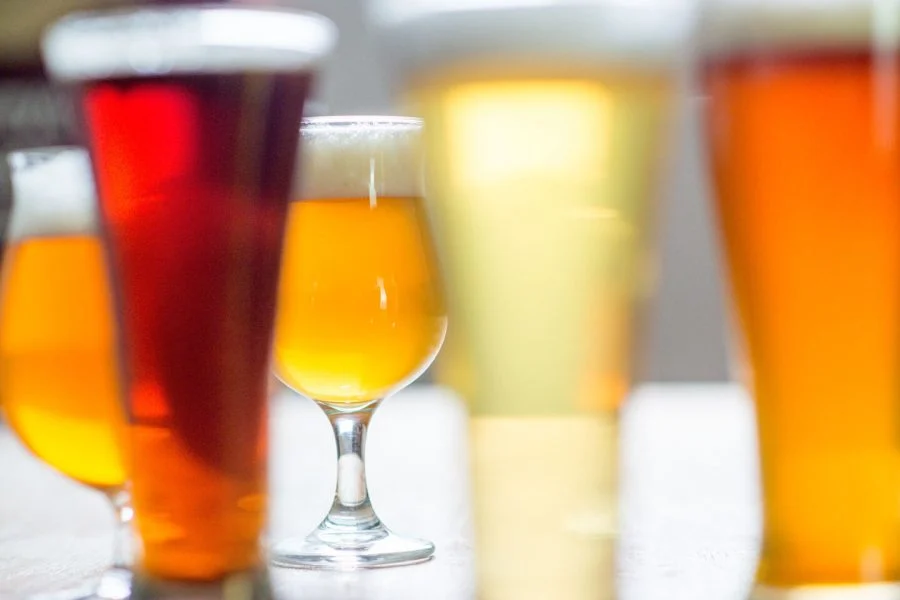

In the competitive landscape of American amateur brewing, few accolades carry the prestige of the National Homebrew Competition, an annual event administered by the American Homebrewers Association. During the highly anticipated final round of the 2026 competition, Anaheim, California residents Jeff Zwetsch and Don Frakes distinguished themselves on a national stage. Representing the local Ace Brewing Society, the duo captured the gold medal in Category 1: Pale American Beer. Their winning brew triumphed over a formidable field of 104 entries, showcasing a masterclass in recipe formulation, brewing precision, and sensory execution within one of the competition’s most heavily contested categories.
The victory not only underscores the rigorous standards upheld by Zwetsch and Frakes but also highlights the thriving craft and homebrewing culture embedded within Southern California. As the American craft beer landscape continues to evolve, competitions of this caliber serve as crucial incubators for emerging brewing talent, often foreshadowing trends that eventually find their way into commercial taprooms.
The Journey to the Podium: Chronology of the 2026 Competition
The path to a gold medal at the National Homebrew Competition is rarely a straightforward endeavor; it requires months, and often years, of recipe iteration, meticulous note-taking, and localized preliminary evaluation. While the final round of the 2026 competition culminated in their triumphant gold-medal win, the journey began long before the judges gathered to deliberate.
The timeline for prospective medalists typically commences in the late autumn or winter months preceding the competition year. Brewers across the United States and internationally fine-tune their flagship recipes, conducting test batches to ensure consistency in color, clarity, carbonation, and aroma profile. For Zwetsch and Frakes, preparation for the 2026 circuit involved rigorous sensory panels within the Ace Brewing Society, where fellow club members provided critical, unvarnished feedback on early iterations of their Pale American Beer.
By the spring of 2026, the submission window opened, drawing thousands of entries categorized according to the Beer Judge Certification Program style guidelines. Regional first-round judging panels served as rigorous gatekeepers, filtering out thousands of submissions and advancing only the most exemplary brews to the final round. In Category 1: Pale American Beer—a style defined by its approachable yet delicate balance of malt sweetness and clean hop bitterness—judges faced the daunting task of differentiating between subtle flaws and exceptional execution.
When the final round results were officially tallied and announced, Zwetsch and Frakes’ formulation emerged at the absolute pinnacle of their category, separating itself from the other 104 competing batches through what judges noted as superior technical execution and adherence to style parameters.
Understanding Category 1: Pale American Beer
To fully appreciate the scale of Zwetsch and Frakes’ achievement, one must examine the nuances of Category 1: Pale American Beer. According to the comprehensive guidelines established by the Beer Judge Certification Program, this category generally encompasses styles such as American Light Lager, Standard American Lager, Premium American Lager, American Wheat Beer, and certain variations of cream ales and blonde ales, depending on the specific competition year’s organizational structure.
Pale American beers are notoriously unforgiving to brew. Because these styles rely on a clean flavor profile with minimal fermentation-derived esters or harsh hop astringency, any minor flaw in the brewing process—ranging from minor temperature fluctuations during mash rest to improper yeast pitching rates or slight oxidation—is immediately apparent to a trained palate. Unlike heavy imperial stouts or intensely hopped double IPAs, which can easily mask technical imperfections behind layers of specialty malts or aggressive hop oils, a Pale American Beer leaves the brewer nowhere to hide.

Achieving gold in a field of 104 entries in this category demands absolute mastery of water chemistry, precise fermentation temperature control, and rigorous sanitation practices. The victory by the Anaheim brewers indicates an advanced level of technical proficiency, proving that their equipment, process control, and ingredient selection met and exceeded the exacting standards of certified national judges.
The Role of the Ace Brewing Society and Regional Craft Culture
The triumph of Zwetsch and Frakes is as much a testament to individual dedication as it is a product of a supportive communal infrastructure. Operating out of Anaheim, California, the duo are active members of the Ace Brewing Society, a prominent homebrewing organization that has long fostered a culture of excellence, knowledge-sharing, and collaborative brewing.
Regional homebrew clubs play an indispensable role in the American craft beverage ecosystem. They function as educational hubs where novice and veteran brewers alike can troubleshoot stuck fermentations, share bulk-purchased ingredients, and participate in blind sensory evaluations that mirror official competition conditions. Within the Ace Brewing Society, members routinely conduct club-only competitions, offering constructive critiques that sharpen analytical tasting skills.
Anaheim and the broader Orange County region have long maintained a vibrant reputation within the broader craft beer movement, housing numerous acclaimed commercial breweries and deeply passionate amateur communities. The success of Zwetsch and Frakes reinforces the region’s status as a formidable epicenter for brewing talent. When local homebrewers transition their garage setups into medal-winning operations on a national stage, it elevates the profile of the entire regional club, inspiring newer members to push the boundaries of their own craft.
Broader Implications and the Future of Amateur Brewing
While winning a gold medal at the National Homebrew Competition does not automatically confer commercial brewing licensure, achievements of this magnitude frequently serve as a springboard for professional aspirations. Many of the most celebrated craft brewers and founders operating commercial breweries across the United States began their professional journeys as decorated homebrewers experimenting in residential kitchens and backyards.
For the American Homebrewers Association, events like the annual competition continue to drive engagement, education, and community building among the hundreds of thousands of hobbyists nationwide. The organization provides comprehensive resources, ranging from detailed technical literature on water chemistry and yeast management to extensive databases of medal-winning recipes that allow homebrewers to study the exact formulations used by top-tier competitors.
As the hobby of homebrewing continues to adapt to changing consumer preferences, technological advancements in home systems—such as automated electric brewing units, precise temperature-controlled fermentation chambers, and accessible water profiling tools—have elevated the baseline quality of amateur beer. Consequently, winning gold against 104 elite entries is increasingly difficult, requiring a level of precision that bridges the gap between amateur enthusiasm and professional-grade execution.
For Jeff Zwetsch and Don Frakes, the gold medal stands as tangible validation of countless hours spent monitoring boils, sanitizing carboys, and calibrating equipment. As they celebrate their victory within the Ace Brewing Society and look ahead to future brewing cycles, their success serves as an inspiring benchmark for homebrewers throughout California and across the nation, demonstrating that meticulous attention to detail and a commitment to continuous improvement remain the ultimate ingredients for national acclaim.