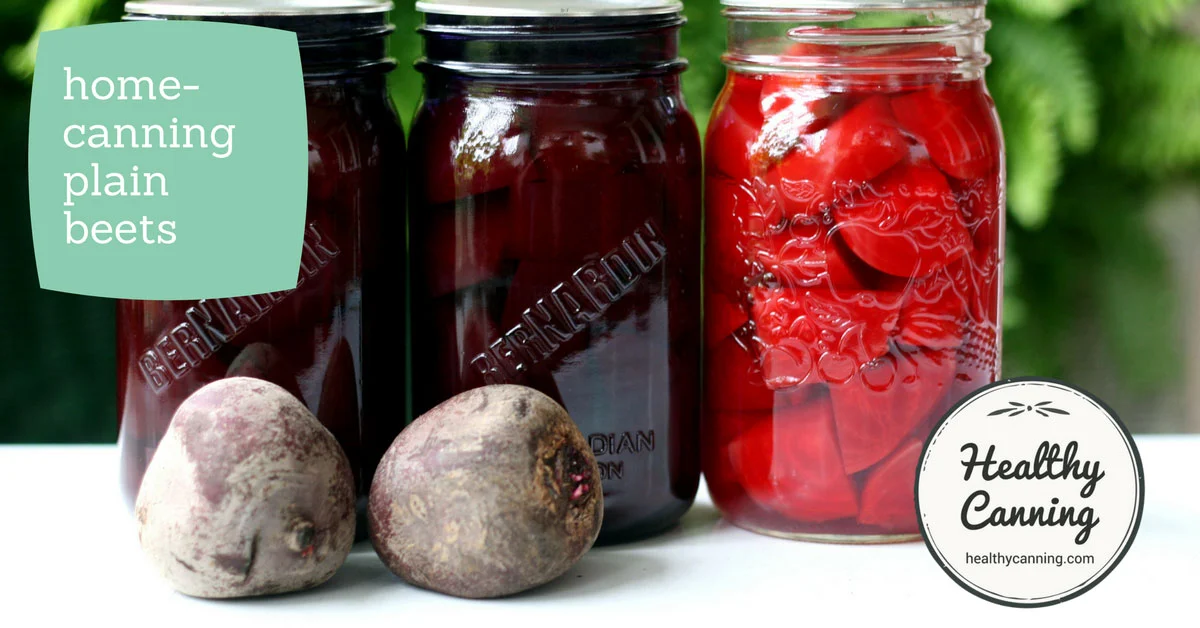

The home preservation of plain beets, scientifically known as Beta vulgaris, represents a significant intersection of culinary tradition and rigorous food safety standards. According to guidelines established by the United States Department of Agriculture (USDA) and the National Center for Home Food Preservation (NCHFP), the only scientifically validated method for canning plain beets is through the use of a pressure canner. This requirement is rooted in the fundamental biological necessity to eliminate the risk of foodborne illness, specifically botulism. While pickled beets can be processed in a boiling water bath due to their high acidity, plain beets are a low-acid vegetable that requires temperatures exceeding 240°F (116°C) to ensure a shelf-stable and safe product.
The Critical Necessity of Pressure Canning
The primary concern in home canning is the suppression of Clostridium botulinum, a soil-borne bacterium that thrives in anaerobic (oxygen-free), low-acid environments—exactly the conditions found inside a sealed canning jar. Because plain beets have a pH level well above 4.6, they do not possess the natural acidity required to prevent the germination of botulinum spores. Boiling water reaches a maximum temperature of 212°F (100°C) at sea level, which is insufficient to kill these spores. Only the pressurized environment of a steam pressure canner can achieve the temperatures necessary to render the product safe.

Historical data underscores the gravity of these safety protocols. Between 1990 and 2012, the United States recorded at least 10 documented cases of botulism directly linked to home-canned beets that were processed using a water bath instead of a pressure canner. Expert organizations, including the authors of "Putting Food By," emphasize that beets rank alongside green beans as primary carriers of the C. botulinum toxin when improperly preserved. Consequently, the "Hot Pack" method and pressure canning are the only recommended paths for plain beets.
Historical Chronology of Canning Standards
The evolution of canning advice reflects a growing understanding of food microbiology. As early as 1926, the USDA issued Farmers’ Bulletin No. 1471, which explicitly recommended the steam-pressure method for "baby beets" and other non-acid vegetables. This early documentation recognized the "spoilage difficulties and the risk of poisoning" associated with water bath methods.
However, the trajectory of safety advice was not always linear. During the Second World War, resource shortages led to a temporary regression in preservation standards. A 1944 bulletin from the Virginia Agricultural Extension Service suggested an "Acid Method" for beets, which involved adding a small amount of vinegar and boiling the jars for 90 minutes. This advice was likely a response to the rationing of metal, which made pressure canners difficult for the average citizen to obtain. Modern food scientists now categorize this "slightly acidified" boiling method as highly dangerous, as the amount of vinegar recommended was insufficient to lower the pH to a safe level. Today, the USDA’s "Complete Guide to Home Canning" (2015) serves as the definitive gold standard, correcting these historical anomalies with tested, time-driven processing schedules.
Technical Specifications and Preparation Data
Successful beet preservation requires careful attention to quantities and preparation techniques. On average, a home canner should expect to use approximately 1.25 kilograms (3 pounds) of beets per one-liter (US quart) jar. For a standard load of 10 medium-sized raw beets (roughly 9 cm or 3 inches in diameter), the raw weight typically totals 2 kilograms (4.5 pounds).
The preparation process is divided into several mandatory stages:
- Pre-cooking and Peeling: Beets must be pre-cooked until the skins slip off easily. The USDA mandates that beets be canned peeled. This is not merely an aesthetic choice; peeling significantly reduces the initial bacterial load on the vegetable, a factor accounted for in the established processing times.
- The "Hot Pack" Requirement: Beets must be packed into jars while hot. If the vegetables cool during the peeling process, they should be reheated before being placed in the jars to ensure the internal temperature reaches safety thresholds quickly during processing.
- Headspace and Liquid: A headspace of 3 cm (1 inch) must be maintained at the top of the jar. This space allows for the expansion of food and the exhaustion of air during the canning process, ensuring a proper vacuum seal.
Processing Times and Altitude Adjustments
Processing times vary based on jar size and the type of pressure canner used. For weighted-gauge canners at altitudes between 0 and 300 meters (0–1000 feet), the standard pressure is 10 pounds (69 kPa).
- Half-litre (1 US pint) jars: 30 minutes.
- One-litre (1 US quart) jars: 35 minutes.
For those residing at higher altitudes (above 300 meters), the pressure must be increased to 15 pounds to compensate for the lower atmospheric pressure and the resulting change in the boiling point of water. Failure to adjust for altitude is a common cause of under-processing and subsequent spoilage.
The Science of Color Retention
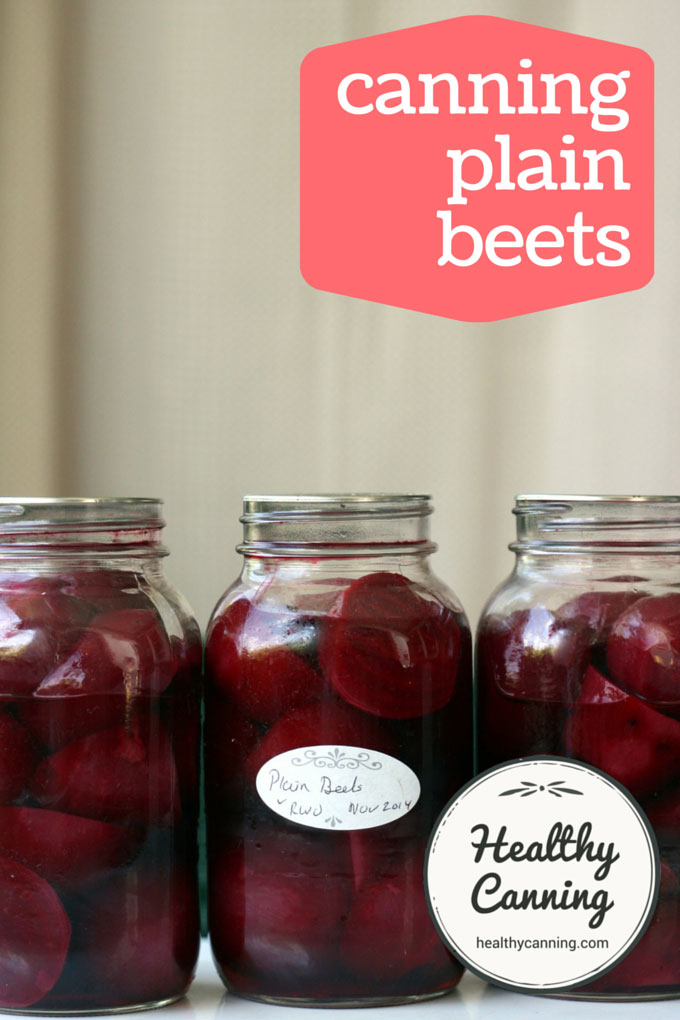
A common challenge in canning beets is the loss of their signature deep red color. The red pigments in beets, known as betalaines, are highly sensitive to high temperatures and can oxidize into colorless compounds during the intense heat of pressure canning. According to the Penn State Extension, this reaction is often reversible. It is common for beets to appear pale immediately after processing, only to regain their deep red hue after several days of storage at room temperature.
To minimize initial color loss, experts recommend leaving at least two inches of the stem and the entire taproot intact during the initial boiling phase. This prevents the beet from "bleeding" its pigments into the cooking water. Additionally, certain varieties, such as ‘Detroit Dark Red’ and ‘Formanova,’ have been identified as having higher thermal stability, making them superior choices for home preservation.
Judging Criteria and Quality Standards
The National Center for Home Food Preservation provides specific criteria for evaluating the quality of home-canned beets. These standards are used by fair judges and serious home canners alike to ensure a premium product:
- Size Uniformity: Beets should be uniform in size and shape. Whole beets should be less than 2 inches (5 cm) in diameter; larger beets must be sliced or cubed.
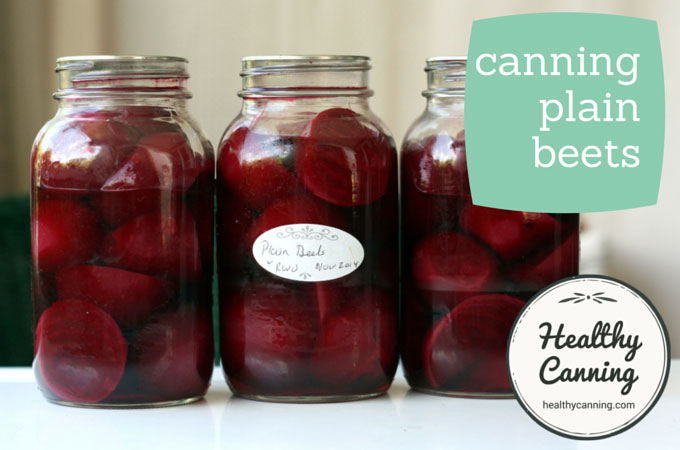
- Visual Clarity: The liquid (brine) should be a sparkling clear red, free from cloudiness, sediment, or traces of skin.
- Texture: Beets over 3 inches in diameter are often discarded for canning because they tend to be fibrous and woody.
- Color: The final product should be dark and even. White rings or a brownish-red tint are considered undesirable traits.
Nutritional Profile and Culinary Utility
Home-canned beets offer a robust nutritional profile, making them a valuable addition to a winter pantry. A standard 250g serving (approximately one cup) of cooked, canned beets contains roughly 124 calories. The nutritional breakdown includes:
- Carbohydrates: 29.8g
- Fiber: 3.6g
- Protein: 4g
- Sugar: 4.8g
- Sodium: 2mg (when canned without added salt)
Because the salt added during the canning process is for seasoning rather than preservation, it can be omitted entirely for those on sodium-restricted diets without compromising the safety of the product.

From a culinary perspective, plain canned beets provide a "ready-to-use" ingredient for complex dishes. They can be quickly transformed into traditional Borscht, roasted with maple syrup, or integrated into contemporary recipes such as spicy beet and carrot curry with coconut milk. The convenience of having pre-cooked, shelf-stable beets allows for the preparation of nutrient-dense meals in a fraction of the time required for raw roots.
Broader Impact and Implications
The practice of home pressure canning represents a vital component of food sovereignty and waste reduction. By preserving seasonal gluts of beets, households can reduce their reliance on industrial food supply chains and ensure access to high-quality produce year-round. However, the technical nature of the process highlights the necessity for ongoing public education regarding food safety.
The distinction between "traditional" methods and "tested" methods is critical. While many family recipes may suggest water-bathing vegetables, the scientific consensus remains absolute: the risks associated with low-acid canning require modern equipment and validated procedures. As home gardening and preservation continue to see a resurgence in popularity, the adherence to USDA and NCHFP guidelines remains the most effective defense against preventable foodborne illnesses. By combining historical context with modern microbiological standards, home canners can enjoy the fruits of their labor with total confidence in the safety and quality of their preserved goods.