
The American Homebrewers Association (AHA) has officially entered a transformative era following the announcement of its 2025 Strategic Plan, a comprehensive roadmap designed to navigate the organization’s transition into a fully independent entity. Released on June 27, 2025, the plan marks a definitive departure from the association’s previous governance structure, where it operated under the management of the Brewers Association, a 501(c)(6) trade group representing commercial craft brewers. This structural pivot is intended to provide the AHA with the autonomy necessary to focus exclusively on the needs, advocacy, and community-building efforts of the estimated one million homebrewers across the United States.
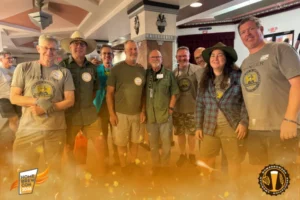
The unveiling of the 2025 Strategic Plan follows months of intensive deliberation and collaborative effort by the newly formed AHA Founding Board of Directors and the AHA Strategic Planning Task Force. Chaired by Shawna Cormier, with vice-chair Drew Beechum and members Cody Matkin and Paulina van Eeden Hill, the task force worked alongside AHA Executive Director Julia Herz to synthesize member feedback and industry data. This collective effort was informed by a significant survey of the membership conducted in February 2025, ensuring that the organization’s new trajectory aligns with the grassroots interests of the homebrewing community.
A New Era of Independence
The decision to separate the AHA from the Brewers Association (BA) represents one of the most significant shifts in the organization’s nearly 50-year history. Since its inception, the AHA has shared resources and leadership with the BA, an arrangement that provided stability but occasionally created a divergence in priorities between commercial interests and hobbyist needs. By transitioning to an independent 501(c)(6) status, the AHA gains the flexibility to tailor its financial resources, advocacy efforts, and educational programming specifically to the home fermentation enthusiast.
The 2025 Strategic Plan serves as the foundational document for this independence. It outlines the organization’s revised mission: "To celebrate and promote the art, science, and joy of fermentation, championing a united and knowledgeable community of today’s and tomorrow’s homebrewers." This mission is supported by a bold vision of "a homebrewer in every neighborhood and a homebrew club in every community," signaling an aggressive push toward expansion and local engagement.
Historical Context and Chronology
To understand the weight of this transition, one must look at the historical trajectory of the American Homebrewers Association. Founded in 1978 by Charlie Papazian and Charlie Matzen in Boulder, Colorado, the AHA was established just as the federal government was moving toward the legalization of homebrewing. On October 14, 1978, President Jimmy Carter signed H.R. 1337, which included an amendment legalizing the home production of beer and wine for personal or family use at the federal level.
For decades, the AHA served as the incubator for what would become the American craft beer revolution. Many of the most successful commercial brewers in the world today began as AHA members, honing their skills in kitchens and garages. As the commercial industry grew, the Association of Brewers (later the Brewers Association) became a powerhouse in the beverage industry. While the AHA remained a vital wing of this organization, the needs of the modern homebrewer in 2025—facing a landscape of advanced technology, evolving legal challenges, and a post-pandemic shift in social hobbies—necessitated a dedicated, autonomous leadership structure.
The timeline for the current transition began in late 2024 with the decision to restructure. In March 2025, the Founding Board of Directors was introduced to the membership via the organization’s flagship publication, Zymurgy magazine. The subsequent months involved rigorous strategic planning sessions, culminating in the June 2025 announcement. The organization has confirmed that 2026 will see the first official AHA Board of Director elections, allowing the general membership to vote on the leadership that will succeed the founding board.
Strategic Priorities and Organizational Goals
The 2025 Strategic Plan is anchored by five core priorities that address the immediate and long-term health of the association:
- Membership Growth and Retention: The AHA aims to expand its reach by lowering barriers to entry for new brewers while providing high-value resources to long-term members. This includes enhancing digital tools and providing more localized benefits.
- Financial Sustainability: As an independent entity, the AHA must establish robust, diversified revenue streams. This involves optimizing membership dues, sponsorships, and event revenue to ensure the organization remains solvent and effective.
- Support for Homebrew Clubs and Communities: Recognizing that clubs are the lifeblood of the hobby, the plan emphasizes direct support for local organizations through insurance programs, educational content, and recruitment tools.
- Advocacy and Government Affairs: The AHA remains the primary voice for homebrewers in legislative halls. This priority focuses on protecting the right to brew and simplifying regulations regarding the transport and sharing of homebrewed beverages at events.
- Education and Excellence: Through Zymurgy, the National Homebrew Competition, and online resources, the AHA continues to prioritize the dissemination of scientific knowledge and technical skill.
Governance and Committee Structure
To execute these priorities, the AHA Board of Directors has established a new committee structure designed to leverage the expertise of volunteer members. The 2025 committees include:
- Competition Committee: Tasked with overseeing the National Homebrew Competition (NHC), the world’s largest stage for amateur brewers, ensuring fair judging standards and logistical excellence.
- Clubs and Community Committee: Focused on the "vision" of the plan, this group works to strengthen the network of over 1,000 registered homebrew clubs.
- Government Affairs Committee: This body monitors legislative changes at the state and federal levels, advocating for "Homebrew-friendly" laws, such as those allowing homebrew to be served at festivals and competitions.
- Content Committee: Responsible for the strategic direction of Zymurgy magazine and the AHA’s digital presence, ensuring information remains relevant to modern brewing techniques.
- Events Committee: Oversees the planning of Homebrew Con and other regional gatherings.
- Finance Committee: Manages the association’s fiscal health and transparency during the transition to independence.
Data and Market Analysis
The pivot to independence comes at a critical time for the hobby. According to internal AHA data and industry surveys, the homebrewing landscape has shifted significantly since the 2010s. While the "boom" of the early 2010s saw a surge in new participants, the current market is characterized by a "quality over quantity" approach. Modern homebrewers are more likely to invest in high-end electric brewing systems and sophisticated fermentation control technology.
Furthermore, the "fermentation" aspect of the AHA mission is expanding. There is a growing overlap between beer brewers and those interested in mead, cider, kombucha, and fermented foods. By broadening its mission to include the "art, science, and joy of fermentation," the AHA is positioning itself to capture a wider demographic of DIY enthusiasts.
Inferred industry analysis suggests that the AHA’s independence will allow for more agile partnerships with homebrew supply shops (HBS). These small businesses have faced challenges from e-commerce and changing consumer habits; a dedicated AHA can focus on initiatives like "Shop Local" campaigns that directly benefit the brick-and-mortar stores that serve as community hubs for brewers.
Broader Impact and Implications
The implications of the AHA’s independence extend beyond its membership. For the broader craft beer industry, a strong, independent AHA ensures a pipeline of educated consumers and future professional brewers. For the individual hobbyist, it means a more focused advocate.
The emphasis on "Stewardship" and "Community" within the AHA’s core values suggests an organization looking to foster a more inclusive environment. By aiming for "a homebrewer in every neighborhood," the association is signaling a commitment to diversity, seeking to bring the hobby to underrepresented demographics and urban environments where space-saving brewing methods are gaining popularity.
The transition also places a heavy emphasis on volunteerism. Executive Director Julia Herz has encouraged members to "throw your hat in the ring" for committee positions, noting that service on a committee is a prerequisite for future board candidacy. This "bottom-up" approach to leadership is intended to prevent the organization from becoming top-heavy or disconnected from the reality of the average garage brewer.
As the AHA moves toward 2026, the success of the 2025 Strategic Plan will be measured by the organization’s ability to maintain its membership base while establishing its own operational infrastructure. The independence of the AHA is not merely a change in paperwork; it is a reaffirmation of the "irreverent" and "non-predefined" spirit that Julia Herz identified as the hallmark of the homebrewing community. By charting its own course, the American Homebrewers Association is betting on the enduring appeal of the handmade and the fermented, ensuring that the "joy of fermentation" remains a protected and celebrated pursuit for generations to come.