
The American Homebrewers Association (AHA) has officially concluded its first democratic election as a newly independent organization, marking a significant milestone in the association’s nearly 50-year history. Following an intensive selection process that began earlier this year, the AHA membership has elected four new leaders to its Board of Directors. This election represents the first time the organization has operated its governance under its new dual-structure status as both a 501(c)(6) membership organization and a 501(c)(3) supporting foundation, known as the A-HA Foundation.
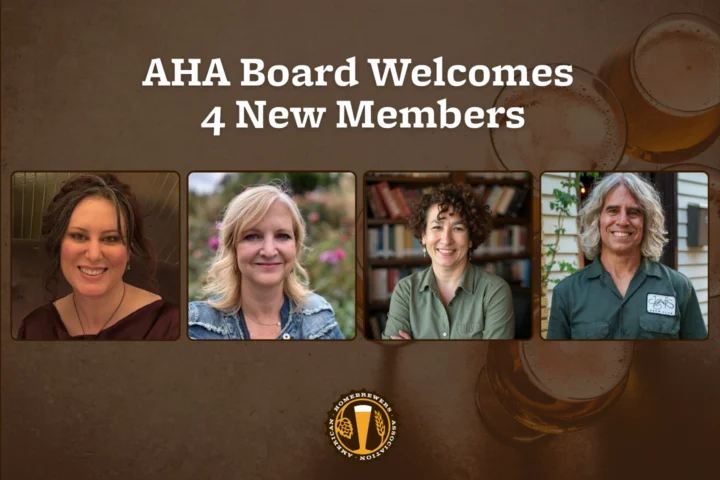
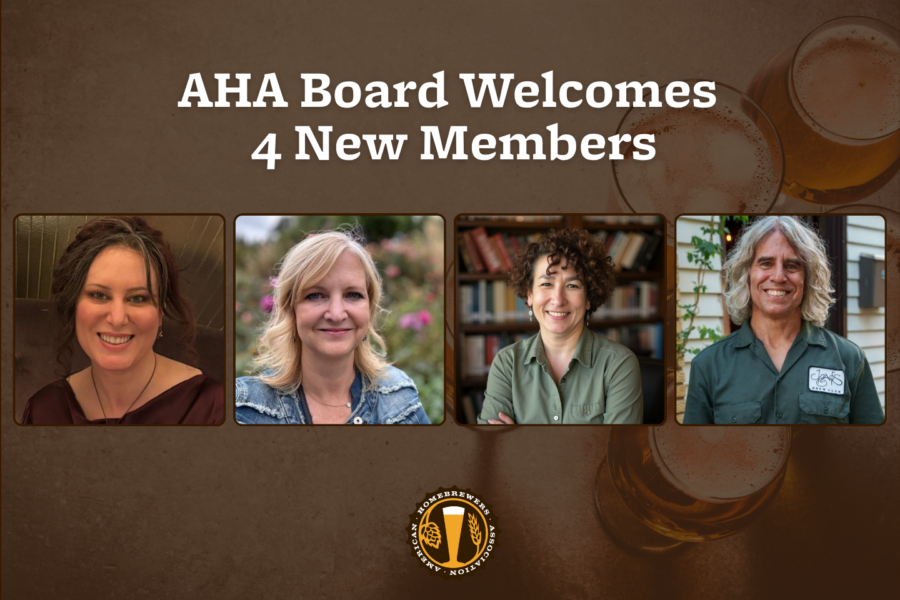
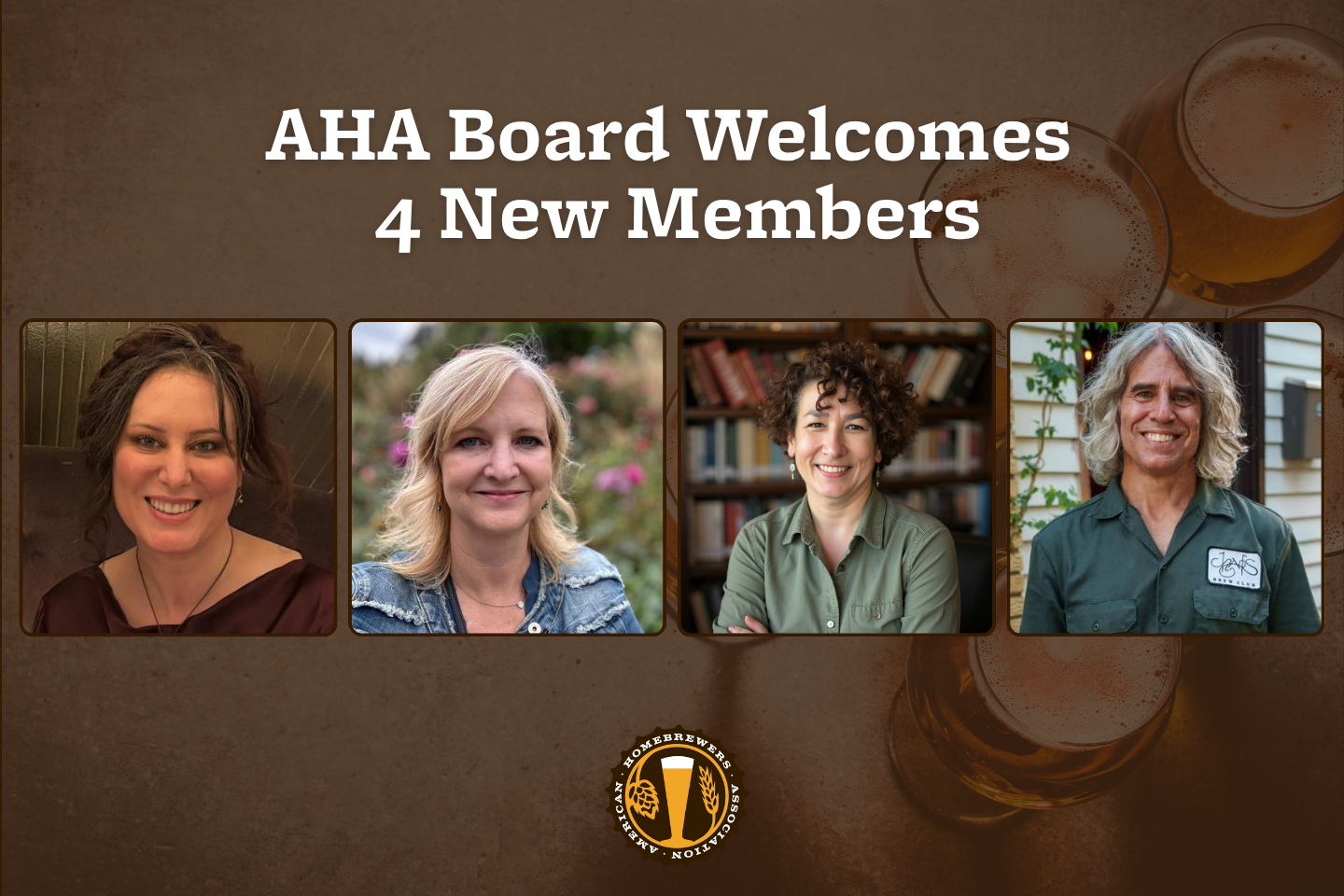
The four newly elected board members—Jen Blair, Stephanie Butler, Jen Pereira, and Jeff Whelpley—were selected from a competitive pool of 10 finalists. The journey to the final ballot was rigorous, beginning with an original field of 28 nominees from across the national homebrewing community. Each newly elected member will serve a three-year term, contributing to the strategic direction of an organization that has served as the backbone of the American craft beer movement since the late 1970s.
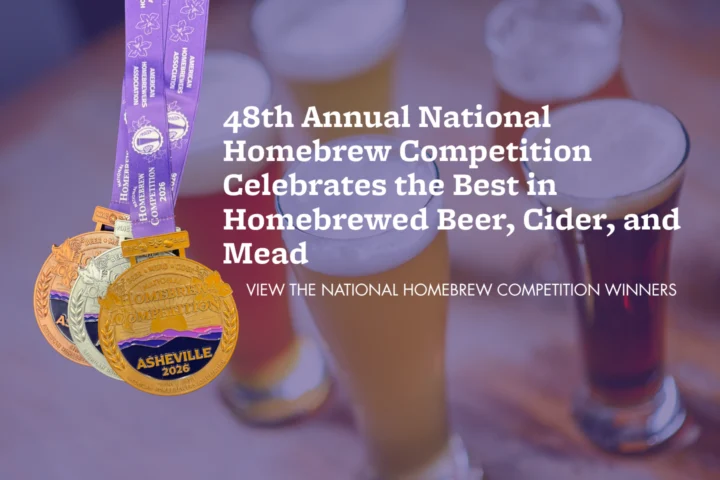
The newly elected directors will join the current sitting board members, Shawna Cormier, Drew Beechum, and Gregory Roskopf, to form a leadership team tasked with navigating the AHA through its first decade of full independence. The formal seating of the new board is scheduled to take place during the AHA’s 2026 annual meeting on June 20, 2026. The ceremony will be a centerpiece of Homebrew Con, the association’s premier annual gathering, which will be held in Asheville, North Carolina—a city frequently cited as a hub of craft brewing innovation.
A Structural Evolution: The Move to Independence
The 2026 election is more than a routine change in leadership; it is the culmination of a multi-year transition toward organizational autonomy. For much of its history, the AHA operated under the umbrella of the Brewers Association (BA), the trade group representing professional craft brewers. While this partnership was instrumental in the growth of both the professional and amateur sectors, the decision to establish the AHA as an independent entity was driven by a desire to provide the association with greater agility and a more focused mandate to serve the specific needs of home hobbyists.
Under its new structure, the AHA operates as a 501(c)(6) non-profit, a designation typically reserved for business leagues and professional organizations. This allows the AHA to engage in advocacy and member-driven initiatives that support the hobby’s legal and social standing. Simultaneously, the creation of the A-HA Foundation as a 501(c)(3) organization enables a focus on educational and charitable endeavors, ensuring that the history and science of homebrewing are preserved and disseminated to future generations.
The transition to independence has required the establishment of a "Founding Board," which provided the legal and administrative framework necessary for this year’s historic election. As the new members prepare to take their seats, the association has expressed profound gratitude to departing founding board members Sandy Cockerham and Gary Glass. Their leadership during the transition period was essential in decoupling the AHA from its previous administrative ties while maintaining the continuity of member services, such as Zymurgy magazine and the National Homebrew Competition.
The Election Process and Candidate Profile
The scale of participation in this year’s election reflects a high level of engagement within the homebrewing community. With 28 original nominees, the association saw a diverse array of backgrounds, from technical brewing experts and BJCP (Beer Judge Certification Program) judges to community organizers and advocates for diversity within the hobby.
The winnowing of 28 nominees down to 10 candidates for the final ballot was managed by a nominating committee that prioritized leadership experience, a commitment to the AHA’s core values—Community, Education, Joy, and Volunteerism—and a clear vision for the future of the hobby. The high turnout among voting members suggests that the AHA’s transition to independence has resonated with the rank-and-file membership, who now see a more direct link between their votes and the association’s governance.
While the specific professional backgrounds of the new board members vary, they share a common thread of deep involvement in local and national brewing cultures. Jen Blair, Stephanie Butler, Jen Pereira, and Jeff Whelpley represent a cross-section of the modern homebrewing landscape, bringing expertise in areas such as sensory analysis, organizational management, and community outreach. Their three-year terms will provide the stability needed to implement long-term strategic goals, including the expansion of the "AHA Member Deals" program and the modernization of digital resources on the HomebrewersAssociation.org platform.
Chronology of a Landmark Transition
To understand the weight of this election, it is necessary to view it within the timeline of the AHA’s evolution:
- 1978: Charlie Papazian and Charlie Matzen found the American Homebrewers Association in Boulder, Colorado, following the federal legalization of homebrewing by President Jimmy Carter.
- 1979: The first issue of Zymurgy magazine is published, and the first National Homebrew Competition is held.
- 2005: The AHA and the Association of Brewers merge with the Small Brewers Coalition to form the Brewers Association.
- 2023-2024: Strategic discussions begin regarding the independence of the AHA to allow for more focused hobbyist advocacy and the creation of a dedicated foundation.
- 2025: The AHA begins operating as an independent 501(c)(6) and 501(c)(3) entity, led by a Founding Board.
- March 2026: The first general election for the independent board is held, attracting 28 nominees.
- June 20, 2026: The newly elected board members will be officially seated in Asheville, North Carolina.
Official Responses and Strategic Vision
The sentiment within the association is one of optimism and renewed purpose. Shawna Cormier, the AHA Board Chair, emphasized that the work of the Founding Board has laid a "formidable foundation" for the organization’s future.
"The work started by the AHA Founding Board to bring the association to a new future has been impressive to say the least," Cormier stated in an official release. "With our new elected board members, we are positioned to help the AHA grow for generations. We look forward to bringing AHA’s vision of ‘a homebrewer in every neighborhood and a homebrew club in every community’ to life."
This vision—the "homebrewer in every neighborhood"—is a strategic pivot toward hyper-local community building. In an era where digital communities are prevalent, the AHA is doubling down on the importance of physical homebrew clubs and local mentorship. The board’s goal is to ensure that the hobby remains accessible and welcoming to a new generation of brewers who may be looking for a tangible, craft-oriented community.
Analysis of Implications for the Homebrewing Community
The shift to an independent board and the successful execution of this election carry several long-term implications for the hobby:
1. Increased Advocacy Potential: As a 501(c)(6), the AHA can more aggressively pursue legislative changes at the state and local levels. While homebrewing is legal federally, various "blue laws" and local restrictions still impact how homebrewers can transport and share their creations. An independent board can prioritize these legal hurdles without needing to balance them against the interests of professional commercial breweries.
2. Educational Focus: The A-HA Foundation (501(c)(3)) allows the organization to seek grants and tax-deductible donations to fund educational programs. This could lead to more robust scholarships for brewing science, the preservation of historical brewing records, and the development of high-level educational content that goes beyond basic "how-to" guides.
3. Financial Autonomy: Independence means the AHA has direct control over its revenue streams, including membership dues and event profits from Homebrew Con. This financial transparency is expected to lead to more targeted reinvestment in member benefits, such as the National Homebrew Competition, which remains the largest and most prestigious event of its kind globally.
4. Diversification of the Hobby: The election of a new board presents an opportunity to address the demographic shifts within the craft beer world. By fostering "a homebrew club in every community," the AHA aims to lower the barrier to entry for underrepresented groups in the hobby, ensuring that the joy of fermentation is shared across all backgrounds.
Looking Ahead to Asheville 2026
The transition will culminate this summer at Homebrew Con in Asheville. Known for its vibrant beer scene and supportive community, Asheville serves as a symbolic backdrop for the AHA’s "new beginning." The conference will feature educational seminars, the final round of the National Homebrew Competition, and the Club Night festivities, where hundreds of homebrew clubs from across the country share their best pours.
The seating of Jen Blair, Stephanie Butler, Jen Pereira, and Jeff Whelpley will signal the end of the transition period and the beginning of a new era of self-governance. For the thousands of AHA members, this election is a testament to the enduring appeal of a hobby that combines science, art, and community. As the association looks toward its 50th anniversary in 2028, the historic first election of 2026 will likely be remembered as the moment the AHA secured its own future, ensuring that the legacy of homebrewing remains a vibrant part of American culture for decades to come.