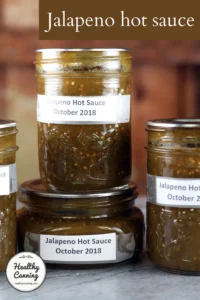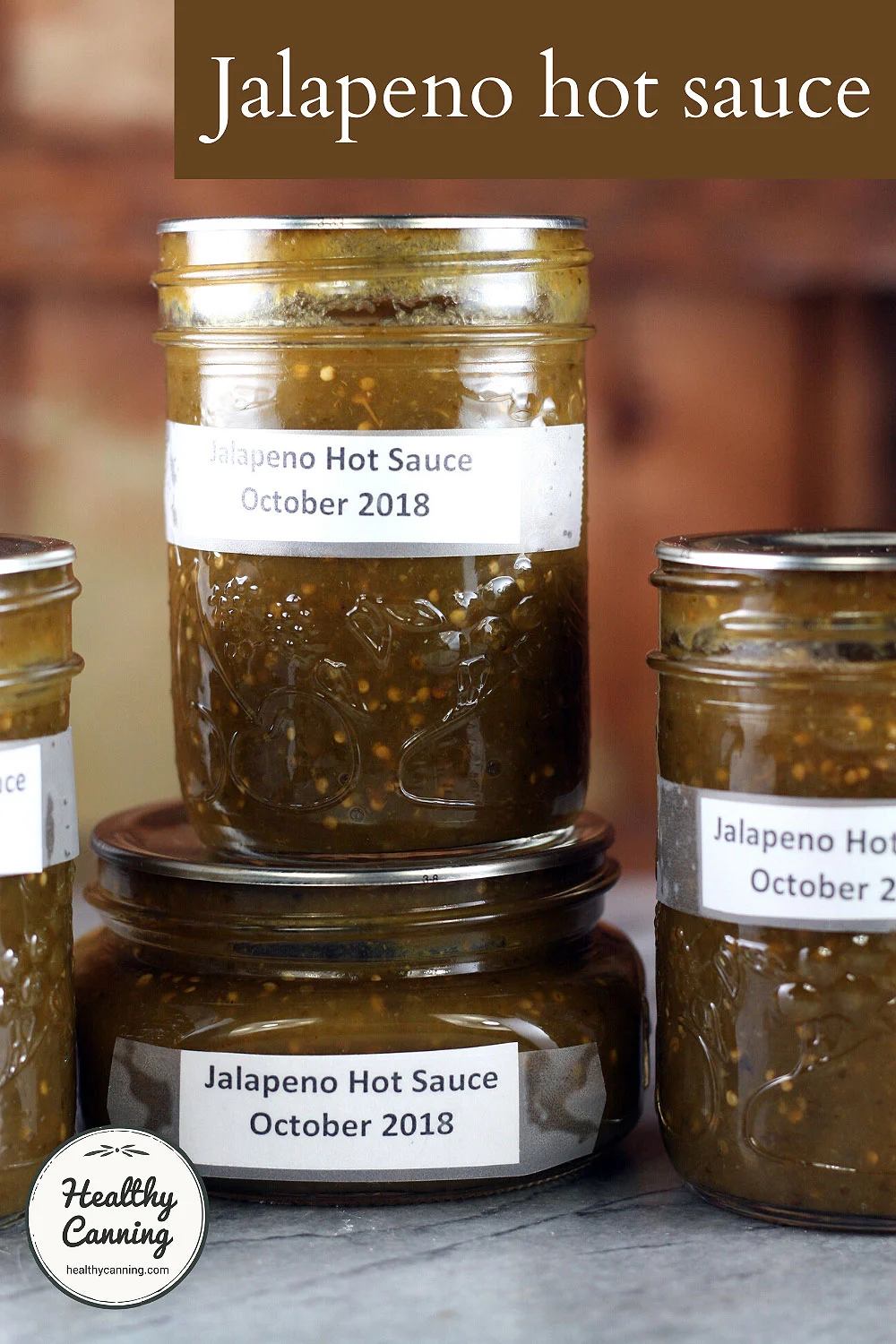

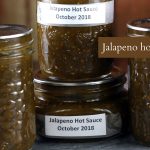
The landscape of home food preservation has undergone a significant transformation in recent years, moving from a survivalist necessity to a sophisticated culinary hobby driven by a desire for transparency in ingredients and a passion for bold, artisanal flavors. Among the most popular ventures for home preservers is the creation of shelf-stable hot sauces, a process that requires a delicate balance between gastronomic creativity and rigorous adherence to microbiological safety standards. One particular recipe gaining traction among enthusiasts is a thick, spoonable green jalapeno hot sauce that utilizes a foundation established by the United States Department of Agriculture (USDA) and the National Center for Home Food Preservation (NCHFP). By adapting the traditional Cayenne Pepper Sauce recipe through the substitution of tomatillos for tomatoes and green jalapenos for red peppers, home cooks are able to produce a vibrant, high-heat condiment that meets modern safety protocols for water-bath and steam canning.
The Foundation of Safe Acidification
At the heart of home canning is the prevention of Clostridium botulinum growth, a bacterium that thrives in anaerobic (oxygen-free) environments such as sealed jars. Because peppers and tomatillos are low-acid foods, they cannot be safely canned in a water-bath without the addition of a significant amount of acid, usually in the form of high-quality vinegar. The Jalapeno Hot Sauce recipe in question is anchored in the USDA’s tested ratios, ensuring that the final product maintains a pH level well below the safety threshold of 4.6.
The modification of the original cayenne-based recipe is considered safe by preservation experts because it involves "like-for-like" swaps. In the world of canning science, tomatillos and tomatoes are often interchangeable in acidified recipes because they share similar acidity profiles, though tomatillos typically offer a higher pectin content, contributing to a thicker, more "spoonable" texture. Similarly, substituting one variety of pepper for another—in this case, swapping cayenne for jalapeno—does not compromise the safety of the recipe as long as the total volume or weight of the peppers remains constant.
Comprehensive Processing Specifications
The technical requirements for this jalapeno hot sauce are precise, designed to ensure both the shelf stability of the product and the destruction of spoilage organisms. The recipe is optimized for three specific jar sizes: 125 ml (4 oz), 250 ml (8 oz), and 500 ml (16 oz). Regardless of the jar size selected, the processing time remains a consistent 10 minutes, provided the jars are processed at sea level.

A critical component of this process is the "headspace"—the gap between the top of the sauce and the lid of the jar. For this specific condiment, a headspace of 2 cm (approximately 1/2 inch) is required. This space is vital for allowing the contents to expand during the boiling process and for the subsequent creation of a vacuum seal as the jar cools. Failure to maintain proper headspace can lead to seal failure or the siphoning of liquid out of the jar, which can compromise the longevity of the sauce.
Furthermore, the recipe allows for two different processing methods: traditional water-bath canning and the more modern atmospheric steam canning. While water-bath canning involves fully submerging jars in boiling water, steam canning uses a fraction of the water and relies on the heat of the steam to achieve the same internal temperature. Atmospheric steam canning was officially validated as a safe alternative to water-bath canning for high-acid foods by the University of Wisconsin-Madison in 2015, provided the processing time does not exceed 45 minutes.
Chronology of Home Preservation Standards
The evolution of these guidelines reflects over a century of scientific advancement in food safety. The USDA first published canning instructions in the early 20th century, but it wasn’t until the 1980s and 1990s that recipes were standardized through rigorous laboratory testing to account for heat penetration rates.
- 1917: The USDA issues its first comprehensive bulletin on home canning, though many early methods (such as "open kettle" canning) were later found to be unsafe.
- 1988: The establishment of the National Center for Home Food Preservation (NCHFP) at the University of Georgia marks a new era of evidence-based canning.
- 1994: The USDA Complete Guide to Home Canning is overhauled, introducing many of the pepper sauce foundations used today.
- 2015: The validation of steam canning provides home preservers with a faster, more energy-efficient method for processing high-acid condiments like jalapeno sauce.
- Present Day: The rise of digital resources like "Healthy Canning" has democratized this data, allowing home cooks to access USDA-compliant modifications that cater to modern palates.
Nutritional Profile and Culinary Utility
From a nutritional standpoint, the Jalapeno Hot Sauce is an exceptionally lean condiment, making it an attractive option for health-conscious consumers. A single tablespoon contains approximately 8 calories, with negligible fat and sodium content. The primary caloric contributors are the natural carbohydrates found in the peppers and tomatillos, which provide about 1.6 grams per serving.
Beyond its caloric profile, the sauce is a concentrated source of capsaicin, the compound responsible for the heat in chili peppers. Capsaicin has been the subject of numerous studies regarding its potential to boost metabolism and improve cardiovascular health. By preparing the sauce at home, individuals can control the quality of the vinegar and the source of the produce, avoiding the high-fructose corn syrup and artificial stabilizers often found in commercial "green" hot sauces.
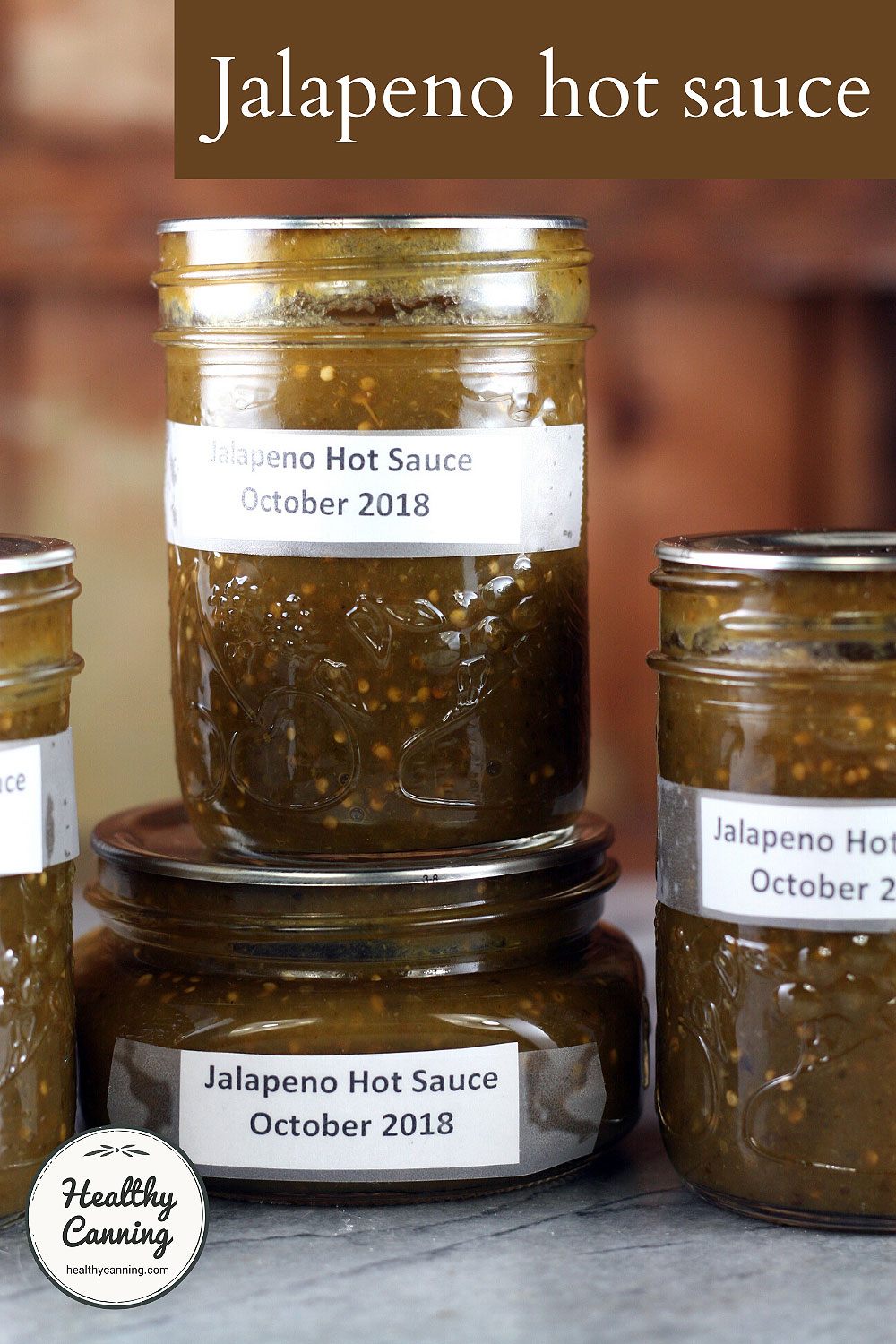
The National Center for Home Food Preservation notes that this specific formulation results in a "very hot" sauce. Its thickness distinguishes it from thinner, vinegar-forward sauces like Tabasco. This makes it ideal for use as a spread for sandwiches, a topping for grilled meats, or a base for spicy vinaigrettes.
The Global Context: The Hot Sauce Market Boom
The interest in home-canned jalapeno sauce coincides with a massive global surge in the hot sauce industry. Market analysts estimate the global hot sauce market was valued at approximately $2.89 billion in 2022 and is projected to reach nearly $5 billion by 2030. This growth is driven by a "flavor-first" culture among younger demographics, particularly Millennials and Gen Z, who prioritize spicy and authentic global flavors.
This commercial trend has trickled down into the "DIY" movement. As consumers become more aware of supply chain instabilities and the environmental impact of mass-produced food, the appeal of "putting up" one’s own harvest has grown. A single batch of this jalapeno recipe yields five 500 ml jars, providing a significant supply that can last a household for a year or serve as artisanal gifts.
Expert Analysis and Safety Implications
While the recipe is accessible, experts at the NCHFP emphasize that the "thick and spoonable" nature of the sauce requires careful attention to the preparation of the ingredients. The tomatillos must be properly husked and washed to remove their sticky residue, and the peppers should be finely chopped or blended to ensure uniform heat penetration during the 10-minute processing window.
One often overlooked aspect of the process is altitude adjustment. Water boils at lower temperatures as elevation increases; therefore, those living 1,000 feet or more above sea level must increase their processing time to compensate. For example, at altitudes between 1,001 and 3,000 feet, the processing time for this sauce would increase from 10 to 15 minutes. Ignoring these adjustments is one of the most common errors in home canning and can lead to under-processed food that is susceptible to spoilage.
Conclusion and Future Outlook
The home-canned Jalapeno Hot Sauce represents more than just a condiment; it is a testament to the successful marriage of traditional preservation techniques and modern food science. By utilizing the USDA’s cayenne pepper sauce framework as a safety anchor, home preservers can confidently experiment with the flavors of the Southwest, knowing their product is shelf-stable and nutritionally sound.
As the "slow food" movement continues to gain momentum, it is likely that more tested recipes will be adapted for home use, bridging the gap between the rigid safety standards of the past and the creative culinary demands of the future. For the home cook, the reward is a pantry stocked with vibrant, high-heat sauce that captures the peak of the harvest season in every jar. Through diligent adherence to headspace, processing times, and acidification, the art of canning remains a safe and rewarding cornerstone of the modern kitchen.