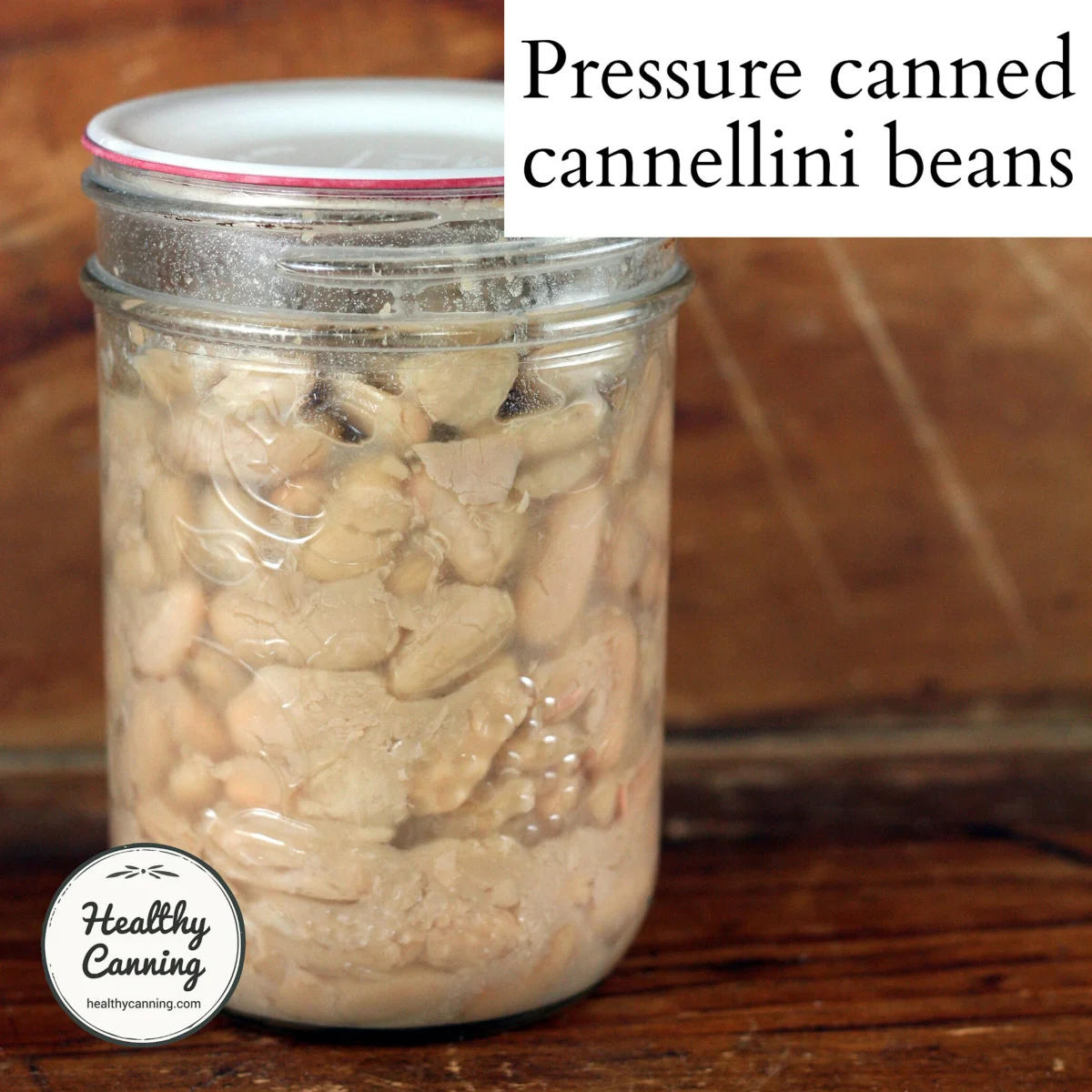

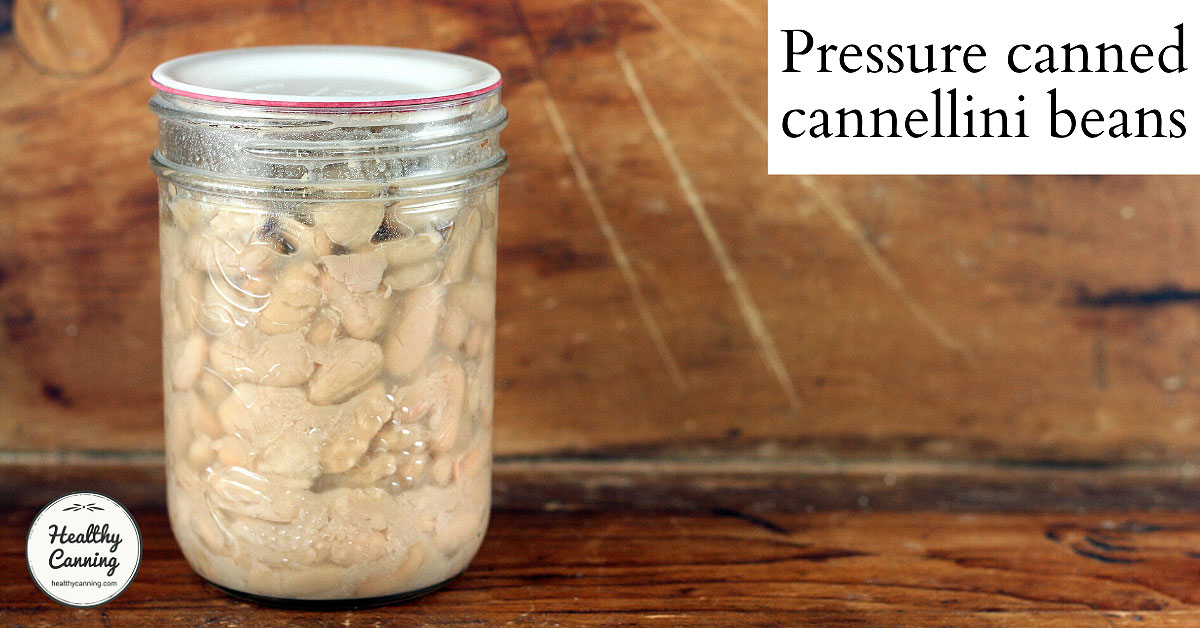
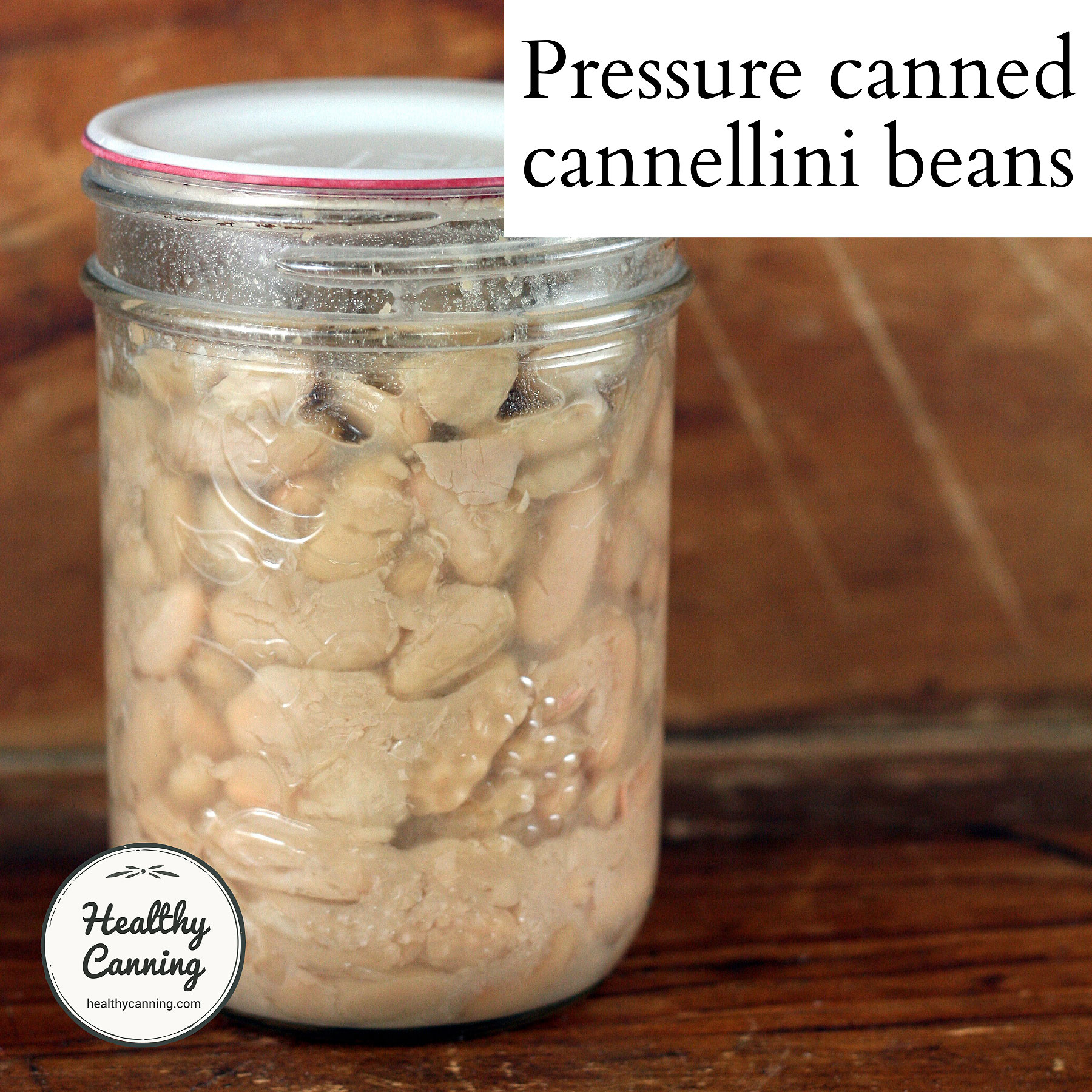
The practice of home food preservation has seen a significant resurgence over the last decade, driven by a combination of economic necessity, a desire for cleaner ingredient labels, and a broader movement toward household self-sufficiency. Among the various methods of preservation, the pressure canning of legumes, specifically cannellini beans—also known as white kidney beans—represents a cornerstone of pantry-building for many modern homesteaders. However, unlike high-acid fruits or pickled vegetables, the canning of beans requires a rigorous adherence to scientific protocols established by federal agricultural authorities to ensure consumer safety and product quality.
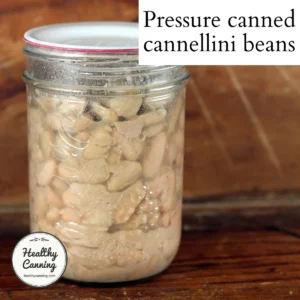
Cannellini beans are prized in the culinary world for their creamy texture and nutty flavor, making them a staple in Mediterranean diets, particularly in soups, stews, and purées. When processed at home, these beans offer a nutritional profile and cost-efficiency that frequently surpasses commercial alternatives. Yet, the technical requirements for canning low-acid foods are absolute; without the use of a pressure canner, home-canned beans pose a severe risk of foodborne illness, specifically botulism.
The Scientific Necessity of Pressure Canning
The fundamental principle underlying the preservation of cannellini beans is the management of pH levels. Legumes are low-acid foods, generally possessing a pH level well above 4.6. In the world of food science, this threshold is critical. In low-acid environments, the spores of Clostridium botulinum—the bacterium responsible for botulism—can thrive and produce a deadly neurotoxin. These spores are remarkably heat-resistant and can survive boiling water temperatures (100°C or 212°F) regardless of the duration of the process.
To neutralize these spores, the internal temperature of the food must reach at least 116°C (240°F). This temperature can only be achieved under pressure. Consequently, the United States Department of Agriculture (USDA) and the National Center for Home Food Preservation (NCHFP) mandate that all dried beans must be processed in a pressure canner. This requirement is the bedrock of the guidelines outlined in the USDA’s "Complete Guide to Home Canning," specifically Agriculture Information Bulletin No. 539, which serves as the gold standard for home preservationists.
Chronology of the Preservation Process
The journey from a dry, shelf-stable legume to a ready-to-use jarred product involves several distinct phases, each designed to ensure both safety and palatability.
Phase 1: Selection and Preparation
The process begins with the sorting of high-quality dried cannellini beans. Preservative experts recommend discarding any beans that are discolored, shriveled, or cracked. Following the sort, the beans must be thoroughly rinsed to remove dust and debris.
Phase 2: Rehydration
Rehydration is a critical step that prevents the beans from expanding too much inside the jar, which could lead to seal failure or under-processing. Two methods are officially recognized:
- The Overnight Soak: Beans are submerged in water (at a ratio of four cups of water per one cup of beans) for 12 to 18 hours in a cool environment.
- The Quick Soak: Beans are brought to a boil for two minutes, then removed from heat to soak for one hour.
Regardless of the method, the soaking water is discarded after the process to reduce the presence of complex sugars that contribute to digestive discomfort.
Phase 3: Parboiling and Packing
Once rehydrated, the cannellini beans are placed in fresh water, brought to a boil, and simmered for 30 minutes. This "parboiling" ensures the beans are heated through before entering the jars. The beans are then packed into sterilized jars, leaving exactly one inch (3 cm) of headspace. This space is vital for the expansion of the food and the creation of a vacuum seal during the cooling process.
Phase 4: Pressure Processing
The jars are placed in a pressure canner containing two to three inches of simmering water. After the canner is sealed and vented for 10 minutes to remove air, it is brought to the required pressure. For cannellini beans, the processing time is 75 minutes for half-pints and pints, and 90 minutes for quarts.
Technical Specifications and Altitude Adjustments
Precision is the hallmark of safe canning. The required pressure for processing cannellini beans depends heavily on the type of gauge used and the altitude of the processor. At sea level (up to 1,000 feet or 300 meters), a weighted-gauge canner must be set to 10 pounds (69 kPa), while a dial-gauge canner requires 11 pounds (76 kPa).
As altitude increases, the atmospheric pressure decreases, and the boiling point of water drops. To compensate and ensure the internal temperature reaches the necessary 116°C, the pressure must be increased. For those living above 1,000 feet, the pressure for a weighted gauge must be increased to 15 pounds. Failure to adjust for altitude is one of the most common errors in home canning and can result in under-processed food that is unsafe for consumption.
Economic and Nutritional Data Analysis
The shift toward home-canned cannellini beans is often supported by compelling data regarding cost and nutrition.
Nutritional Integrity
A standard 130-gram serving (approximately half a cup) of home-canned cannellini beans, processed without added salt, provides:
- Calories: 100 kcal
- Protein: 6 g
- Fiber: 5 g
- Fat: 1 g
- Sodium: 30 mg (naturally occurring)
- Potassium: 250 mg
In contrast, many commercial brands of canned beans contain upwards of 300 mg to 400 mg of sodium per serving as a preservative and flavor enhancer. By canning at home, consumers can eliminate added sodium entirely, making the product suitable for heart-healthy and low-sodium diets. Furthermore, home-canned beans are typically free from calcium chloride (a firming agent) and disodium EDTA (used to retain color), which are prevalent in industrial canning.
Economic Impact
From a financial perspective, the savings are substantial. On average, a one-pound bag of dried cannellini beans yields approximately five to six pint-sized jars of cooked beans. Depending on regional market prices, the cost per home-processed jar can be as low as $0.25 to $0.40. Commercial organic cannellini beans often retail for $1.50 to $2.50 per can. For a household that consumes beans weekly, the annual savings can exceed several hundred dollars, quickly offsetting the initial investment in a pressure canner.
Official Responses and Regulatory Standards
The USDA and the NCHFP have remained steadfast in their recommendations, periodically updating their guidelines to reflect the latest in microbiological research. The 2015 update of the "Complete Guide to Home Canning" reinforced the processing times for "Beans or Peas – Shelled, Dried: All Varieties," which includes cannellini beans.
Safety advocates and Master Food Preservers often issue warnings against "rebel canning"—a term used for practices that deviate from scientifically tested recipes, such as using a water bath canner for beans or shortening processing times. In a statement regarding the importance of following tested protocols, food safety experts emphasize that "the visual appearance of a sealed jar is not an indicator of safety; only the combination of heat, pressure, and time can guarantee the destruction of pathogens."
Culinary Applications and Texture Considerations
While home-canned cannellini beans are nutritionally superior, the high-heat pressure process does affect their physical properties. Because they are processed for 75 to 90 minutes at high temperatures, the beans become exceptionally soft.
Culinary experts note that home-canned cannellini beans are not ideal for cold bean salads where a firm, distinct texture is required. However, their softened state makes them superior for:
- Soups and Stews: They break down slightly to thicken the broth naturally.
- Pâtés and Spreads: They blend into a silky-smooth consistency for dishes like white bean hummus or Tuscan bean dip.
- Pasta e Fagioli: They provide the traditional creamy mouthfeel essential to the classic Italian dish.
Broader Impact and Implications
The move toward home canning cannellini beans reflects a broader societal shift toward food security and environmental consciousness. By purchasing beans in bulk and reusing glass jars, consumers significantly reduce the environmental footprint associated with the manufacturing, transporting, and recycling of tin cans. Furthermore, home canning addresses concerns regarding Bisphenol A (BPA) and other liners found in commercial cans, which some studies have linked to endocrine disruption.
In terms of food security, a pantry stocked with home-canned proteins like cannellini beans provides a buffer against supply chain disruptions and inflationary pressures on grocery prices. As the global food system faces increasing volatility due to climate change and geopolitical instability, the ability to transform raw, dried commodities into shelf-stable, ready-to-eat meals is becoming an increasingly valued skill.
In conclusion, the home pressure canning of cannellini beans is a meticulous process that sits at the intersection of traditional domestic art and modern food science. By adhering to the rigorous standards set by the USDA, individuals can produce a high-quality, nutritious, and cost-effective food source that enhances both their health and their household resilience. As long as the pressure remains high and the protocols are followed, the home pantry will continue to be a safe and vital resource for the modern family.