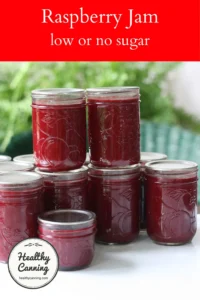

The landscape of home food preservation has undergone a significant transformation with the introduction of low-methoxyl pectins, allowing for the creation of high-quality fruit spreads without the traditional reliance on high sugar concentrations. Among the most prominent of these agents is Pomona’s Pectin, a citrus-based product that enables the gelling process through a chemical reaction with calcium rather than the sugar-and-acid bond required by conventional pectins. This technical advancement has paved the way for recipes such as the low-sugar raspberry jam, which offers versatility in sweetener choice—ranging from granulated sugar and honey to artificial sweeteners like Splenda or liquid stevia—while maintaining the structural integrity and shelf stability required for safe home canning.
Technical Overview and Methodology
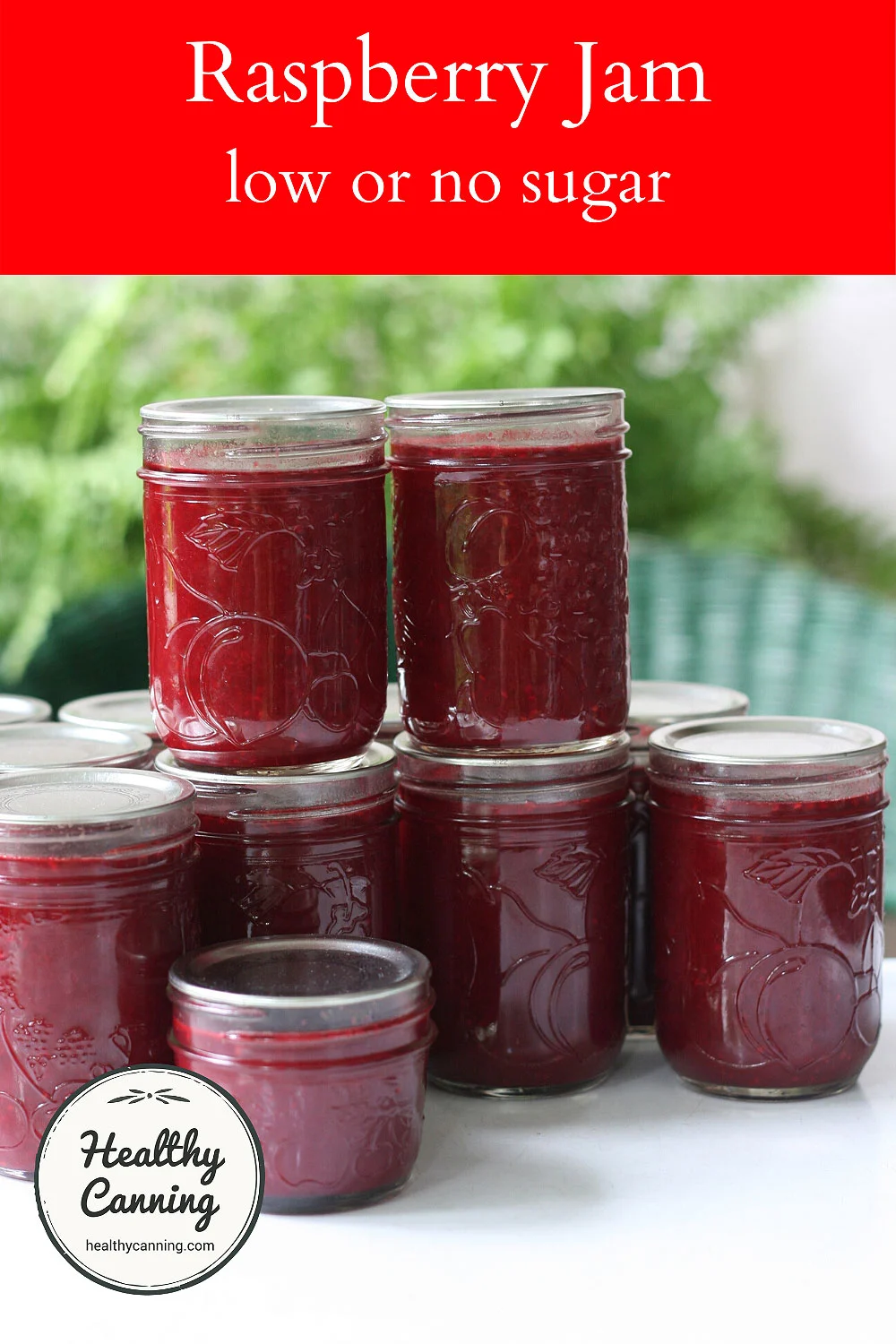
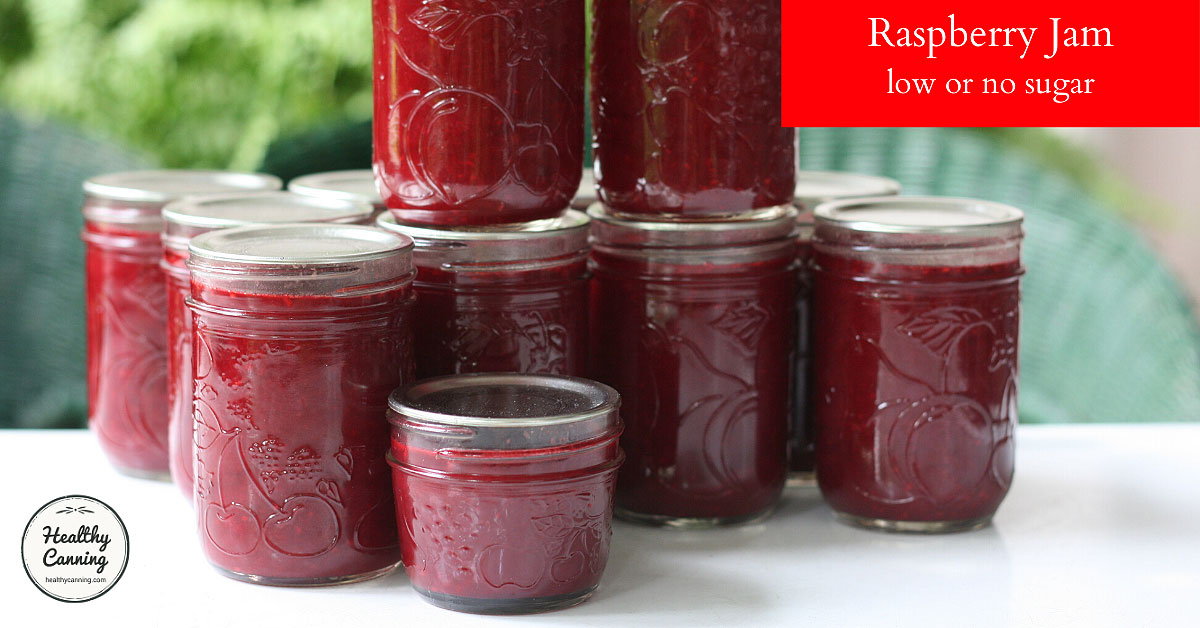
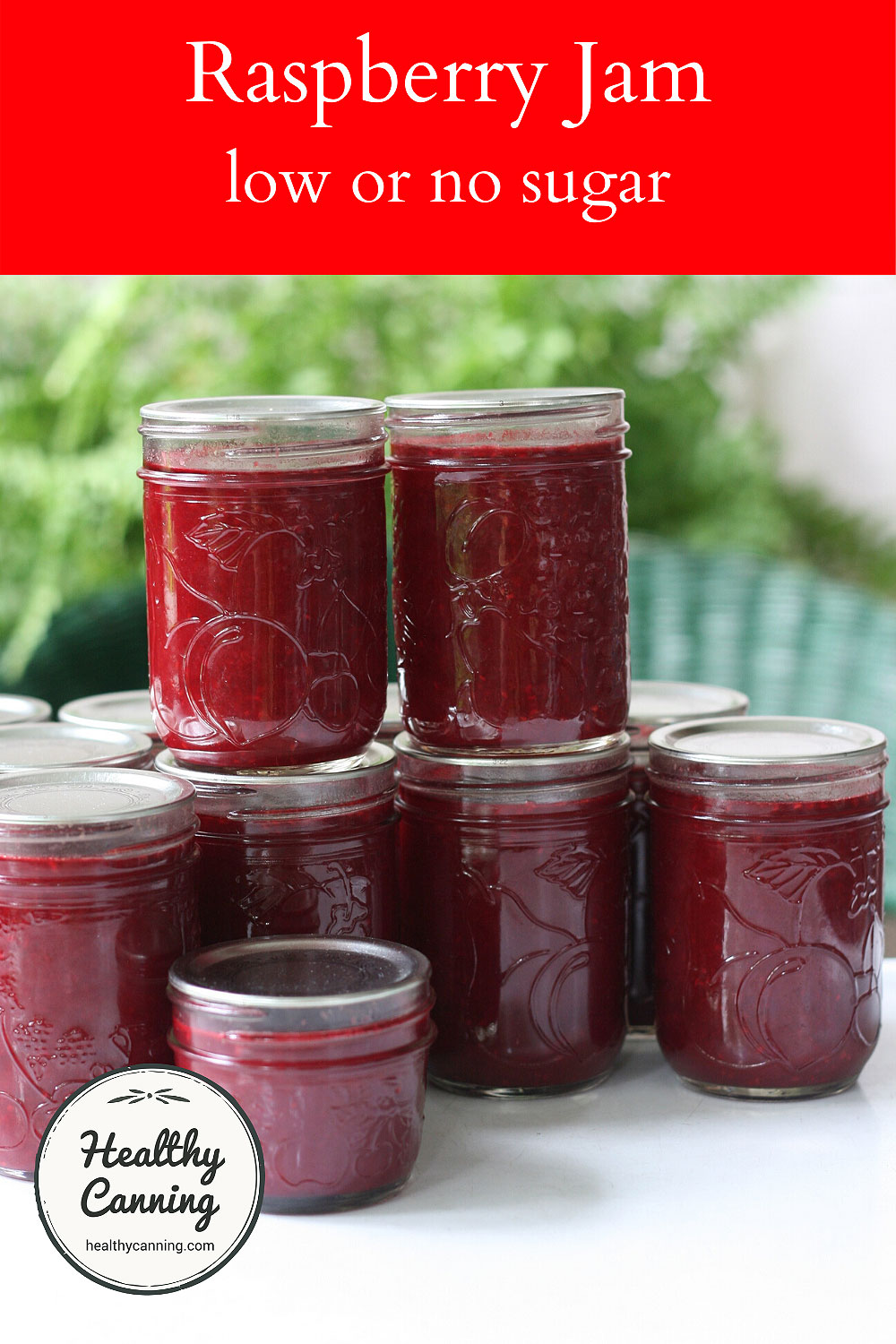
The production of raspberry jam using Pomona’s Pectin is categorized as a high-acid canning process, suitable for both boiling water bath and atmospheric steam canning methods. This specific recipe is calibrated for a yield of four quarter-litre (250 ml / 8 oz) jars, though it remains scalable for larger production runs provided the ratios of fruit, pectin, and calcium water are maintained.
The process is designed to be inclusive of various fruit states, allowing for the use of either fresh, seasonal raspberries or frozen berries, which facilitates year-round production. Furthermore, the recipe addresses aesthetic and textural preferences by offering a seedless variation. In instances of a "glut" or surplus of fruit, straining the seeds provides a refined, jelly-like consistency, though the inclusion of seeds remains the standard for traditional jam textures.
Chronology of the Preservation Process
The manufacturing of home-canned raspberry jam follows a strict chronological sequence to ensure both enzymatic deactivation and the destruction of potential pathogens.
- Preparation of the Fruit Base: The process begins with the selection and cleaning of raspberries. If a seedless jam is desired, the fruit is heated slightly to break down the cellular structure before being passed through a fine-mesh sieve or food mill. This stage determines the final volume of the fruit pulp, which is critical for calculating the necessary pectin and calcium requirements.
- Preparation of Calcium Water: Unlike traditional pectin, Pomona’s Pectin requires a calcium solution to activate the gelling process. This is prepared by dissolving the calcium powder (provided with the pectin) in a specific volume of water. This solution can be stored in the refrigerator for extended periods, making it a staple for frequent canners.
- Sweetener Integration: The chosen sweetener—be it sugar, honey, or a sugar substitute—is mixed thoroughly with the pectin powder in a separate bowl. This step prevents the pectin from clumping when it is introduced to the hot fruit mixture.
- The Initial Boil: The fruit pulp and calcium water are combined in a large saucepan and brought to a full boil.
- Activation of the Gel: Once boiling, the sweetener-pectin mixture is added. The jam is stirred vigorously for one to two minutes while returning to a boil to ensure the pectin is fully dissolved and the calcium reaction is initiated.
- Jar Loading and Headspace Management: The hot jam is ladled into sterilized jars, leaving a precise headspace of 1 cm (1/4 inch). This gap is essential for the formation of a vacuum seal during the cooling process.
- Thermal Processing: The jars are processed in either a water bath or a steam canner for a duration of 10 minutes. This timing is strictly regulated for altitudes under 300 meters (1,000 feet); adjustments are mandatory for higher elevations to compensate for the lower boiling point of water.
Supporting Data and Nutritional Analysis
The shift toward low-sugar jam has significant implications for dietary management. Traditional jam recipes often require a 1:1 ratio of sugar to fruit by weight to achieve a set. In contrast, the Pomona Pectin method allows for a dramatic reduction in caloric density.
According to nutritional data for this specific raspberry jam recipe, a single tablespoon serving using sugar as the primary sweetener contains approximately 21 calories and 5 grams of carbohydrates. When substituted with a granulated sucralose-based sweetener like Splenda, the caloric content drops to approximately 10 calories per tablespoon, with carbohydrates reduced to 2 grams.
The nutritional profile of the jam also retains the inherent benefits of the raspberries. Raspberries are rich in Vitamin C, manganese, and dietary fiber. Even after the thermal processing required for canning, the jam serves as a source of antioxidants, including quercetin and ellagic acid, which are noted for their anti-inflammatory properties.
| Component | Per 1 Tablespoon (Sugar) | Per 1 Tablespoon (Splenda) |
|---|---|---|
| Calories | 21 kcal | 10 kcal |
| Carbohydrates | 5 g | 2 g |
| Fiber | 1 g | 1 g |
| Sugar | 4 g | <1 g |
| Vitamin C | 4 mg | 4 mg |
Scientific Context: The Role of Low-Methoxyl Pectin
To understand the significance of this recipe, one must examine the biochemistry of pectin. Traditional pectins (High Methoxyl or HM) require a sugar concentration of 55% to 85% and a pH between 2.8 and 3.5 to form a gel. This necessitates the use of massive quantities of sugar, which acts as a dehydrating agent to the pectin molecules, allowing them to join and form a network.
Low-methoxyl (LM) pectin, such as Pomona’s, is chemically modified so that it does not require sugar to gel. Instead, it relies on the presence of divalent cations—specifically calcium—to create "cross-links" between the pectin chains. This "egg-box model" of gelation allows for the creation of jams that are thickened even in the total absence of sugar. This is a critical development for individuals with diabetes or those adhering to low-calorie diets.
Official Responses and Safety Standards
The safety of home-canned goods is overseen by various agricultural and health organizations, including the United States Department of Agriculture (USDA) and the National Center for Home Food Preservation (NCHFP). These organizations emphasize the importance of validated recipes to prevent the growth of Clostridium botulinum, the bacterium responsible for botulism.
Experts in the field of Master Food Preservation note that while raspberries are naturally high-acid fruits (with a pH typically between 3.2 and 3.6), the processing time and headspace must be strictly followed. The 10-minute processing time is the standardized duration required to exhaust air from the jars and ensure that any molds or yeasts present on the fruit are destroyed.
The Pomona Pectin company, the source of the original technical data for this recipe, has refined these proportions over decades. Their modifications to traditional recipes—such as the optional removal of seeds and the addition of citric acid or ascorbic acid for color retention—reflect an evolution in consumer preferences toward both safety and culinary quality.
Broader Impact and Implications
The availability of low-sugar raspberry jam recipes has broader implications for food security and the reduction of food waste. Raspberries are a highly perishable crop with a shelf life often measured in days. By utilizing home canning techniques, consumers can preserve the "glut" of the harvest, effectively extending the utility of the fruit for 12 to 18 months.
Furthermore, the economic impact of home preservation is noteworthy. While the initial investment in canning equipment (jars, lifters, and canners) is required, the per-unit cost of home-canned jam is often significantly lower than that of premium, store-bought organic or low-sugar preserves. This is particularly true for raspberries, which are among the most expensive fruits to purchase at retail.
The rise of "Healthy Canning" as a movement also reflects a growing public distrust of ultra-processed foods. Home-canned raspberry jam allows the consumer total control over the ingredient list, eliminating the need for high-fructose corn syrup, artificial dyes, or industrial preservatives.
Conclusion and Future Outlook
As health consciousness continues to influence consumer behavior, the demand for recipes that bridge the gap between traditional craft and modern nutritional science is expected to grow. The raspberry jam recipe utilizing Pomona’s Pectin stands as a benchmark for this trend. It combines the rigorous safety standards of thermal processing with the flexibility required for modern diets.
For the home canner, the success of this jam relies on the intersection of chemistry and culinary precision. Whether utilizing fresh berries from a backyard garden or frozen stocks from a commercial supplier, the ability to produce a shelf-stable, low-sugar product ensures that the vibrant flavor and nutritional benefits of raspberries can be enjoyed long after the growing season has concluded. The ongoing support from Master Food Preserver groups and the continuous refinement of pectin technology suggest that home canning will remain a vital and evolving component of the domestic food landscape.