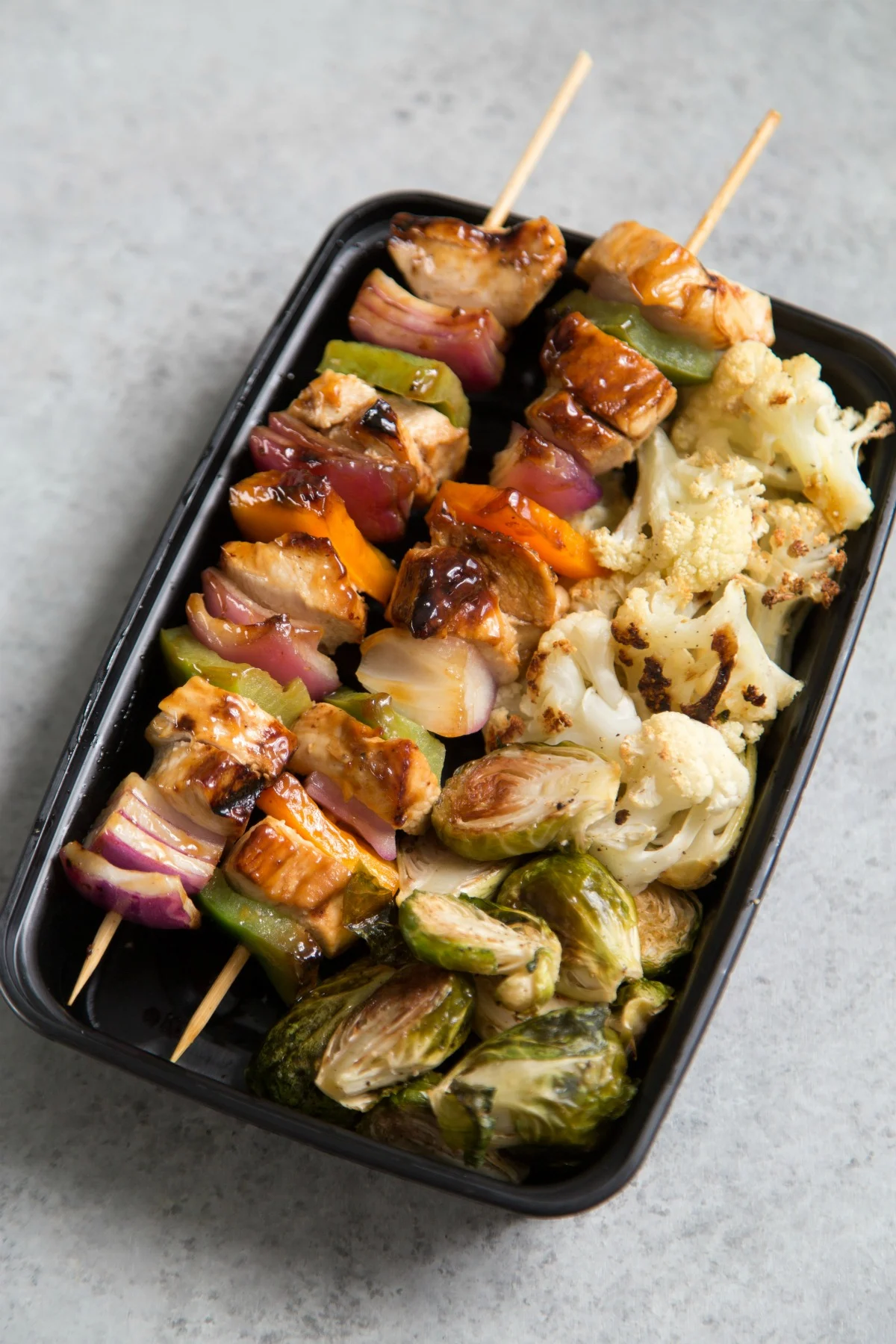

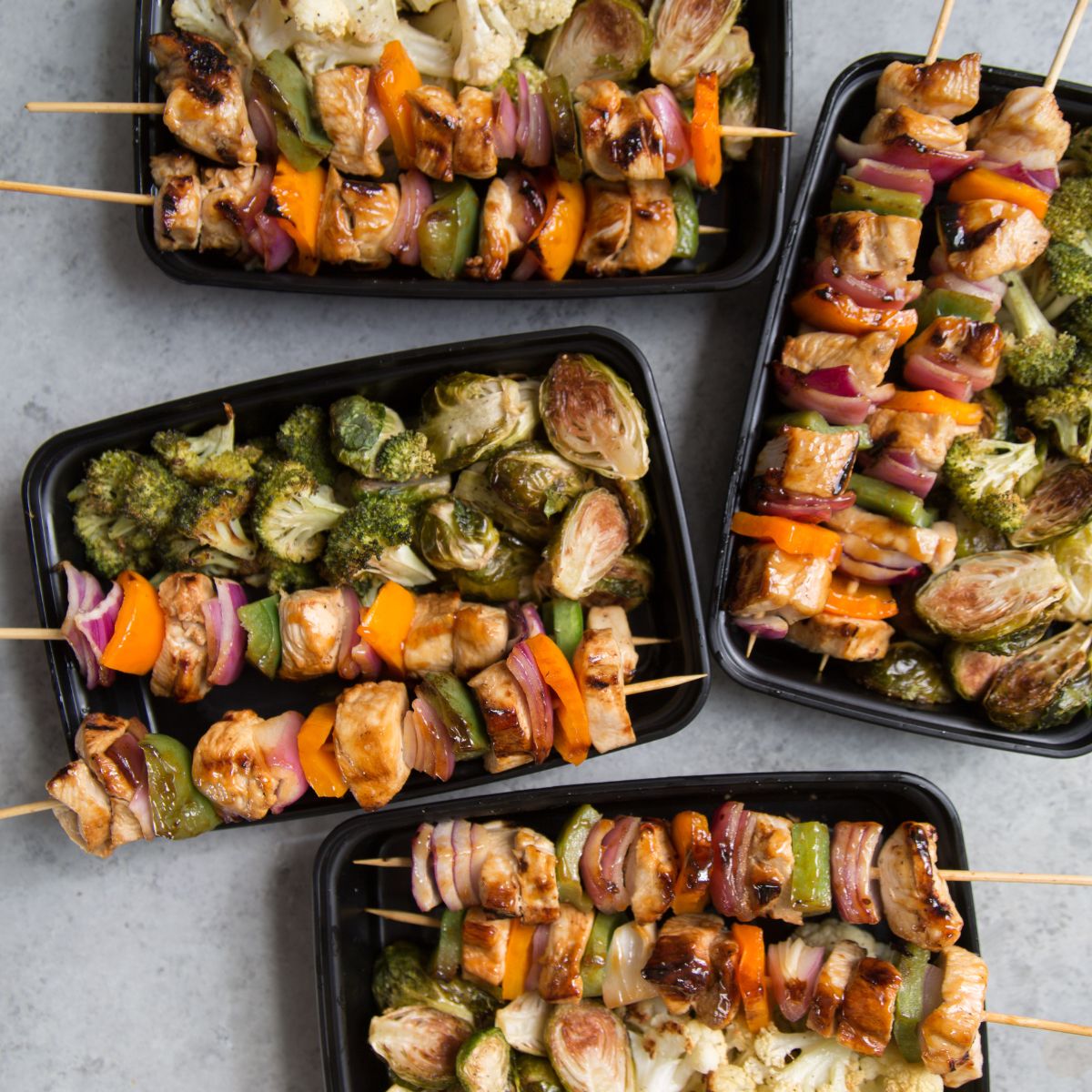
The Hawaiian Chicken Teriyaki Skewer Meal Prep presents a compelling solution for individuals seeking nutritious and delicious make-ahead meals. This recipe, characterized by its sweet and savory flavor profile, high protein content, and ease of preparation, is designed to simplify weekday dining. By combining tender chicken teriyaki skewers with complementary sides such as rice, pineapple, and vegetables, this meal prep option promises a balanced lunch that maintains its appeal even after several days of refrigeration.
The appeal of this meal prep extends beyond its convenience; it offers a refreshing departure from the often monotonous chicken and rice combinations that dominate many meal preparation plans. The fusion of succulent teriyaki-glazed chicken with the natural sweetness of pineapple and the vibrant crunch of assorted vegetables creates a culinary experience that feels both wholesome and exciting. This recipe is particularly well-suited for individuals aiming to incorporate more high-protein meals into their weekly routines or those searching for lunch meal prep ideas that remain palatable and enjoyable throughout the week.
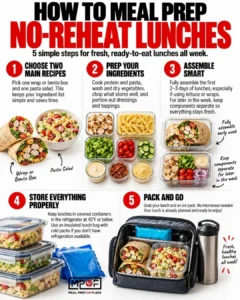
The Strategic Advantage of Meal Prepping
Meal prepping has emerged as a critical strategy for managing busy lifestyles, particularly for professionals, students, and families juggling multiple responsibilities. The ability to prepare meals in advance not only saves valuable time during the week but also provides greater control over dietary intake, potentially leading to improved health outcomes and reduced food waste. The Hawaiian Chicken Teriyaki Skewer Meal Prep exemplifies this trend by offering a recipe that is not only delicious but also highly adaptable to various dietary needs and preferences, making it a practical choice for modern consumers.
Nutritional Benefits and Dietary Considerations
The nutritional profile of the Hawaiian Chicken Teriyaki Skewer Meal Prep is a significant draw. With a focus on lean protein from chicken, complemented by the natural sugars and vitamins from pineapple and vegetables, the meal offers a balanced macronutrient distribution. For those adhering to specific dietary plans, the recipe can be easily adapted. For instance, the inclusion of ingredients like soy sauce, honey, and rice vinegar in the teriyaki sauce suggests a potential for modification to align with paleo or gluten-free lifestyles. The original recipe’s emphasis on using ingredients like coconut aminos or tamari instead of traditional soy sauce and opting for natural sweeteners further underscores its adaptability. For example, substituting traditional wheat-based soy sauce with tamari or coconut aminos can render the dish gluten-free, while replacing honey with maple syrup or dates can cater to paleo dietary guidelines. This flexibility allows a broader audience to enjoy the benefits of this meal prep.
A Deeper Dive into the Preparation Process
The creation of Hawaiian Chicken Teriyaki Skewers involves several key steps, each contributing to the final dish’s flavor and texture.
Soaking the Skewers
A foundational step for those using wooden skewers is to ensure they are properly soaked. This process, typically requiring at least 20 to 30 minutes in water, is crucial for preventing the skewers from burning during the cooking process, especially when grilling. Metal skewers offer an alternative, providing enhanced durability and ease of use for frequent meal preppers.
Crafting the Teriyaki Sauce
The heart of the teriyaki flavor lies in its sauce. The preparation involves combining essential ingredients such as soy sauce (or a gluten-free alternative like tamari or coconut aminos), pineapple juice, honey (or a paleo-friendly sweetener), rice vinegar, sesame oil, minced garlic, and grated ginger. This mixture is brought to a gentle simmer, and a cornstarch slurry is incorporated to achieve the characteristic glossy, slightly thickened consistency. Allowing the sauce to cool slightly before application ensures better adherence to the chicken.
Preparing the Chicken and Vegetables
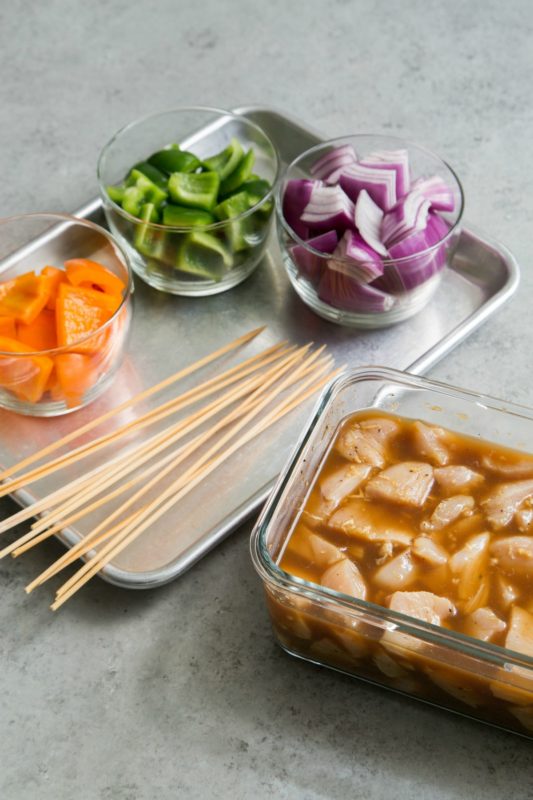
Evenly cut chicken pieces are essential for uniform cooking. Marinating the chicken with olive oil, salt, pepper, and a portion of the prepared teriyaki sauce allows the flavors to penetrate the meat. Simultaneously, pineapple chunks, bell peppers, and red onion are prepared for assembly. The choice of vegetables can be expanded to include broccoli florets, zucchini, or cherry tomatoes, offering a broader spectrum of nutrients and visual appeal.
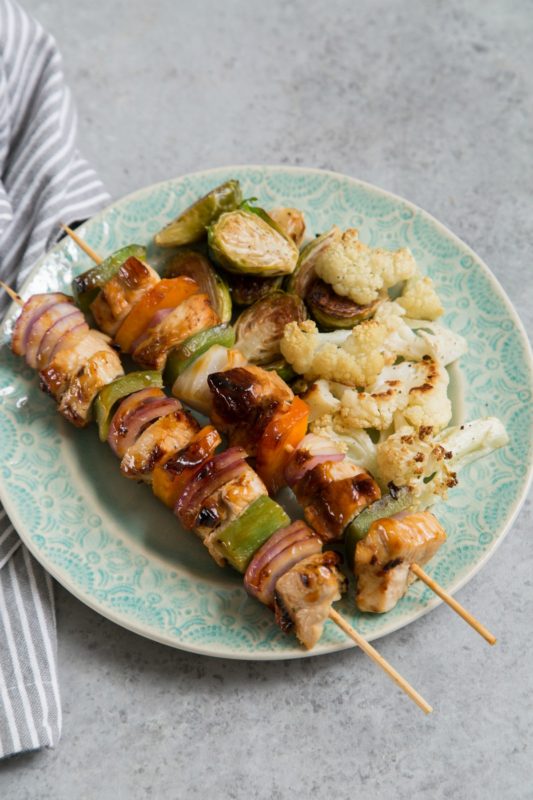
Assembling the Skewers
The assembly phase involves threading the marinated chicken and prepared vegetables onto the skewers, alternating ingredients to create a visually appealing and structurally sound skewer. It is advisable to avoid over-packing the skewers, as this can impede heat circulation and result in uneven cooking. Leaving a small space between ingredients allows for better caramelization and a more desirable texture.
The Cooking Spectrum: Grilling, Baking, and Pan-Searing
The recipe offers multiple cooking methods to accommodate various kitchen setups and preferences.
- Grilling: Preheating the grill to medium-high heat and cooking the skewers for 10 to 12 minutes, with regular turning, ensures the chicken reaches an internal temperature of 165°F (74°C). This method imparts a desirable smoky flavor.
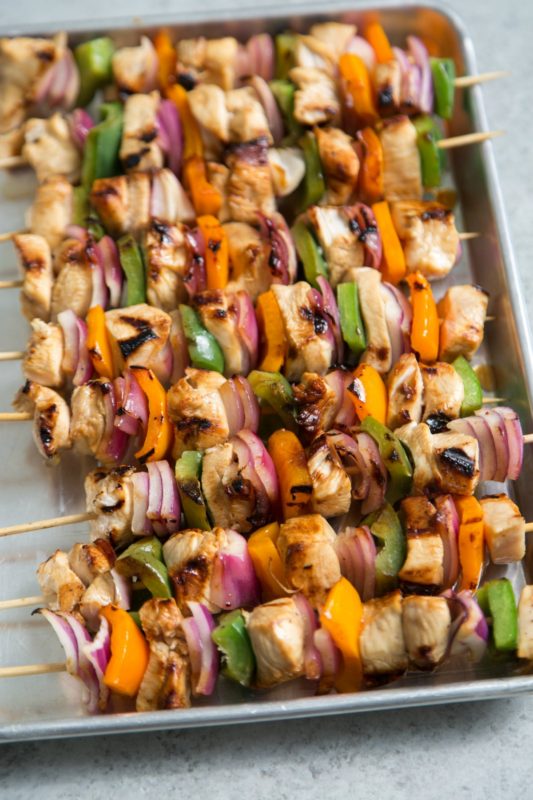
- Oven Method: For a more hands-off approach, preheating the oven to 425°F (220°C) and baking the skewers on a lined baking sheet for 18 to 22 minutes, with a mid-way flip, provides consistent results. This is particularly advantageous for batch cooking.
- Grill Pan Method: Utilizing a grill pan over medium-high heat offers an indoor grilling experience. Cooking for 10 to 12 minutes, with frequent turning, achieves similar results to outdoor grilling.
During the final minutes of cooking, brushing the skewers with additional teriyaki sauce intensifies the glaze and flavor.
Portioning for the Week Ahead
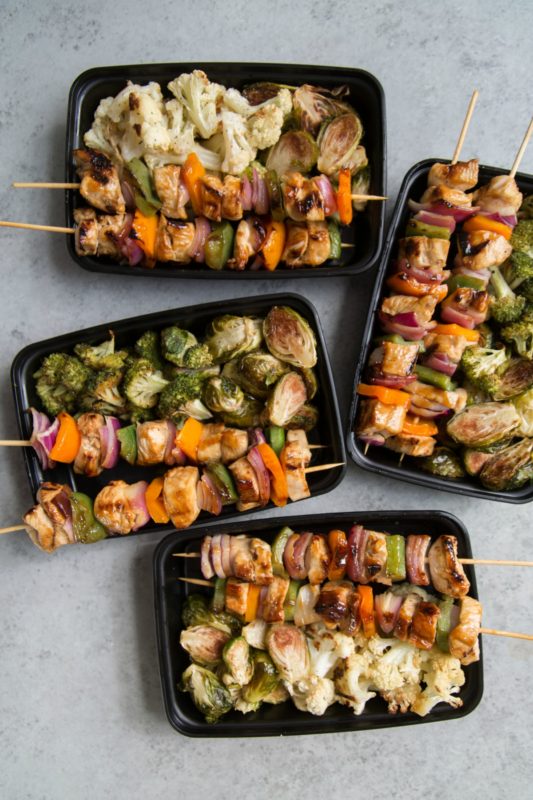
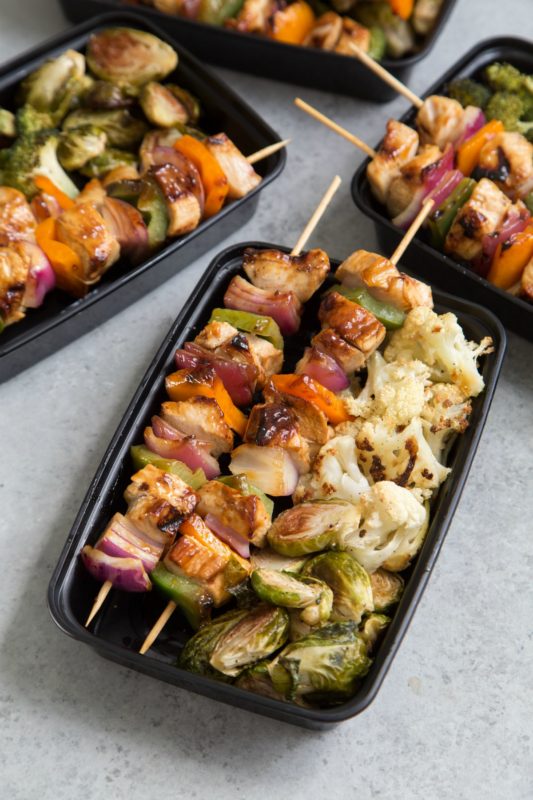
Once cooked, the skewers are ready to be portioned into meal prep containers. A typical setup includes a base of cooked rice (such as jasmine or brown rice), steamed vegetables like broccoli or snap peas, and the star of the meal – the chicken teriyaki skewers. Garnishing with sesame seeds and sliced green onions adds a final touch of flavor and aesthetic appeal.
Storage and Reheating Strategies
Effective storage and reheating are paramount to maintaining the quality of meal-prepped dishes.
Refrigeration
After cooling completely, the Hawaiian Chicken Teriyaki Skewers, along with their accompaniments, should be stored in airtight containers in the refrigerator. This meal prep is generally best consumed within four days. To preserve the texture of the chicken and prevent the rice from becoming overly soft, it is recommended to store any extra teriyaki sauce separately and add it after reheating.
Freezing Considerations
The recipe is amenable to freezing, though certain components may experience textural changes. Cooked chicken teriyaki can be frozen for up to two months. Rice also freezes well, allowing for convenient freezer-ready portions. However, the texture of pineapple and bell peppers may soften upon thawing. While the flavor will likely remain intact, the crispness will be diminished. Freezing the chicken and vegetables separately from fresh pineapple can help mitigate this issue.
Optimal Reheating Techniques
The best method for reheating depends on available resources and desired texture.
- Microwave Method: For a quick reheat, place the components on a microwave-safe plate and heat for 1.5 to 2 minutes, stirring or flipping halfway through. Adding extra teriyaki sauce post-reheating is advisable.
- Oven Method: Warming the skewers on a baking sheet at 350°F (175°C) for 8 to 10 minutes offers a way to maintain the chicken’s texture and prevent it from becoming steamed.
- Skillet Method: For those with a few extra minutes, warming the chicken in a skillet over medium heat with a splash of water or teriyaki sauce can revive the glaze and impart a desirable texture. This method is often considered the most effective for restoring the dish’s original appeal.
Broader Implications for Healthy Eating and Lifestyle Management
The success of recipes like the Hawaiian Chicken Teriyaki Skewer Meal Prep highlights a growing consumer demand for convenient, healthy, and flavorful food options. As busy schedules continue to be a prevalent factor in modern life, meal prep solutions that are both practical and enjoyable are becoming increasingly valuable. These types of recipes not only contribute to individual well-being by facilitating healthier eating habits but also play a role in reducing stress associated with daily meal planning and preparation. The ability to consistently access nutritious meals can have a ripple effect on energy levels, productivity, and overall quality of life.
Furthermore, the adaptability of such recipes to various dietary needs, such as paleo or gluten-free, demonstrates a broader trend towards personalized nutrition. Consumers are actively seeking out meals that cater to their specific health requirements without compromising on taste or convenience. This inclusivity broadens the appeal of meal prepping and makes healthy eating more accessible to a diverse population. The underlying principle is that healthy eating should not be perceived as a chore or a sacrifice, but rather as an integrated and enjoyable part of a balanced lifestyle.
The data on meal prepping suggests a significant market presence and growth. Reports indicate that a substantial percentage of consumers engage in meal prepping weekly, driven by factors such as cost savings, health consciousness, and time management. The market for prepared meals and meal kits continues to expand, underscoring the need for accessible and well-articulated recipes that can be easily replicated at home. The Hawaiian Chicken Teriyaki Skewer Meal Prep fits perfectly into this landscape, offering a well-rounded and appealing option for the modern consumer.
Conclusion
The Hawaiian Chicken Teriyaki Skewer Meal Prep is more than just a recipe; it represents a practical and flavorful strategy for navigating the challenges of busy weeknights. Its combination of appealing taste, nutritional value, and ease of preparation makes it an ideal candidate for anyone looking to streamline their meal routine without sacrificing quality or enjoyment. By embracing such well-designed meal prep solutions, individuals can empower themselves to make healthier choices consistently, leading to a more balanced and less stressful lifestyle. The continued evolution of meal preparation strategies, driven by innovative recipes like this one, promises to make healthy eating more accessible and enjoyable for everyone.