The universal human desire to live longer and healthier has never been more pronounced than in the 21st century. With advancements in medicine and public health, global life expectancy has steadily climbed, yet alongside this progress, a burgeoning industry of health optimization and longevity promises has emerged, often presenting a bewildering array of strategies to not just extend life, but to "optimize" every facet of well-being. This landscape, rich with claims of reversing chronic disease, maintaining youthful vitality, and even achieving unprecedented lifespans, compels individuals to critically evaluate the necessity, efficacy, and true cost of these advanced protocols.
The Enduring Human Pursuit of Longevity
The aspiration for a longer, healthier life is deeply embedded in human history. From ancient myths of elixirs of immortality to the alchemists’ search for the philosopher’s stone, the drive to defy mortality has been a constant. Historically, life expectancy was dramatically shorter due to infectious diseases, poor sanitation, and nutritional deficiencies. The advent of modern medicine in the 19th and 20th centuries, marked by discoveries like antibiotics, vaccines, and improved hygiene, ushered in an era of significant gains. According to the World Health Organization (WHO), global average life expectancy at birth increased from 46.5 years in 1950-1955 to 72.8 years in 2019, a testament to collective public health efforts and medical innovation.
However, as communicable diseases have largely been brought under control in many parts of the world, the focus has shifted towards chronic, non-communicable diseases (NCDs) such as heart disease, diabetes, cancer, and neurodegenerative conditions. These NCDs now represent the leading causes of death globally, accounting for an estimated 74% of all deaths, according to the WHO. This shift has fueled a new urgency in the pursuit of preventative and longevity-focused health strategies, moving beyond merely extending life to enhancing its quality and vitality.
The Ascent of the "Optimization" Movement and Influencer Culture
In recent years, the concept of "health optimization" has moved from niche scientific discussions into the mainstream, largely propelled by social media, wellness influencers, and direct-to-consumer health technologies. The promise is alluring: not just to avoid illness, but to elevate physical and cognitive function to peak levels, potentially extending one’s "healthspan" – the period of life spent in good health – and even pushing the boundaries of biological aging.
This movement encompasses a wide spectrum of practices, from evidence-based nutritional guidelines and exercise regimes to more experimental and sometimes controversial "biohacking" techniques. These might include hyper-personalized diets based on genetic testing, advanced supplement stacks, wearable biometric trackers providing real-time data, cryotherapy, infrared saunas, nootropics for cognitive enhancement, and even emerging therapies like NAD+ boosters or senolytics.
Fitness influencers, authors, and podcasters have become prominent voices in this space, often sharing their personal journeys and promoting "ultra-specific, advanced protocols" that they claim are essential for achieving optimal health and extreme longevity. They frequently present these methods as revolutionary, capable of reversing chronic disease, extending youthful appearance, and even reaching ages like 115 or beyond. The narrative often emphasizes pushing limits, seeking marginal gains, and achieving a state of health that goes beyond mere absence of disease.
Scrutinizing the Claims: Expert Perspectives and Scientific Consensus
While the enthusiasm for health optimization is understandable, a critical examination of these widespread claims is paramount. Medical professionals and public health organizations often express caution regarding the efficacy and necessity of many advanced protocols, particularly those lacking robust, peer-reviewed scientific evidence.
Leading institutions like the American Medical Association, the National Institutes of Health, and reputable nutrition and exercise science bodies generally advocate for foundational, evidence-based health practices. These core tenets include:
- Balanced Nutrition: Emphasizing whole, unprocessed foods, ample fruits and vegetables, lean proteins, and healthy fats, while limiting processed sugars, unhealthy fats, and excessive sodium. The Mediterranean diet, for example, is consistently lauded for its benefits in reducing cardiovascular disease risk and promoting longevity.
- Regular Physical Activity: A combination of aerobic exercise, strength training, and flexibility work, tailored to individual capabilities. The U.S. Department of Health and Human Services recommends at least 150 minutes of moderate-intensity aerobic activity or 75 minutes of vigorous-intensity aerobic activity per week, plus muscle-strengthening activities on 2 or more days a week.
- Adequate Sleep: Consistent, high-quality sleep (7-9 hours for most adults) is crucial for cellular repair, hormone regulation, cognitive function, and immune health. Chronic sleep deprivation is linked to an increased risk of obesity, diabetes, cardiovascular disease, and impaired cognitive function.
- Stress Management: Chronic stress elevates cortisol levels, contributing to inflammation, metabolic dysfunction, and mental health issues. Practices like mindfulness, meditation, yoga, and spending time in nature are increasingly recognized for their positive impact on healthspan.
- Strong Social Connections: Research consistently shows that robust social networks and community engagement are protective factors against chronic disease and contribute significantly to mental well-being and longevity.
- Avoidance of Harmful Substances: Limiting alcohol intake and abstaining from tobacco products are among the most impactful steps an individual can take for long-term health.
Dr. David Katz, a prominent physician and public health specialist, has frequently articulated that the vast majority of health and longevity benefits come from adhering to these fundamental lifestyle principles. He and others in the medical community often highlight that the "last mile" of optimization, involving highly specialized and costly interventions, often yields diminishing returns, or in some cases, provides no proven benefit beyond what basic healthy living offers. The allure of a "magic bullet" or a complex protocol can distract individuals from the powerful, yet often perceived as mundane, impact of consistent foundational habits.
The True Cost of "Optimal" Health: Beyond the Price Tag
The pursuit of "optimal" health, as defined by many influencers and commercial entities, often comes with significant trade-offs that extend far beyond monetary expense.
1. Financial Investment:
The financial cost of engaging in advanced health optimization protocols can be substantial. This includes:

- Supplements: Specialized vitamins, minerals, adaptogens, nootropics, and anti-aging compounds can cost hundreds to thousands of dollars annually, with many lacking FDA regulation or robust efficacy data. The global dietary supplements market size was valued at USD 164.0 billion in 2022 and is projected to grow, indicating significant consumer spending.
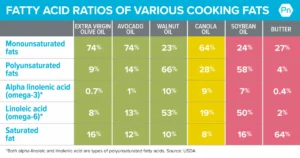
- Specialized Diets and Food Products: Organic, grass-fed, wild-caught, and niche dietary staples (e.g., specific types of olive oil, exotic superfoods) often command premium prices.
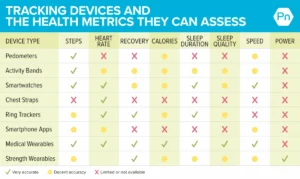
- High-Tech Gadgets: Wearable trackers, continuous glucose monitors, smart scales, advanced air/water purifiers, red light therapy devices, and other biohacking tools can represent significant upfront and ongoing investments.
- Testing and Consultations: Comprehensive blood panels, genetic testing, gut microbiome analysis, hormone panels, and consultations with specialized coaches or practitioners can run into thousands of dollars.
- Treatments and Therapies: Cryotherapy, hyperbaric oxygen therapy, IV vitamin drips, and other wellness treatments can be costly and are often not covered by insurance.
For many, these expenses are prohibitive, creating an inequitable landscape where only the affluent can pursue these "optimal" pathways.
2. Time Commitment:
Achieving and maintaining "optimal" health as promoted by some advocates often demands an extraordinary investment of time:
- Rigorous Routines: Extensive workout schedules, elaborate meal preparation, precise timing for supplement intake, and dedicated time for recovery protocols.
- Data Tracking and Analysis: Meticulously monitoring sleep metrics, heart rate variability, glucose levels, and other biomarkers, followed by time spent analyzing and adjusting protocols.
- Research and Learning: Staying abreast of the latest trends, research, and product releases in the rapidly evolving wellness space.
This level of commitment can be unsustainable for individuals with demanding jobs, family responsibilities, or limited leisure time, leading to burnout and frustration.
3. Psychological and Social Toll:
Perhaps the most overlooked cost is the potential psychological and social impact:
- Orthorexia and Obsession: The relentless pursuit of a "perfect" diet or health routine can devolve into orthorexia nervosa, an unhealthy obsession with eating "healthy" food, leading to anxiety, guilt, and distress over perceived dietary transgressions.
- Anxiety and Stress: Constant monitoring of biomarkers, fear of "sub-optimal" performance, and the pressure to adhere perfectly to complex protocols can ironically increase stress levels, undermining the very goal of health.
- Social Isolation: Strict dietary restrictions or rigid routines can make social interactions, such as dining out with friends or family, challenging and isolating. The pursuit of individual "optimization" can sometimes come at the expense of communal well-being.
- Perfectionism and Dissatisfaction: The constant striving for an elusive "optimal" state can foster a sense of inadequacy and dissatisfaction, as perfection is rarely attainable or sustainable.
The question then becomes: Are the marginal benefits of these advanced, costly, and time-consuming methods truly worth the trade-offs, especially when compared to the profound benefits derived from consistent, foundational health practices?
Towards Sustainable Longevity: A Balanced and Enjoyable Approach
The original article, published by Precision Nutrition, an organization renowned for its evidence-based approach to coaching, implicitly critiques the extreme end of the optimization spectrum by posing the critical question: "Are the benefits worth the trade-offs?" Their approach, which advocates for "sustainable nutrition and lifestyle habits," highlights a crucial distinction between extreme optimization and practical, enduring health.
Sustainable longevity is not about chasing every new biohack or adhering to an impossibly strict regimen. Instead, it is rooted in consistency, moderation, and the integration of healthy habits into a life that is genuinely enjoyed. This perspective recognizes that true health extends beyond physical metrics to encompass mental well-being, social connection, and a sense of purpose.
Key principles for sustainable longevity include:
- Focus on the Fundamentals: Prioritizing sleep, nutrition, exercise, and stress management, as these yield the vast majority of health benefits.
- Consistency Over Perfection: Adhering to healthy habits most of the time (e.g., the 80/20 rule) is far more effective in the long run than striving for unattainable perfection.
- Personalization, Not Dogma: Recognizing that what works for one person may not work for another. Health strategies should be tailored to individual needs, preferences, and circumstances, ideally with guidance from qualified professionals.
- Embrace Flexibility: Life is unpredictable. Sustainable health allows for flexibility and adaptation without derailing progress or inducing guilt.
- Prioritize Joy and Quality of Life: A long life devoid of joy, connection, and meaningful experiences misses the point. Health strategies should enhance, not detract from, overall life satisfaction.
Navigating the Information Landscape and Seeking Credible Guidance
In an era saturated with health information, discerning credible advice from marketing hype is a critical skill. Consumers are encouraged to:
- Question Extreme Claims: Be wary of promises that sound too good to be true, especially those advocating for rapid results or universal solutions.
- Look for Evidence: Seek out information supported by robust scientific research, ideally from multiple independent studies, not just anecdotal evidence or sponsored content.
- Consult Qualified Professionals: Registered dietitians, certified personal trainers, licensed physicians, and other credentialed health professionals can provide personalized, evidence-based guidance. Organizations like Precision Nutrition, through their certification programs, aim to equip coaches with the skills to help individuals build sustainable habits.
- Consider the Source: Evaluate the credentials, potential biases, and financial interests of those offering health advice.
Implications for Public Health and the Future of Wellness
The rise of the optimization movement presents both opportunities and challenges for public health. On one hand, it raises awareness about preventative health and empowers individuals to take a proactive role in their well-being. On the other, the proliferation of unverified claims and expensive, unproven interventions can lead to consumer exploitation, misallocation of resources, and potentially even harm.
The global wellness economy, valued at an estimated $5.6 trillion in 2022 by the Global Wellness Institute, continues to expand, reflecting a strong consumer demand for health-related products and services. Within this vast market, the distinction between genuinely beneficial innovations and fleeting trends or outright scams remains a critical challenge for regulators, healthcare providers, and consumers alike.
Moving forward, the emphasis must be on fostering a culture of health literacy, critical thinking, and a balanced approach to longevity. The ultimate goal should be to empower individuals to achieve the health and longevity they desire, not through burdensome and often ineffective extremes, but through sustainable, enjoyable habits that enrich their lives rather than diminishing them. The true cost of optimal health, when weighed against the benefits, is only justified when it aligns with an integrated approach that values well-being in its entirety, allowing for a life that is not just long and healthy, but also deeply fulfilling.