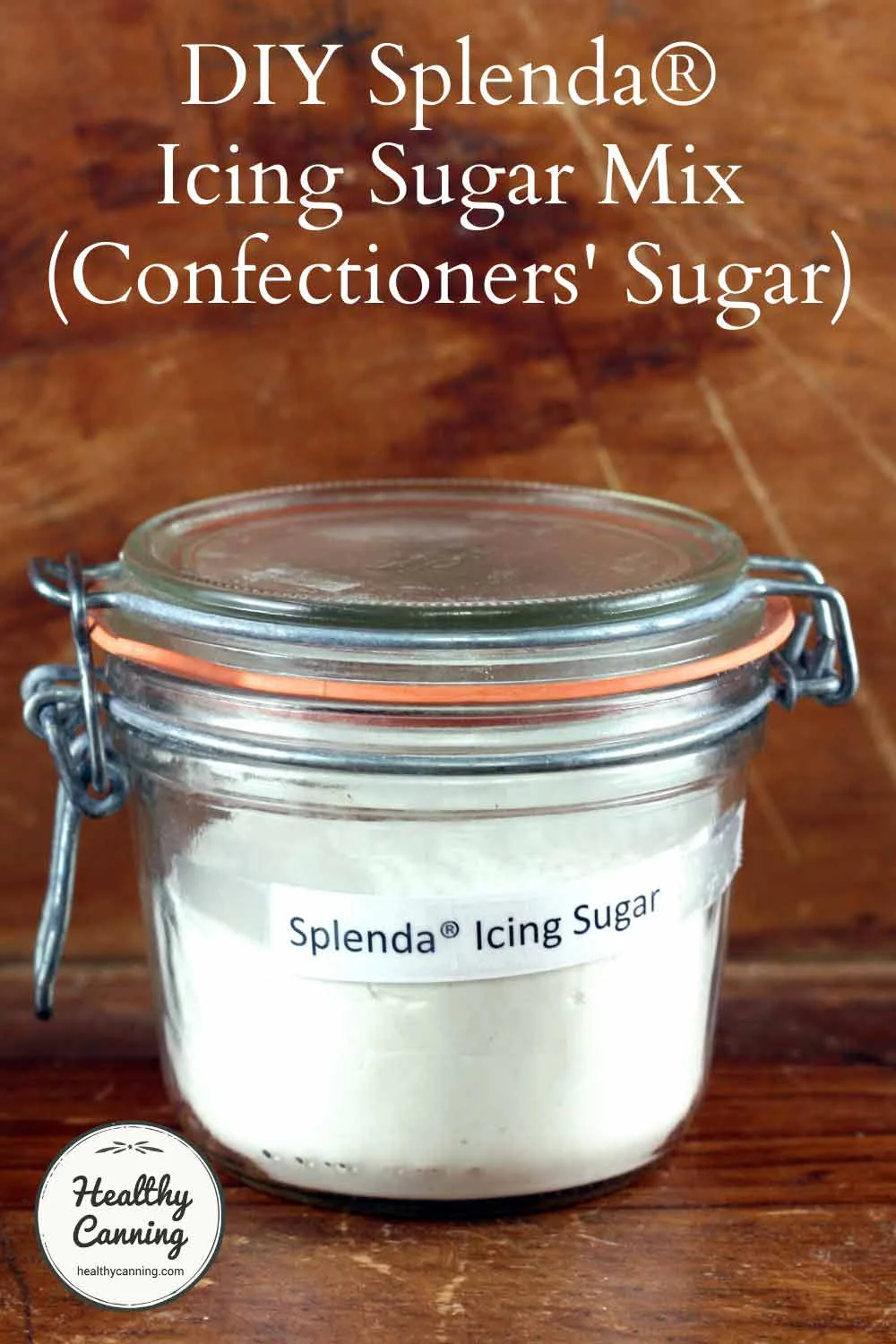

The Evolution of Sweeteners and the Demand for Functional Alternatives
The development of this DIY Splenda icing sugar mix reflects a broader historical trend in food science: the quest for non-nutritive sweeteners that can withstand the rigors of home processing. Sucralose, the primary ingredient in brand-name Splenda, was first discovered in 1976 through a collaborative research effort between scientists at Queen Elizabeth College and the British sugar refiner Tate & Lyle. Unlike other artificial sweeteners that break down under heat or lack the bulk of traditional sugar, sucralose has maintained a dominant position in the market due to its stability and its "one-to-one" measuring capacity when blended with bulking agents like maltodextrin.
In the contemporary health landscape, the "DIY" approach to specialized ingredients like icing sugar is driven by two main factors: accessibility and cost. Commercial sugar-free powdered sweeteners are often priced at a significant premium compared to their granular counterparts. By utilizing a standard blender and a few common pantry items, consumers can produce a functional equivalent that serves the same aesthetic and culinary purposes as store-bought varieties. This democratization of health-conscious baking ingredients ensures that those on restricted diets do not have to sacrifice the visual appeal or taste of their favorite desserts.
Technical Specifications and Recipe Methodology
The creation of a successful icing sugar substitute requires a focus on mechanical transformation. Traditional powdered sugar is achieved by milling granulated sugar into a fine dust and typically adding a small percentage of cornstarch (approximately 3%) to prevent clumping. In the DIY Splenda version, the goal is to achieve that same micronized texture.
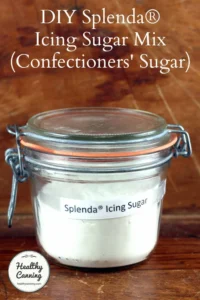
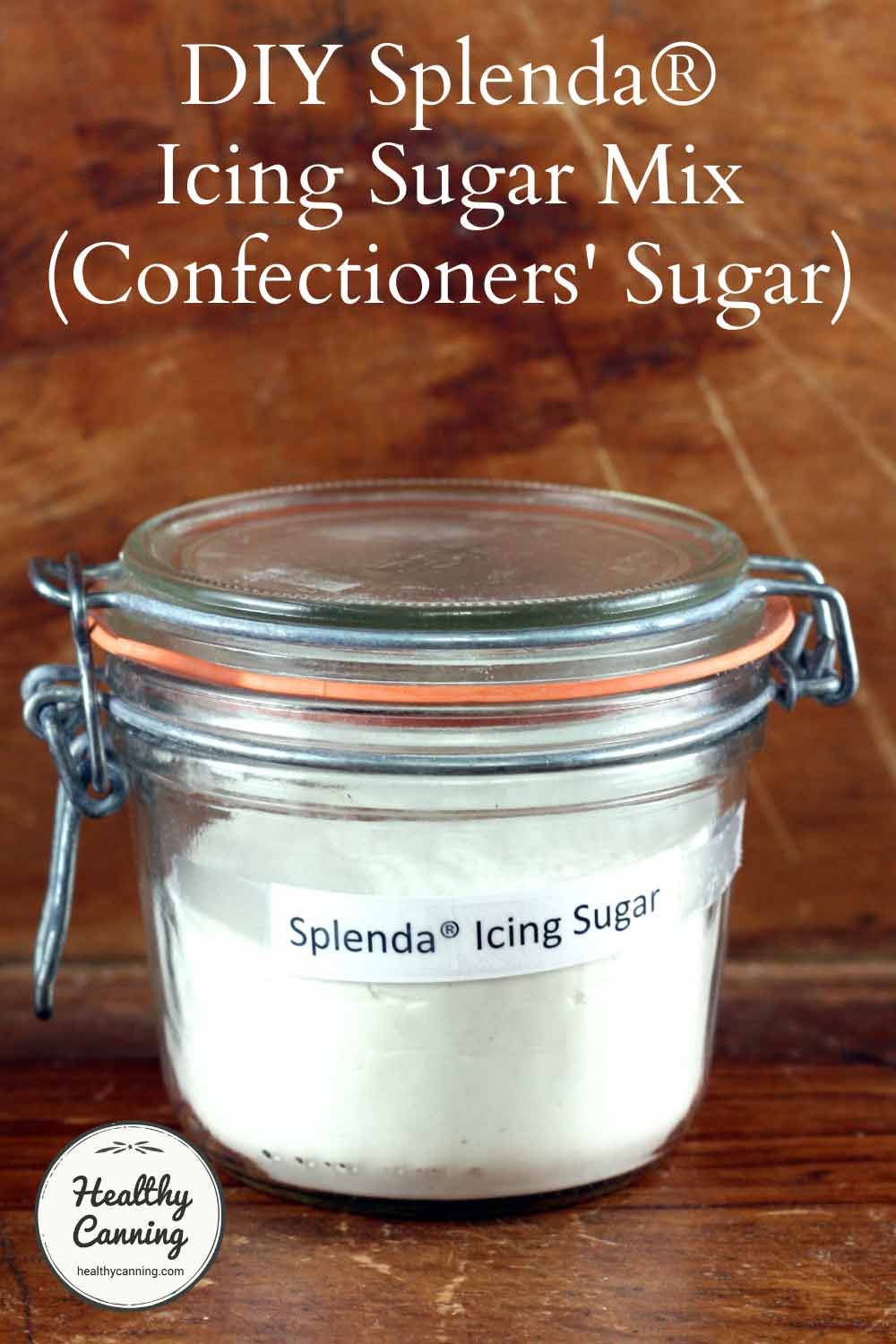
The basic yield for this preparation is approximately two cups (150 grams) of plain icing sugar mix, which provides enough material for four standard batches of icing. The process is remarkably straightforward but requires attention to the volume processed at any given time to ensure uniform texture.

Preparation of the Base Mix:
To achieve the best results, culinary experts recommend blending one to two cups (25 to 50 grams) of granular sucralose at a time. Using a high-speed blender or a clean coffee grinder, the granular sweetener is pulsed until it reaches a fine, flour-like consistency. While it may be tempting to process the entire batch at once, small-batch blending ensures that the blades can consistently reach all particles, preventing a "gritty" finish in the final icing. This base mix can be easily doubled or tripled and stored in an airtight container for future use.
Transitioning from Mix to Icing:
The resulting powder is optimized for creating glazes rather than thick, structural buttercream frostings. To transform the mix into a usable icing, the following components are integrated:
- The Base: One batch of the DIY Splenda powder.
- The Fat: A small amount of margarine or butter. For the lowest calorie count, "light" versions of spreads are recommended.
- The Liquid: Water or milk is added incrementally to achieve the desired viscosity.
- Flavoring: Vanilla extract, almond extract, or lemon juice can be added to customize the profile.
For those desiring a chocolate variation, the addition of one teaspoon of unsweetened cocoa powder during the mixing stage provides a rich flavor without significantly altering the nutritional profile.
Comparative Nutritional Analysis
The primary motivation for adopting a DIY Splenda icing sugar mix is the dramatic reduction in caloric density and glycemic impact. Standard icing sugar is nearly 100% sucrose, which contains approximately 4 calories per gram and has a high glycemic index (GI), causing rapid spikes in blood glucose levels.
In contrast, the nutritional data for the DIY Splenda mix reveals a significant advantage for weight management and diabetic control. A full preparation of the mix (two cups) contains approximately 124 calories, largely derived from the bulking agents used in granular sucralose. However, when subdivided into individual icing batches, the numbers become even more favorable:
- Low-Fat Preparation: When the icing is prepared using a low-fat margarine (such as "I Can’t Believe It’s Not Butter Light"), a single batch contains approximately 35 calories.
- Traditional Preparation: When prepared with standard butter, the count rises to 102 calories per batch.
Comparatively, a traditional icing recipe using real sugar and butter would easily exceed 300 to 400 calories for the same volume. Furthermore, because sucralose is not metabolized by the body for energy, it does not elicit the same insulin response as sucrose, making it a safer alternative for individuals managing insulin resistance or diabetes.
Culinary Physics: Glaze vs. Frosting
One of the most important distinctions for bakers to understand when using this DIY mix is the difference in structural integrity. Traditional powdered sugar provides "bulk" and "tack" because of the way sugar molecules bond with fats and liquids. Sucralose-based powders are much lighter and do not possess the same crystalline structure.
As a result, this mix is ideal for:
- Drizzling: Over bundt cakes, scones, or muffins.
- Glazing: Providing a thin, sweet coating for donuts or cookies.
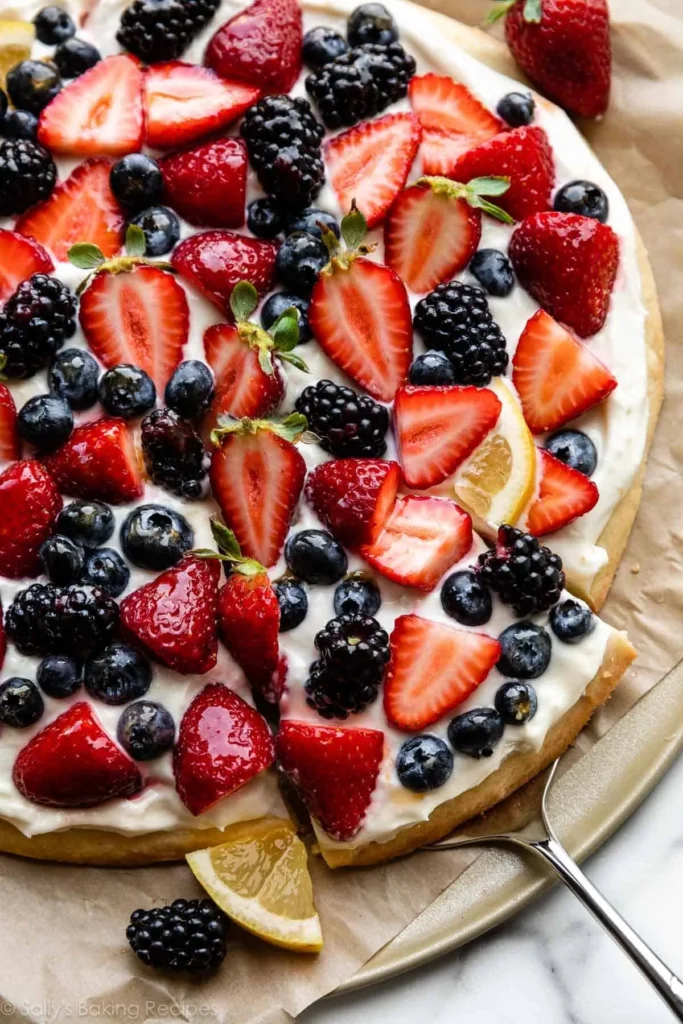
- Dusting: Adding a decorative finish to brownies or fruit tarts.
It is less effective for "piping" flowers or creating the thick layers of frosting found on traditional wedding cakes. Bakers should manage expectations regarding the "mouthfeel," as sugar-free glazes tend to be thinner and may dissolve more quickly when in contact with moist surfaces.
Broader Impact on Public Health and Consumer Behavior
The shift toward DIY sugar-free alternatives is part of a larger movement in public health toward "stealth health"—the practice of modifying recipes to be more nutritious without compromising the social or psychological enjoyment of eating. According to recent data from the International Food Information Council (IFIC), nearly 75% of consumers are trying to limit or avoid sugars in their diet.

The availability of home-made solutions like the Splenda icing sugar mix empowers consumers to take control of their nutritional intake. It also addresses the "affordability gap" in healthy eating. By purchasing a large bag of generic sucralose and processing it at home, a family can save up to 60% compared to the cost of pre-packaged sugar-free dessert toppings.
From a clinical perspective, registered dietitians often point to such substitutions as a "harm reduction" strategy. While the goal for many is to reduce overall sweetness in the diet, providing a pathway to enjoy traditional desserts in a modified format increases long-term adherence to healthy eating patterns. The psychological benefit of being able to participate in celebrations (such as eating a birthday cake with sugar-free icing) cannot be overstated for those living with chronic conditions.
Expert Insights and Market Trends
Industry analysts observe that the "home processing" trend is likely to expand. As blender technology becomes more advanced and affordable, the ability to turn granular substances into ultra-fine powders is now within reach of the average household. This has led to an increase in DIY recipes for everything from oat flour to powdered sugar substitutes.
Furthermore, the versatility of this method allows for experimentation with other sweeteners. While the current recipe focuses on Splenda (sucralose), the same mechanical principles apply to erythritol or powdered stevia blends. However, users are cautioned that different sweeteners have varying levels of "cooling effects" on the tongue and different sweetness intensities, necessitating minor adjustments to the ratios of liquid and fat.
Conclusion: The Future of Health-Conscious Confectionery
The DIY Splenda Icing Sugar Mix represents a intersection of culinary tradition and modern nutritional science. By understanding the mechanical requirements of the blending process and the nutritional benefits of sucralose, home bakers can create a product that is both functional and health-conscious. As we move further into a decade defined by personalized nutrition and the management of metabolic health, such "hacks" in the kitchen will remain vital tools for those seeking to enjoy the sweeter side of life without the bitter consequences of high sugar consumption. Whether for a diabetic-friendly brownie or a low-calorie lemon glaze, the ability to manufacture one’s own confectioner’s sugar substitute is a significant step toward a more inclusive and health-aware dessert culture.