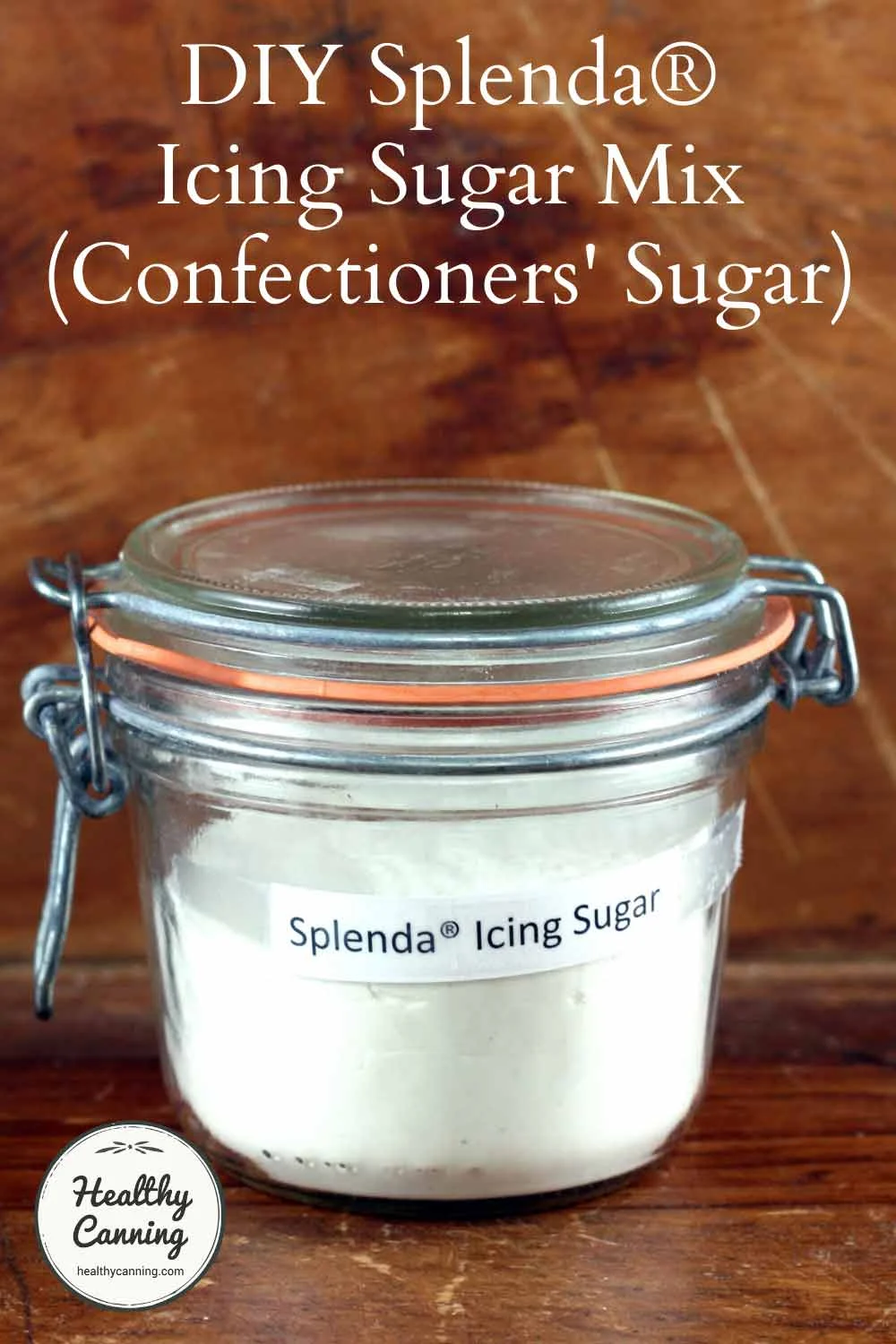

The domestic culinary landscape is undergoing a significant transformation as home bakers and health enthusiasts increasingly seek methods to reconcile the indulgence of traditional desserts with the rigorous requirements of low-glycemic and calorie-conscious diets. Central to this movement is the emergence of DIY Splenda icing sugar, a homemade alternative to traditional confectioner’s sugar that leverages the properties of sucralose to provide a powdery, sweet finish for cakes, brownies, and pastries. This development represents more than just a recipe adaptation; it signifies a broader shift toward food autonomy for individuals managing diabetes or weight-related health concerns. By micronizing granulated sucralose at home, consumers are effectively bypassing the high costs and additives often found in commercial sugar-free products, while maintaining the aesthetic and textural appeal of classic icings and glazes.
The Mechanics and Methodology of DIY Sucralose Processing
The process of creating a sugar-free icing sugar substitute relies on the mechanical reduction of particle size. Traditional icing sugar, also known as powdered or confectioner’s sugar, is produced by grinding granulated sucrose into a fine dust and typically adding a small percentage of cornstarch to prevent clumping. The DIY Splenda method mirrors this industrial process on a domestic scale. Using high-speed blending equipment, home cooks can transform the granular structure of Splenda—or generic sucralose—into the ultra-fine powder required for smooth glazes.
According to technical specifications provided by home preservation resources such as Healthy Canning, a yield of approximately 150 grams (two cups) of plain icing sugar can be achieved by processing granulated sucralose in small, controlled batches. Experts suggest that blending one to two cups at a time ensures the most consistent results, preventing the sweetener from settling or heating up excessively during the friction of the blending process. This homemade mix serves as a foundational ingredient for a variety of dessert finishes, though it is noted that the resulting product is better suited for glazes and thin icings rather than the structurally dense frostings typically associated with buttercream.
A Chronology of Alternative Sweeteners in the Domestic Kitchen
The journey toward DIY icing sugar began with the discovery of sucralose in 1976, a joint effort between scientists at Queen Elizabeth College and the British sugar refiner Tate & Lyle. Unlike saccharin or aspartame, sucralose offered a heat-stable profile that made it ideal for baking. Following its approval by the U.S. Food and Drug Administration (FDA) in 1998, the brand Splenda became a household name, eventually dominating the market as a one-to-one volume replacement for granulated sugar.

However, for years, a significant gap existed in the market for a powdered version of the sweetener. While commercial "Splenda Sugar Blend" products eventually emerged, they often contained a mix of sucralose and real sugar, making them unsuitable for strict diabetics. The "pure" powdered versions were often expensive and difficult to find in standard grocery stores. This scarcity led to a grassroots movement within the diabetic community and the "Healthy Canning" movement to develop reliable DIY methods. By 2021, the practice of blending granulated sucralose at home had become a standard technique for those looking to create sugar-free versions of traditional pantry staples.
Comparative Nutritional Analysis and Economic Impact
The nutritional implications of transitioning from traditional icing sugar to a sucralose-based DIY mix are profound. Standard confectioner’s sugar contains approximately 389 calories per 100 grams, consisting almost entirely of carbohydrates. In contrast, the DIY Splenda icing sugar mix significantly reduces the caloric density of the final dessert. When used to create a batch of icing, the caloric load is determined largely by the fat source used to bind the powder.
Data indicates that a single batch of icing made with this DIY mix and a low-fat margarine (such as "I Can’t Believe It’s Not Butter, Light") contains approximately 35 calories. When the same mix is prepared with traditional butter, the calorie count rises to 102 per batch. Despite the increase with butter, both options remain significantly lower in calories and glycemic impact than traditional sugar-based icings, which can easily exceed 400 calories for a similar volume.
From an economic perspective, the DIY approach offers substantial savings. Commercial sugar-free powdered sweeteners are often marketed as specialty health foods, with price points significantly higher per ounce than their granulated counterparts. By purchasing granulated sucralose or generic equivalents in bulk and processing them at home, consumers can reduce their grocery expenditures while maintaining control over the ingredients, ensuring no hidden starches or fillers are introduced into their diet.
Health Implications and the Diabetic Community Response
For the millions of individuals living with Type 1 or Type 2 diabetes, the ability to replicate the texture of icing sugar is a matter of quality of life and dietary adherence. The American Diabetes Association (ADA) and other health organizations have long emphasized the importance of monitoring carbohydrate intake to manage blood glucose levels. Traditional icing sugar, with its high glycemic index, causes rapid spikes in blood sugar that can be dangerous for diabetic patients.
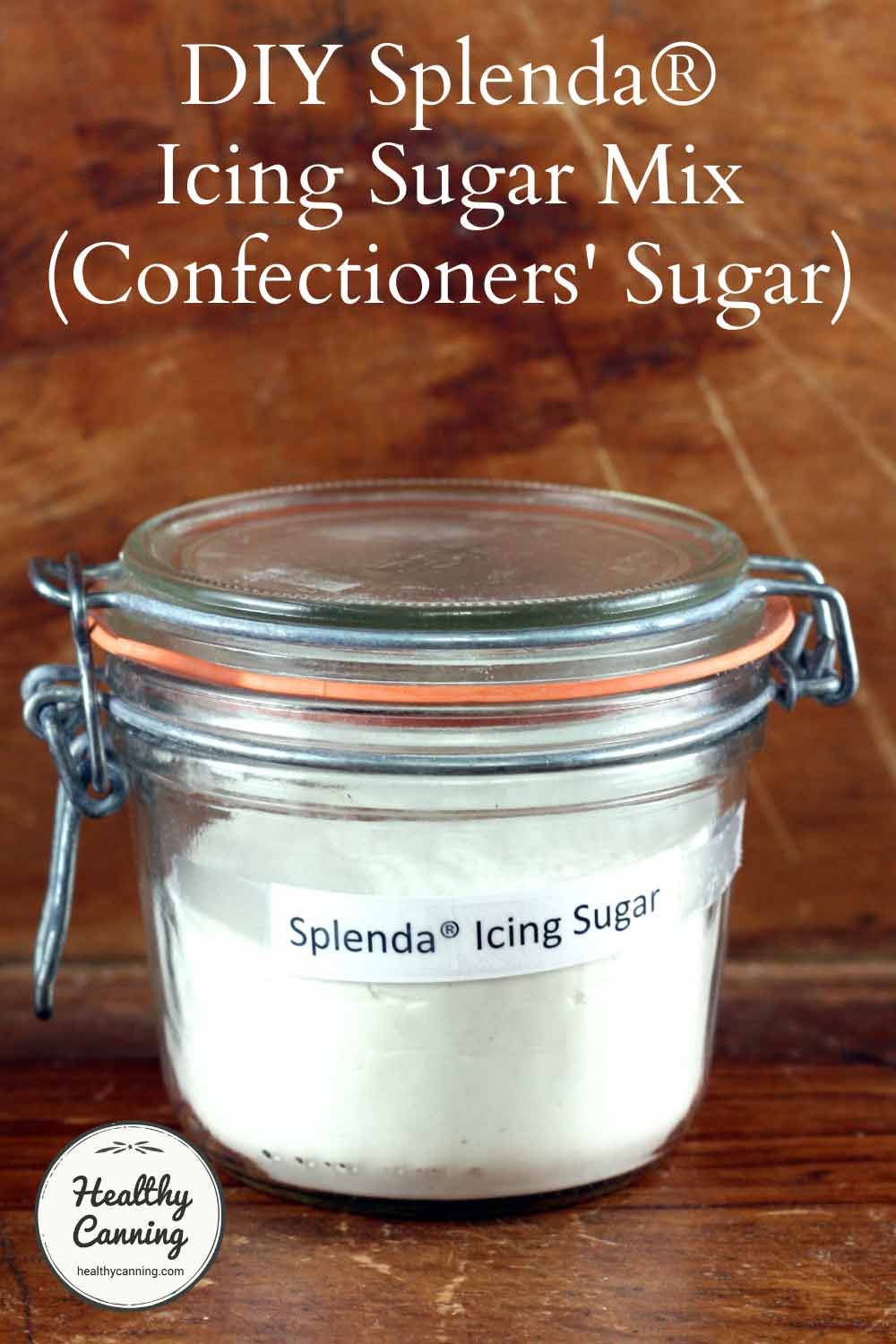
The DIY Splenda icing sugar mix provides a solution that minimizes glycemic response. Because sucralose is not metabolized for energy by the body, it does not contribute to blood glucose elevation. This allows individuals to enjoy celebratory foods—such as birthday cakes or holiday brownies—without the associated health risks. Nutritionists have noted that the psychological benefit of "normalcy" in eating habits can lead to better long-term management of chronic conditions. Statements from dietary advocates suggest that accessible, low-cost solutions like DIY mixes are essential tools in the fight against the global obesity and diabetes epidemics.
Technical Culinary Applications and Variations
While the DIY Splenda mix is a versatile tool, its chemical properties differ from those of sucrose, requiring specific culinary techniques. Sucrose provides structural stability and volume in baking; sucralose, being much more potent in sweetness but lacking the mass of sugar, relies on bulking agents in its granulated form. When powdered, it maintains its sweetness but does not "set" in the same way as traditional sugar.
To create a functional icing, the powder must be combined with a liquid and a fat. The standard recipe involves mixing the DIY powder with a small amount of margarine or butter, vanilla extract, and water. Unlike traditional icing, which may require an electric mixer to achieve aeration, the sucralose-based version can be effectively combined with a simple fork.
Furthermore, the mix allows for significant customization. For a chocolate variant, the addition of unsweetened cocoa powder provides flavor without significantly altering the caloric profile. Culinary experimenters also utilize various extracts—such as lemon, almond, or butterscotch—and food colorings to mimic the variety found in professional bakeries. The flexibility of the recipe, which can be easily doubled or tripled, makes it a staple for large-scale home baking projects.
Broader Impact on Home Preservation and the Healthy Canning Movement
The rise of DIY sweetener solutions is closely linked to the "Healthy Canning" movement, which advocates for safe, scientifically-backed methods of food preservation and home cooking. This movement emphasizes transparency in ingredients and the reduction of processed additives. The DIY Splenda icing sugar recipe is often featured alongside other "make-it-yourself" staples, such as DIY brownie mixes, which empower consumers to build a "clean" pantry.

This shift toward home processing also reflects a growing skepticism toward industrial food systems. By taking the final step of powdering their own sweeteners, consumers are engaging in a form of culinary self-reliance. This trend has implications for the future of the food industry, as manufacturers may find themselves needing to compete with the cost-effectiveness and perceived purity of home-processed alternatives.
Future Outlook and Conclusion
As nutritional science continues to evolve, the demand for sophisticated sugar alternatives is expected to grow. The DIY Splenda icing sugar mix represents an early iteration of a more personalized approach to nutrition, where the consumer is no longer a passive recipient of manufactured goods but an active participant in the processing of their food.
Looking forward, it is likely that more sweeteners—including stevia, erythritol, and monk fruit—will be subjected to similar domestic processing techniques. The principles of micronization used in the Splenda recipe are universally applicable to most crystalline sweeteners. As home blending technology becomes more powerful and accessible, the barrier between commercial-grade ingredients and domestic kitchen capabilities will continue to blur.
In conclusion, the DIY Splenda icing sugar mix is a testament to the ingenuity of the modern home cook. It addresses a specific market failure—the lack of affordable, pure sugar-free powdered sweetener—while providing a vital resource for the diabetic community. Through a combination of mechanical processing and nutritional awareness, this simple recipe facilitates a healthier approach to confectionery, proving that dietary restrictions do not necessitate the abandonment of culinary tradition. As this practice becomes more widespread, it will undoubtedly remain a cornerstone of health-conscious baking for years to come.