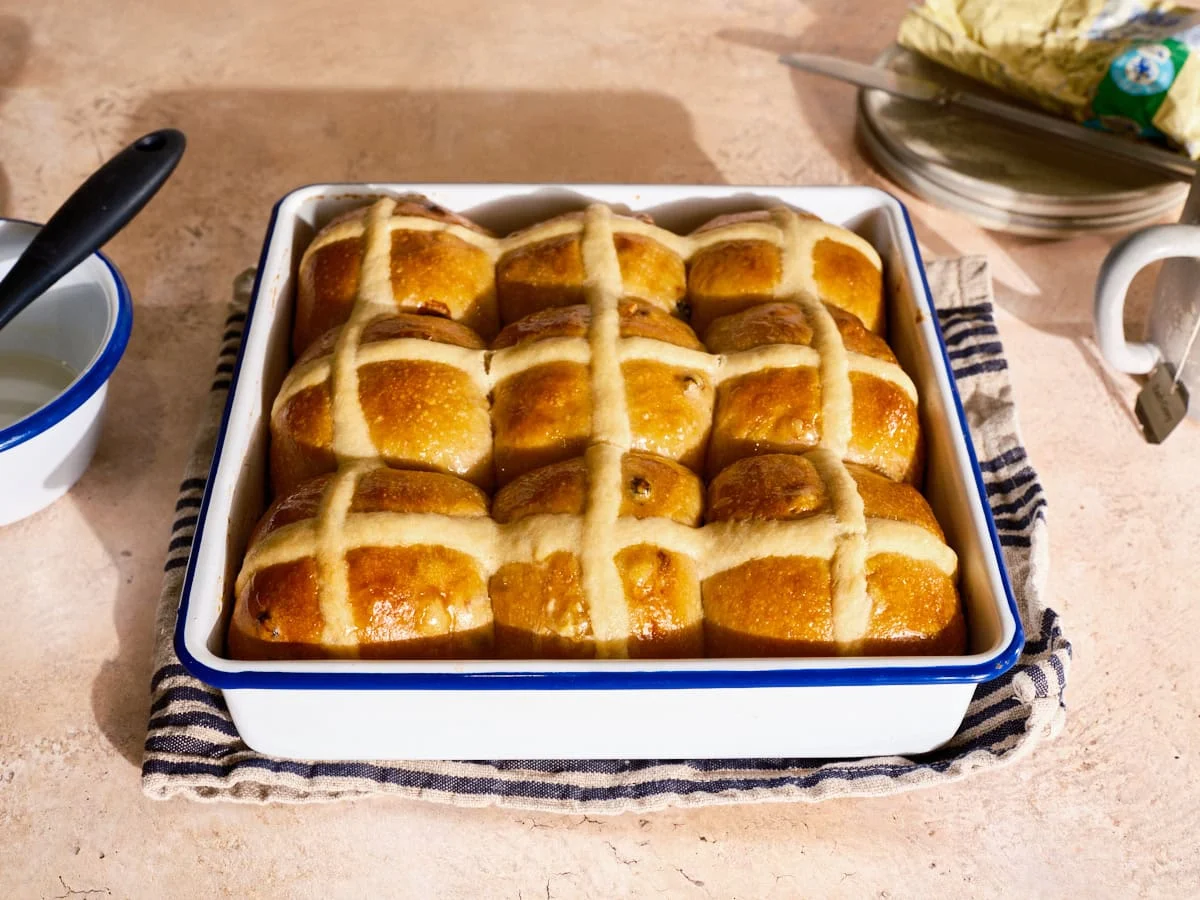

As the chill of winter recedes and the promise of spring, marked by the approaching Easter season, begins to stir, a culinary tradition takes root for many: the creation of sourdough hot cross buns. While historically a staple of Good Friday, these spiced delights have evolved into a broader symbol of the transition from colder months to warmer ones. This year, acclaimed baker and author Jeffrey Hamelman, through his renowned platform The Perfect Loaf, has introduced an updated recipe for his Sourdough Hot Cross Buns, promising an even more tender and flavorful experience, largely due to the incorporation of a tangzhong technique.
Hamelman’s latest iteration, an evolution from his previous work in "The Perfect Loaf" cookbook, introduces a tangzhong – a cooked flour and liquid paste. This culinary innovation is designed to significantly enhance the texture of the buns. By trapping additional moisture within the dough, the tangzhong contributes to a uniquely pillowy, melt-in-your-mouth quality that remains soft for an extended period, a marked improvement over traditional enriched buns.
The recipe’s foundation includes milk, egg, and butter, which contribute to a rich, tender crumb. However, these very same ingredients, along with the natural fermentation process of sourdough, necessitate a slower rise. This requires a degree of patience from the baker, but the reward is a deeply nuanced flavor profile. The subtle tang of the sourdough starter harmonizes beautifully with the warmth of the spices and the sweetness of the dried fruits and glaze, creating a complex and satisfying bite.
The Sourdough Advantage: A Deeper Flavor Profile
Traditional hot cross bun recipes often rely on commercial yeast for rapid leavening. While efficient, this method can sometimes compromise the depth of flavor. Hamelman’s choice to employ a sourdough starter, however, infuses the buns with a more intricate and rounded taste. The natural acidity, stemming from a sweet levain, acts as a counterpoint to the inherent sweetness of the sugar, fruit, and glaze, achieving a balanced flavor profile that is both comforting and sophisticated. This approach not only elevates the taste but also aligns with a growing appreciation for naturally leavened baked goods.
A Refined Approach to Texture and Flavor
Several key elements distinguish Hamelman’s sourdough hot cross buns:
- Tangzhong for Unparalleled Softness: As previously noted, the inclusion of a tangzhong is a game-changer for texture. This cooked flour paste creates a network that binds moisture, resulting in a luxuriously soft and enduringly fresh bun.
- Sweet Levain for Balanced Acidity: A carefully managed sweet levain provides the sourdough character without overwhelming the palate. This specific type of levain is calibrated to offer a gentle tang that complements the sweet and spiced elements, rather than dominating them.
- Rich, Enriched Dough: The combination of milk, eggs, and butter creates a dough that is both flavorful and structurally sound, capable of supporting the inclusions and achieving a beautiful rise.
- Warm Spices and Citrus Zest: The classic warming spices – cinnamon, allspice, and nutmeg – are present, enhanced by the bright, aromatic notes of lemon and orange zest. This aromatic blend is quintessential to the hot cross bun experience.
- Plump Dried Fruits and Candied Peel: The recipe calls for a generous inclusion of dried fruits such as raisins and currants, along with the optional but highly recommended candied orange peel. These add bursts of sweetness and chewiness throughout the bun.
A Meticulously Crafted Baking Schedule
The process, while requiring planning, is designed for a single day of baking, with the exception of the overnight preparation of the levain.
- Overnight Levain and Fruit Soaking: The process begins the evening before with the preparation of the sweet levain and, optionally, a fruit soak. The levain, a mixture of high-protein flour, superfine sugar, water, and ripe sourdough starter, ferments for approximately 12 hours. If the dried fruits are particularly dry, a soak in water can help rehydrate them, ensuring a plumper texture in the finished buns.
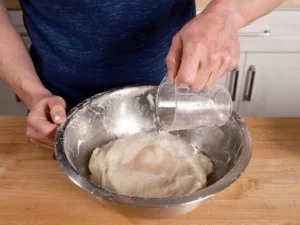
- Morning Preparations: The following morning, the tangzhong is prepared by cooking high-protein flour and whole milk until a thick paste forms. Simultaneously, the butter is brought to room temperature.
- Dough Mixing and Bulk Fermentation: The main dough is then mixed, incorporating the prepared tangzhong, levain, and other ingredients. This is followed by a period of bulk fermentation, typically around four hours, with two sets of stretch-and-folds to develop gluten structure.
- Dividing and Shaping: After bulk fermentation, the dough is divided into individual portions, shaped into tight balls, and placed into a buttered baking pan.
- Proofing: The shaped buns undergo a final proofing period, which can last several hours, allowing them to puff up and become incredibly soft and airy.
- Baking and Glazing: Finally, the buns are brushed with an egg wash, adorned with a piped cross mixture, and baked until golden brown. A simple syrup glaze is applied immediately after baking, imparting a delicate sheen and a touch of sweetness.
For those planning ahead for an Easter celebration, Hamelman suggests preparing the levain on Friday night. The dough can then be taken through its initial proofing stages and refrigerated overnight. On Easter morning, the buns are allowed to finish proofing for a couple of hours before baking.
Essential Baking Equipment
Successful execution of this recipe benefits from specific tools:
- Stand Mixer or Spiral Mixer: The enriched dough, particularly with the addition of butter, is significantly easier to manage and develop with a mechanical mixer. Hamelman specifically mentions the utility of a stand mixer or a spiral mixer like the Halo Pro.
- 9-inch Square Baking Pan: For achieving the signature soft, pull-apart texture, a 9-inch square pan is recommended.
- Pastry Bag or Piping Bag: Essential for creating the decorative cross on top of each bun.
- Bench Scraper and Bench Knife: Useful for handling and dividing the dough.
- Oven Thermometer: To ensure accurate baking temperatures.
- Wire Cooling Rack: For cooling the baked buns.
Ingredient Breakdown and Baker’s Percentages
The recipe details a precise formulation, expressed in both grams and baker’s percentages, a standard in professional baking that allows for easy scaling and understanding of ingredient ratios.
- Total Dough Weight: 1,150 grams
- Pre-fermented Flour: 15.5%
- Levain in Final Dough: 48.6%
- Hydration (excluding milk): 31.0%
- Yield: 9 to 11 buns, each approximately 115g.
The formula for the total dough includes:
- High-protein white flour (92.0%)
- Tangzhong flour (8.0%) and milk (36.0%)
- Egg (10.0%)
- Unsalted butter (14.0%)
- Superfine sugar (8.0%)
- Thompson raisins or candied orange peel (15.0%)
- Dried currants or chocolate chips (10.0%)
- Ground cinnamon (0.6%)
- Ground allspice (0.2%)
- Freshly ground nutmeg (0.2%)
- Zest of 1 lemon and 1 orange
- Water (31.0%)
- Fine sea salt (1.9%)
- Ripe sourdough starter (6.2%)
Additional ingredients for the egg wash (egg and milk) and the cross mixture (flour, water, orange juice/water, vegetable oil, salt) and simple syrup glaze (water, sugar) are also specified.
The Method: A Step-by-Step Guide to Perfect Buns
- Levain and Fruit Soaker Preparation (Evening): The sweet levain is mixed and left to ferment overnight. If desired, dried fruits are soaked to rehydrate.
- Tangzhong and Butter Preparation (Morning): The tangzhong paste is cooked, and butter is softened.
- Dough Mixing: All ingredients, including the tangzhong and levain, are combined in a mixer. The dough is mixed until smooth, elastic, and strong, with butter incorporated gradually. Inclusions are added at the end.
- Bulk Fermentation: The dough undergoes a 4-hour bulk fermentation at warm room temperature, with two sets of stretch-and-folds at 30-minute intervals.
- Divide and Shape: The dough is gently turned out, divided into equal portions (115g each), and shaped into tight balls. These are placed in a buttered baking pan.
- Proofing: The shaped buns proof for approximately 4 to 5 hours in a warm environment until they are visibly puffy and soft to the touch.
- Glaze, Cross Mixture, and Baking: The oven is preheated. A simple syrup glaze and a thick cross mixture are prepared. Before baking, the buns are brushed with an egg wash and the cross mixture is piped onto each bun. They are then baked at 400°F (200°C) for 15 minutes, followed by a reduction to 350°F (175°C) for another 10-15 minutes.
- Finishing Touches: Immediately after baking, the warm buns are brushed with the simple syrup glaze. They are then cooled slightly before serving.
The article emphasizes the importance of not rushing the proofing stages, particularly for this enriched dough, ensuring the buns achieve the desired airy and soft texture.
Broader Implications and Culinary Tradition
The evolution of this sourdough hot cross bun recipe reflects a broader trend in baking: the embrace of traditional techniques like sourdough and tangzhong to elevate familiar comfort foods. By moving beyond commercial yeast, bakers are not only achieving superior texture and flavor but also connecting with a more artisanal approach to baking. This recipe serves as a testament to the enduring appeal of hot cross buns and their adaptability to modern baking science and ingredient innovation. Hamelman’s meticulous approach ensures that this beloved seasonal treat can be enjoyed with an enhanced sensory experience, making the anticipation of Easter even sweeter.