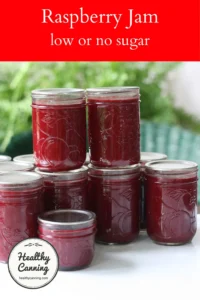
The practice of home canning and food preservation has experienced a significant resurgence in recent years, leading to a surplus of artisanal preserves that often outpace a household’s daily consumption of breakfast toast. As pantry shelves become populated with "lingering jars" of berry, stone fruit, and citrus preserves, culinary experts and home economists are highlighting the "Jam Crumble" as a strategic and efficient method for upcycling these shelf-stable assets into sophisticated desserts. This transition from simple spread to a central dessert component represents a broader movement toward zero-waste kitchens and the maximization of seasonal harvests. By utilizing a foundational framework of heat, fruit pectin, and a textured topping, the jam crumble serves as a versatile solution for home cooks looking to manage their inventories while providing a high-quality, homemade alternative to processed confectionery products.
The Mechanics of the Jam Crumble Framework
The transition of jam from a cold condiment to a baked dessert filling involves a specific thermodynamic process. Unlike fresh fruit crumbles, which require the addition of thickeners such as cornstarch or flour to manage the release of natural juices during the baking process, jam-based crumbles utilize fruit that has already been macerated, cooked, and set with pectin. This pre-existing stability allows for a more predictable outcome in the oven. The standard protocol for this dessert requires an oven temperature of 175°C (350°F), a thermal midpoint that allows the sugars in the jam to liquefy and bubble without reaching the point of carbonization, while simultaneously browning the carbohydrate-heavy topping to a crisp texture.
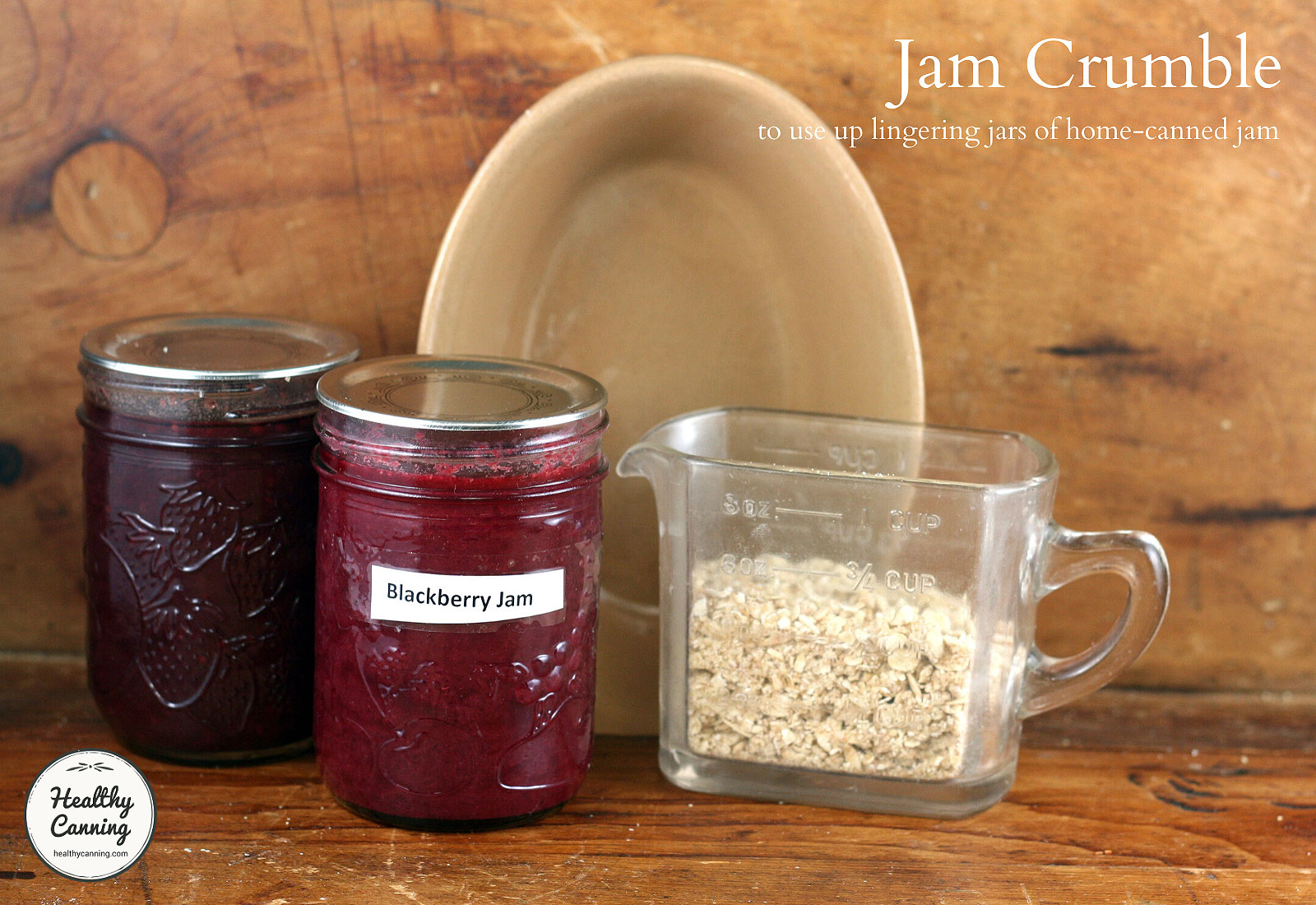
A standard yield for a small-batch crumble typically results in approximately two cups of finished product, sufficient to serve six individuals. The efficiency of the recipe is found in its modularity; it can accommodate two half-pint (250 ml) jars or a single one-pint (500 ml) jar. Culinary analysts suggest that the layering of different jam flavors—such as a base of tart raspberry topped with a layer of sweet apricot—creates a complex flavor profile that mimics the depth of fresh-fruit compotes. This "layering of flavors" technique is increasingly recommended by food stylists to add visual and gustatory interest to an otherwise simple dish.

Chronology of Preservation and the Surplus Phenomenon
The current surplus of home-canned goods can be traced back to a specific chronology of events beginning in 2020. The global pandemic triggered a massive increase in domestic gardening and food preservation activities as a response to supply chain uncertainties. According to market data, the demand for canning supplies, including jars, lids, and pectin, saw a 300% increase during this period.
By 2022 and 2023, many of these "victory gardens" reached maturity, resulting in what agricultural experts call a "windfall of fruit." This abundance led to the production of high volumes of single-flavor jams. However, as social restrictions eased and household routines returned to a faster pace, the daily habit of consuming jam on toast declined. The result was a documented "pantry lag," where jars began "gathering dust and aging" on cellar shelves. The emergence of the jam crumble as a popular dessert concept in 2024 is a direct response to this specific historical accumulation of preserved goods, providing a "quick, delicious" exit strategy for aging inventories.
Supporting Data: Food Waste and Economic Efficiency
The economic implications of the jam crumble are significant when viewed through the lens of household food waste. Global statistics suggest that approximately one-third of all food produced for human consumption is lost or wasted. In the domestic setting, "forgotten" pantry items contribute a substantial percentage to this figure. By repurposing a pint of jam—which represents the labor of harvesting, the cost of sugar and jars, and the energy used in the canning process—into a primary dessert, households can recapture the value of their initial investment.
From a cost-analysis perspective, a jam crumble is significantly more economical than a traditional fruit crumble made with out-of-season fresh produce. For example, a pint of fresh raspberries in mid-winter can cost upwards of $8.00 to $10.00 USD in northern climates, whereas a jar of raspberry jam produced during the summer peak costs a fraction of that amount in raw materials. Furthermore, the use of "oatmeal pancake mix" as a shortcut for the crumble topping further reduces the need for specialized pastry ingredients, streamlining the preparation time to approximately ten minutes of active labor.
Technical Specifications of the Topping Architecture
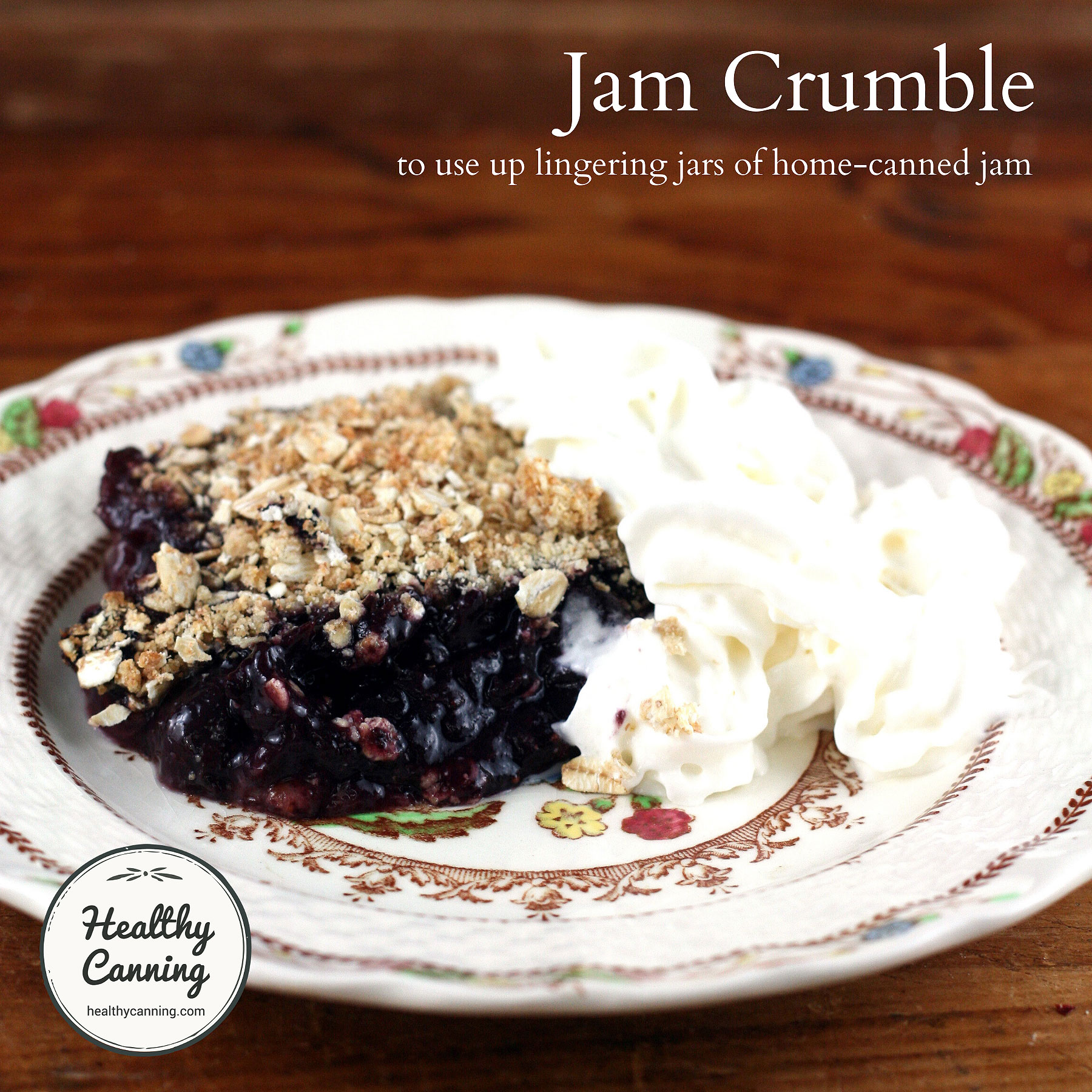
The "crumble" element of the dish is a study in texture and fat-to-carbohydrate ratios. While the jam provides the moisture and sweetness, the topping must provide structural contrast. The standard recipe offers two primary pathways for the topping:
- The Pancake Mix Shortcut: This method utilizes the leavening agents and pre-mixed flours found in commercial or homemade oatmeal pancake mixes to create a topping that is slightly more cohesive and "cake-like" in its crumb.
- The Traditional Oat Composition: For those seeking a more rustic texture, a mixture of 1/2 cup oats, 2 tablespoons of flour, 1 tablespoon of sugar, and a pinch of salt is recommended. This dry base is then integrated with 2 tablespoons of cold butter through a process known as "rubbing in," which coats the flour particles in fat to prevent excessive gluten development and ensure a "short," crumbly texture.
Advanced techniques in crumble architecture suggest that the addition of warm spices, such as nutmeg or cinnamon, can bridge the flavor gap between the preserved fruit and the toasted oats. Additionally, food preservationists recommend "batch-prepping" the topping—tripling or quadrupling the recipe and storing the excess in the freezer. This allows for the assembly of a dessert in less than five minutes, as the frozen topping can be applied directly to the jam before entering the oven.
Nutritional Analysis and Health Implications
The nutritional profile of a jam crumble is highly variable and depends largely on the specifications of the preserves used. The source material notes that this is "really a concept rather than a recipe," allowing for significant dietary customization.
In the context of modern health trends, the jam crumble has been identified as a "Weight Watchers™ friendly" option when paired with low-sugar or sugar-free jams. Traditional fruit crumbles often require additional granulated sugar to macerate the fruit; however, because jam is already sweetened, no additional sugar is needed for the filling. This makes the dish an effective vehicle for fiber-rich oats without the caloric overhead of traditional pies or heavy cakes.
Furthermore, the use of whipped cream or Greek yogurt as a topping adds a protein or fat component that can help stabilize the glycemic response to the concentrated sugars in the jam. Nutritionists point out that the inclusion of whole-grain oats provides beta-glucans, which are beneficial for heart health, making the jam crumble a nutritionally superior choice compared to many refined-flour desserts.
Official Responses and Expert Guidance
The Master Food Preserver (MFP) community, a network of volunteers trained in food safety and preservation science, has long advocated for the creative use of stored goods to ensure inventory rotation. According to MFP guidelines, while home-canned jam is shelf-stable for a year or more, its color, texture, and vitamin content begin to degrade after 12 to 18 months.
"Using lingering jars for baking is a safety-neutral way to ensure that nothing goes to waste," says a representative from the food preservation advocacy sector. "The high heat of the oven (175°C) serves as an additional safety margin, though the primary goal here is quality management." These expert groups emphasize that as long as the seal on the jar remains intact and there are no signs of spoilage (such as mold or off-odors), the "aged" jam is an ideal candidate for the crumble format.
Broader Impact and Culinary Implications
The rise of the jam crumble signals a shift in the culinary landscape toward "pantry-centric" cooking. As consumers face rising grocery costs and a desire for more sustainable lifestyles, the ability to look at a "dusty jar" and see a gourmet dessert is becoming a valued skill. This trend also encourages the continuation of home canning traditions, as the fear of "making too much" is mitigated by the knowledge that the final product is a multi-purpose ingredient rather than just a bread spread.
In conclusion, the jam crumble is more than a simple dessert; it is a tactical response to the realities of modern food preservation and household economics. By combining the science of pectin with the efficiency of modular baking, it allows for a sophisticated, flavorful, and low-waste culinary experience. As the movement toward self-sufficiency continues to evolve, the "instant crumble" will likely remain a staple in the repertoire of the resourceful home cook, proving that the best ingredients are often already waiting on the pantry shelf.