
The rise of the "from-scratch" movement in domestic kitchens has transitioned from a niche hobby to a calculated economic strategy for many households seeking to mitigate the rising costs of pre-packaged consumer goods. Among the most versatile additions to the modern pantry is the DIY brownie mix, a shelf-stable preparation that offers significant cost savings, nutritional control, and logistical convenience. By preparing large-scale batches of dry ingredients in advance, consumers can achieve the "pennies on the dollar" efficiency often cited by home economists while maintaining the ability to customize recipes for specific dietary requirements, such as sugar-free or low-fat configurations. This systematic approach to baking not only simplifies the culinary process but also addresses broader concerns regarding food safety and the consumption of ultra-processed additives found in commercial alternatives.

Analytical Overview of the DIY Mix Strategy
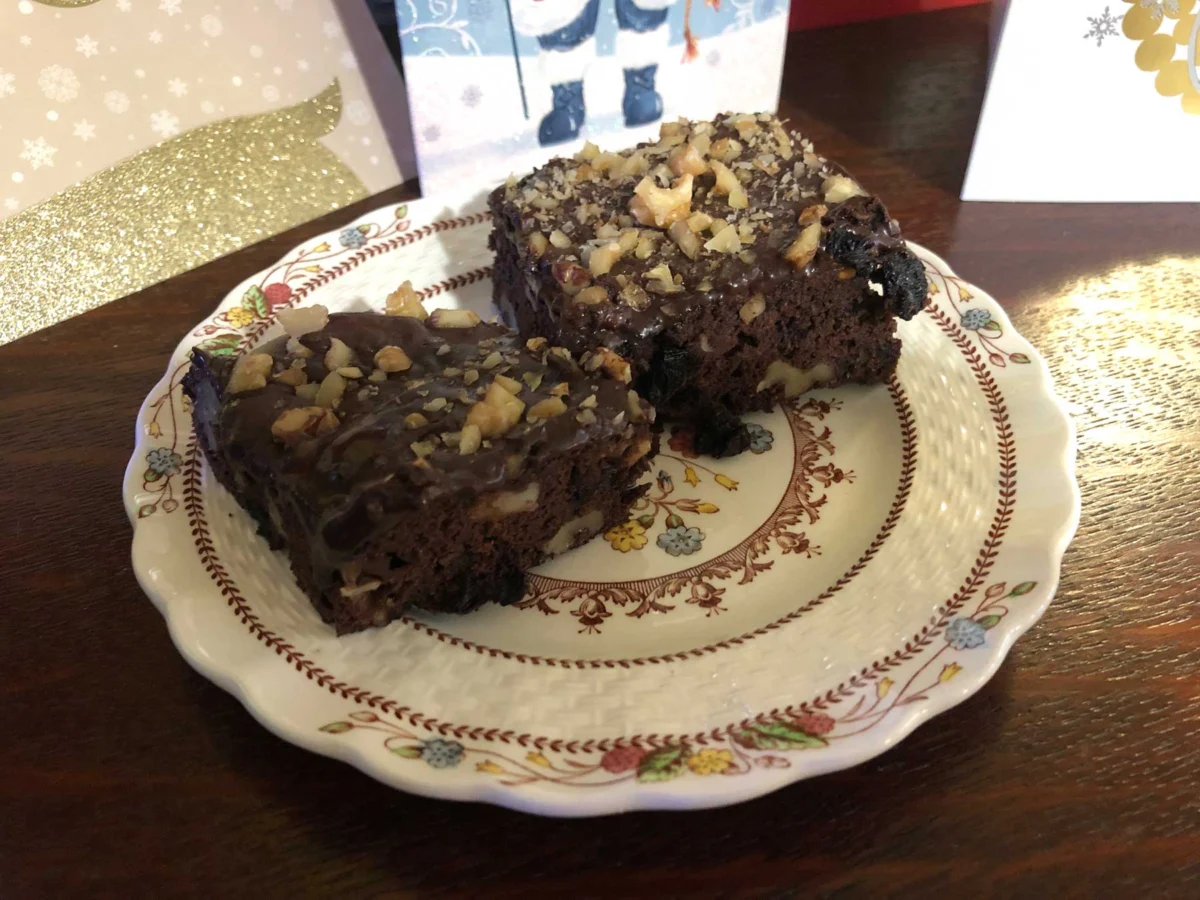
The primary appeal of a DIY brownie mix lies in its dual-purpose utility: it provides the immediate convenience of a commercial "boxed" mix while retaining the quality control of artisanal baking. According to recent culinary data, a single batch of this specific homemade mix produces approximately one kilogram (8 cups) of dry material. This volume is sufficient to generate five full pans of brownies, a yield that significantly outperforms the standard 18-ounce box typically found on supermarket shelves.
From a structural standpoint, these brownies are categorized as "cake-style" rather than "fudgy." This distinction is critical in the world of baking science, as cake-style brownies rely on a specific ratio of flour to fat and the inclusion of leavening agents to produce a crumb that is airy and light. This texture makes them particularly suitable for icing or as a base for more elaborate desserts. The flexibility of the base mix allows for the substitution of traditional granulated sugar with sucralose-based sweeteners like Splenda, or even powdered stevia products, provided they maintain a one-to-one volume ratio.

Development Chronology: From Concept to Pantry Staple
The evolution of the DIY mix system follows a logical progression that begins with ingredient sourcing and ends with long-term storage. This chronology reflects the shift in consumer behavior toward bulk-buying and home-processing.
- Ingredient Acquisition and Selection (June 2021): The current formulation was adapted from foundational recipes provided by nutritional organizations like Splenda, which sought to provide diabetic-friendly alternatives to traditional high-sugar desserts.
- The Batch Processing Phase: The initial assembly of the mix involves the homogenization of flour, cocoa powder, leavening agents, and sweeteners. By processing 1 kg of mix at once, the baker eliminates the repetitive task of measuring dry ingredients for five separate baking sessions.
- Storage and Stabilization: Once mixed, the dry base is stored in airtight containers. This stage is crucial for maintaining the shelf-life of the cocoa and ensuring that the leavening agents do not react with ambient moisture.
- The Deployment Phase: When a fresh dessert is required, the baker extracts a pre-measured portion of the mix (approximately 1.5 to 1.6 cups per pan) and integrates wet ingredients. This reduces the active preparation time from 20 minutes to under five minutes.
- Baking and Consumption: The final stage involves the chemical transformation of the batter into a stable cake-style brownie, weighing approximately 420 grams per pan.
Supporting Data: Nutritional and Economic Metrics
A rigorous analysis of the nutritional profile reveals that the DIY approach offers substantial health benefits, particularly for those monitoring caloric intake or glycemic impact. When prepared using a sucralose-based sweetener and low-fat margarine, a standard 50-gram brownie square (one-ninth of a pan) contains approximately 116 calories and 8 grams of fat.
In comparison, traditional commercial brownie mixes often exceed 200 calories per serving and contain higher levels of saturated fats and preservatives. For individuals following the Weight Watchers (WW) framework, the DIY Splenda-based brownie calculates to 2 SmartPoints (Freestyle). The addition of walnuts, while increasing the nutritional density and providing healthy omega-3 fatty acids, raises the caloric count to 131 per serving and adds an additional SmartPoint.
The economic data is equally compelling. By purchasing flour, cocoa, and sweeteners in bulk, the per-unit cost of a DIY brownie square is estimated to be 60-70% lower than that of a square produced from a premium commercial mix. This "pennies on the dollar" saving becomes significant over the course of a year for households that regularly consume baked goods.

Public Health and Safety Standards
A critical component of the DIY mix protocol is the adherence to modern food safety standards, particularly concerning the handling of raw flour. In recent years, the Centers for Disease Control and Prevention (CDC) and the Food and Drug Administration (FDA) have issued multiple warnings regarding the risks of E. coli and Salmonella contamination in uncooked flour.
Because flour is a raw agricultural product that is not treated to kill germs while it is in the field or at the mill, it must be handled with the same caution as raw meat. Experts advise that after the preparation of the DIY mix or the final batter, bakers must wash their hands and any surfaces that have come into contact with the dry flour. This "kill step"—the application of heat during the baking process—is what makes the final product safe for consumption. Consequently, the consumption of raw brownie batter is strictly discouraged by food safety professionals.
Expert Responses and Culinary Implications
Dietitians and culinary experts have noted that the ability to swap sweeteners in DIY mixes represents a major advancement in "inclusive baking." By providing a base that works equally well with white granulated sugar (requiring approximately 900 grams for a full 1 kg batch) or generic sucralose, the recipe accommodates both traditionalists and those with medical dietary restrictions.
Furthermore, the recommendation to use "Splenda Icing Sugar Mix" for topping these brownies suggests a holistic approach to sugar-free baking. This specialized icing mix allows the baker to maintain the "cake-style" aesthetic without the caloric surge associated with traditional buttercream or ganache.

The professional consensus suggests that the "cake-style" texture is a deliberate choice for DIY mixes. Fudgy brownies require a higher fat-to-flour ratio and often depend on the melting of solid chocolate, which is more difficult to incorporate into a shelf-stable dry mix. By opting for a cocoa-based cake-style mix, the recipe ensures a longer shelf life and a more consistent result across different climates and storage conditions.
Broader Impact on Consumer Behavior and Food Security
The shift toward DIY pantry mixes has broader implications for food security and environmental sustainability. By reducing the reliance on individual plastic-lined boxes and pre-portioned pouches, the DIY method significantly decreases household packaging waste. Furthermore, it empowers consumers to maintain a "buffer" of food supplies that can be prepared with minimal fresh ingredients (usually just eggs, water, and fat).

In an era of supply chain volatility, the ability to produce high-quality desserts from a few stable bulk ingredients provides a level of autonomy that commercial products cannot match. The DIY brownie mix is more than just a recipe; it is a template for a more resilient and health-conscious kitchen.
As households continue to navigate the intersection of health, economy, and convenience, the adoption of systematic dry-mix preparation is expected to grow. The DIY brownie mix serves as a primary example of how a return to basic culinary principles, enhanced by modern nutritional science and safety protocols, can yield superior results for the contemporary consumer. Whether for the purpose of managing a diabetic diet, reducing the family grocery bill, or simply ensuring a quick dessert is always within reach, the DIY mix represents a sophisticated evolution of the American baking tradition.