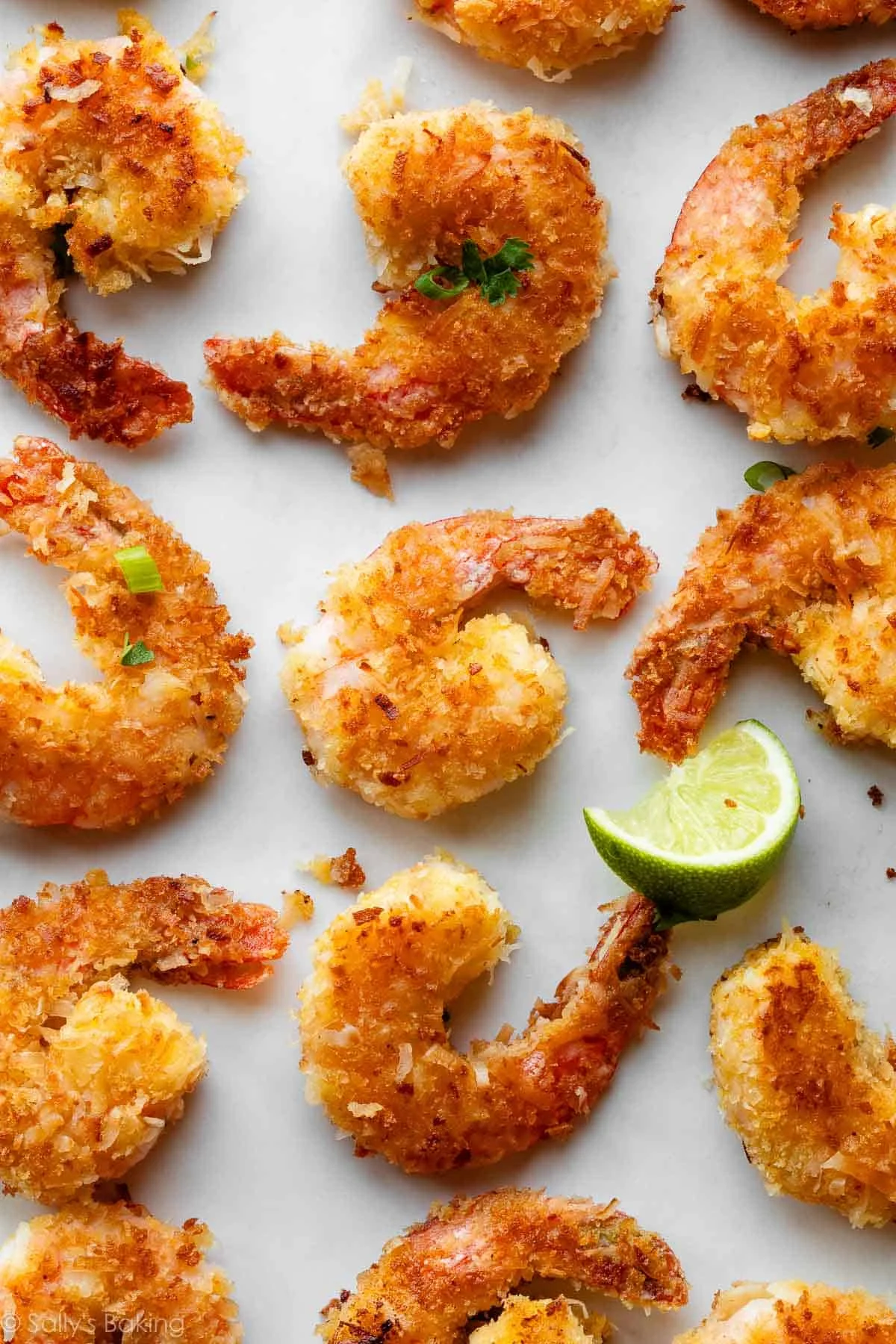

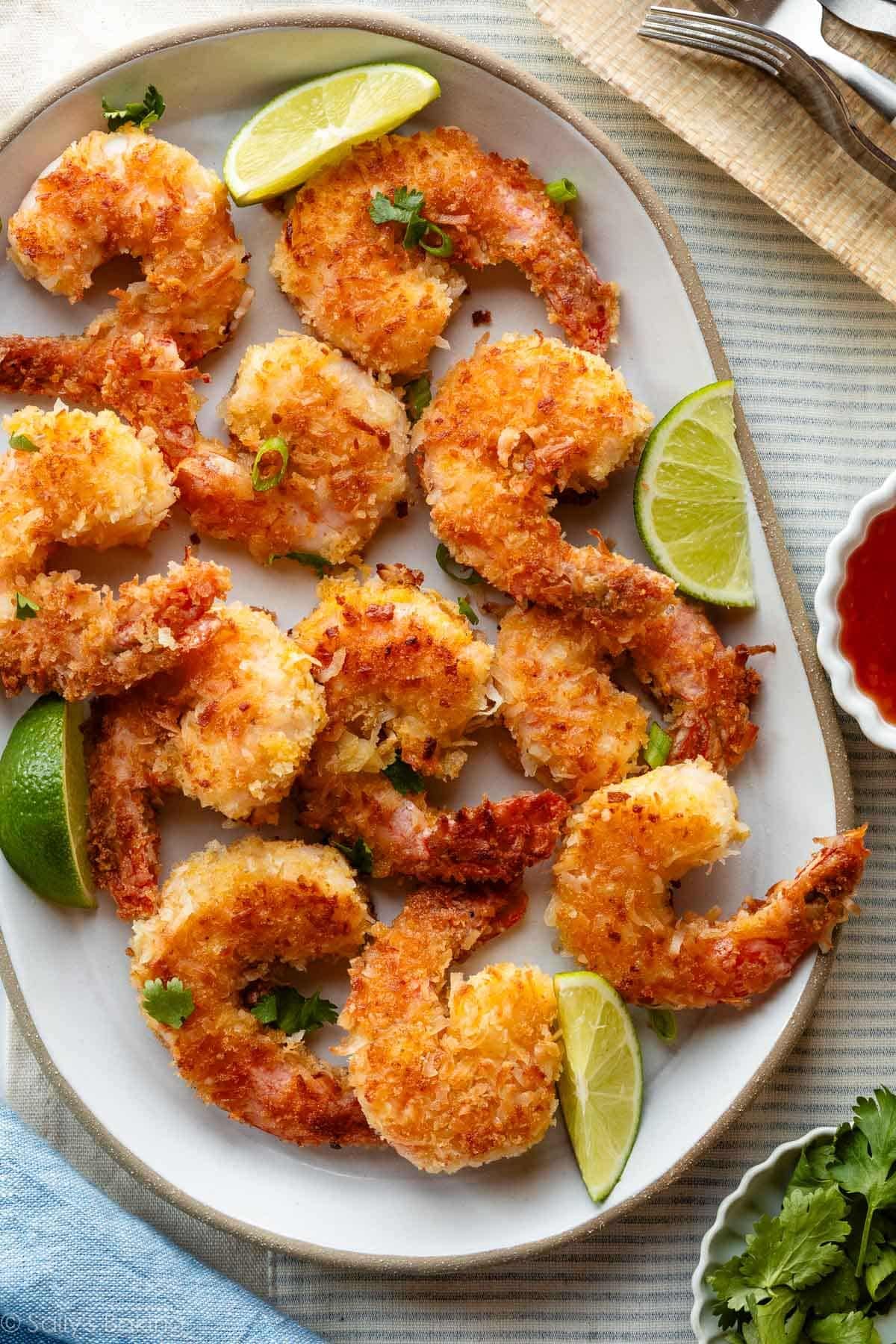
Golden, sweet, and crisp coconut shrimp stands as a perennial crowd-favorite finger food, consistently disappearing from serving platters, particularly when paired with a spicy-sweet dipping sauce. The preparation process for this beloved dish is remarkably straightforward, offering an accessible culinary experience for home cooks. Whether served as a standalone meal alongside a fresh salad or presented as an enticing appetizer or snack, its irresistible appeal ensures rapid consumption.
This particular recipe, initially introduced in 2014, has undergone significant refinement over the years, incorporating updated photographic content and enhanced success tips to further demystify its creation. The continuous evolution of such recipes highlights a broader trend in digital gastronomy, where community feedback and ongoing culinary experimentation lead to optimized instructions and improved outcomes for a global audience of home chefs.
Crispy, sweet, and surprisingly simple to prepare, this easy coconut shrimp recipe transcends the typical restaurant experience, often yielding a superior taste when crafted in a home kitchen. Each succulent shrimp is enveloped in a meticulously balanced, crunchy coating composed of sweetened shredded coconut and Panko breadcrumbs, subsequently pan-fried to achieve a perfectly golden hue. This method ensures a delightful contrast between the juicy interior and the robust, crispy exterior, a hallmark of expertly prepared fried seafood.
The enduring popularity of this recipe, which has been consistently utilized for years, stems from its inherent reliability, beginner-friendly nature, and its swift preparation time of approximately 30 minutes, utilizing readily available ingredients. This efficiency makes it an ideal candidate for a variety of occasions, from impromptu weeknight dinners to more elaborate social gatherings where time is often a critical factor. For individuals venturing into homemade coconut shrimp for the first time, comprehensive, step-by-step guidance is crucial to ensure the coating adheres properly and maintains its desired crispness throughout the cooking process. This attention to detail is often what differentiates a good recipe from an exceptional one, fostering confidence in novice cooks.
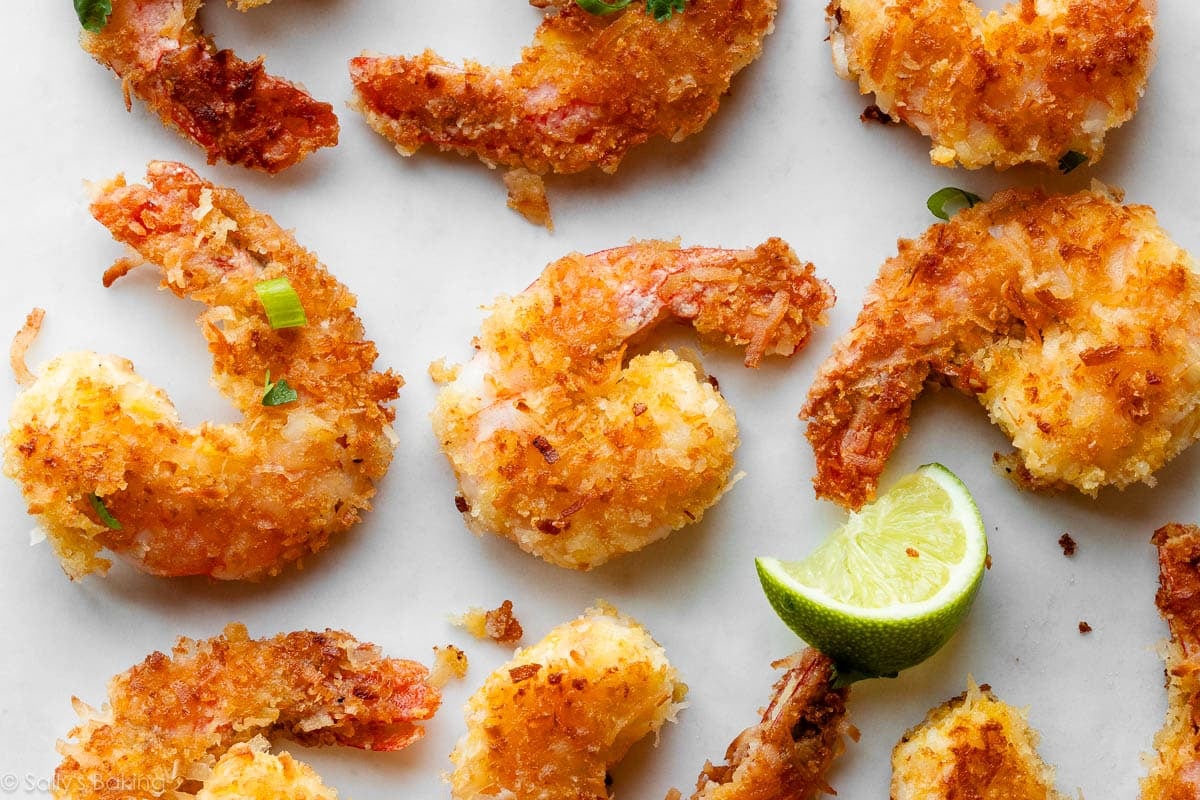
The positive reception from the culinary community further underscores the recipe’s efficacy. As one reader, Paul, commented: "I made these tonight for an appetizer for us and they turned out PERFECTLY! Thank you so much for such a great recipe. I cannot wait until we have guests to make these for them." Such testimonials are invaluable in the online recipe ecosystem, providing social proof and encouraging others to attempt the dish, reinforcing its status as a proven crowd-pleaser. The ease of preparation, coupled with its delicious outcome, positions this shrimp recipe as an excellent choice for a midweek meal or a swift appetizer, given its minimal ingredient list and brief cooking duration.
The Enduring Appeal of a Classic: A Culinary Timeline
The journey of a recipe from its initial publication to becoming a refined classic often involves an iterative process of testing, feedback, and enhancement. This coconut shrimp recipe, first published in 2014, exemplifies this trajectory. In the culinary landscape of the mid-2010s, home cooking was already experiencing a significant resurgence, driven by the proliferation of food blogs and social media platforms. Recipes that offered restaurant-quality results with accessible techniques quickly gained traction. The decision to update this particular recipe with new photos and additional "success tips" reflects a commitment to continuous improvement and user experience. This chronology of refinement ensures that the recipe remains relevant and consistently achievable, adapting to evolving culinary standards and user expectations for clarity and visual appeal. The addition of detailed tips addresses common challenges faced by home cooks, such as ensuring the coating sticks or preventing burning, thereby enhancing the overall success rate for users across varying skill levels.
The Science of Crispness: Unpacking the Ingredients
Achieving the quintessential "golden, sweet, and crisp" texture of coconut shrimp relies heavily on the careful selection and preparation of its core ingredients. Understanding the role of each component is paramount for culinary success.
Best Shrimp to Use:
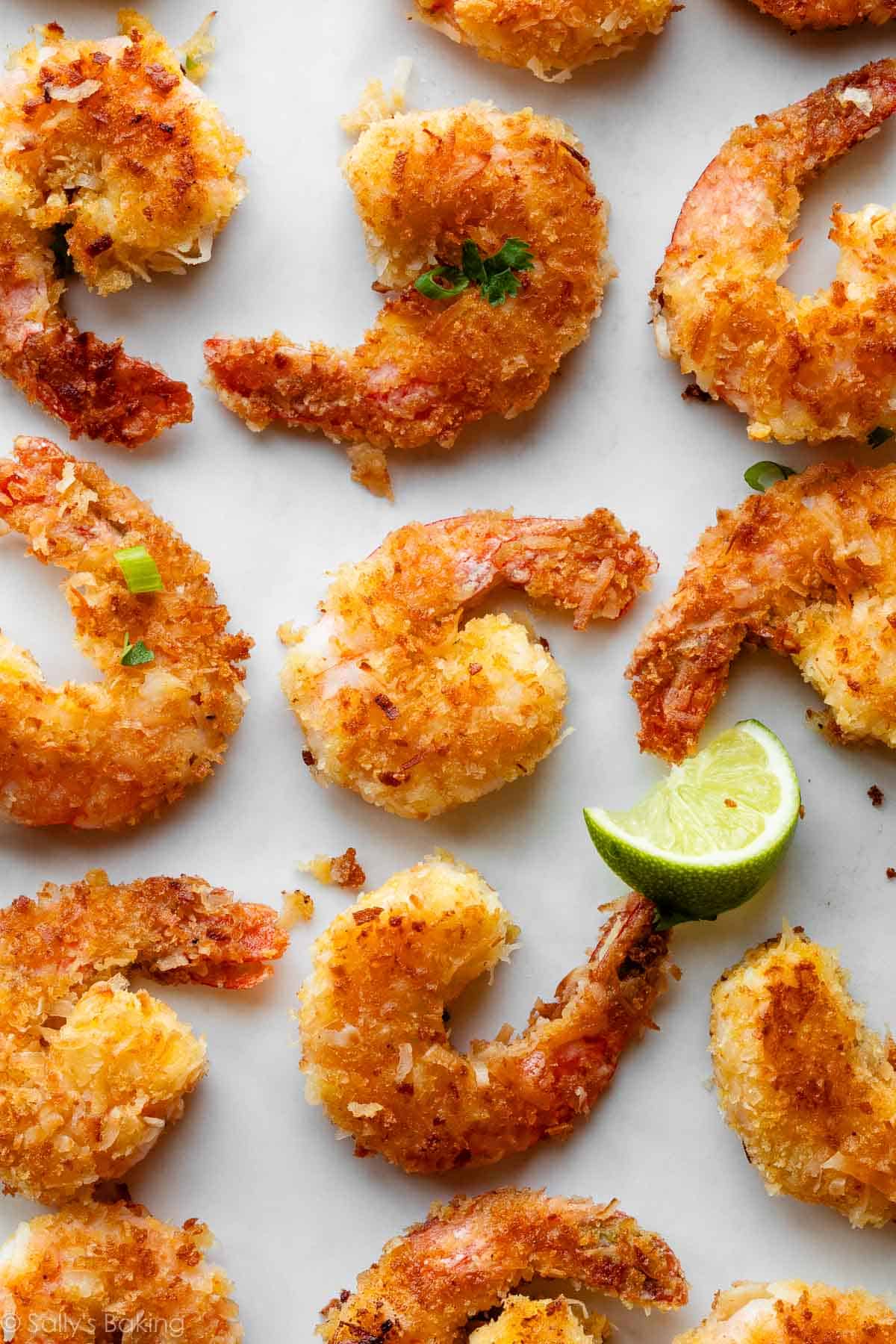
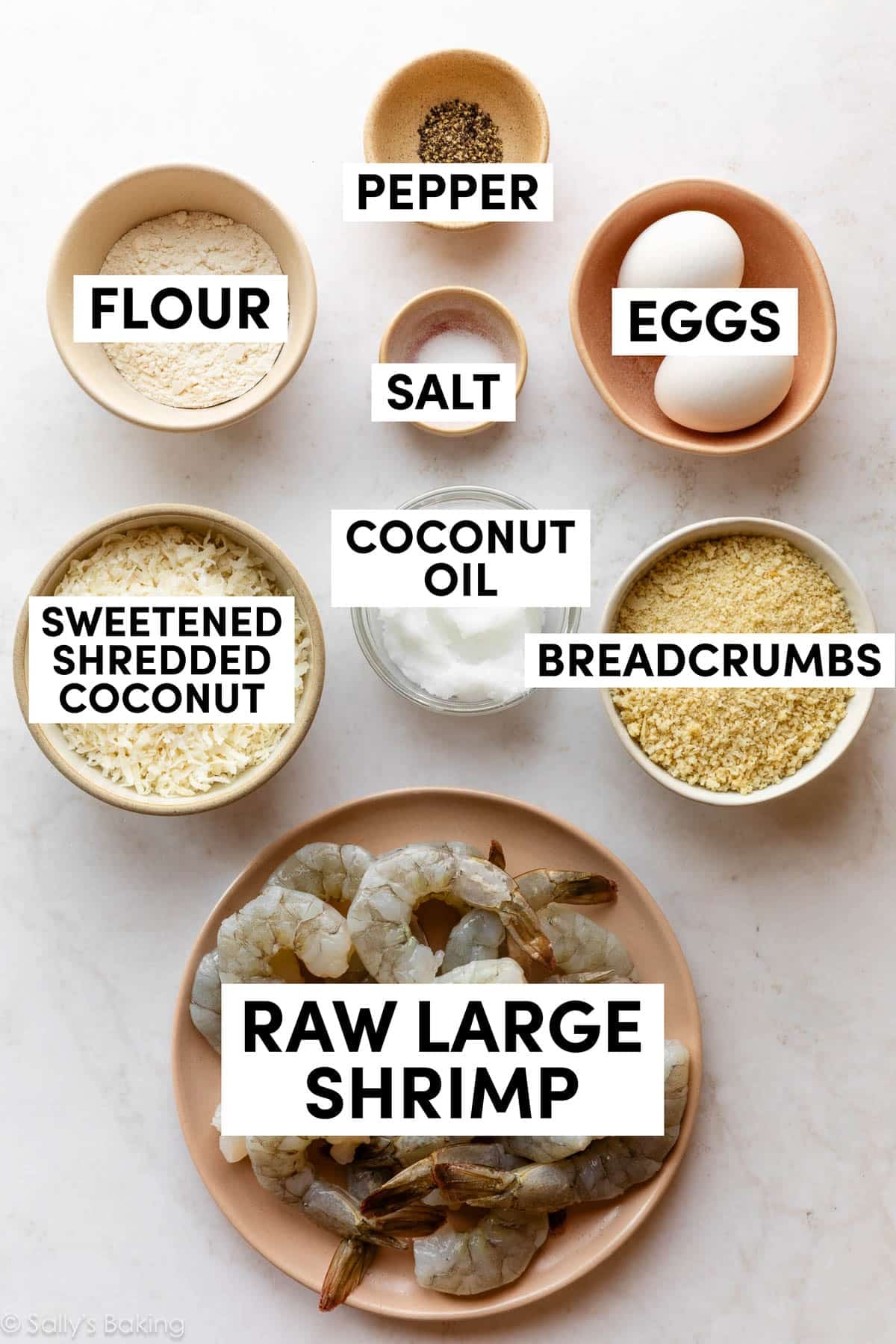
The foundation of any great shrimp dish is, naturally, the shrimp itself. For this recipe, large raw shrimp that are peeled, deveined, and have the tails attached are highly recommended. The presence of tails serves a practical purpose: they facilitate easier handling during the breading process, offer a convenient grip for dipping, and present an aesthetically pleasing finish, especially when served as an appetizer. Large shrimp are preferred because they tend to shrink less during cooking, retaining a desirable plumpness and juiciness. While medium shrimp can be used, their reduced size post-frying might diminish the overall impact. For those interested in versatility, medium shrimp are also excellently suited for dishes like honey garlic shrimp, showcasing their adaptability across various preparations.
Sourcing the right shrimp is also crucial. Whether fresh or frozen, the quality significantly impacts the final taste and texture. If using frozen raw shrimp, it is imperative to thaw them completely and thoroughly pat them dry before proceeding with the breading. Excess moisture on the shrimp surface will hinder the adhesion of the coating, leading to a less crispy result. Conversely, using frozen cooked shrimp is strongly advised against, as they will overcook rapidly during frying, resulting in a rubbery texture. From a sustainability perspective, consumers are increasingly encouraged to seek out shrimp that are responsibly sourced, often indicated by certifications that ensure environmentally sound practices and ethical labor standards within the aquaculture or wild-capture industries.
Other Essential Ingredients:
Beyond the shrimp, a handful of simple ingredients come together to form the signature coating and flavor profile:
- Sweetened Shredded Coconut: This ingredient is foundational to both the flavor and the unique texture. The sugar content in sweetened coconut caramelizes beautifully during frying, contributing to the golden-brown color and adding a subtle sweetness that balances the savory shrimp. It also contributes to the desired crispness.
- Panko Breadcrumbs: Panko is a Japanese-style breadcrumb known for its distinctively flaky, light, and airy texture. Unlike traditional breadcrumbs, Panko absorbs less oil, which is critical for achieving a truly crispy, non-greasy coating. Its larger surface area creates a more pronounced crunch.
- All-Purpose Flour: This serves as the initial dry layer, providing a surface for the egg wash to adhere to more effectively.
- Eggs: Beaten eggs form the crucial "wet" layer in the breading process, acting as a binder that helps the coconut and Panko mixture stick to the floured shrimp.
- Salt and Pepper: Essential seasonings that enhance the natural flavor of the shrimp and the coating.
- Oil for Frying: A neutral oil with a high smoke point, such as vegetable oil, canola oil, or peanut oil, is ideal for pan-frying, ensuring even cooking without imparting unwanted flavors.
What Makes This Coconut Shrimp So Crispy? The Three-Layer Coating System
The secret to this recipe’s exceptional crispness lies in its ingenious three-layer coating system. This method ensures maximum adhesion and a multi-textured crunch that single-layer coatings simply cannot replicate.
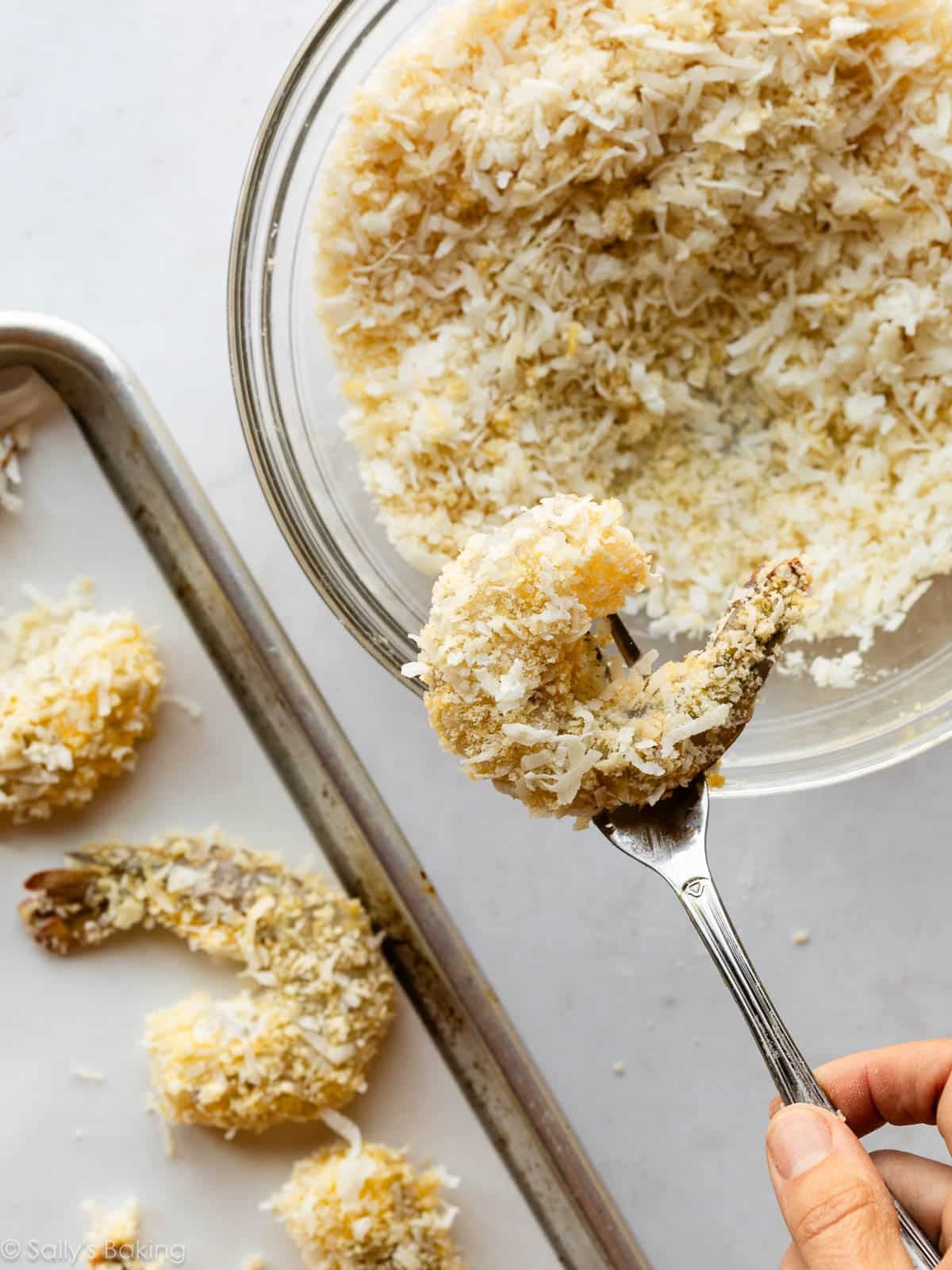
- First Layer: Seasoned Flour: The shrimp are first dredged in seasoned all-purpose flour. This dry layer creates a textured surface that the subsequent wet layer (egg wash) can cling to more effectively. Without this initial flouring, the egg wash would struggle to form an even coat on the smooth, often slightly moist shrimp.
- Second Layer: Beaten Eggs: After the flour, the shrimp are dipped into beaten eggs. The egg wash acts as a powerful adhesive, providing the necessary moisture and stickiness for the final breading mixture to adhere securely.
- Third Layer: Sweetened Coconut and Panko Breadcrumbs: This is where the magic happens. The floured and egg-washed shrimp are then generously coated in a mixture of sweetened shredded coconut and Panko breadcrumbs. The Panko delivers an unparalleled crispness due to its unique flake structure, while the sweetened coconut caramelizes, adding depth of flavor and another layer of crunchy texture.
Each layer serves a distinct purpose in this culinary architecture. The flour primes the surface, the egg acts as the glue, and the Panko-coconut blend forms the irresistible golden crust. A critical step often overlooked is firmly pressing the coconut-Panko mixture onto each shrimp. This ensures a thick, even coating that will become gloriously crispy and flavorful when cooked. Skimping on this pressing action can result in a sparse coating that may detach during frying, diminishing the desired texture.
Achieving Golden Perfection: Frying Fundamentals and Success Tips
Pan-frying is the recommended cooking method for this coconut shrimp, yielding a superior crispness and golden-brown finish. Proper technique and attention to detail are paramount for successful results.
Key Frying Principles:
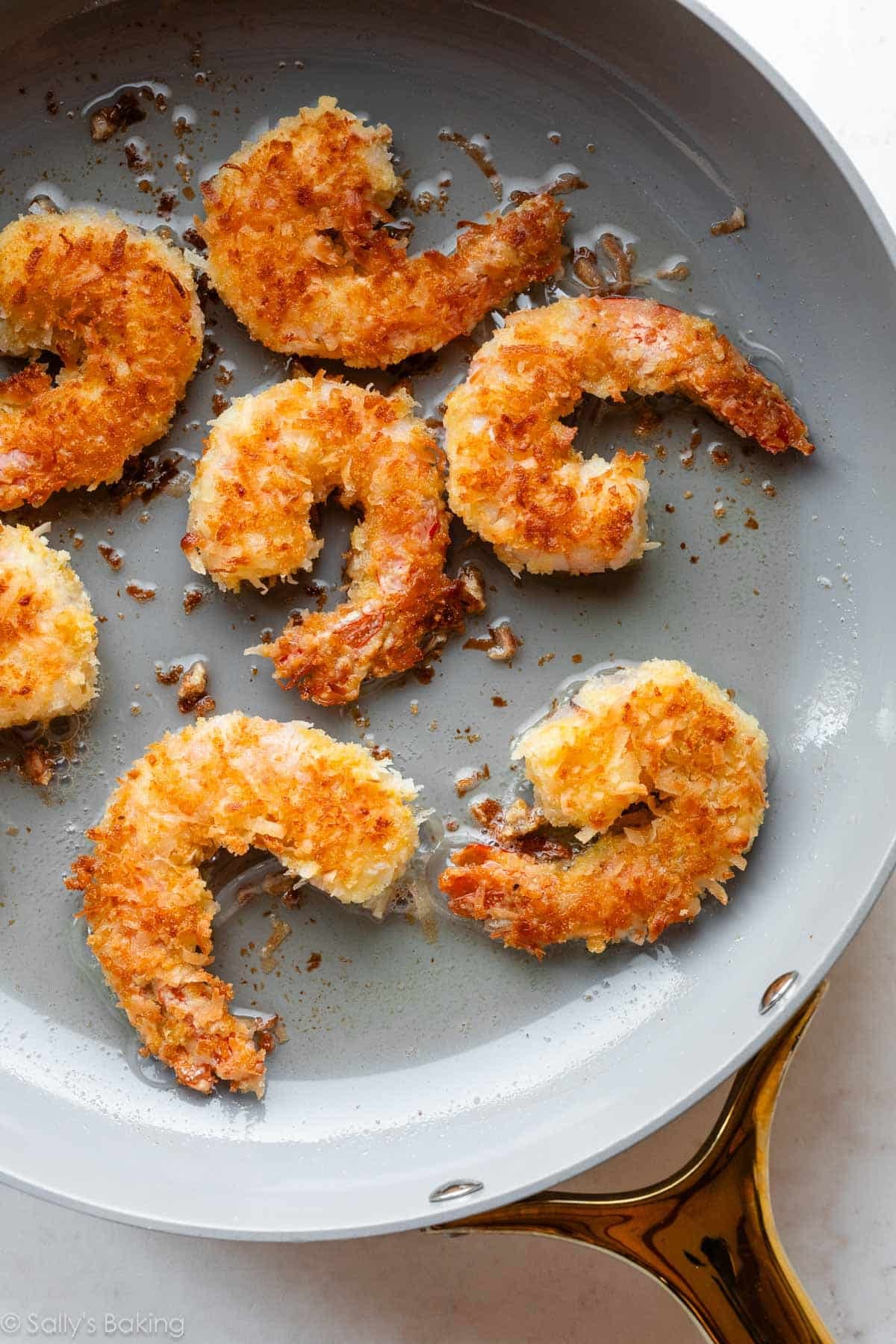
- Oil Quantity: Ensure there is enough oil to adequately cover the bottom of your skillet, typically about 1/2 to 1 inch deep, allowing the shrimp to fry evenly without sticking.
- Tools: A sturdy pair of tongs is indispensable for safely flipping the shrimp and maneuvering them in the hot oil.
- Batch Frying: It is crucial to fry the shrimp in batches. Overcrowding the pan will drastically lower the oil temperature, leading to greasy, soggy shrimp rather than crisp ones. Frying in smaller batches maintains a consistent oil temperature, allowing each shrimp to cook perfectly.
- Temperature Control: Maintaining medium heat is vital. If the oil is too hot, the delicate coconut coating will burn before the shrimp has a chance to cook through. Conversely, if the oil is too cool, the coating will absorb excessive oil, resulting in a heavy, greasy texture. A consistent medium heat ensures the coating crisps and caramelizes beautifully while the shrimp cooks to a tender, juicy state.
- Draining: Once cooked, transfer the golden-brown shrimp to a plate lined with paper towels. This allows any excess oil to drain off, preserving the crispness and preventing greasiness. Continue this process for all subsequent batches.
Timeline of Frying:
Each batch of shrimp typically requires only 2-3 minutes per side, depending on the size of the shrimp and the heat of the oil. The shrimp should turn opaque and the coating should be deeply golden. Overcooking will result in tough, rubbery shrimp, so monitoring closely is key.
Beyond the Pan: Alternative Cooking Methods
While pan-frying offers the best results for crispness, alternative cooking methods can be considered for dietary preferences or convenience, though they may slightly alter the texture:
- Baking: For a lighter option, coconut shrimp can be baked. After coating, arrange the shrimp in a single layer on a baking sheet lined with parchment paper or a wire rack. Lightly spray with cooking oil. Bake in a preheated oven at 400°F (200°C) for 10-15 minutes, flipping halfway through, until golden and cooked through. The crispness will be less intense than pan-fried but still enjoyable.
- Air Frying: The air fryer has emerged as an excellent tool for achieving a crispy texture with less oil. Arrange coated shrimp in a single layer in the air fryer basket, ensuring not to overcrowd. Lightly spray with oil. Air fry at 375°F (190°C) for 8-12 minutes, shaking the basket or flipping halfway, until golden and crispy. This method often comes closest to the pan-fried texture without the deep-frying mess.
The Perfect Accompaniment: Dipping Sauces
While coconut shrimp is delicious on its own, a complementary dipping sauce elevates the experience, much like zucchini fritters are enhanced by an accompanying Greek yogurt dip. The recommended pairing for this recipe is an effortless two-ingredient orange chili sauce, crafted from store-bought Thai chili sauce and orange preserves. This combination delivers a harmonious balance of sweetness with a delightful spicy kick, perfectly cutting through the richness of the fried shrimp.
Beyond this signature sauce, a variety of dipping options can further customize the culinary journey:
- Mango Salsa: A fresh, vibrant salsa made with diced mango, red onion, cilantro, and lime juice provides a tropical, tangy counterpoint.
- Sweet and Sour Sauce: Classic and universally appealing, a good sweet and sour sauce offers a familiar fruity tang.
- Sriracha Mayo: For those who prefer a creamy, spicy kick, a simple blend of mayonnaise and Sriracha sauce creates a rich and flavorful dip.
- Pineapple Habanero Dip: For a bolder, fruitier heat, a pineapple and habanero-based dip can offer an exciting contrast.
Once the ease and deliciousness of homemade coconut shrimp are experienced, many individuals find themselves eschewing restaurant versions entirely. The combination of the crunchy coconut coating, succulent shrimp, and a perfectly balanced sweet-and-spicy dipping sauce creates an irresistible culinary synergy that makes every bite a memorable one. For those looking to expand their repertoire, a similar approach can be applied to other proteins, such as crispy coconut chicken with spicy honey orange sauce, demonstrating the versatility of the breading technique.
Serving and Storage: Maximizing Enjoyment
Coconut shrimp offers remarkable flexibility in how it can be served and managed for future enjoyment.
Serving Suggestions:
- Appetizer: The most common presentation, served with lime wedges and cilantro for garnish, alongside various dipping sauces. Ideal for parties and gatherings.
- Main Course: Pair with a light, fresh salad (like a mixed green salad with a citrus vinaigrette), jasmine rice, or even some roasted vegetables for a complete and satisfying meal. The sweetness of the shrimp balances well with crisp greens.
- Snack: A quick, indulgent treat for any time of day.
Storage and Reheating:
- Make Ahead: The breaded shrimp can be prepared a few hours in advance and refrigerated until ready to fry. This is a convenient option for entertaining, allowing for quick cooking once guests arrive.
- Leftovers: Fried coconut shrimp leftovers reheat remarkably well, retaining much of their crispness. The oven or air fryer are the preferred methods for reheating, as microwaving tends to make them soggy. Reheat in a preheated oven at 350°F (175°C) for 8-10 minutes, or in an air fryer at 350°F (175°C) for 5-7 minutes, until hot and crispy.
- Freezing: Cooked coconut shrimp can be frozen for up to two months. To reheat from frozen, place them in a single layer on a baking sheet and bake in a 350°F (175°C) oven until thoroughly heated through and crispy, typically 15-20 minutes. Freezing raw, breaded shrimp is also an option; flash freeze on a baking sheet before transferring to a freezer bag. Cook from frozen, adjusting cooking time as needed.
A Culinary Journey from Restaurant to Home Kitchen: Broader Implications
The rise of accessible, high-quality recipes like this easy coconut shrimp reflects several broader culinary and societal trends. Firstly, it speaks to the increasing sophistication of the home cook, empowered by digital resources to recreate restaurant-caliber dishes. This democratizes fine dining, making once-exclusive flavors attainable within the comfort of one’s kitchen.
Secondly, it highlights the influence of global cuisine on everyday cooking. Coconut shrimp, with its tropical notes and crispy texture, is a dish with roots in various Southeast Asian and Caribbean culinary traditions, adapted and popularized in Western palates. The ease of sourcing ingredients from diverse international markets further fuels this trend, encouraging experimentation and fusion in home cooking.
Finally, the emphasis on "easy" and "30-minute" recipes caters to modern lifestyles, where time is often at a premium. Consumers are increasingly seeking convenience without compromising on quality or flavor. Recipes that promise delicious results with minimal effort are particularly valued, contributing to a cultural shift towards more efficient and enjoyable home cooking. This trend not only provides economic benefits by reducing reliance on takeout and restaurant dining but also fosters a deeper connection to food preparation and appreciation. The iterative improvement of recipes online, driven by community engagement, ensures that these culinary guides remain relevant and effective for a dynamic audience, solidifying the role of digital platforms as essential tools for the contemporary home chef.