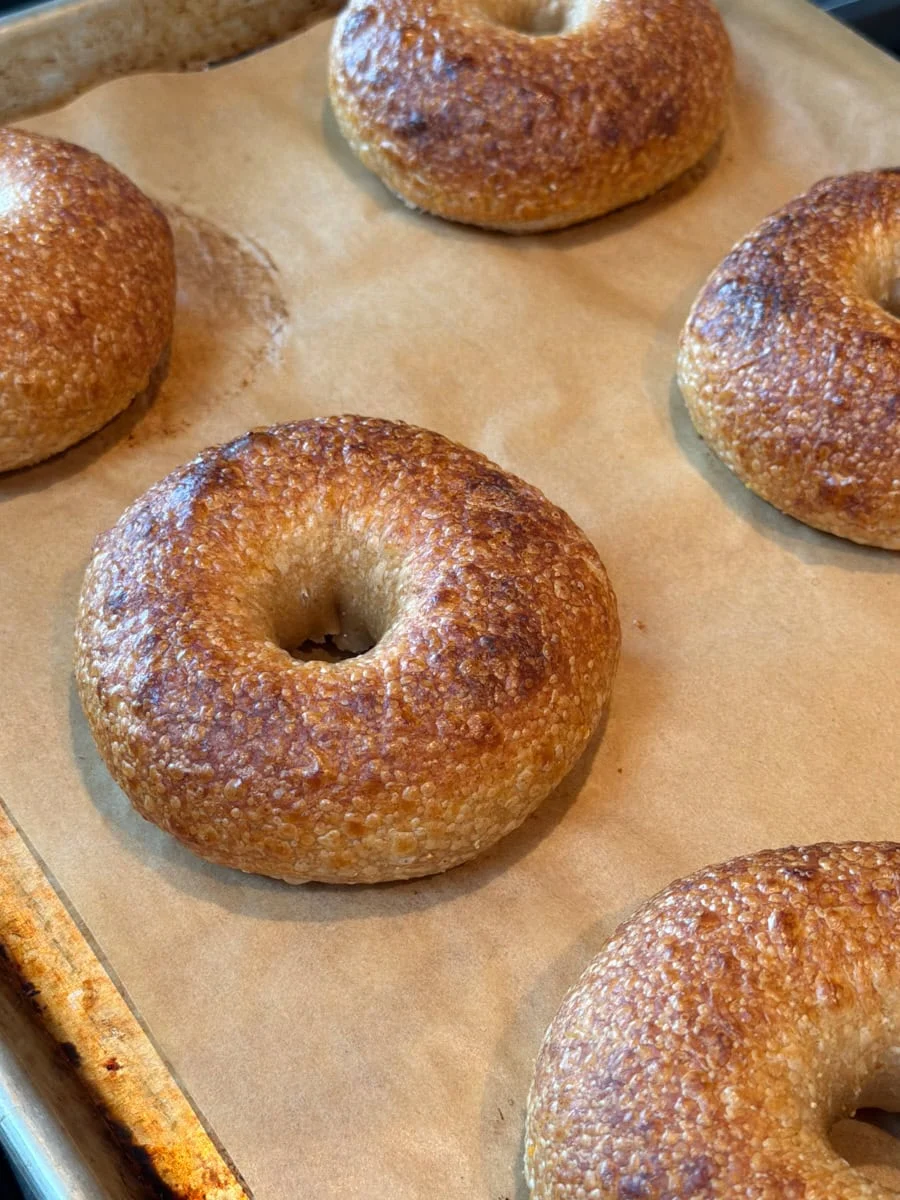

The global landscape of artisan baking continues to experience a profound transformation, moving away from hyper-standardized industrial food production and toward regionally nuanced, highly technical fermentation practices. While traditional New York-style bagels have long defined the American culinary perception of the boiled bread ring—characterized by a dense crumb and thick, chewy exterior—a new wave of artisan bakers is challenging these established paradigms. Spearheaded by experimental bread developers and independent bakeries from Los Angeles to Portland, a refined "new wave" sourdough bagel has emerged, marrying the complex, open crumb structure of artisan hearth bread with the time-honored tradition of boiling and baking.
Background Context and the Shift in Artisan Technique
For decades, the standard blueprint for commercial and traditional bagels relied on high-protein flours, rapid commercial yeast deployment, and a straightforward rolling and boiling method designed to yield uniformity, structural stability, and intense chewiness. However, the contemporary culinary movement—exemplified by viral operations such as Courage Bagels in Los Angeles—has popularized a lighter, more delicate style.
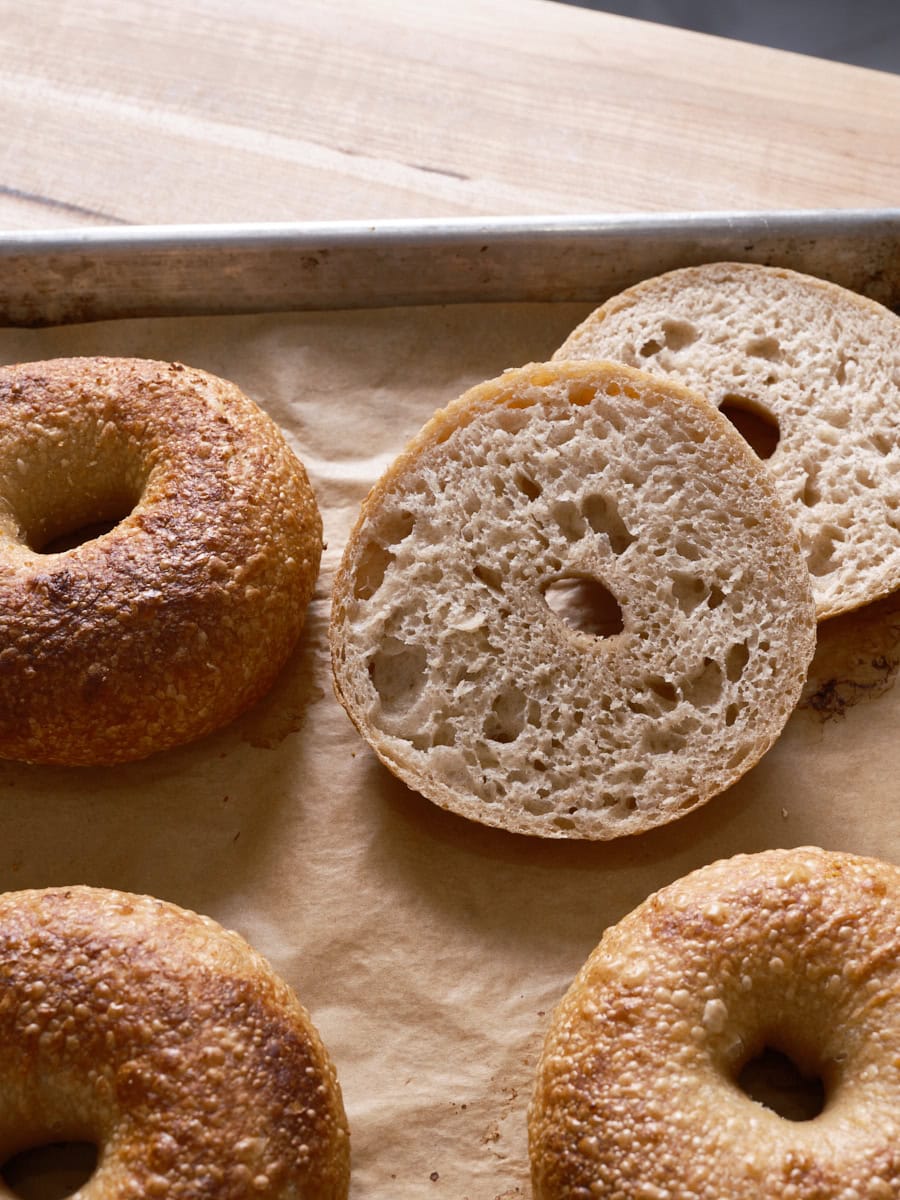
Artisan bakers working within this modern framework have systematically deconstructed the traditional formula. By lowering protein percentages slightly to increase tenderness, integrating ancient or whole grains like rye and whole wheat for aromatic depth, and adapting high-hydration dough handling techniques, contemporary bakers are producing bagels with glossy, blistered crusts and structurally open interiors. This evolution reflects a broader consumer demand for sourdough products that offer sophisticated flavor profiles without the heavy, monochromatic density often associated with traditional regional varieties.
Chronology and Development of the Modern Formula
The perfection of the new wave sourdough bagel formula represents a meticulous, multi-year progression of variable testing. The development cycle typically spans a rigorous three-day production schedule designed to optimize chemical reactions, enzyme activity, and yeast-to-bacteria ratios.
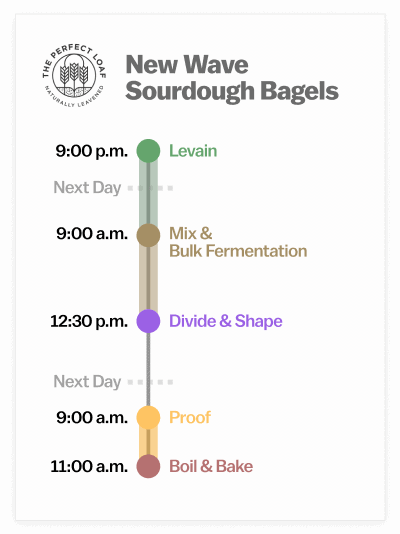
Day One of the production cycle begins in the evening with the preparation of a specialized preferment, frequently termed a "sweet levain." By introducing a measured quantity of refined sugar to the starter culture alongside white flour and water, bakers skew the microbial balance to favor yeast activity over lactic acid bacteria. This precise adjustment ensures maximum gaseous expansion and oven spring during baking while mitigating the sharp, dominant sourness commonly associated with long-fermented sourdoughs.
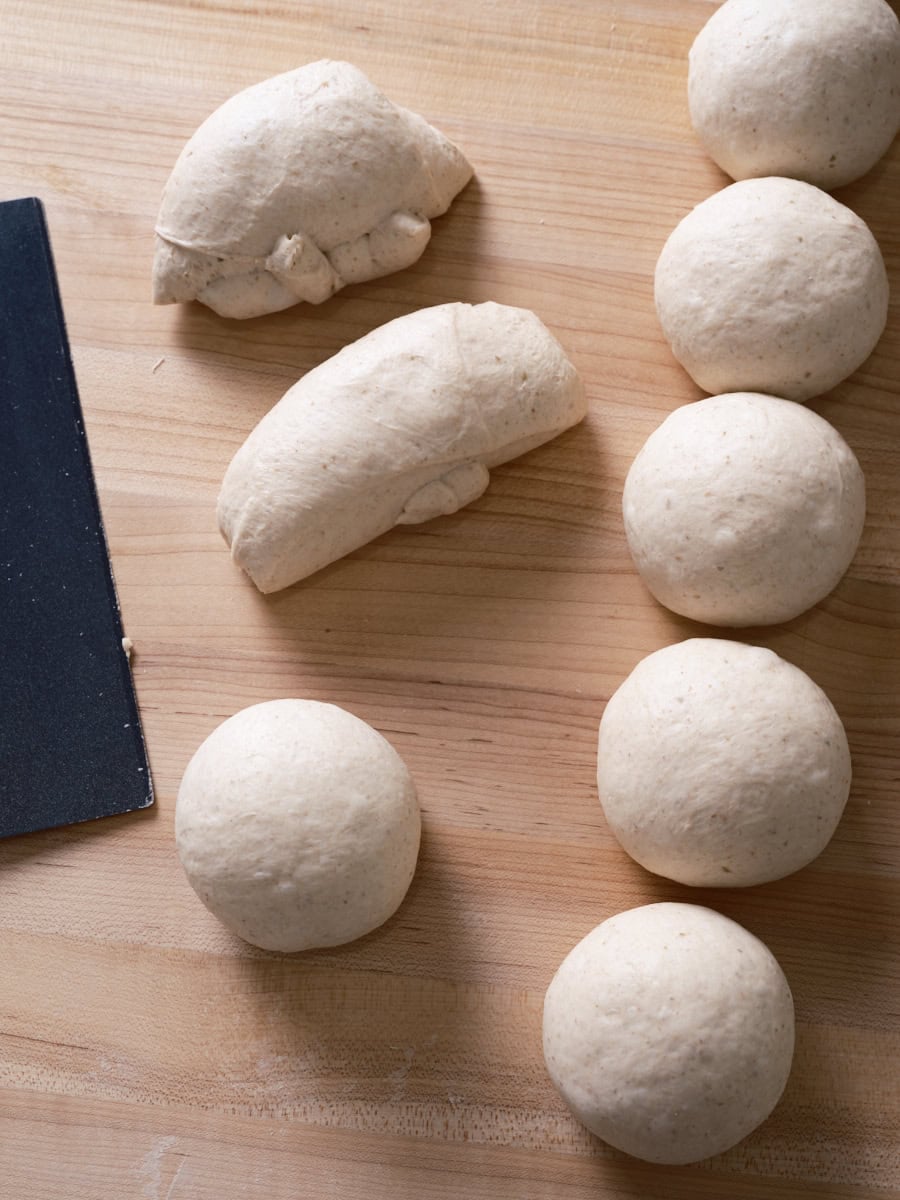
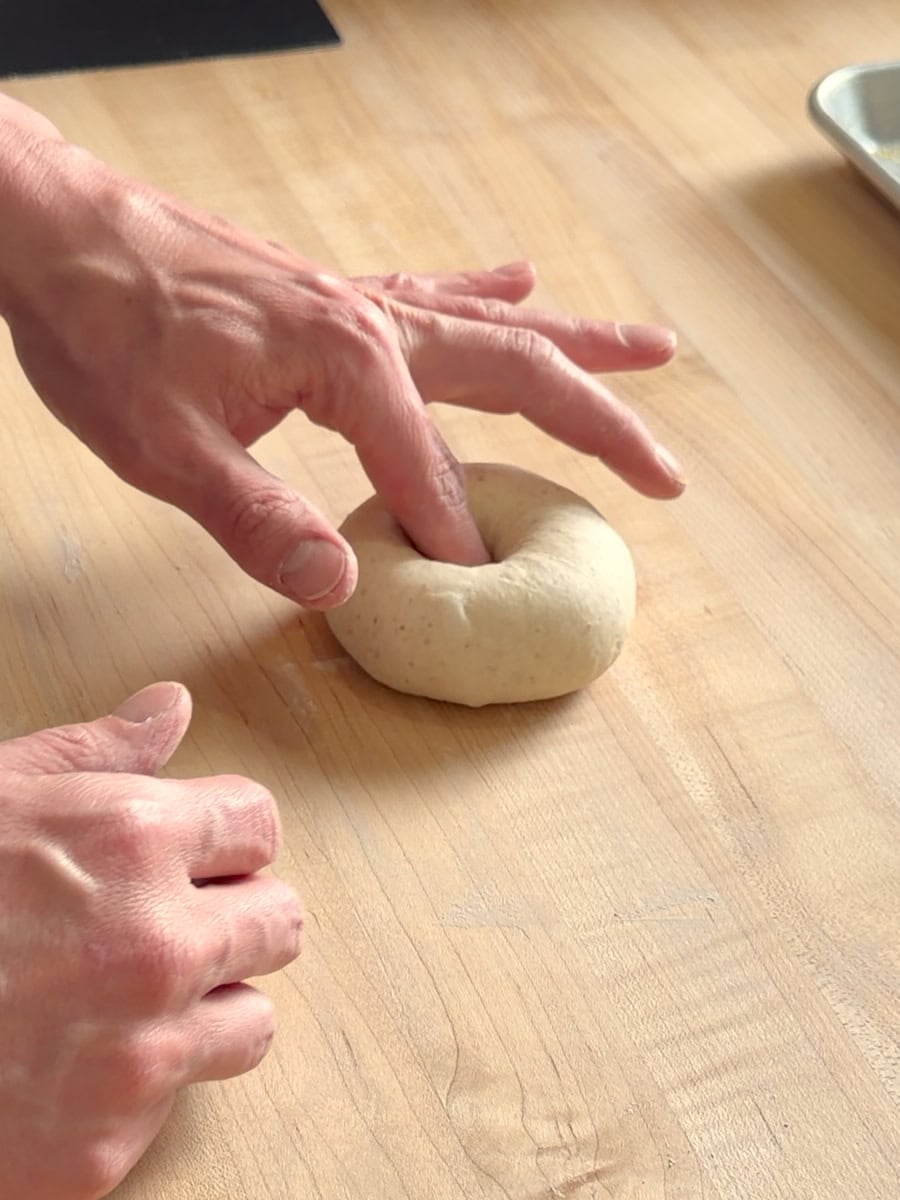
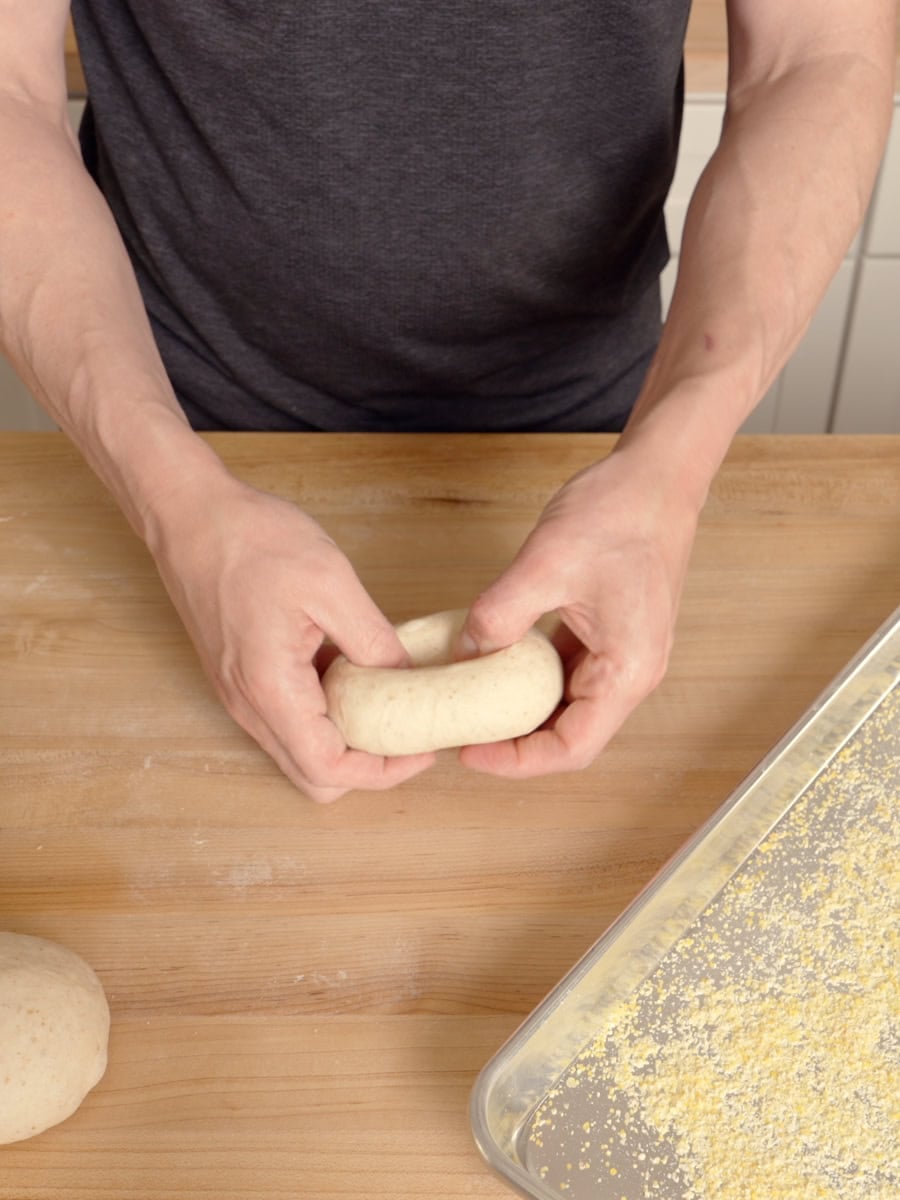
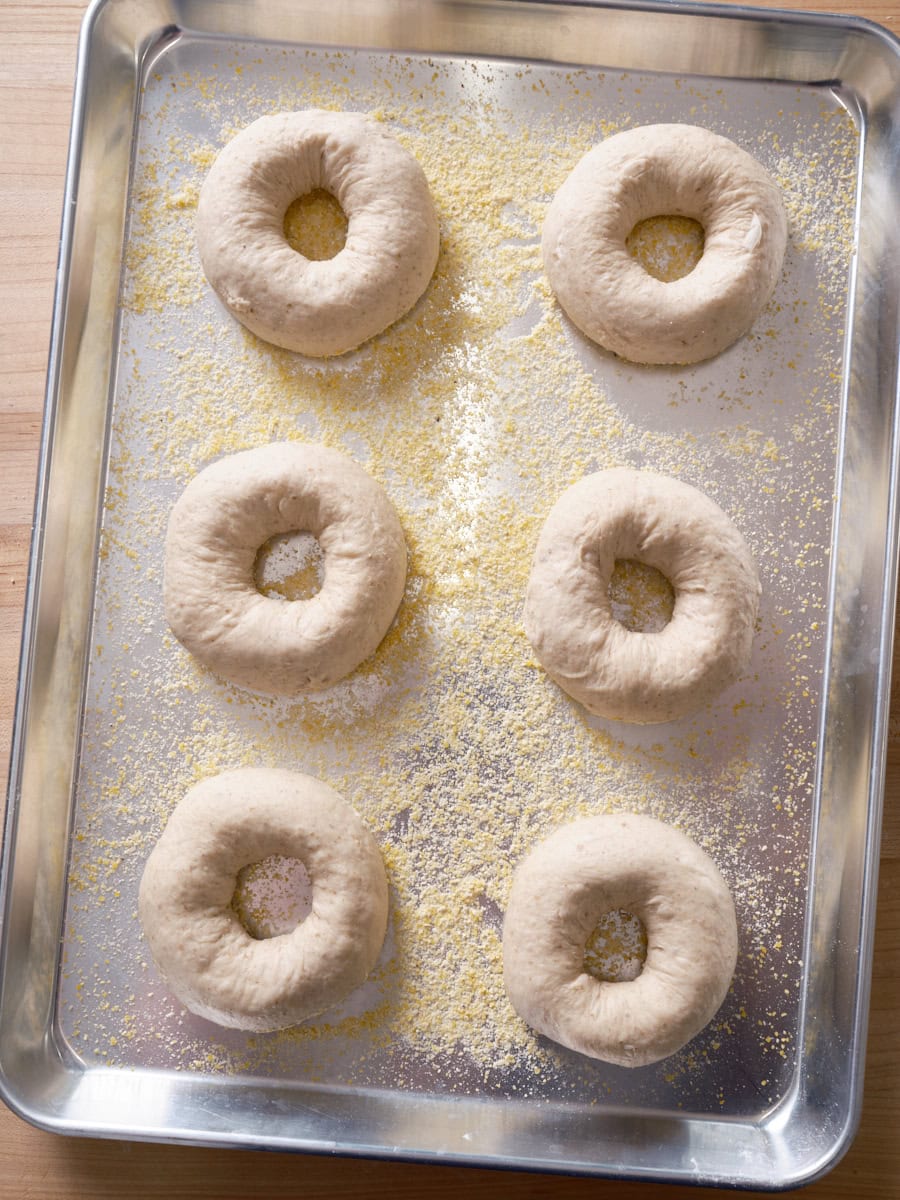
Day Two involves the principal mixing, bulk fermentation, and shaping phases. Modern formulas incorporate intricate flour blends—typically uniting high-protein white flour (12% to 14% protein content) for structural integrity, medium-protein artisan white flour for tenderness, and small percentages of whole wheat and whole rye for earthy complexity. Following a regulated bulk fermentation period, the dough is divided and shaped using the "poke method." Rather than rolling individual strands of dough and joining the ends—a technique prone to structural failure during boiling—bakers flatten individual dough balls and puncture the center, gently stretching the ring to achieve uniform geometry.
Subsequent to shaping, the dough undergoes an overnight cold fermentation, or retard, in a refrigerated environment. This cold rest allows enzymatic processes to continue slowly, deepening the crust’s coloration potential and enhancing the overall flavor complexity while offering bakeries and home practitioners flexible scheduling.
Scientific Implications of Ingredients and Thermal Processing
The unique textural and visual attributes of the new wave sourdough bagel rely heavily on specific biochemical components and precise thermal execution.
- Diastatic Malt Powder: Unlike non-diastatic barley malt syrup, which primarily contributes flavor and residual sweetness, diastatic malt powder contains active enzymes that actively break down complex starches into simpler sugars during fermentation and baking. This chemical transformation directly fuels the yeast, amplifies oven spring, and promotes deep, uniform browning of the crust.
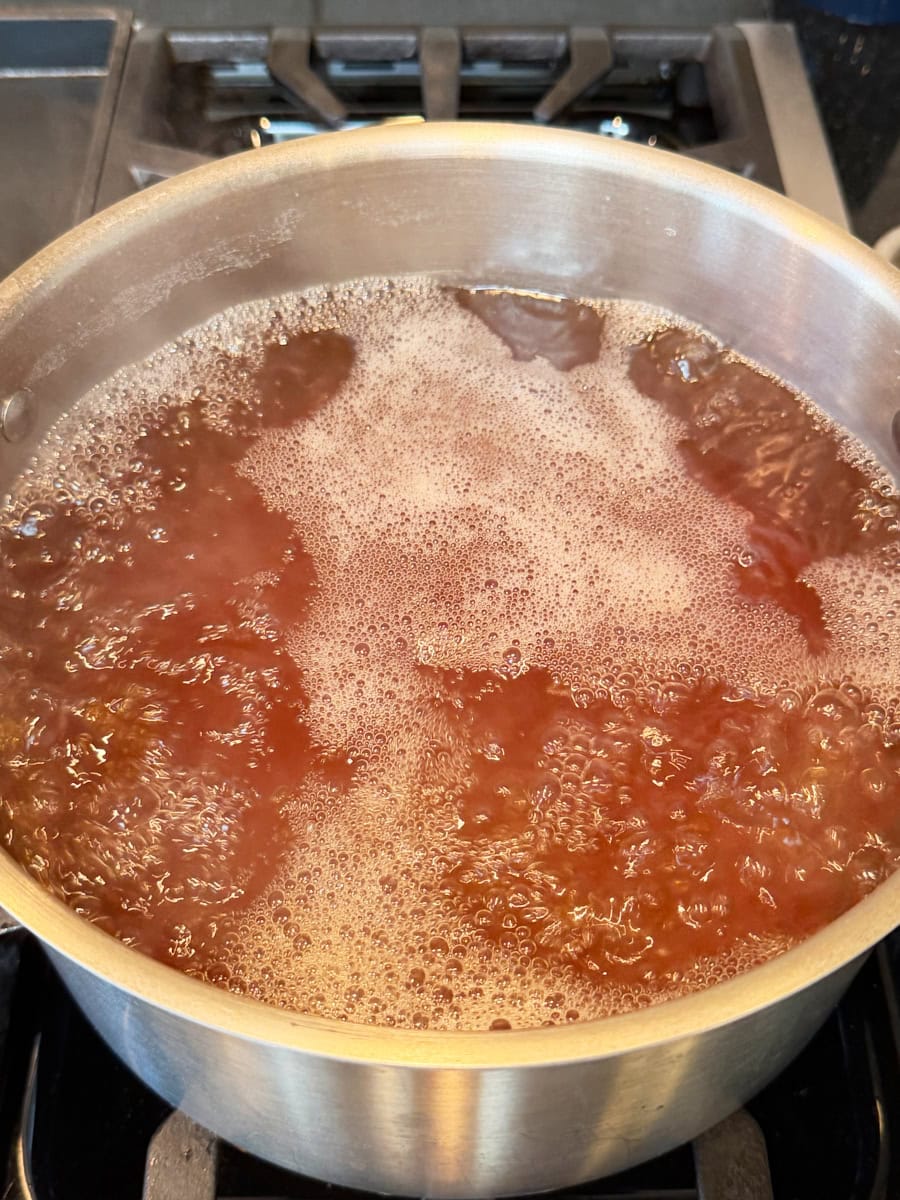
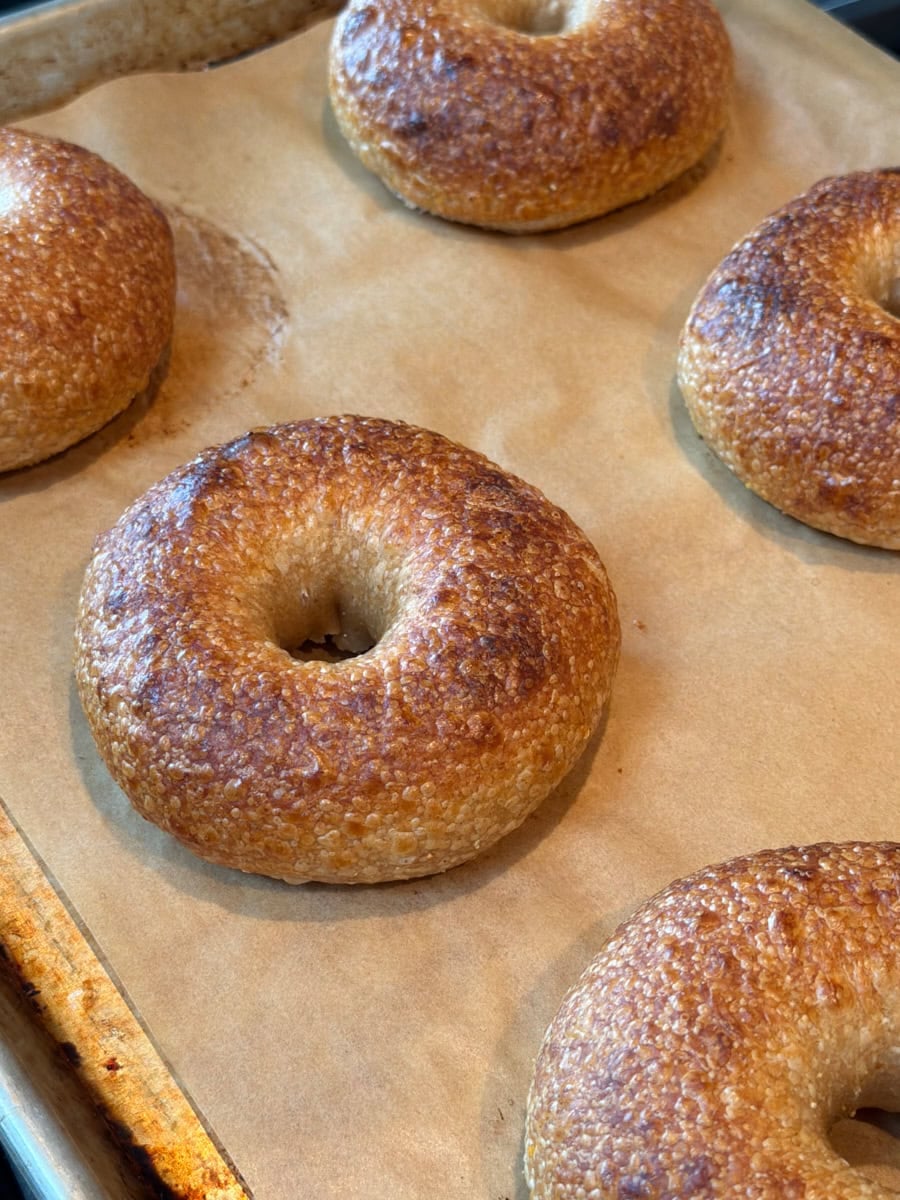
- The Alkaline and Malty Boil: Prior to baking, the proofed dough rings undergo a brief immersion in a vigorously boiling bath composed of water, barley malt syrup, and a small amount of baking soda. The alkalinity introduced by the baking soda accelerates the Maillard reaction and starch gelatinization on the exterior of the dough, locking in the characteristic glossy sheen and creating micro-blisters upon exposure to extreme heat.
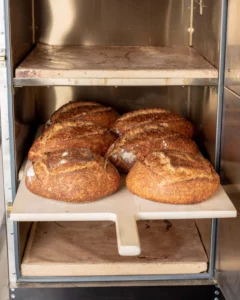
- Hearth Environment and Direct Thermal Transfer: Baking these high-hydration doughs requires direct, intense heat from below, typically achieved utilizing a preheated baking steel or heavy stone at temperatures exceeding 500 degrees Fahrenheit. The sudden thermal shock, combined with targeted steam introduction in the oven chamber, encourages rapid gas expansion and sets the open interior crumb structure while maintaining a remarkably thin, crisp crust.
Industry Implications and Consumer Response
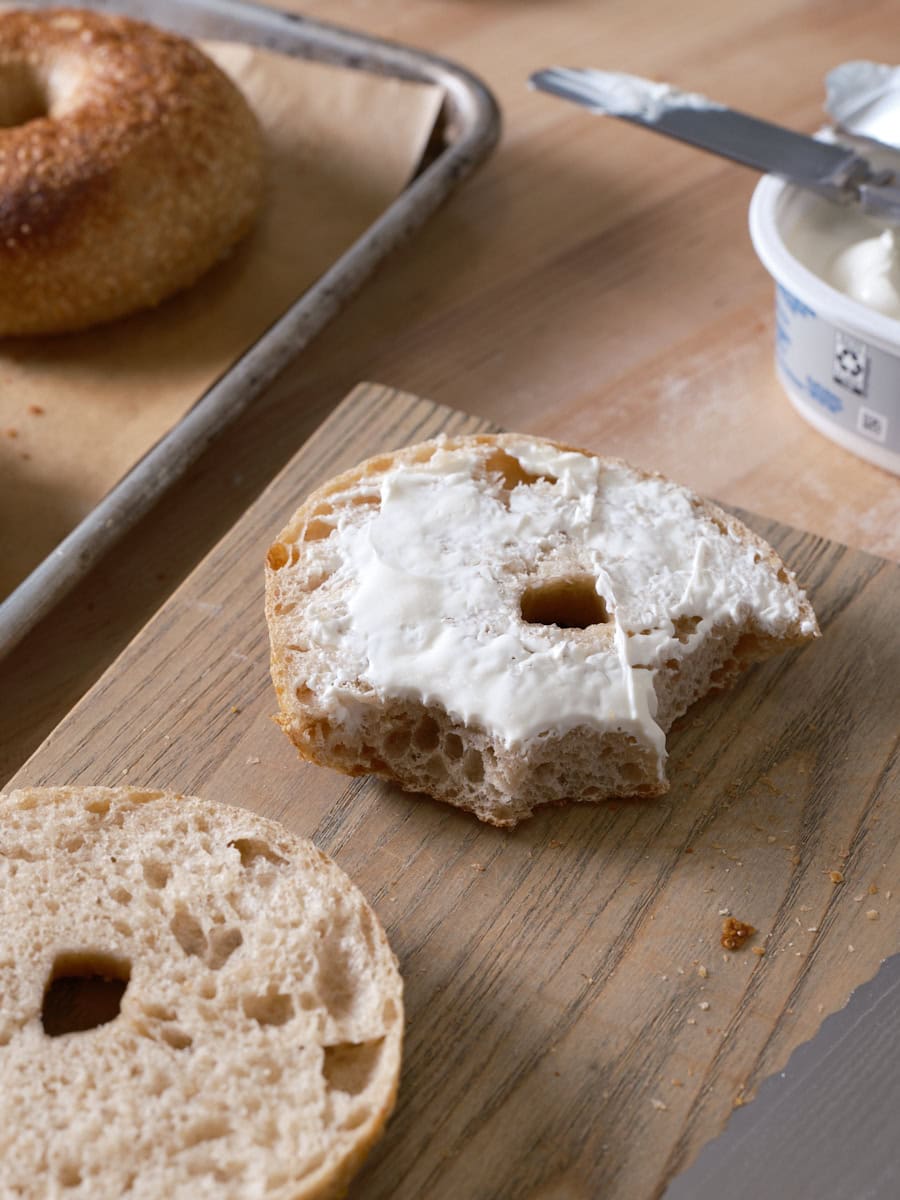
The commercial and home-baking reception of this updated bagel methodology highlights a significant shift in consumer preferences toward transparency, ingredient integrity, and textural contrast. Culinary analysts note that while traditionalists maintain an affinity for the heavy, uniform chew of classic metropolitan styles, the modern iteration appeals directly to demographics that value the digestibility and nuanced flavor characteristics of long-fermentation sourdoughs.
Furthermore, the adaptability of the formula—permitting both multi-day cold retard schedules and same-day adaptations—has democratized high-level artisan baking. As independent bakers across North America continue to refine and share these technical parameters, the boundary between rustic hearth bread and localized breakfast staples continues to dissolve, permanently altering the modern baking lexicon.