
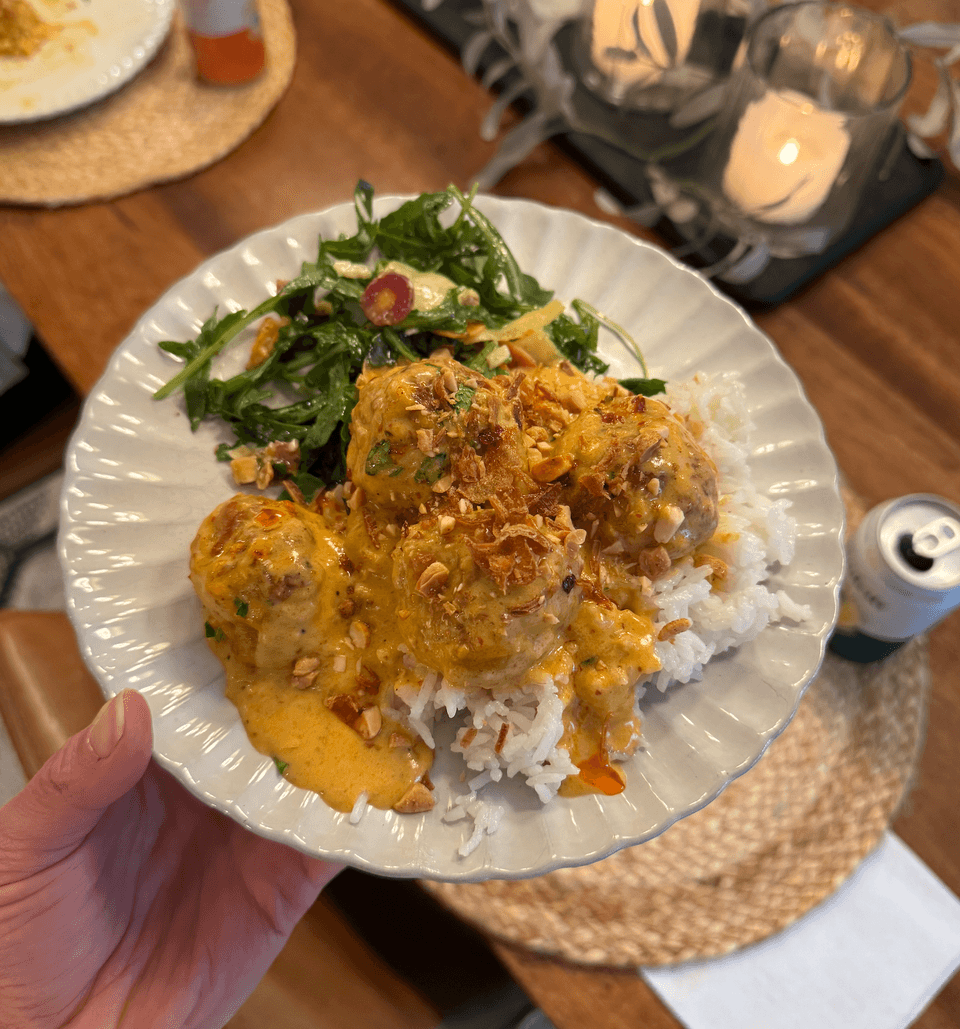
The culinary landscape continually seeks innovative yet accessible dishes that marry convenience with gourmet appeal. A recent highlight gaining traction among home cooks is the Yellow Curry Meatballs with Peanut Shallot Crispies, a creation lauded by prominent food blogger Lindsay Ostrom of Pinch of Yum. This dish, celebrated for its vibrant flavors and streamlined preparation, recently proved its mettle during a demanding weeknight family gathering, earning unanimous praise and solidifying its status as a reliable crowd-placer.
The impetus for this recipe’s public acclaim stemmed from a common domestic challenge: hosting an extensive family dinner on a weekday evening with limited preparation time. Lindsay Ostrom, facing the prospect of entertaining parents, brothers, and their significant others, sought a dish that was both engaging for discerning palates and manageable for a busy schedule. The solution, which materialized just hours before guests arrived, was a testament to inventive cooking under pressure. The resulting dish, described by Ostrom as "group dinner perfection," demonstrated an optimal balance of complex flavors and simple execution, effectively transforming a potential culinary dilemma into a triumph. This scenario resonates deeply with contemporary households navigating the demands of professional life alongside a desire for home-cooked, impressive meals.
The Genesis of a Weeknight Masterpiece
The inspiration for this particular recipe arose from a spontaneous need for an appealing yet low-stress meal for a larger family gathering. Ostrom recounted realizing, around 3 PM on the day of hosting, that a concrete plan was urgently needed. The criteria were clear: it had to be "fun, interesting, and appealing to the foodies" without causing undue stress. The resulting Yellow Curry Meatballs were not merely a solution but an exemplary demonstration of how strategic meal planning and smart ingredient choices can yield remarkable results under time constraints. This experience highlights a universal challenge for modern hosts and offers a practical, flavorful blueprint for success.
Anatomy of the Dish: Flavor Profile and Key Ingredients

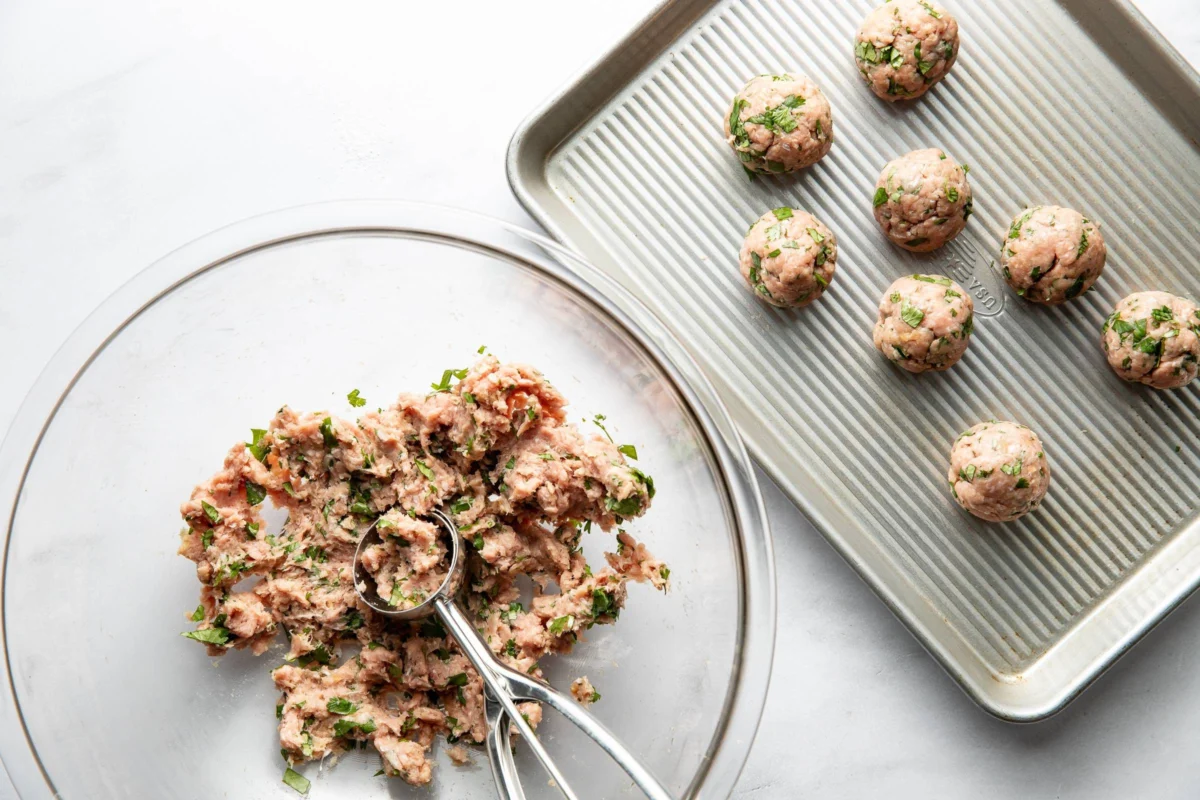
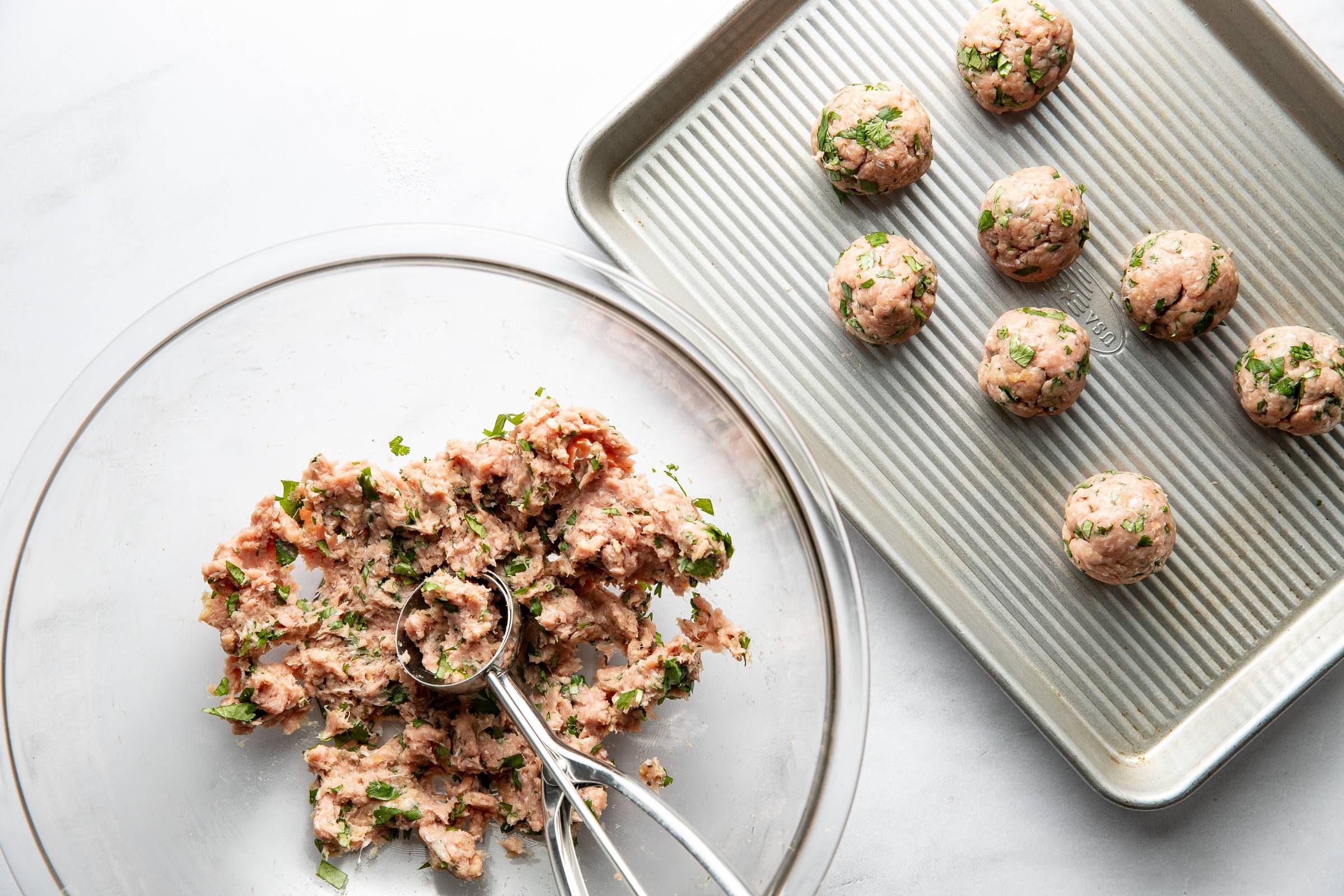
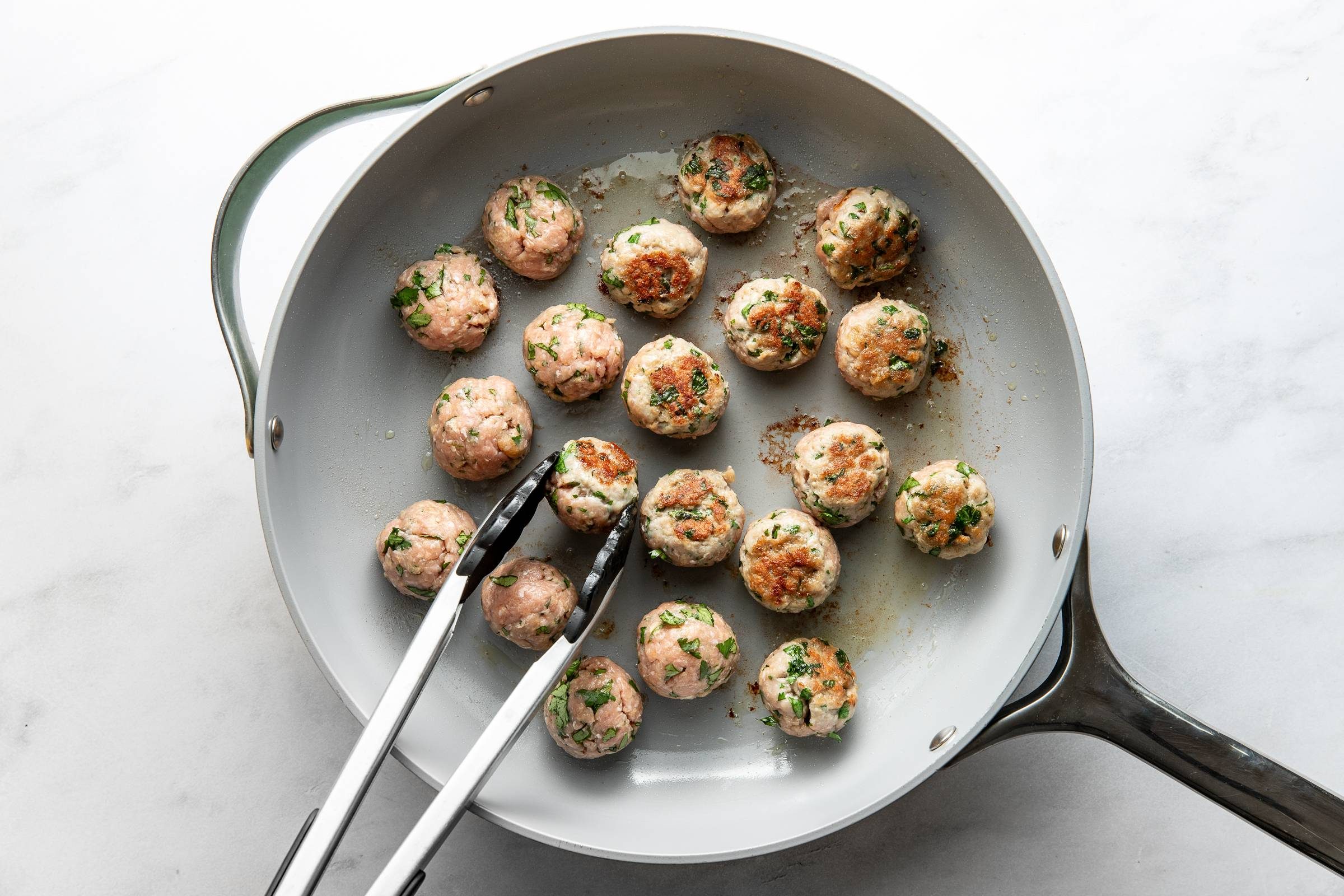
At the heart of this dish are the "herby meatballs," meticulously pan-fried to achieve a desirable golden crust. This initial browning step is crucial, not merely for aesthetic appeal but for developing a rich, savory depth through the Maillard reaction. This chemical process creates hundreds of new flavor compounds, significantly enhancing the meatball’s profile before it even enters the sauce. The meatballs themselves are infused with fresh herbs, contributing a bright, aromatic counterpoint to the eventual richness of the curry. While the specific herbs were not detailed, common choices in such preparations often include cilantro, mint, or basil, each lending a distinct fresh note that elevates the overall taste. The act of rolling the meatballs by hand, while seemingly minor, allows for a consistent texture and even cooking, contributing to the dish’s overall success.
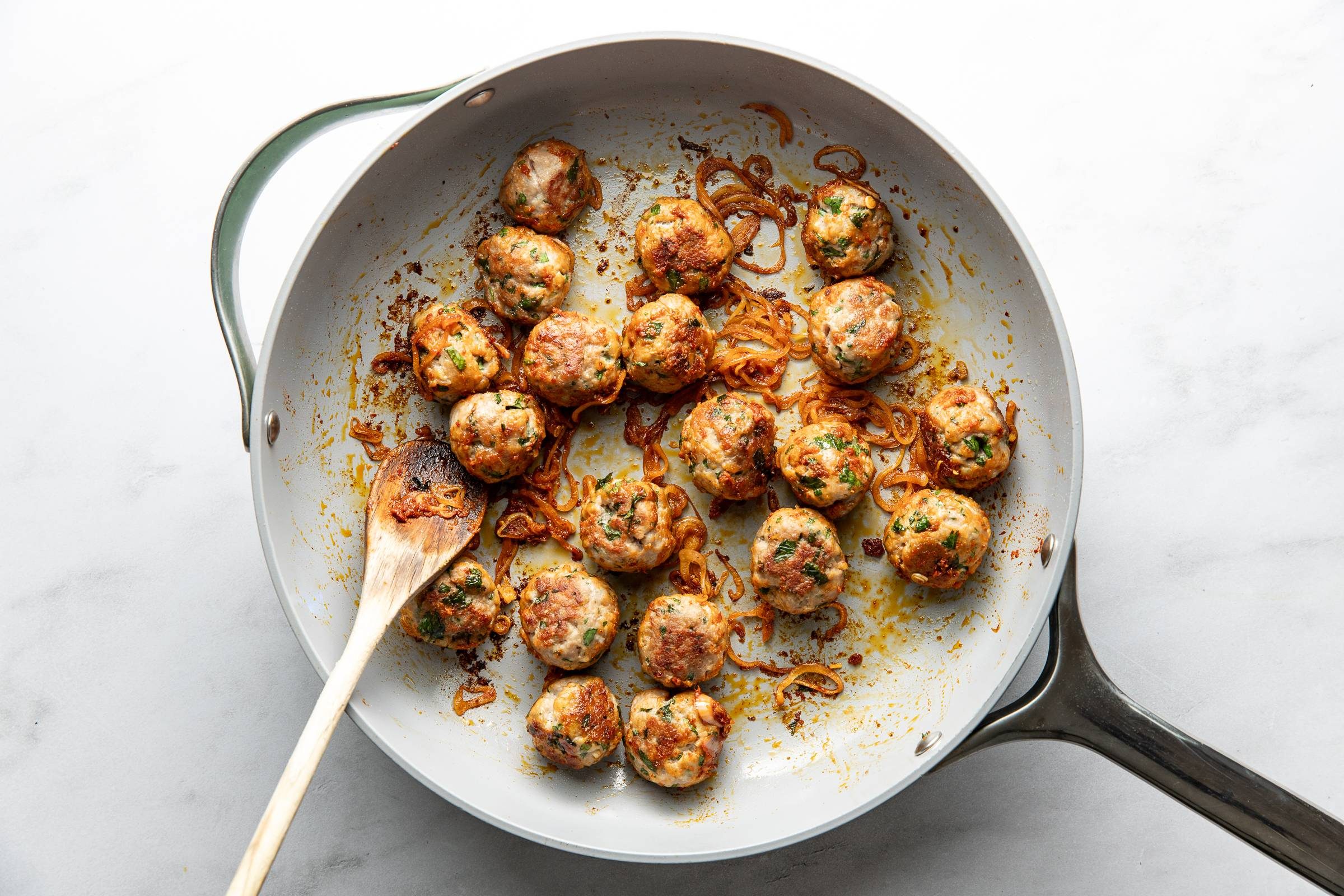
Following the browning, the same pan becomes the stage for the rapid development of the yellow curry sauce. This "quick little yellow curry sauce," which Ostrom likens to a "gravy" due to its rich, coating consistency, is built directly upon the flavorful fond left behind by the pan-fried meatballs. This deglazing technique captures all the caramelized bits, ensuring that no flavor is wasted and contributing to the sauce’s inherent depth. Shallots are introduced, sautéed until softened and translucent, adding a delicate sweetness and aromatic foundation. Shallots, being milder and sweeter than onions, integrate seamlessly without overpowering the other nuanced flavors of the curry.
Ingredient Deep Dive: The Power of Yellow Curry Paste
The linchpin of the sauce is, of course, the yellow curry paste. Ostrom specifically endorses a particular Thai brand, highlighting its potency and authentic flavor profile. This emphasis on a high-quality, pre-made paste underscores the recipe’s weeknight-friendly ethos, allowing home cooks to achieve complex flavors without the extensive labor typically associated with scratch-made curry pastes. The yellow curry paste, a staple in Thai cuisine, typically comprises a blend of aromatic ingredients such as lemongrass, galangal, kaffir lime zest, dried red chilies, turmeric, cumin, coriander, and sometimes shrimp paste. Its distinctive golden hue is largely attributed to turmeric, which also contributes an earthy, slightly bitter note.
For those inclined towards a more artisanal approach, Ostrom also provides a recipe for a homemade yellow curry paste, noting that its less concentrated nature requires a larger quantity for comparable flavor intensity. This flexibility caters to varying levels of culinary ambition and ingredient accessibility. The paste, once added to the sautéed shallots, is briefly cooked to toast the spices, releasing their full aromatic potential before liquids are introduced.
The Art of Preparation: A Step-by-Step Culinary Guide

The preparation of these Yellow Curry Meatballs is designed for efficiency and maximum flavor development within a compact timeframe. The chronology of steps is crucial for achieving the desired outcome:
- Meatball Preparation: Ground meat (typically turkey, though adaptable) is combined with fresh herbs and seasonings, then rolled into uniform balls. The addition of fresh herbs at this stage is vital for infusing the meatballs with bright, aromatic notes that will complement the rich curry.
- Browning the Meatballs: The meatballs are pan-fried until golden brown. This step is non-negotiable for flavor development. The intense heat of the pan initiates the Maillard reaction on the surface of the meatballs, creating a savory crust that locks in juices and adds complexity to the overall dish. While not fully cooked at this stage, the exterior caramelization is paramount.
- Aromatic Base: After the meatballs are removed, shallots are added to the same pan, capitalizing on the residual fat and flavorful fond. They are sautéed until soft and translucent, forming the sweet and mild aromatic base for the curry sauce.
- Curry Paste Activation: The yellow curry paste is then incorporated, briefly cooked with the shallots. This "toasting" of the paste helps to awaken and intensify the flavors of its constituent spices, ensuring a more vibrant and aromatic sauce.
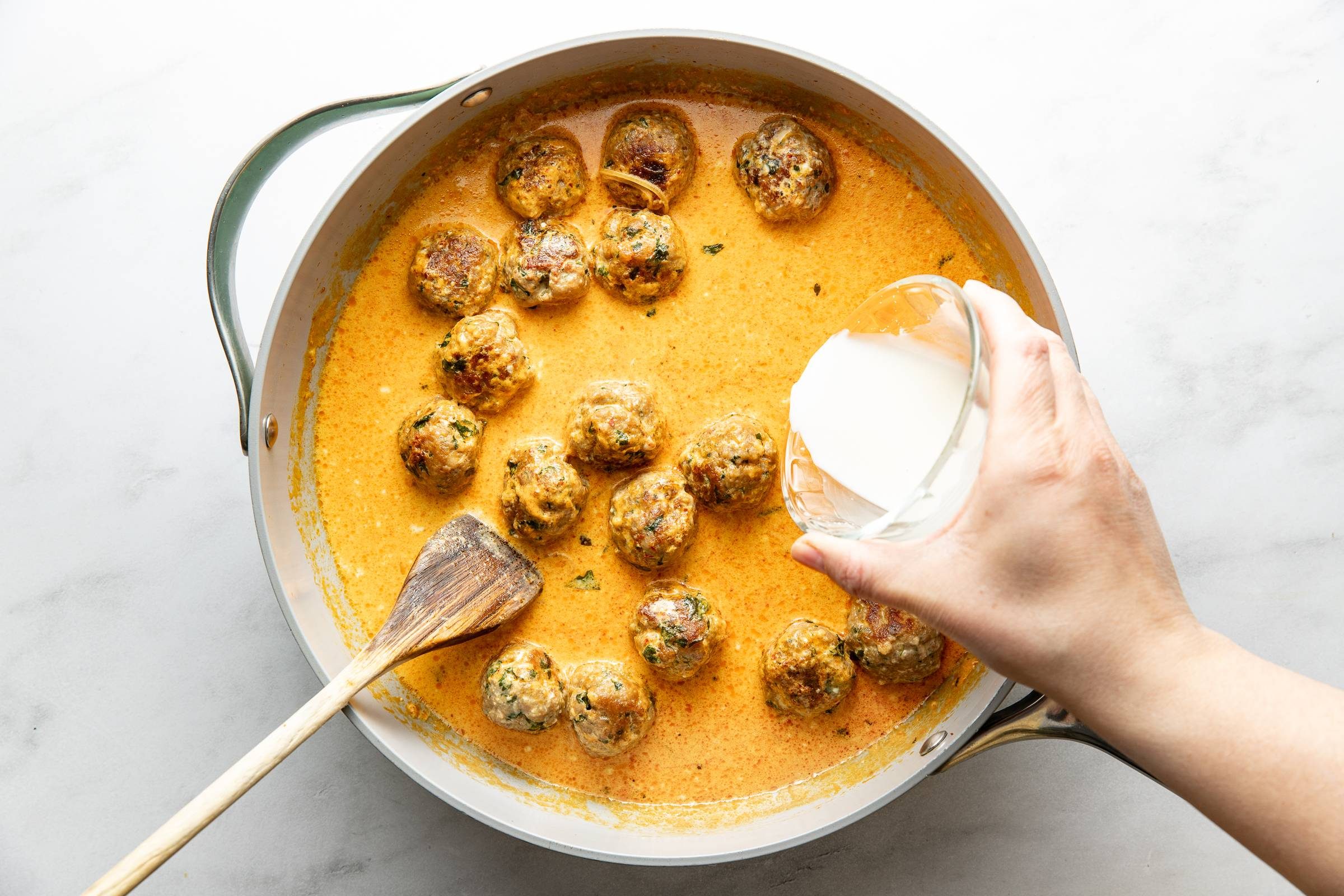
- Sauce Development: Coconut milk is poured into the pan, deglazing the fond and creating a rich, creamy liquid. The meatballs are then returned to the pan to simmer gently in this nascent curry sauce. This allows them to finish cooking through while absorbing the complex flavors of the curry.
- Thickening (Optional but Recommended): To achieve a luxurious, gravy-like consistency, a cornstarch slurry (a mixture of cornstarch and cold water) is often added to the simmering sauce. This step enhances the mouthfeel, ensuring the sauce clings beautifully to the meatballs and any accompanying starch.
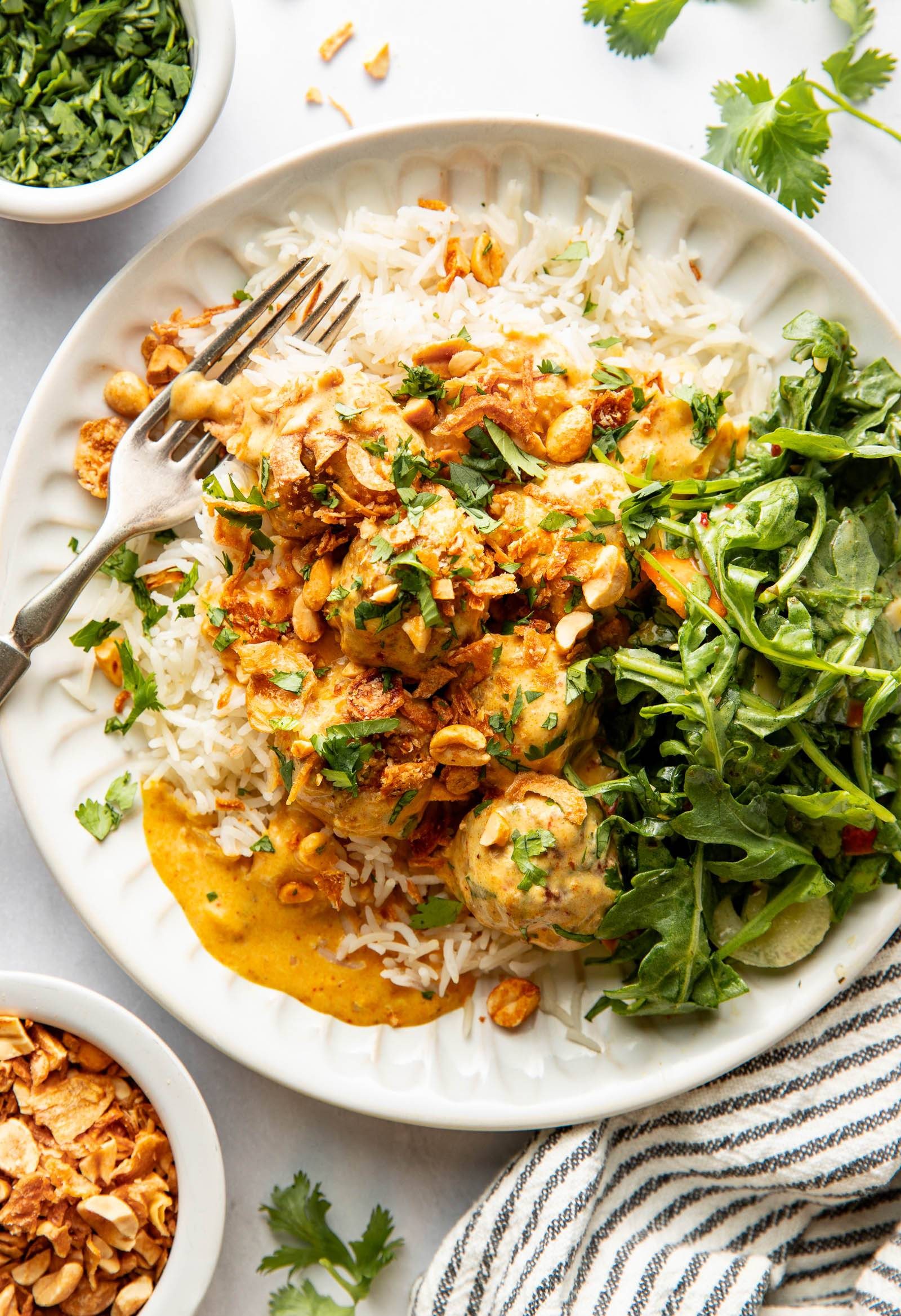
- Finishing Touches: The dish is completed with a garnish of crushed peanuts and crispy shallots, offering a textural contrast and nutty flavor dimension.
Serving Suggestions and Accompaniments
The dish is typically served over rice, which acts as a neutral canvas to absorb the flavorful curry sauce. To introduce an additional layer of texture and taste, Ostrom suggests a topping of crushed peanuts and crispy shallots. These "Peanut Shallot Crispies" provide a delightful crunch and a nutty, slightly sweet counterpoint to the savory, spicy curry. The contrast in textures – tender meatballs, creamy sauce, and crispy topping – is a hallmark of well-conceived dishes, adding complexity and preventing palate fatigue. Complementing the main course, Ostrom pairs the meatballs with a lemony arugula salad, noting its "bright and fresh" qualities and its aesthetic appeal on the plate. The acidity from the lemon in the salad cuts through the richness of the curry, creating a balanced and refreshing meal.
Dietary Adaptability and Variations
The versatility of this recipe extends beyond its primary iteration. Addressing frequently asked questions, Ostrom confirms that various ground meats can be substituted for the turkey. Ground chicken, ground beef, or ground pork are all viable options, each imparting a slightly different character to the meatballs. The author expresses a personal fondness for ground beef with yellow curry, highlighting the robust flavor pairing. For those seeking a plant-based alternative, the recipe can be effortlessly adapted by replacing the meatballs with crispy tofu, providing a vegetarian-friendly option that maintains the dish’s core flavor profile and textural interest. This adaptability underscores the recipe’s broad appeal and its potential to cater to diverse dietary preferences.
Furthermore, the cooking method for the meatballs has been carefully considered. While baking the meatballs is technically possible (at 400 degrees Fahrenheit for approximately 25 minutes before adding to the sauce), Ostrom strongly advocates for pan-frying. Her trials revealed that pan-frying imparts a superior color and, more importantly, a deeper flavor to the meatballs that is noticeably absent when baked. This preference for pan-frying highlights a key principle in cooking: investing a little extra effort in foundational steps often yields significant improvements in the final dish’s taste and texture. The caramelized exterior achieved through pan-frying contributes significantly to the overall aromatic complexity and savory notes of the meal.
The choice of curry paste also offers flexibility. In instances where yellow curry paste is unavailable, red curry paste can be used as a substitute. Ostrom advises adjusting the quantity, typically recommending around two tablespoons of red curry paste, as its spice level and concentration can vary by brand and may differ from the specific yellow curry paste she uses. This practical advice ensures that home cooks can successfully recreate the dish even with minor ingredient substitutions, promoting accessibility and reducing potential barriers to preparation.
The Rise of Home Entertaining and Accessible Gourmet
This recipe’s emergence and enthusiastic reception can be contextualized within broader trends in modern home cooking. There is a growing demand for "weeknight magic" – recipes that deliver restaurant-quality flavors with minimal fuss. Consumers are increasingly seeking dishes that are both nourishing and exciting, moving beyond mundane staples without sacrificing convenience. Food bloggers like Lindsay Ostrom play a crucial role in this ecosystem, acting as culinary innovators and trusted guides, translating complex culinary ideas into approachable, step-by-step instructions. Their platforms often become primary sources for inspiration and practical cooking solutions for millions of home cooks. The proliferation of online recipe resources has democratized gourmet cooking, making sophisticated flavors and techniques accessible to a wider audience, even on the busiest of days.
Expert Endorsement and Public Reception
The enthusiastic reception of the Yellow Curry Meatballs with Peanut Shallot Crispies stems from its tangible success in a real-world scenario. Ostrom’s personal testimonial of its performance during a demanding family dinner served as a powerful endorsement, resonating with a public constantly seeking reliable, impressive, yet manageable recipes. The recipe’s attributes—flavor complexity, textural interplay, and relative ease of preparation—align perfectly with contemporary culinary desires. Its status as a "crowd favorite" in Ostrom’s household is a strong indicator of its potential to become a staple in many others.
The global appeal of curry, specifically Thai yellow curry, contributes significantly to the recipe’s inherent attractiveness. Yellow curry is often characterized by its milder heat compared to red or green curries, making it palatable to a broader audience, including families with varying spice tolerances. Its signature yellow hue typically comes from turmeric, a spice renowned not only for its color and flavor but also for its various health benefits, including anti-inflammatory properties. The blend of spices in yellow curry paste—which often includes turmeric, cumin, coriander, lemongrass, galangal, and dried chilies—creates a complex aromatic foundation that is both comforting and invigorating. The interplay of these spices with the richness of coconut milk and the savory notes of the meatballs creates a harmonious and deeply satisfying flavor profile.
Furthermore, the trend of customizing dishes to personal preference and dietary needs is strongly supported by this recipe. The discussion around using different ground meats (chicken, beef, pork) allows individuals to tailor the protein source to their liking or what they have on hand. This flexibility is a key attribute of modern cooking, where home cooks are increasingly empowered to adapt recipes rather than adhere strictly to them. The suggestion of crispy tofu as a vegetarian alternative further broadens the dish’s reach, making it suitable for mixed households or those hosting guests with diverse dietary requirements. This emphasis on adaptability reflects a conscious move towards more inclusive culinary practices.
The practicality of preparing this dish "right in the pan" is another significant factor in its appeal. Minimizing cleanup is often a major consideration for weeknight meals. The method of building the sauce in the same pan where the meatballs were browned reduces the number of dishes, making the post-dinner process considerably less daunting. This single-pan approach, while not explicitly stated as such, is an implicit benefit of the described technique, aligning with the "weeknight magic" promise of efficiency and ease.
In summary, the Yellow Curry Meatballs with Peanut Shallot Crispies is more than just a recipe; it’s a thoughtfully crafted culinary solution addressing multiple facets of contemporary home cooking. From its efficient preparation and adaptable ingredients to its rich, nuanced flavors and broad appeal, it embodies the qualities that modern home cooks value most. Lindsay Ostrom’s success in developing and sharing such a versatile and delicious dish underscores the ongoing evolution of home cuisine, where convenience and gourmet quality increasingly converge to create memorable dining experiences, even on the busiest of weeknights. The careful consideration of flavor balance, textural contrast, and practical execution ensures that this dish is not merely a fleeting trend but a sustainable addition to the repertoire of discerning home chefs. Its journey from a spontaneous weeknight dinner solution to a widely acclaimed recipe highlights the power of online culinary platforms in disseminating innovative and accessible cooking ideas to a global audience.