
The Evolution of Self-Tracking: From Intuition to Algorithms
For millennia, human beings navigated their health through an intricate interplay of internal cues and external observations. Hunger, fatigue, pain, and perceived exertion were the primary indicators of well-being, informing daily decisions about activity, rest, and sustenance. The advent of modern medicine introduced more objective diagnostics, yet personal health management largely remained a subjective endeavor. However, the last two decades have witnessed a rapid acceleration in technological innovation, giving rise to the "quantified self" movement and an array of wearable devices designed to capture, process, and present personal biometric data.
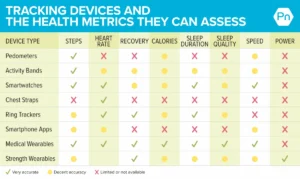
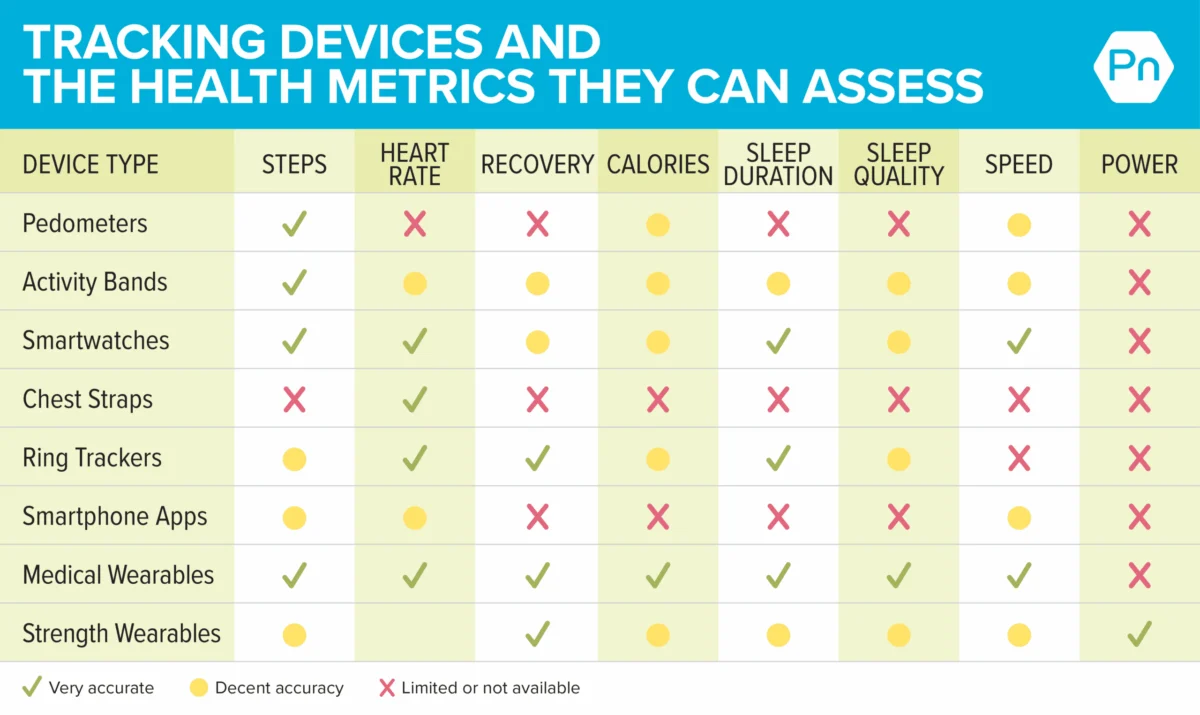
The journey began with rudimentary pedometers in the late 20th century, which merely counted steps. This foundational technology laid the groundwork for more complex devices. The early 2010s saw the popularization of activity bands and fitness trackers, integrating accelerometers to estimate steps, distance, and calories burned. This was quickly followed by smartwatches, which expanded capabilities to include optical heart rate monitoring, GPS tracking, and notifications. More recently, specialized devices like ring trackers (measuring sleep, recovery, and body temperature) and advanced medical wearables have pushed the boundaries further, offering increasingly precise and diverse data points. This chronological progression highlights a clear trend: from simple activity logging to comprehensive physiological monitoring, driven by advancements in sensor technology, miniaturization, and data processing algorithms.
The Promise of Precision: Bridging the Subjective-Objective Divide
At its best, wearable technology acts as a powerful bridge, connecting an individual’s subjective perception of their health with objective, quantifiable data. This convergence is heralded as a game-changer, addressing the inherent unreliability of human self-assessment. Humans, by nature, are often poor at accurately quantifying their experiences and behaviors. For instance, an individual might genuinely believe they are adhering to a strict dietary regimen, only to discover through meticulous tracking that seemingly minor additions, like a daily serving of barbecue sauce, contribute an unexpected 500 calories. Such discrepancies underscore the value of objective feedback.
The Canadian sprinter Ben Johnson, renowned for his exceptional athletic prowess, was reportedly able to estimate his 100-meter sprint time within a tenth of a second of the official stopwatch readout. While an outlier performance, this anecdote highlights the rare capacity for precise self-assessment. For the vast majority, however, external validation is crucial. Devices that accurately measure metrics like heart rate, step count, and sleep patterns offer tangible evidence that can either confirm or challenge one’s internal sense of well-being, guiding more informed health decisions. The potential for preventive health, early identification of trends, and personalized interventions based on real-time data represents a significant leap forward.
The Accuracy Imperative: Not All Data is Created Equal

Despite the promise, the reliability of data generated by wearable devices varies significantly. Consumers are faced with a diverse market where product quality differs not only in hardware but also in the sophistication of software and underlying datasets. Certain metrics, such as heart rate and step count, have generally demonstrated high levels of reliability across many devices, often validated against clinical standards. Studies have shown that optical heart rate sensors in many smartwatches and fitness bands provide readings that are reasonably accurate at rest and during steady-state exercise.
However, the accuracy declines for more complex or indirectly measured metrics. Calorie expenditure, for example, is notoriously difficult to quantify precisely, as it depends on numerous individual factors (metabolism, body composition, activity intensity, environment) that generic algorithms struggle to capture. Consequently, estimates for calories burned can have substantial margins for error, sometimes off by as much as 30-50% depending on the activity and device. Similarly, metrics like "movement velocity" or specific recovery scores often rely on proprietary algorithms that may lack independent validation, leading to inconsistent or less dependable outputs. This variability necessitates a critical approach from users, understanding that while some data points are robust, others should be interpreted with caution and context.
The Paradox of Information: Navigating Data Overload
While the availability of data is generally beneficial, a critical challenge arises from the sheer volume of information these devices can generate. As computer scientist Samantha Kleinberg observes, even a minuscule amount of surplus information can negatively impact decision-making. This phenomenon is often depicted as an inverted U-curve, where optimal decision-making occurs with just the right amount of relevant information. Too little data leaves one uninformed, but too much can lead to "analysis paralysis."
Consider the common experience of sifting through hundreds of online reviews for a simple purchase; the abundance of options and opinions can overwhelm, making a straightforward decision feel impossible. In the realm of health and fitness, this data deluge can be particularly problematic. Many devices offer an overwhelming array of metrics—from recovery scores and sleep stages to readiness indicators and training load assessments. Without clear guidance or a framework for interpretation, users can become bogged down, struggling to discern actionable insights from noise. This can lead to increased stress, anxiety about "suboptimal" scores, or simply a feeling of being lost amidst numbers, ultimately undermining the very goal of improved well-being. The crucial question for any user becomes: "Does tracking genuinely enhance my well-being and performance, or does it merely add cognitive burden?"
Expert Perspectives and Industry Responses
Manufacturers of wearable technology are acutely aware of the accuracy and data overload challenges. Industry leaders are investing heavily in improving sensor technology, refining algorithms through machine learning, and enhancing user interfaces to present data in more digestible and actionable formats. Many are moving towards integrating AI to offer personalized insights and recommendations, aiming to filter out irrelevant data and highlight what truly matters for individual goals.
Healthcare professionals, while acknowledging the potential of wearables for promoting activity and self-awareness, often approach the technology with cautious optimism. They see value in tools that can foster patient engagement and provide supplementary data for lifestyle interventions, particularly in areas like chronic disease management (e.g., blood pressure, glucose monitoring). However, they stress that wearable data should not replace professional medical advice or clinical diagnostics. Concerns remain regarding the potential for self-diagnosis, unnecessary anxiety from non-critical data points, and data privacy. Academics and researchers continue to advocate for more rigorous, independent validation studies for commercial devices, especially for claims related to complex physiological metrics, to ensure that the public receives reliable and evidence-based information.

Strategic Integration: Maximizing the Benefits of Tracking
To harness the full potential of wearable technology without succumbing to its pitfalls, a strategic and mindful approach is essential. The goal is to calibrate internal perceptions with objective data, rather than to replace one with the other.
-
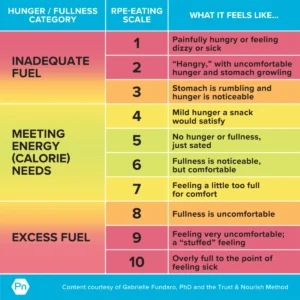
Prioritize Internal Check-ins: Before consulting any device data, take a moment to assess your own body and mind. How do you feel? What is your energy level? How well do you think you slept? This practice strengthens interoception (awareness of internal bodily states) and proprioception (sense of body position), crucial for developing a robust, intuitive understanding of your health. After this internal assessment, compare it with the device’s readout. Over time, this conscious calibration can significantly narrow the gap between subjective feeling and objective reality, enhancing your innate ability to self-assess.
-
Focus on Actionable Data and Context: Not all data points are equally valuable for everyone at all times. Identify the metrics most relevant to your specific health goals. If your primary goal is improved cardiovascular fitness, focus on heart rate zones and recovery metrics. If it’s better sleep, prioritize sleep duration and quality scores, but always contextualize them. A new parent, for example, will inevitably have poor sleep scores. In such a scenario, fixating on a low score is counterproductive and stress-inducing, as the circumstances are largely beyond immediate control. Recognizing when data is merely a reflection of unavoidable circumstances, rather than a call to action, is key to preventing undue stress.
-
Cultivate Mental Shortcuts and Intuitive Understanding: While technology offers precision, developing mental shortcuts based on objective data can foster a more intuitive understanding of your capabilities. The Rate of Perceived Exertion (RPE) scale, for instance, is a validated subjective measure that can be calibrated with objective heart rate or power data. By periodically comparing your "felt effort" with the numbers, you learn to accurately gauge intensity without constant reliance on a screen. Coaches often use prompts like "For a million dollars a rep, how many more reps could you do?" to help clients understand maximal effort, leveraging a psychological shortcut to tap into their true capacity.
-
Guard Against Over-Reliance and "Nomophobia": The incident of "The Great My Fitness Pal Blackout" serves as a stark reminder of the dangers of over-reliance. When a calorie-tracking app, used by millions, went offline, many users reported feeling lost and unable to make dietary decisions without its guidance. This highlights a critical risk: losing touch with one’s own internal signals like hunger, fullness, and energy levels. Over-reliance can lead to "nomophobia" (no-mobile-phone phobia), a condition where individuals experience anxiety when disconnected from their devices. Maintaining a healthy relationship with technology means using it as a tool for calibration and insight, not as a replacement for self-awareness. Regularly "unplugging" and consciously tuning into internal cues can reinforce this balance.
The Future: A Symbiotic Relationship
The trajectory of personal health technology suggests an increasingly sophisticated and integrated future. Advanced sensors capable of monitoring blood biomarkers non-invasively, predictive analytics that anticipate health issues before they manifest, and seamless integration with healthcare systems are on the horizon. However, the fundamental challenge will remain the same: how to best merge human intuition with technological precision. The most effective approach will likely involve a symbiotic relationship where technology empowers individuals with objective insights, while simultaneously encouraging the development and trust of their innate sensory intelligence. This balance will enable individuals not only to achieve better health outcomes but also to experience a deeper, more mindful connection with their own bodies and well-being.