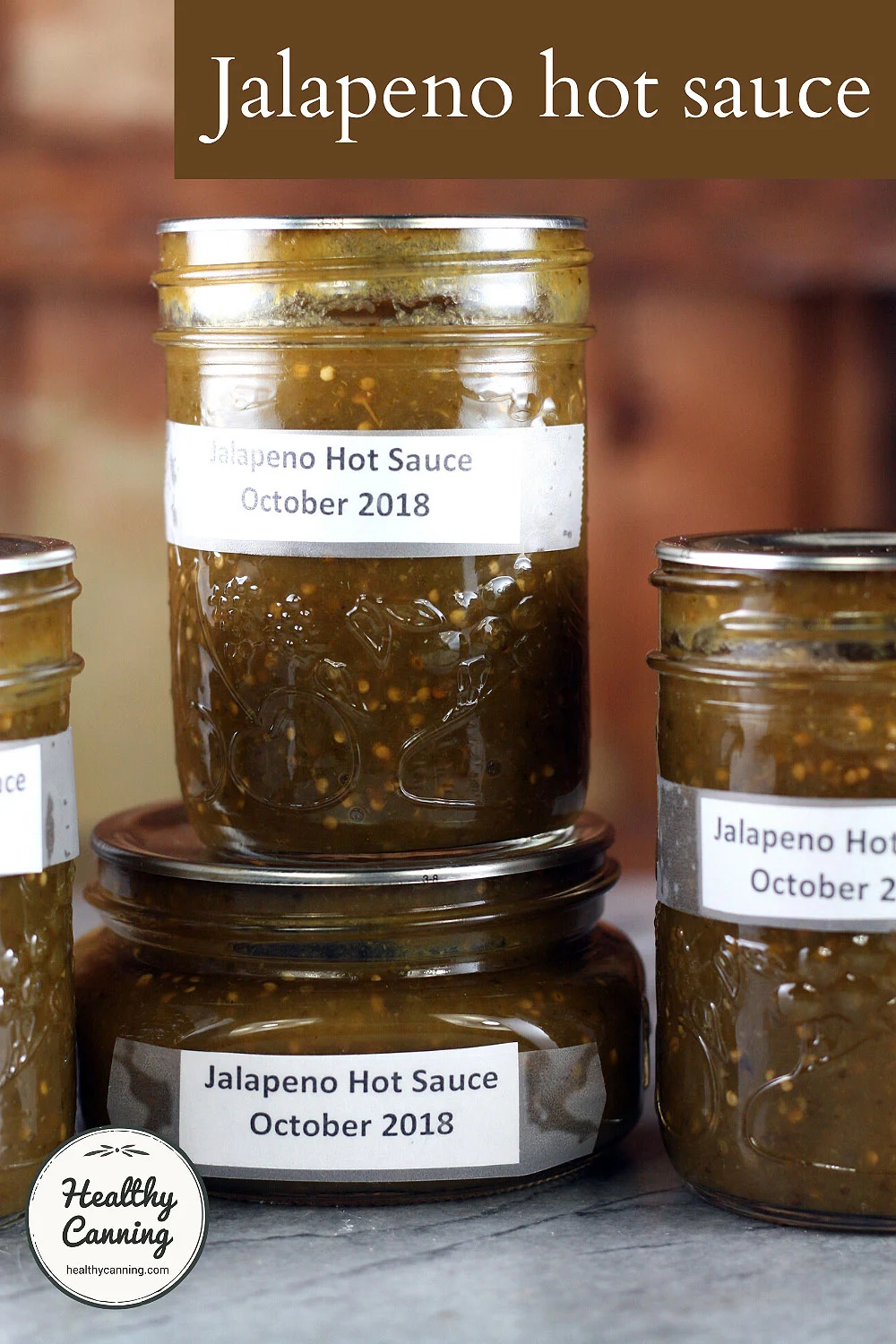

The Art and Science of Home Preservation A Comprehensive Guide to Jalapeno Hot Sauce Production represents a sophisticated intersection of culinary tradition and rigorous food safety standards, specifically focusing on a modern adaptation of the United States Department of Agriculture’s (USDA) foundational canning protocols. As home food preservation experiences a significant resurgence among global consumers, the demand for verified, shelf-stable recipes has led to the development of specialized condiments, such as the Jalapeno-Tomatillo Hot Sauce. This particular recipe is a strategic modification of the classic USDA Cayenne Pepper Sauce, utilizing green jalapenos and tomatillos to create a thick, spoonable condiment that maintains the strict acidity and processing requirements necessary for long-term storage at room temperature.
The Evolution of Home Canning Safety Standards
The foundation of modern home canning is rooted in the research conducted by the National Center for Home Food Preservation (NCHFP) and the USDA. For decades, these organizations have provided the "gold standard" for preventing foodborne illnesses, most notably botulism, which is caused by the toxin produced by Clostridium botulinum bacteria. Because hot sauces often contain low-acid ingredients like peppers and onions, the science of acidification is paramount.
The Jalapeno Hot Sauce recipe discussed herein is a direct derivative of the USDA’s tested Cayenne Pepper Sauce. In the world of food science, "safe swaps" are limited; however, the substitution of tomatillos for tomatoes and green jalapenos for other pepper varieties is recognized as a safe modification. Tomatillos, while often mistaken for green tomatoes, possess a naturally high acidity level that is comparable to, or in some cases higher than, standard tomatoes. This ensures that the pH of the final product remains below the critical threshold of 4.6, which is the point at which Clostridium botulinum cannot grow.
Chronology of the Production Process
The creation of a shelf-stable Jalapeno Hot Sauce is a meticulous four-hour endeavor that requires precise timing and temperature control. The chronology of the process is divided into three distinct phases: preparation, cooking, and processing.

Phase I: Preparation (1 Hour)
The initial phase involves the selection and cleaning of raw materials. For this recipe, the primary ingredients are canned or fresh tomatillos and green jalapeno peppers. Unlike thinner, vinegar-based sauces like Tabasco, this recipe yields a "spoonable" sauce, requiring a higher ratio of solids to liquids. Preparers must ensure that all vegetables are washed and seeded if a milder heat profile is desired, though the recipe is inherently designed to be a high-heat condiment.
Phase II: Cooking and Reduction (3 Hours)
The three-hour cooking window is essential for both flavor development and the reduction of moisture. During this time, the ingredients are simmered, allowing the capsaicin from the jalapenos to infuse the base and the natural pectins in the tomatillos to thicken the sauce. This extended cooking time ensures that the final product reaches the desired consistency without the need for artificial thickeners like cornstarch, which can interfere with heat penetration during the canning process.
Phase III: Processing (10 Minutes)
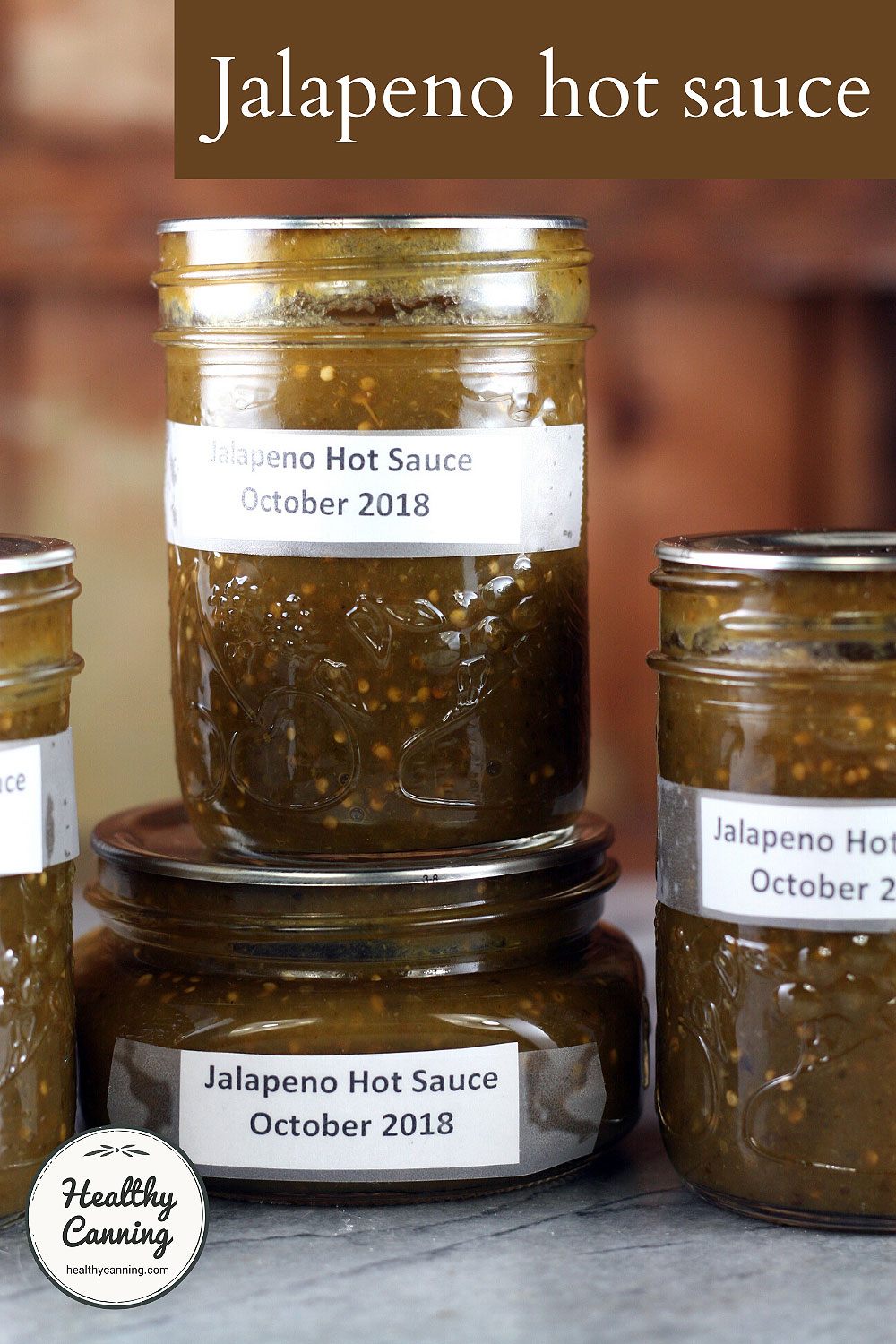
Once the sauce has reached its optimal thickness, it is transferred into sterilized jars. The recipe supports three jar sizes: 125 ml (4 oz), 250 ml (8 oz), and 500 ml (16 oz). The processing phase—conducted via either a boiling water bath or a steam canner—lasts 10 minutes. This time is calculated to ensure that the coldest part of the jar (the "cold spot") reaches a temperature sufficient to destroy spoilage organisms.
Technical Data and Nutritional Profile
From a nutritional standpoint, the Jalapeno Hot Sauce is a low-calorie, high-flavor addition to a variety of diets. Detailed analysis indicates that a single tablespoon serving contains approximately 8 calories. The macronutrient breakdown is minimal, with 1.6 grams of carbohydrates, 0.3 grams of protein, and 0.1 grams of fat.
Crucially for those monitoring sodium intake, the recipe is naturally low in salt, containing only 2 mg per serving unless additional salt is added by the cook. The sauce also provides a small amount of dietary fiber (0.3g) and natural sugars (0.8g) derived from the tomatillo base.
In terms of heat intensity, the jalapeno pepper typically ranges from 2,500 to 8,000 Scoville Heat Units (SHU). While this is lower than the cayenne pepper (30,000 to 50,000 SHU) used in the original USDA recipe, the volume of peppers used in this formulation results in a product that the NCHFP characterizes as "very hot."
Official Responses and Safety Warnings
The National Center for Home Food Preservation has issued specific commentary regarding this recipe family, emphasizing the potency of the final product. While the NCHFP rarely adds qualitative descriptions to its technical manuals, it explicitly labels this sauce as "very hot," advising consumers to use it sparingly as a condiment rather than a primary ingredient.
Safety experts also emphasize the importance of altitude adjustments. For individuals living at altitudes higher than 1,000 feet (305 meters) above sea level, the boiling point of water is lower. Consequently, the processing time must be increased to compensate for the lower temperature. Failure to adjust for altitude is one of the most common errors in home canning and can lead to under-processed jars that are at risk of spoilage.
Furthermore, the choice of vinegar is critical. For the acidification to be effective, the vinegar used must have an acetic acid strength of at least 5%. In some regions, such as Australia and New Zealand, retail vinegars are often sold at 4% acidity, which is insufficient for this specific canning recipe. Preparers in those regions must source specialized pickling vinegar to ensure the safety of the shelf-stable product.
Market Trends and the Rise of DIY Condiments
The popularity of this Jalapeno Hot Sauce recipe mirrors broader trends in the global food industry. The global hot sauce market was valued at approximately $2.89 billion in 2022 and is projected to grow at a compound annual growth rate (CAGR) of 7.1% through 2030. This growth is driven by a diversifying palate among consumers and a shift toward "clean label" products that lack artificial preservatives.
Home canning serves as the ultimate "clean label" solution, allowing individuals to control every ingredient in their pantry. The transition from the USDA’s red cayenne sauce to a green jalapeno and tomatillo version reflects a specific culinary interest in Mexican and Southwestern American flavors. The use of tomatillos provides a tart, citrusy undertone that complements the earthy heat of the jalapeno, a profile that has become increasingly popular in the "Verde" style of hot sauces.
Broader Implications for Food Security and Sustainability
Beyond the culinary appeal, the ability to safely preserve hot sauce has implications for food security and waste reduction. Home gardeners often face a "harvest glut," where jalapeno plants produce more fruit than can be consumed fresh. Transforming these peppers into a shelf-stable sauce prevents agricultural waste and ensures a year-round supply of high-quality condiments.
The use of steam canning in this recipe also highlights a shift toward more sustainable preservation methods. Steam canners use significantly less water than traditional water-bath canners and reach the necessary processing temperatures faster, thereby reducing energy consumption. As more home cooks adopt these efficient technologies, the environmental footprint of home food preservation continues to shrink.
Conclusion
The Jalapeno Hot Sauce recipe is more than a simple condiment; it is a testament to the enduring importance of scientific validation in the kitchen. By adhering to the modified USDA guidelines, home canners can produce a gourmet-quality, high-heat sauce that is both delicious and safe for long-term storage. As the DIY food movement continues to evolve, the reliance on tested, data-driven recipes remains the most critical factor in ensuring that the art of canning remains a healthy and rewarding practice for generations to come. Through careful attention to pH levels, processing times, and ingredient quality, the modern pantry can be transformed into a hub of culinary innovation and food safety excellence.