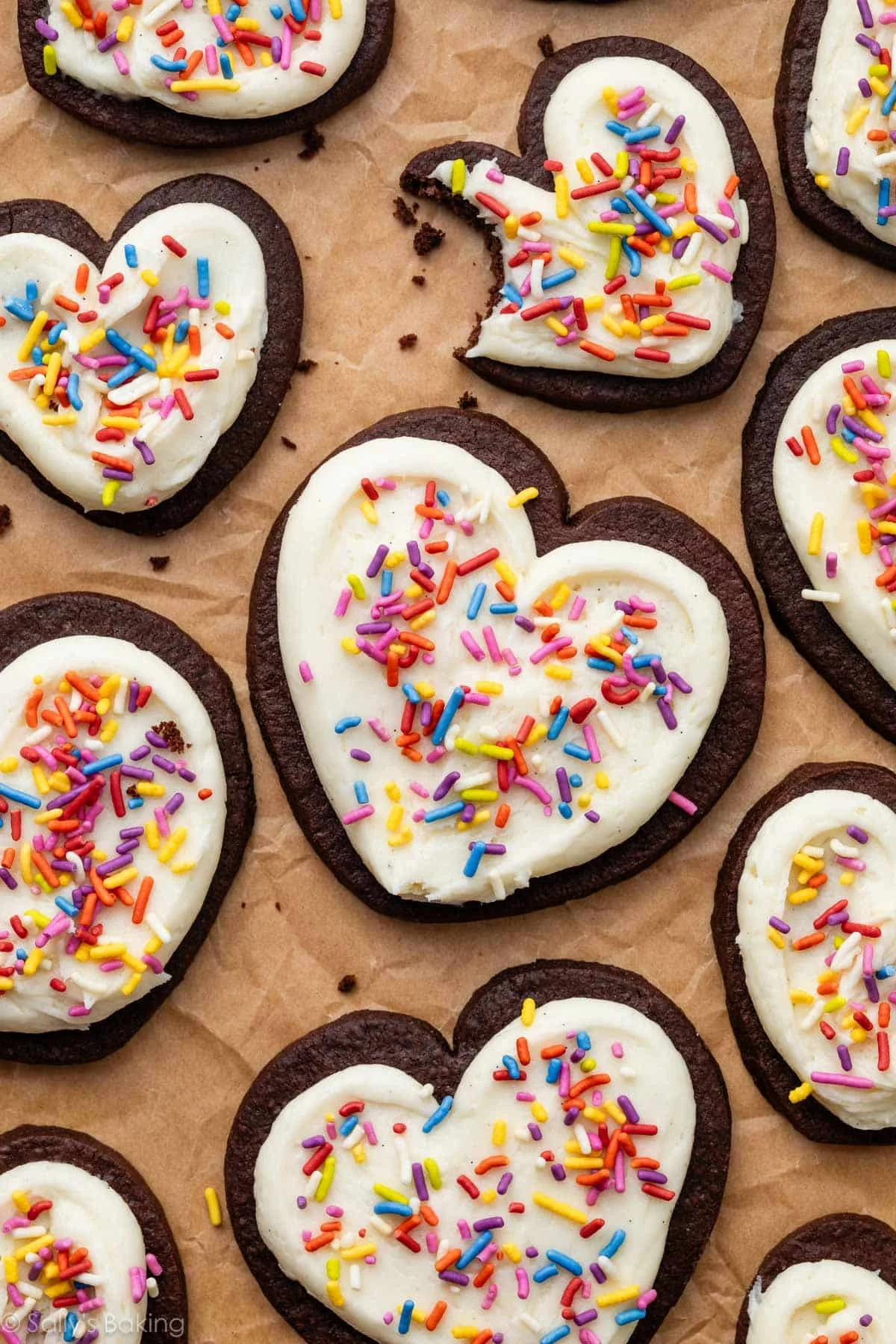

The culinary landscape continually evolves, yet certain foundational recipes maintain an unyielding grip on the public’s imagination. Among these, the chocolate sugar cookie stands out as a triumph of texture, flavor, and decorative versatility, marrying the beloved characteristics of a classic sugar cookie with the rich indulgence of chocolate. This particular confection, celebrated for its soft, thick interior, crisp edges, and smooth, flat surface ideal for intricate decoration, has become a benchmark in the realm of home baking, offering a sophisticated twist on a traditional favorite. Its ability to retain precise shapes during baking, a critical attribute for cut-out cookies, further solidifies its status as a baker’s go-to.
A Chronicle of Culinary Refinement
The journey of the chocolate sugar cookie, particularly as popularized by influential online culinary platforms, underscores a broader trend in modern home baking: the continuous pursuit of perfection through iterative refinement. A seminal recipe for these cookies, initially published in 2016, exemplifies this dedication. Since its debut, the recipe has undergone significant updates, incorporating new photographic documentation and enhanced success tips designed to elevate every batch into an exemplary culinary experience. This commitment to improvement reflects a responsive approach to the baking community’s needs, ensuring that even a classic can be perfected through ongoing development and user feedback. The original publication date serves as a marker in the modern history of online baking resources, demonstrating how digital platforms foster the evolution and widespread adoption of high-quality recipes.
The Genesis of a Beloved Treat: Historical Context
To fully appreciate the modern chocolate sugar cookie, it is essential to contextualize its lineage. Sugar cookies themselves boast a rich history, tracing their origins back to 17th-century European settlers in America, specifically German Moravians in Nazareth, Pennsylvania, who developed what was then known as the Nazareth Sugar Cookie. These early iterations were simple, butter-rich biscuits designed for their ability to hold shape and be easily decorated, often for festive occasions.
Chocolate, on the other hand, has a more complex and often luxurious history, originating in Mesoamerica thousands of years ago as a bitter beverage. Its transformation into a sweet confection, and subsequently a ubiquitous baking ingredient, began in Europe in the 16th and 17th centuries. By the 19th century, with advancements in cocoa processing (like Dutch-processing by Coenraad Johannes van Houten in 1828), chocolate became more accessible and palatable for baking. The fusion of these two culinary pillars – the structured, decoratable sugar cookie and the rich, complex flavor of chocolate – was a natural progression, culminating in the chocolate sugar cookie as we know it today. This convergence represents a significant milestone in dessert innovation, combining familiarity with a touch of indulgence.
The Science of the Perfect Cut-Out Cookie
Achieving a cut-out cookie that maintains its intricate form without spreading into an "unrecognizable blob" is a testament to precise ingredient ratios and careful technique. The success of premium chocolate sugar cookie recipes lies in a meticulous understanding of baking science. Key factors include:
- Flour-to-Fat Ratio: A slightly higher flour content provides the necessary structure to prevent excessive spread. All-purpose flour is typically preferred for its balanced protein content.
- Butter Temperature: Chilled, firm butter is crucial. When butter is creamed, it incorporates air, creating a tender crumb. However, excessive softening can lead to over-spreading.
- Sugar Type: Granulated sugar contributes to crispness and structure. Recipes often balance granulated sugar with a small amount of confectioners’ sugar for a softer texture.
- Leavening Agents: Minimal leavening (baking powder or soda) is often used, or sometimes none at all, to control spread and maintain shape. The goal is a dense, pliable dough rather than a light, airy one.
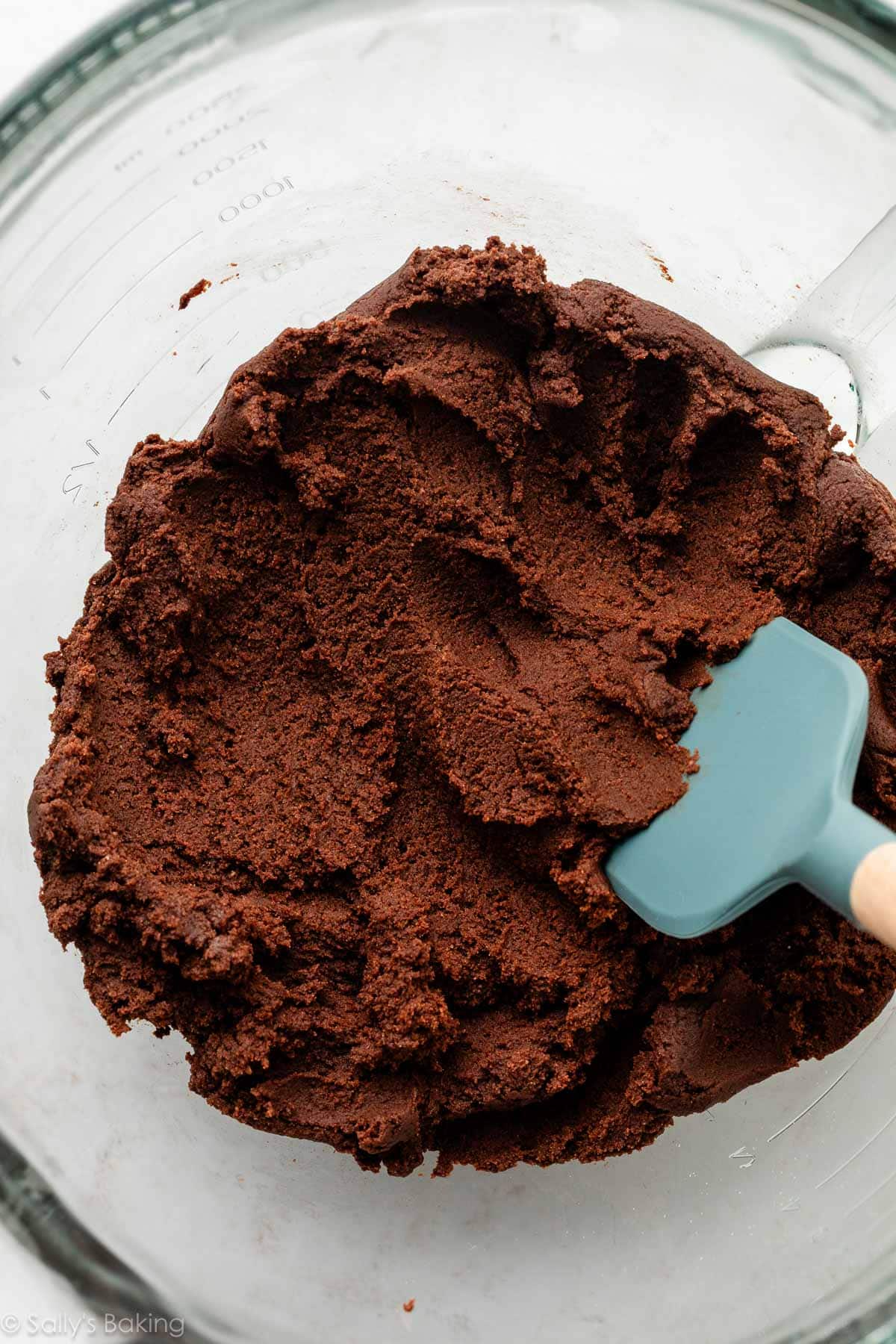
- Chilling the Dough: This is arguably the most critical step. Chilling allows the butter to solidify, preventing it from melting too quickly in the oven and causing the cookies to spread. It also allows the gluten in the flour to relax, resulting in a more tender cookie that is easier to roll and cut. Culinary experts often recommend at least an hour of chilling, with longer periods (up to several days) often yielding superior results.
Industry analyses suggest that consistent, high-quality results are paramount for home bakers, with surveys indicating that "non-spreading" and "easy to decorate" are top priorities for cut-out cookie enthusiasts. Recipes that reliably deliver on these fronts garner significant user engagement and loyalty.
Consumer Acclaim: The "Brownie in Cookie Form" Phenomenon
The widespread appeal of these chocolate sugar cookies is evident in the enthusiastic feedback from the baking community. Numerous testimonials highlight a recurring theme: the cookies perfectly capture the essence of a brownie within a cookie format. For instance, one dedicated baker, Abbey, noted, "These are one of my go-to recipes for cookie orders. People love them! It’s like a brownie in cookie form. These are the ones that get requested most often." This sentiment is echoed by Pam, who remarked, "These rolled out well, baked up perfectly, and were SO delicious! My family and friends went crazy for them, and I’ll be making them again soon. Who wouldn’t love a ‘brownie cookie’?" Another baker, Peggy, observed, "My kids have labeled these Brownie Cookies because they taste like the perfect combination of a cutout and a brownie. They were so easy to make and very sturdy like your gingerbread cookie recipe. We used the easy glaze and just did a quick drizzle over the top. This is a great addition to my cutout cookie rotation."
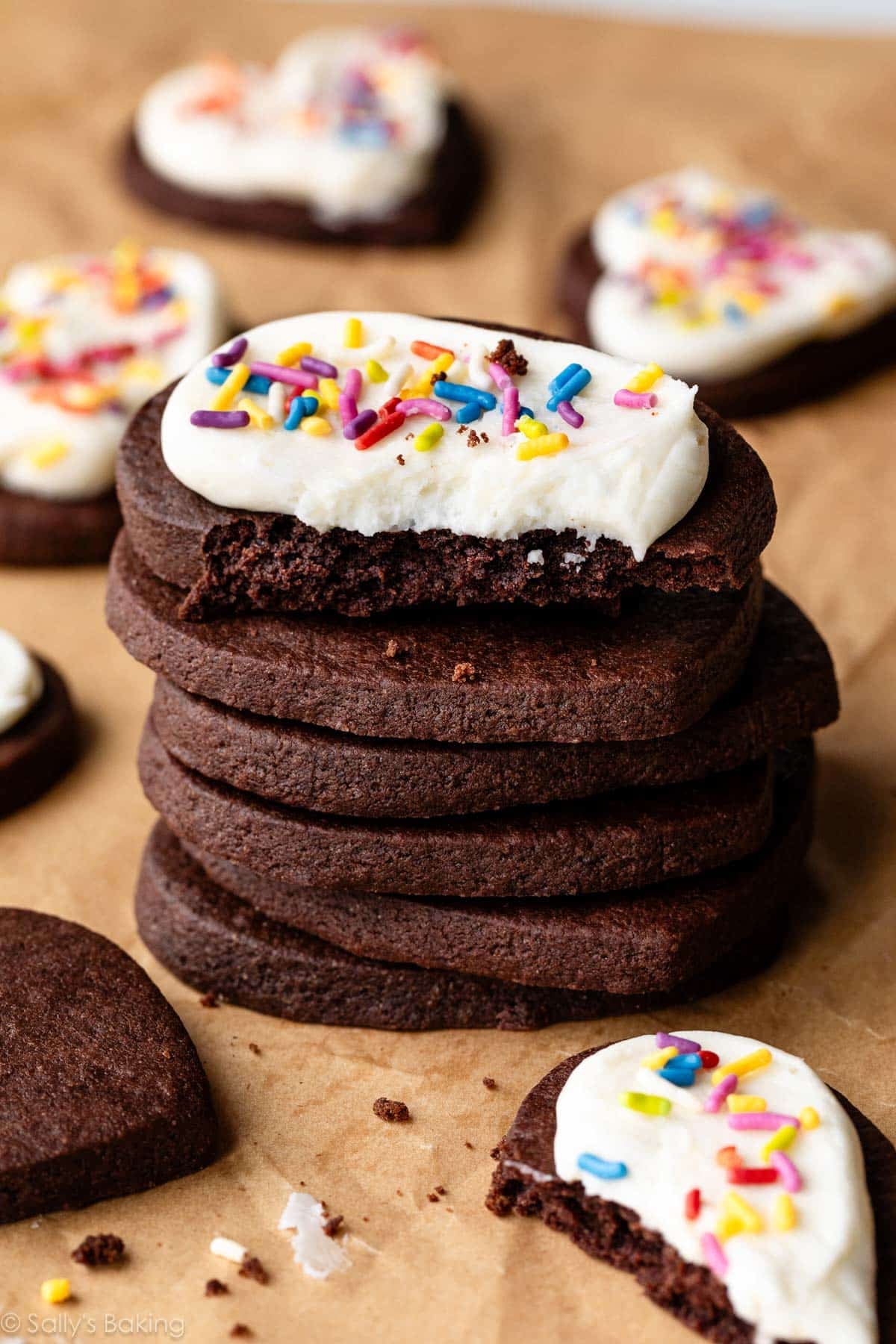
These statements underscore the cookies’ dual appeal: their robust structural integrity for decorative purposes and their exceptional flavor profile. The "brownie in cookie form" descriptor points to a successful hybridization of popular dessert characteristics, catering to a broad palate that seeks both the comforting chewiness of a brownie and the artistic potential of a sugar cookie. This market feedback is invaluable, demonstrating a clear demand for innovative yet familiar dessert options that perform reliably in the home kitchen.
The Symphony of Ingredients: Why Each Matters
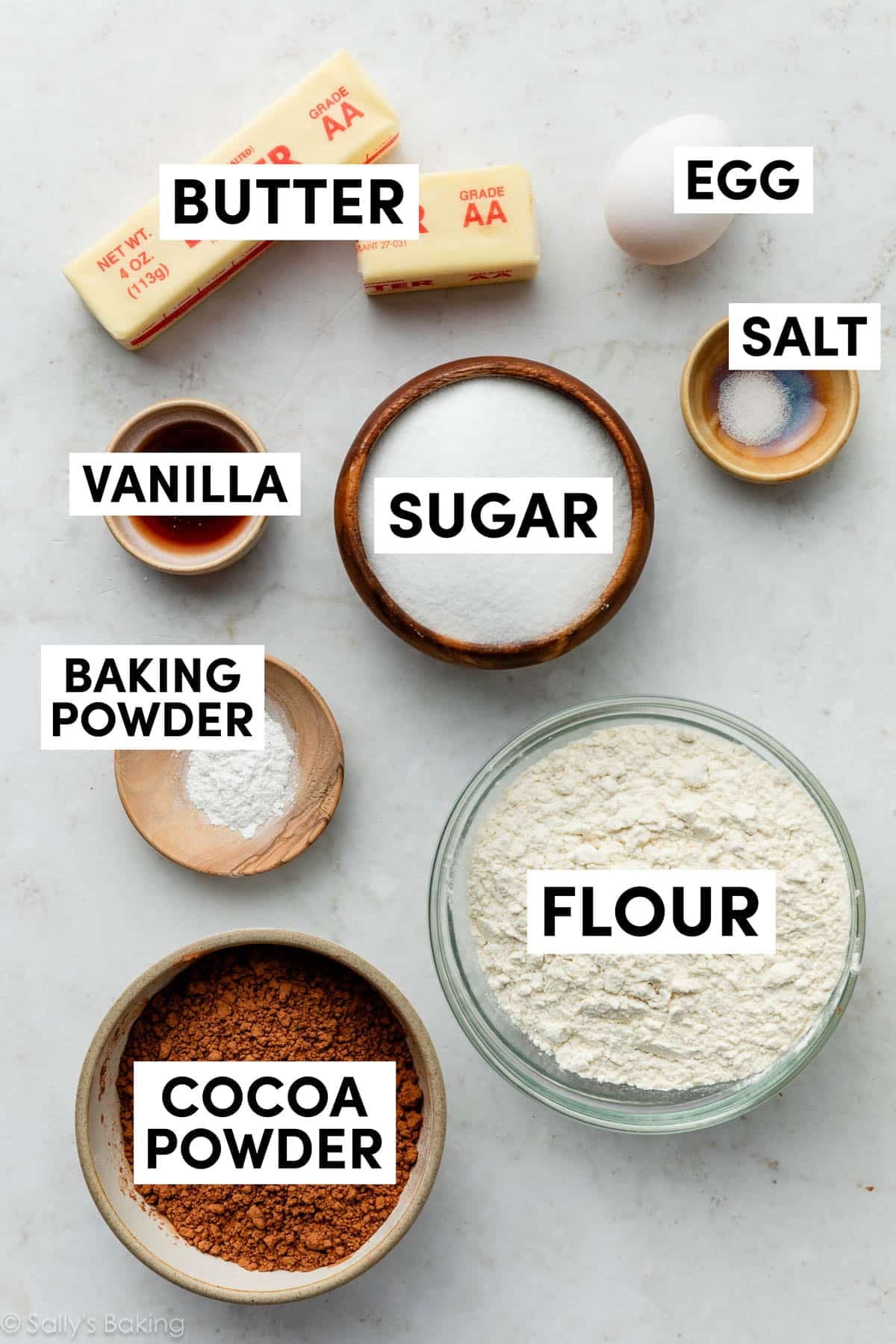
A successful recipe, especially one with a limited ingredient list, relies on each component performing a specific, critical function. The chocolate sugar cookie recipe typically calls for just eight core ingredients, each contributing to the final product’s texture, flavor, and stability:
- All-Purpose Flour: Provides the structural backbone of the cookie, preventing excessive spread.
- Unsweetened Cocoa Powder: The primary source of chocolate flavor. The choice between natural and Dutch-process cocoa is significant.
- Baking Soda/Powder (or minimal/none): Controls leavening, ensuring the cookies remain flat and don’t puff up excessively.
- Salt: Enhances and balances the chocolate flavor, preventing it from tasting flat.
- Unsalted Butter: Adds richness, tenderness, and contributes to the crisp edges. Its temperature is crucial for dough handling.
- Granulated Sugar: Sweetens the cookies, promotes browning, and contributes to the crisp texture.
- Egg: Acts as a binder, providing moisture and structure.
- Vanilla Extract: A flavor enhancer that complements the chocolate, adding depth and warmth.
The selection of cocoa powder merits further discussion. While natural cocoa powder is acidic and reacts with baking soda, Dutch-process cocoa is alkalized, leading to a darker color and milder flavor, typically paired with baking powder. For these chocolate sugar cookies, the recipe often allows for either natural or Dutch-process cocoa. This flexibility is a significant advantage for home bakers, as it accommodates varying pantry stocks and personal flavor preferences. High-quality cocoa, such as Ghirardelli or specific Dutch-process brands, is often recommended to achieve the deepest, most authentic chocolate flavor, impacting the overall perception of the cookie’s richness. This adaptability, while seemingly minor, highlights a sophisticated understanding of ingredient chemistry and consumer convenience.
Versatility Beyond Expectation: A Dough for All Seasons
The inherent versatility of this chocolate sugar cookie dough extends its utility far beyond a single application. Its robust structure and rich flavor make it a foundational element for a myriad of creative cookie projects throughout the year. For instance, the same dough can be effortlessly transformed into festive Halloween cookies, complete with spooky shapes and thematic decorations. It serves as the base for popular adaptations such as homemade thin mint cookies, mimicking the beloved chocolate-mint combination, and holiday-perfect peppermint bark cookies, incorporating crushed candy canes for seasonal flair. Beyond specific holidays, the dough’s clean-cutting properties lend themselves to celebratory designs like fireworks cookies or sports-themed treats like football cookies. This adaptability underscores the recipe’s strength as a versatile culinary tool for both casual home bakers and those undertaking more ambitious decorating endeavors.
Furthermore, for those moments when a drop-style chocolate cookie is desired, the culinary world offers equally enticing alternatives, such as double chocolate chip cookies or chocolate frosted cookies, demonstrating the breadth of chocolate cookie variations available to suit every preference and occasion.
Mastering the Craft: Essential Success Tips
Achieving consistent excellence with chocolate sugar cookies hinges on several crucial techniques, often reiterated in expert baking guides:
- Precise Chilling: As previously noted, chilling the dough is paramount. This firms up the butter, prevents spreading, and makes the dough easier to handle and cut. Recommendations typically range from a minimum of 1 hour to overnight.
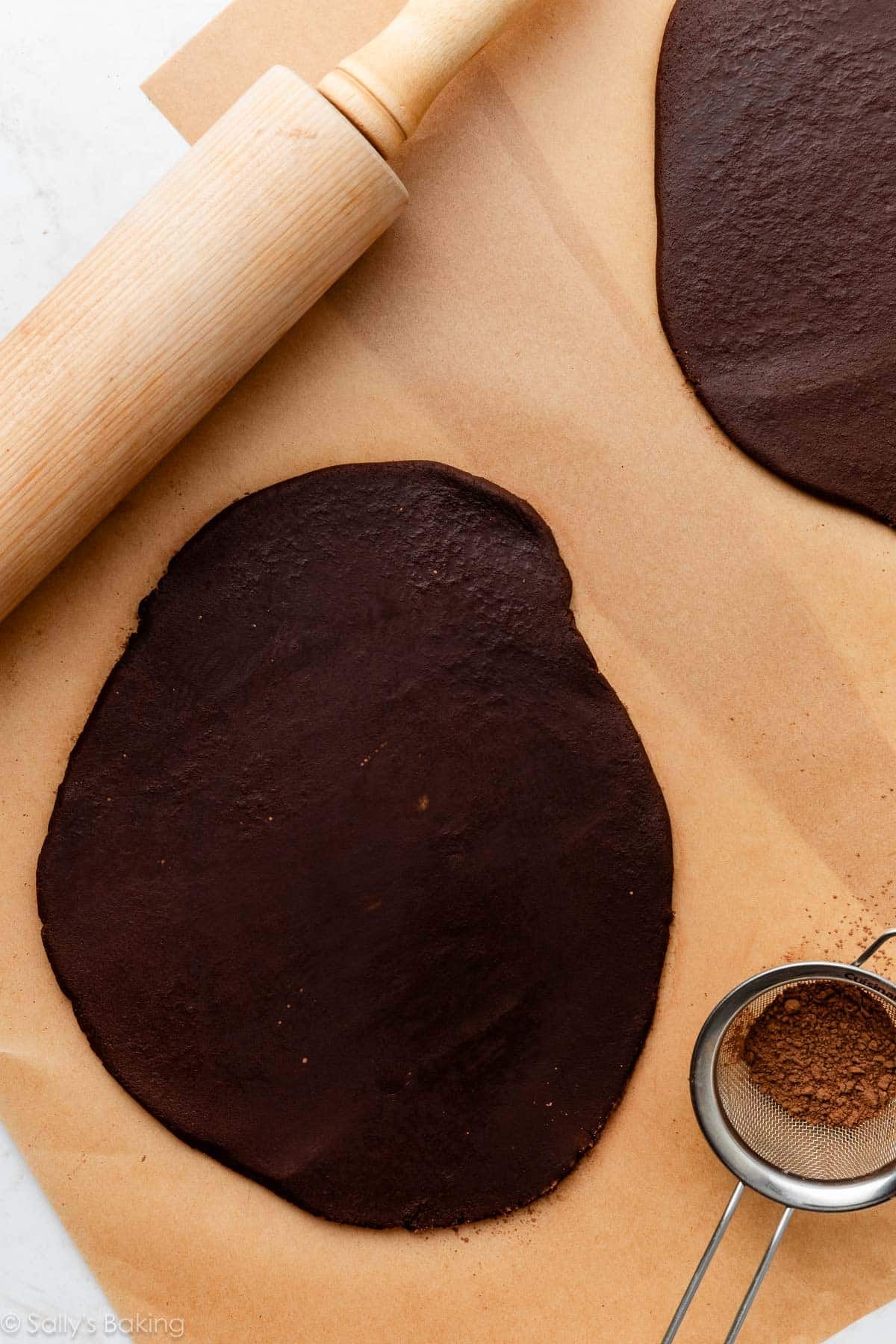
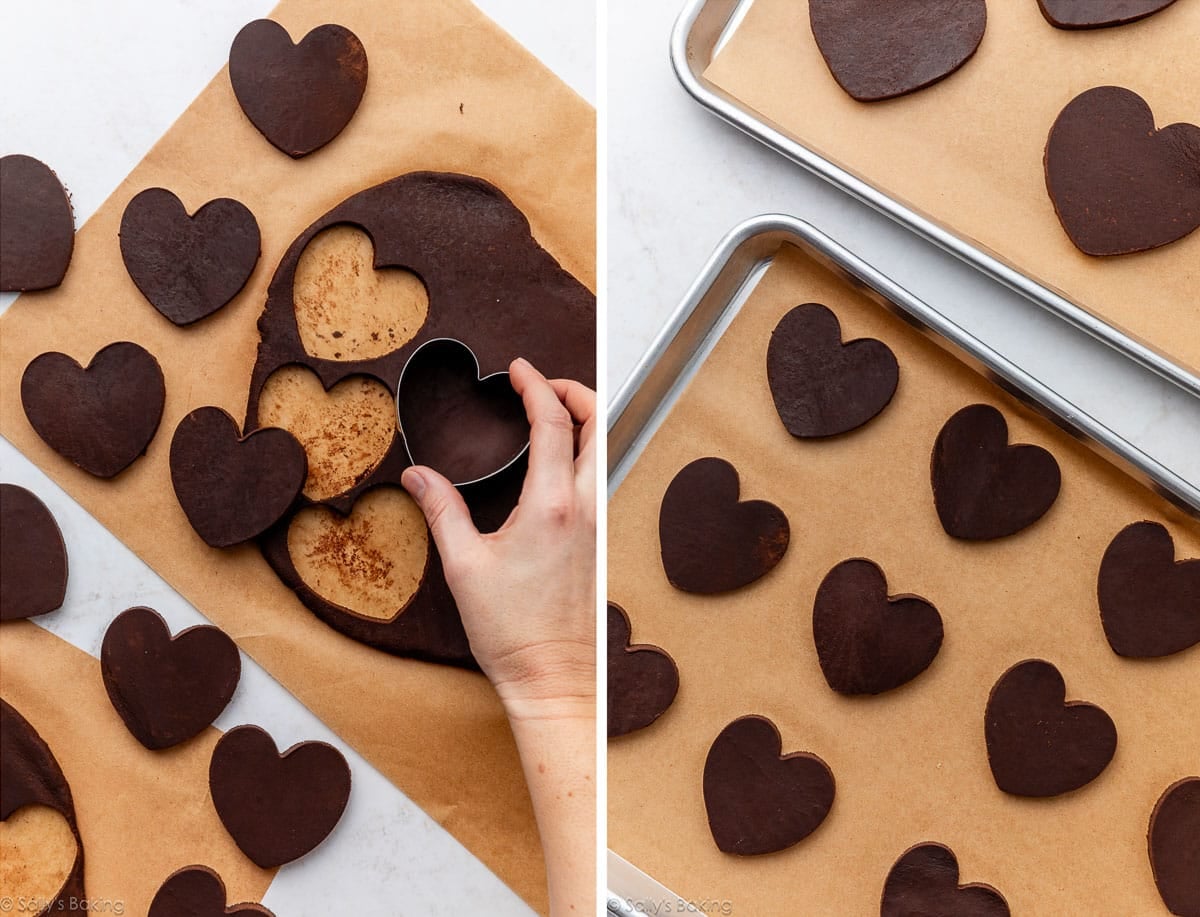
- Rolling Thickness: Rolling the dough to an even thickness (often 1/4 inch) ensures uniform baking and consistent texture across all cookies. Using rolling pin guides or rulers can assist in this precision.
- Flour sparingly: When rolling out the dough, a light dusting of flour is necessary to prevent sticking. However, excessive flour can dry out the dough, leading to crumbly cookies.
- Baking Temperature and Time: An accurately calibrated oven and precise baking times are essential to achieve crisp edges and soft centers without over-baking. Over-baked chocolate cookies can become dry and lose their rich flavor.
- Cooling Completely: Allowing cookies to cool entirely on the baking sheet before transferring and decorating is critical for maintaining their structural integrity and ensuring icing adheres properly.
These tips, often highlighted in detailed recipe instructions, reflect best practices derived from years of baking experience and scientific understanding. They collectively contribute to the high success rate reported by bakers using such refined recipes.
The Art of Presentation: Three Icing Options for Every Skill Level
Once baked and cooled, the flat, smooth surface of these chocolate sugar cookies presents an ideal canvas for decoration, transforming them from simple treats into edible works of art. The choice of icing profoundly impacts the final aesthetic and the decorator’s experience, catering to various skill levels and desired finishes.
-
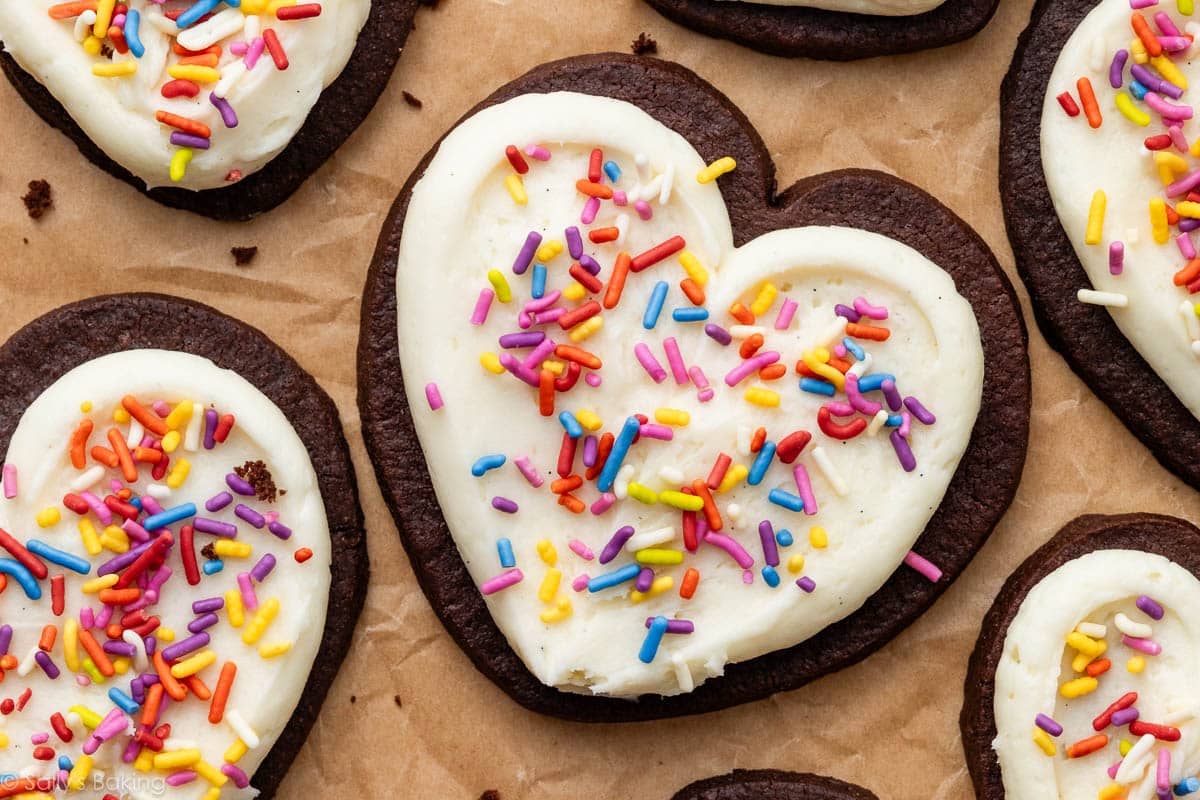
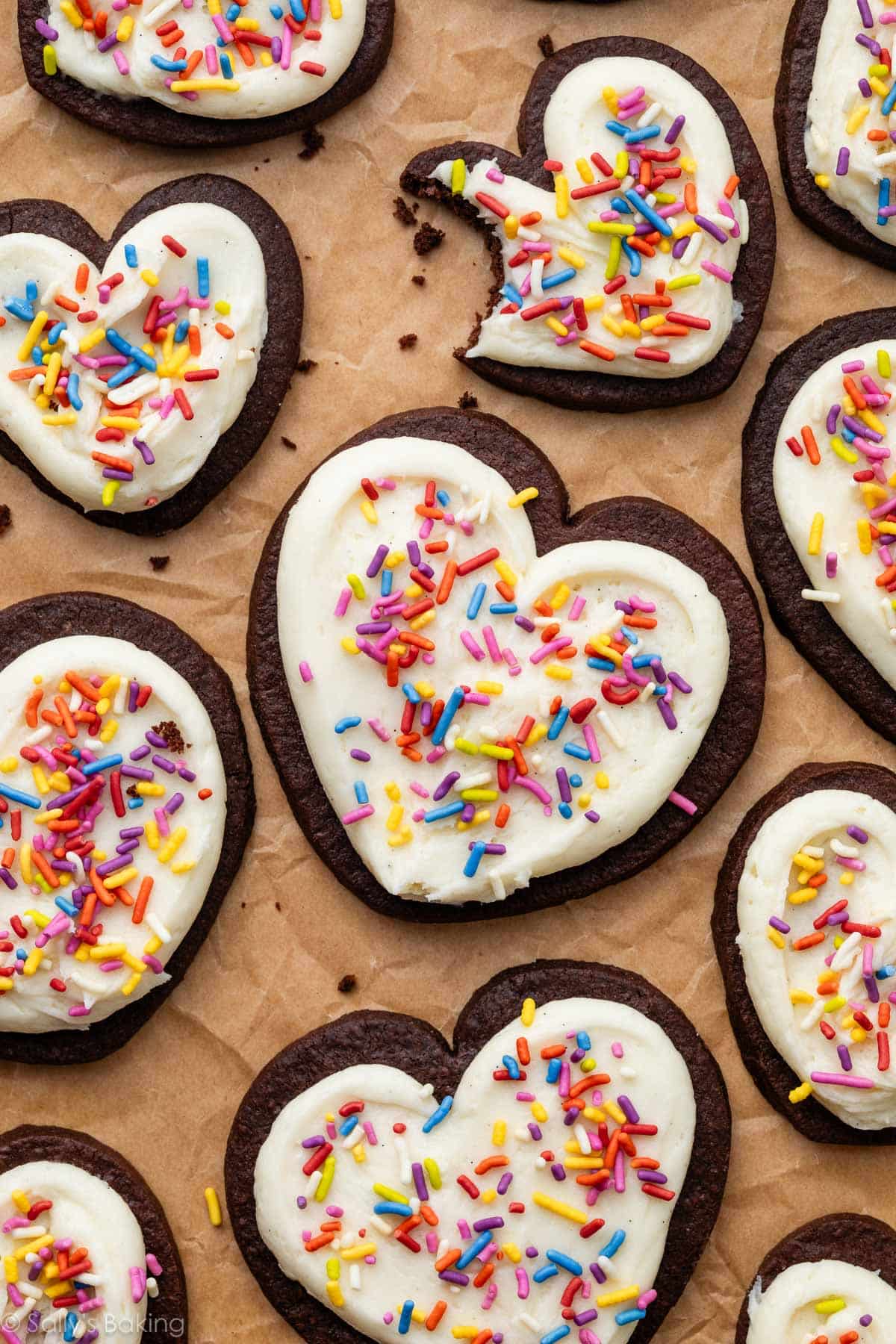
Cookie Decorating Buttercream: This classic vanilla buttercream offers a soft-set finish after a few hours. It is user-friendly, allowing for piped designs (e.g., using a Wilton 1A tip) and easy spreading, often adorned with sprinkles. Its advantages include a rich, creamy flavor and relatively forgiving application, making it suitable for beginners or those seeking a softer, more traditional frosting experience. However, it is less durable than royal icing for intricate, long-lasting designs. Market data indicates that buttercream remains a top choice for home bakers due to its accessibility and appealing taste.
-
Royal Icing: The preferred medium for intermediate to advanced cookie decorators, royal icing offers unparalleled precision and a hard-setting finish. It is ideal for detailed piping, outlining, and flooding techniques, creating a smooth, glossy surface that dries completely. While requiring more skill, specific consistency adjustments, and often an electric mixer, its durability makes cookies stackable and suitable for gifting or commercial sale. Numerous online tutorials and FAQs exist to guide bakers through its intricacies, reflecting its status as the gold standard for professional-looking cookies. The global market for edible decorations and icings sees consistent demand for royal icing due to its aesthetic superiority.
-
Easy Glaze Icing: A simpler, beginner-friendly alternative, this glaze-style icing requires no electric mixer and is less demanding in terms of consistency. It provides a quick drizzle or full coverage option, often used for holiday-themed sugar cookies. While not as sturdy or precise as royal icing, it offers a pleasant, slightly firm coating that takes about 24 hours to dry. Its ease of use makes it an excellent choice for baking with children or for situations where a rustic, homemade look is desired. This option caters to a segment of bakers prioritizing simplicity and speed without sacrificing flavor.
For those less inclined towards piping tips, a fun and practical alternative involves simply dunking the tops of the cookies into icing, a technique reminiscent of mini animal cracker cookies and particularly engaging for younger bakers. This range of options ensures that the chocolate sugar cookie can be enjoyed and decorated by anyone, regardless of their baking prowess.
Logistical Advantages: Make-Ahead and Freezing Capabilities
The practical considerations of baking are often as important as the recipe itself. The chocolate sugar cookie dough excels in this regard, offering significant make-ahead and freezing capabilities, which are highly valued by busy home bakers and culinary professionals alike.
- Make-Ahead Dough: The dough can be prepared and chilled in the refrigerator for up to three days. This allows for flexible scheduling, enabling bakers to spread the baking process over several days.
- Freezing Dough: For longer storage, the dough can be frozen for up to three months. This feature is particularly beneficial for holiday baking or preparing for large events, as it allows for bulk preparation and ensures fresh-baked cookies on demand. Thawing the dough in the refrigerator before rolling is recommended for optimal results. Resources on freezing cookie dough are widely sought after, indicating the importance of these practical tips for modern bakers.
These attributes contribute to the recipe’s overall utility and popularity, addressing common challenges faced by those who enjoy baking but are constrained by time.
Broader Impact and Implications

The widespread adoption and refinement of recipes like the chocolate sugar cookie have significant implications for the broader culinary landscape.
- Empowerment of Home Bakers: Detailed, reliable recipes, especially those supported by extensive tips and community feedback, empower home bakers to achieve professional-quality results, fostering a sense of accomplishment and encouraging further culinary exploration.
- Economic Impact on Ingredient Markets: The popularity of such recipes drives demand for key ingredients, from high-quality cocoa powder and flours to various decorating supplies. This supports the food manufacturing and retail sectors.
- Growth of the Artisanal Cookie Market: The success of homemade versions often fuels the growth of artisanal bakeries and cottage industries specializing in decorated cookies, as demonstrated by bakers using these recipes for "cookie orders."
- Influence of Digital Media: Food blogs and online platforms have revolutionized how recipes are shared, refined, and consumed. The iterative improvement of recipes based on user feedback is a hallmark of this digital age, creating a dynamic ecosystem of culinary knowledge.
- Cultural Significance: Cookies, particularly decorated ones, hold a special place in cultural traditions and celebrations. Recipes that offer both ease of execution and aesthetic potential reinforce these traditions, allowing individuals to express creativity and share joy through food.
In conclusion, the chocolate sugar cookie, exemplified by meticulously developed and continuously refined recipes, stands as more than just a dessert. It represents a confluence of culinary history, scientific precision, consumer demand, and digital-age innovation. Its enduring appeal lies in its perfect balance of flavor and form, its adaptability to countless occasions, and the empowering knowledge that, with the right guidance, anyone can create a masterpiece in their own kitchen. As long as there is a desire for sweet indulgence and creative expression, the chocolate sugar cookie will undoubtedly remain a cherished fixture in the world of baking.