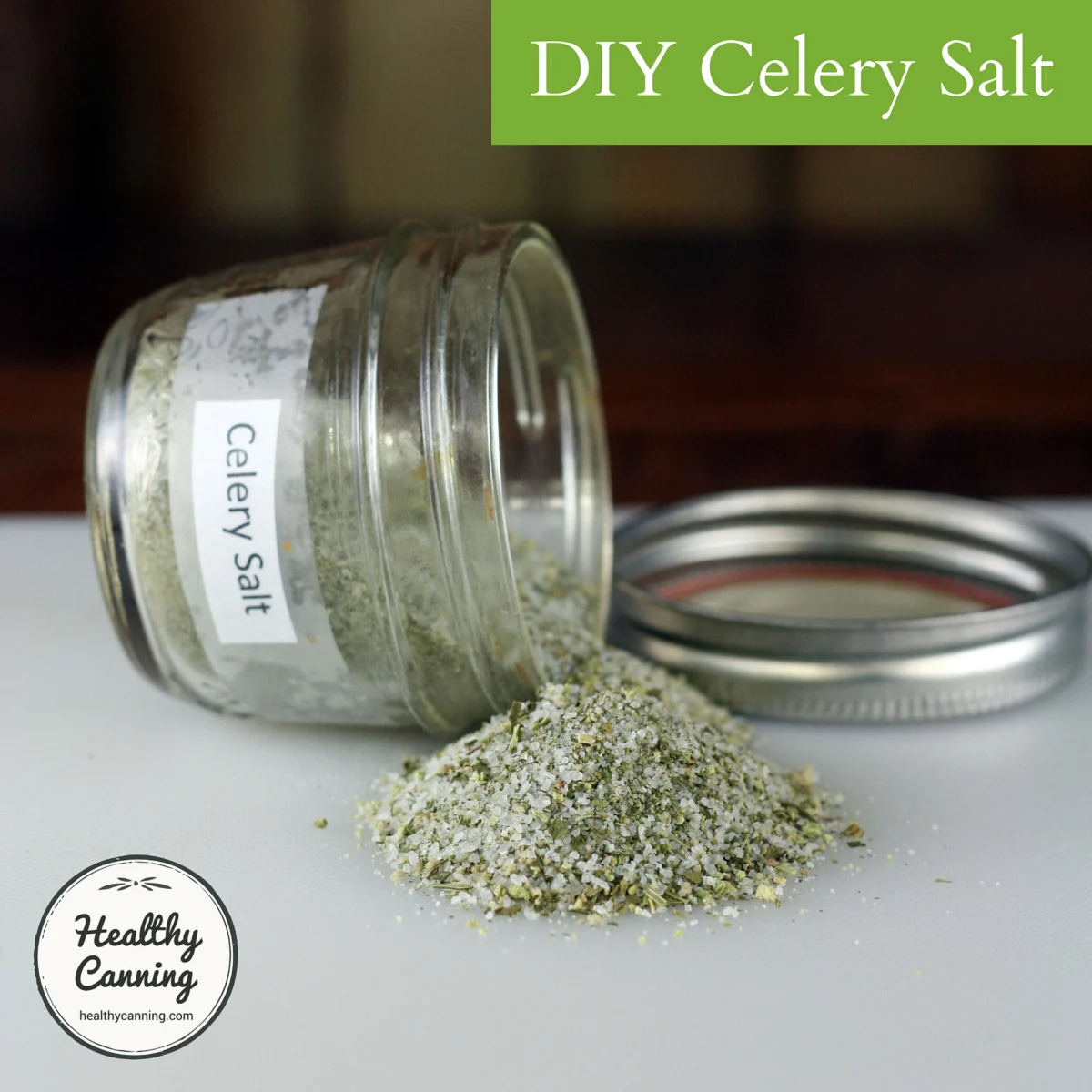

The DIY movement in home kitchens has reached a new milestone as home cooks increasingly turn toward crafting their own condiments and seasonings, with celery salt emerging as a primary example of this shift from commercial reliance to artisanal self-sufficiency. While store-bought seasonings have long been the standard for convenience, a growing segment of the population is opting for homemade alternatives to gain control over ingredient quality, sodium content, and flavor profiles. The process of creating celery salt at home is not only a matter of culinary preference but also a reflection of broader economic and health trends. By utilizing basic pantry staples and specialized techniques such as dehydration, individuals can produce high-quality seasonings for a fraction of the retail price, effectively challenging the traditional spice industry’s profit margins.
The Economic and Culinary Logic of Homemade Seasonings
The financial incentive for producing homemade celery salt is substantial. In the current retail environment, a standard 4-ounce jar of name-brand celery salt can range from $4.00 to $6.00, depending on the region and the retailer. Conversely, the raw components—bulk salt and celery seeds—can be purchased at a significantly lower cost per ounce. When home cooks utilize a dehydrator to create their own celery powder from leftover celery stalks and leaves, the cost drops even further, approaching what experts describe as "pennies on the dollar." This economic efficiency is driving the popularity of the "Healthy Canning" approach, where food preservation and ingredient creation go hand-in-hand to reduce household grocery expenditures.
Beyond the financial savings, the move toward DIY celery salt allows for a level of customization that is rarely available in mass-produced products. Commercial celery salt is typically a rigid mixture of table salt and ground celery seed. However, the home-based method allows for the integration of gourmet bases, such as Himalayan pink salt, smoked sea salt, or grey Atlantic salt. For those with specific health requirements, the ability to substitute traditional sodium chloride with mineral-rich alternatives or salt-free substitutes like Herbamare is a transformative development in dietary management.

Technical Specifications and Yield Analysis
The standard formulation for DIY celery salt follows a precise ratio to ensure flavor balance. A typical yield for a single small-batch production is approximately 5 tablespoons (75 grams), though this can vary based on the density of the salt used and the fineness of the celery component. The recipe generally requires a 2:1 ratio of salt to celery flavoring, though some purists prefer a 1:1 ratio for a more intense vegetal profile.
For the celery component, home cooks have two primary paths. The first involves the use of whole celery seeds, which are ground into a fine meal using a mortar and pestle or a dedicated spice grinder. The second, more "gourmet" approach involves the use of homemade celery powder. This powder is created by dehydrating fresh celery—often using the leaves and the "heart" of the plant, which contain the highest concentration of flavor-carrying volatile oils—and then pulverizing the dried remains. This method not only enhances the flavor but also serves as a zero-waste solution for kitchen scraps that would otherwise be discarded.
A Chronology of the Celery Salt Tradition
To understand the significance of this DIY trend, one must look at the historical trajectory of celery salt in global cuisine. While celery has been used for medicinal purposes since antiquity, the advent of celery salt as a distinct culinary seasoning gained momentum in the 19th century.
- Mid-1800s: Celery salt begins appearing in American cookbooks as a seasoning for soups and stews.
- 1920s: The seasoning becomes an integral component of the "Chicago-style" hot dog, a culinary tradition that persists today.
- 1939: The creation of Old Bay Seasoning, which features celery salt as a foundational ingredient, cements the flavor profile in the American seafood industry.
- 1960s-Present: The rise of the Bloody Mary cocktail further popularizes celery salt as a glass-rimming essential and a primary flavor enhancer for tomato-based beverages.
- The 2020s DIY Resurgence: A renewed interest in food security and "from-scratch" cooking, spurred by global supply chain disruptions, leads to a spike in home dehydration and spice blending.
Health Implications and the Sodium-Free Alternative
One of the most compelling drivers of the DIY seasoning movement is the global effort to reduce sodium intake. The World Health Organization (WHO) and the American Heart Association (AHA) have long warned that excessive sodium consumption is a leading contributor to hypertension and cardiovascular disease. Commercial spice blends are often "padded" with cheap table salt and anti-caking agents like silicon dioxide or sodium aluminosilicate.

By producing celery salt at home, consumers can bypass these additives. More importantly, the DIY method facilitates the creation of "salt-free celery salt." By using potassium-based salt substitutes or herb-heavy blends as the carrier for the celery flavor, individuals on sodium-restricted diets can enjoy the classic savory-bitter profile of celery without the associated health risks. Culinary experts note that because celery seeds themselves contain a natural hit of sodium-like flavor (due to their mineral content), a well-made DIY blend can often satisfy the palate with significantly less actual salt than a commercial equivalent.
Industry Response and the Rise of "Master Food Preservers"
As the interest in home seasoning grows, so does the demand for expert guidance. Organizations such as Master Food Preserver groups have seen an uptick in inquiries regarding the safety and shelf-life of homemade spice blends. While dry mixes are generally low-risk in terms of foodborne illness, experts emphasize the importance of proper storage. To maintain the potency of the volatile oils in the celery powder or ground seeds, the finished salt should be stored in airtight glass containers, away from direct sunlight and heat sources.
Professional chefs have also weighed in on the trend, noting that the "freshness" of homemade celery salt is incomparable to store-bought versions that may have sat on a shelf for months. "When you grind the seed yourself, you are releasing the oils right at the moment of integration," says one culinary analyst. "The difference in aromatic quality is the difference between a fresh-squeezed orange and a frozen concentrate."
Broader Impact on the Global Spice Market
The shift toward DIY kitchen staples is beginning to have a measurable impact on consumer behavior. Market research suggests that while the overall spice market continues to grow, there is a distinct sub-sector of "ingredients for ingredients." Sales of whole spices (like whole celery seeds) and home dehydration equipment have seen steady year-over-year increases. This suggests that consumers are no longer satisfied with finished products; they want the raw materials to act as their own manufacturers.
This democratization of food production has broader implications for sustainability. By making seasonings at home, consumers reduce the demand for single-use plastic spice jars and the carbon footprint associated with the shipping and distribution of pre-mixed goods. Furthermore, the ability to turn a single head of celery into both a fresh vegetable and a shelf-stable seasoning powder aligns with the "Circular Economy" model of household management.
Conclusion: The Future of the Home Pantry
The rise of DIY celery salt is a microcosm of a larger cultural shift toward intentionality in the kitchen. What was once a niche hobby for "preppers" or "homesteaders" has moved into the mainstream, fueled by a desire for better health, better flavor, and better economics. As more households invest in the tools of preservation—such as high-quality grinders and dehydrators—the reliance on the commercial "middleman" for basic seasonings is likely to continue its decline.
In the final analysis, the humble mixture of salt and celery represents more than just a seasoning; it is a statement of culinary independence. Whether it is used to rim a glass, season a roast, or top a classic hot dog, homemade celery salt provides a tangible connection between the cook and the raw components of their food. As the recipe sources suggest—drawing from collective knowledge across platforms like Imperfectly Happy and Whole New Mom—the future of the pantry is being written one small batch at a time. For those looking to improve their culinary output while maintaining a budget, the transition to DIY seasonings is not just a trend, but a logical evolution of the modern kitchen.